Are you looking for a simple way to add charm and personality to your home? DIY decorative plant stands are the perfect solution.
They not only showcase your favorite plants but also bring a fresh, stylish touch to any room. Imagine having a unique stand that fits your space and style perfectly—made by you! Keep reading, and you’ll discover easy ideas and tips that will inspire you to create your own beautiful plant stands.
Your plants deserve to shine, and your home deserves that extra spark. Let’s make it happen together!
Benefits Of Diy Plant Stands
DIY decorative plant stands let you show your style and creativity. You can make stands that fit your space perfectly.
Building your own plant stands saves money and helps the environment. It is fun and rewarding to craft something unique.
Cost-effective Solutions
Making your own plant stands costs less than buying ready-made ones. You use materials you already have or find cheap.
This way, you can create many stands without spending a lot. It fits any budget and helps save money for other needs.
Personalized Designs
DIY plant stands let you pick the size, shape, and color. You can match your home decor exactly the way you want.
Adding personal touches makes your space feel special. Your plant stand becomes a unique piece that shows your taste.
Sustainable Choices
Using recycled or natural materials for plant stands helps the planet. It reduces waste and lowers the need for new resources.
DIY stands often last longer because you choose strong materials. This helps reduce throwaway culture and supports eco-friendly living.
Materials To Use
Choosing the right materials is key for making decorative plant stands. The material affects the look and strength of the stand.
Different materials offer unique styles and benefits. This guide covers wood, metal, and recycled items.
Wood Varieties
Wood is a popular choice for plant stands. It feels warm and natural in any room. Some woods are easy to work with and last long.
Softwoods like pine are light and easy to cut. Hardwoods like oak and maple are strong but heavier. Cedar resists moisture well.
- Pine: affordable and easy to shape
- Oak: durable and classic look
- Maple: smooth finish and tough
- Cedar: moisture resistant and aromatic
Metal Options
Metal plant stands add a modern touch. They are sturdy and can hold heavy pots. Metals like steel and aluminum are common choices.
Steel is very strong but may rust without a finish. Aluminum is light and rust-proof. Wrought iron is decorative but heavy.
- Steel: strong and industrial look
- Aluminum: light and rust-resistant
- Wrought Iron: classic and ornate
Recycled And Upcycled Items
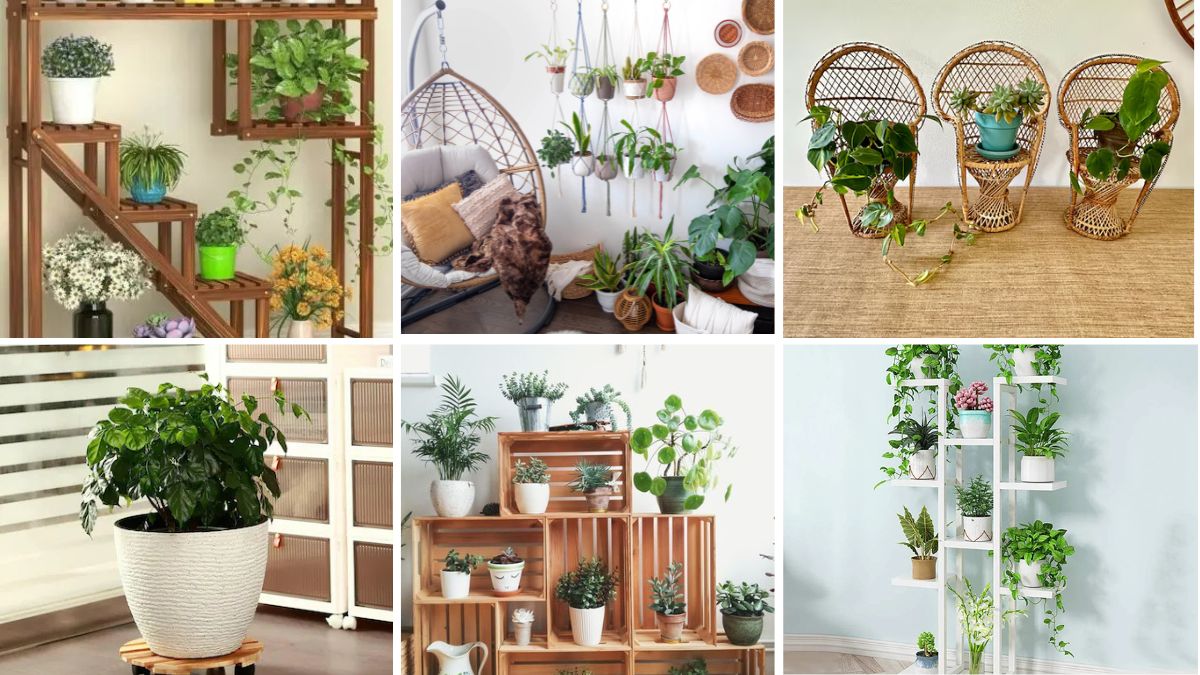
Using recycled materials is good for the environment and your budget. Old crates, pallets, and ladders can become unique stands.
Look for sturdy items you can repurpose. Paint or sand them to match your style. This gives your plant stand a personal touch.
- Wooden pallets: cut and stack for shelves
- Old crates: stack or mount on walls
- Unused ladders: use steps as plant holders
- Metal scraps: weld or bolt into frames
Simple Stand Designs
Decorative plant stands can brighten any room. Simple designs make your plants the star.
Easy-to-make stands use materials you already have. These ideas are great for beginners.
Stacked Crates
Stacked crates create a rustic look. You can stack wooden crates in many ways.
This design holds several plants at different heights. It adds charm and saves space.
- Use old or new wooden crates
- Stack crates vertically or horizontally
- Secure with nails or brackets
- Sand and paint for a polished look
Basic Wooden Racks
Wooden racks are simple and sturdy. They show off plants nicely indoors or outdoors.
You can build racks with a few wooden planks. They come in many sizes and shapes.
- Use planks for shelves and legs
- Assemble with screws or nails
- Choose natural or painted wood
- Adjust shelf height for different plants
Hanging Macrame Holders
Macrame holders are light and decorative. They hang plants from the ceiling or walls.
Use cotton rope or twine to make knots. These holders add a boho feel to any space.
- Choose strong, natural rope
- Learn basic knots like square or spiral
- Make loops to hold pots securely
- Hang near windows for sunlight
Credit: lodhigarden.com
Creative And Unique Ideas
Decorative plant stands can add style to any room. Making your own stands lets you show your creativity.
Try new shapes, materials, and old furniture to build stands that are both useful and eye-catching.
Geometric Shapes
Geometric shapes give plant stands a modern look. Triangles, hexagons, and circles create unique stands.
You can use wood or metal to form these shapes. Simple cuts and joins make the process easy.
- Hexagonal shelves hold pots in a honeycomb pattern
- Triangle stands stack for a layered effect
- Circular rings support pots hanging in the air
Repurposed Furniture
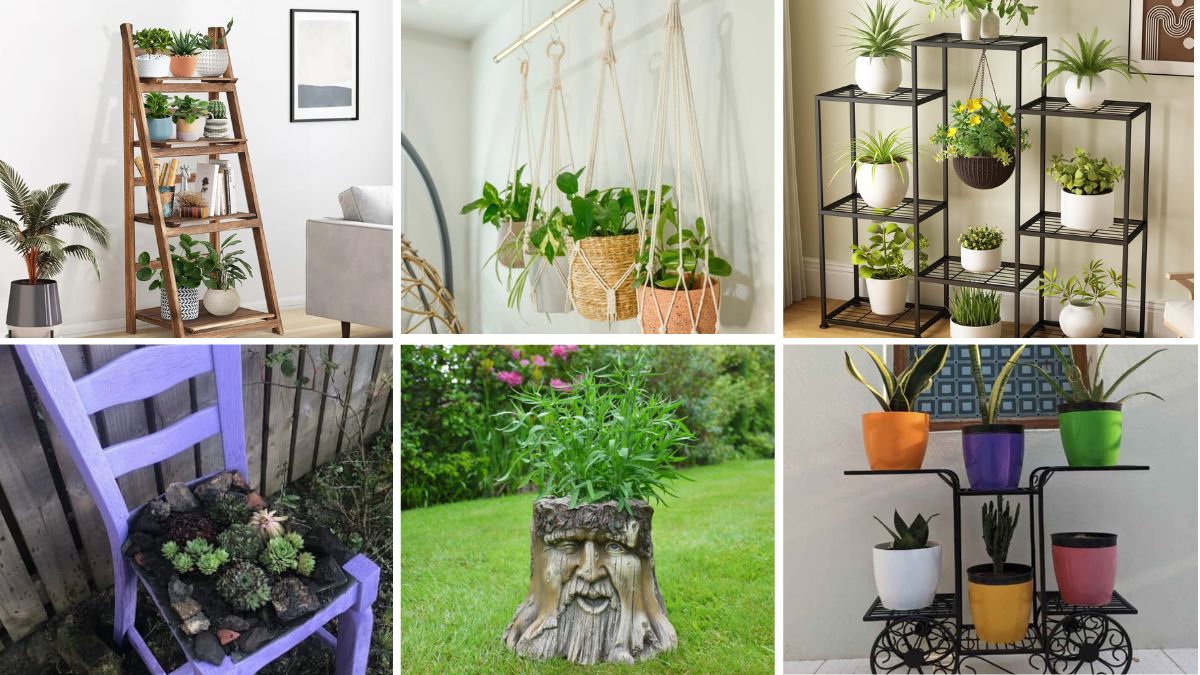
Old furniture can become charming plant stands. Chairs, ladders, and crates work well.
Clean and paint the furniture to match your room. Add boards or shelves to hold more plants.
- Use a wooden ladder to display plants on each step
- Turn an old drawer into a plant box with legs
- Stack crates for a rustic plant tower
Mixed Material Combinations
Mix materials like wood, metal, and glass for stands with texture. This adds visual interest and strength.
Combine thin metal legs with wooden tops or glass shelves. This mix suits many décor styles.
- Wooden platforms on metal frames create sleek stands
- Metal baskets with wooden bases hold pots securely
- Glass shelves supported by metal rods add lightness
Tips For Stability And Safety
Building your own decorative plant stands is fun and creative. It is important to make them stable and safe.
Unstable stands can fall and hurt people or damage plants. Use smart tips to keep your stands steady.
Weight Distribution
Balance the weight evenly on your plant stand. Put heavier pots at the bottom to stop tipping.
Check that the stand does not lean to one side. Spread the weight so it stays firm on the floor.
- Place heavy plants on lower shelves
- Use pots of similar weight on each level
- Avoid overloading one side of the stand
Weatherproofing
Protect your plant stand from rain and sun damage. Use weatherproof materials or finishes.
Water can weaken wood or metal. Cover the stand with paint or sealant made for outdoor use.
- Choose treated wood or rust-resistant metal
- Apply outdoor paint or sealant regularly
- Keep stands under shelter if possible
Securing Plants Properly
Make sure plants do not fall or slide off the stand. Use holders or grips to keep pots steady.
Check the fit of each pot. Add non-slip pads or straps to hold plants in place safely.
- Use pot holders or rings on shelves
- Place rubber pads under pots to stop slipping
- Secure tall plants with ties if needed

Credit: www.youtube.com
Styling Your Plant Stands
Decorative plant stands add beauty and height to your plants. Styling them well makes your space feel fresh and lively.
You can use color, layers, and room style to make your plant stands stand out. Small changes create big effects.
Color Coordination
Choose plant stands that match or contrast with your plant pots. This draws attention and adds charm to the display.
Use colors that fit your room’s palette. This keeps your space looking balanced and attractive.
- Match plant stand color to pot or wall paint
- Use contrasting colors for a bold look
- Pick neutral colors for a calm feel
Layering Plants
Place plants of different heights on your stands. This creates visual interest and makes your plants look fuller.
Use smaller plants on top and larger ones below. Mixing leaf shapes also adds texture and depth.
- Tall plants on the floor or lower stands
- Medium plants at eye level
- Small plants on top or hanging
- Mix leaf shapes and sizes for variety
Complementing Room Decor
Pick plant stands that fit your room’s style. Wood fits rustic rooms, metal works well in modern spaces.
Consider the room’s colors and furniture shapes. This helps your plant stands blend in or stand out nicely.
- Wooden stands for warm, cozy rooms
- Metal stands for sleek, modern rooms
- Simple designs for minimal spaces
- Decorative stands for eclectic styles
Credit: lodhigarden.com
Frequently Asked Questions
What Materials Are Best For Plant Stands?
Wood, metal, and bamboo are popular choices for DIY plant stands. Wood offers a rustic appeal, metal provides durability, and bamboo is eco-friendly. Choose based on your style and space needs.
How To Choose The Right Size Plant Stand?
Consider the plant’s height and pot size. Ensure the stand can support the plant’s weight. It should complement the room’s decor without overwhelming it.
Can I Make Plant Stands From Recycled Materials?
Yes, recycled materials like pallets or old furniture can be used. This approach is sustainable and cost-effective. Creativity with upcycling can yield unique and eco-friendly plant stands.
What Tools Do I Need For Diy Plant Stands?
Basic tools like a saw, drill, and screwdriver are essential. You might also need sandpaper, paint, and measuring tape. These tools will help you craft sturdy and attractive plant stands.
Conclusion
Creating your own decorative plant stands adds charm to any space. It saves money and lets you show your style. Simple materials and tools make the process easy and fun. You can customize size, shape, and color to fit your plants perfectly.
These stands help plants get more light and stay healthy. Start small and enjoy the creative journey. Your home will feel fresh and lively with these unique stands. Give it a try and watch your plants shine.