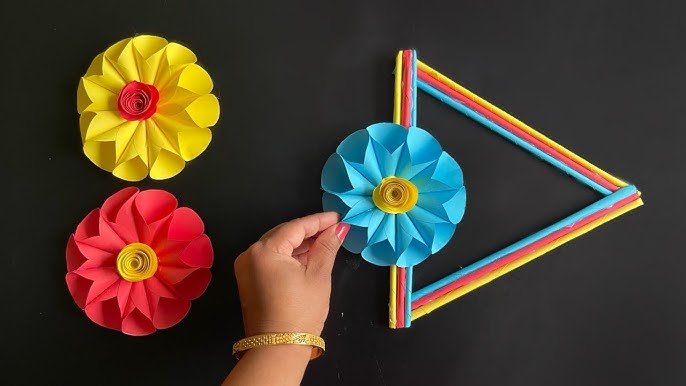
Looking to brighten up your child’s room with something unique and fun? Creative DIY wall art for kids is the perfect way to add color, personality, and a touch of magic to their space.
Imagine your child’s eyes lighting up when they see their very own artwork displayed on the wall—something made by you and them together. You’ll discover simple, exciting ideas that turn ordinary walls into inspiring galleries. Ready to transform your kid’s room and spark their creativity?
Let’s dive in!

Credit: www.youtube.com
Easy Wall Art Projects
Creating wall art with kids is a fun way to decorate their rooms. These projects use simple materials you have at home.
Kids enjoy making art that shows their creativity. These easy projects help build their skills and confidence.
Handprint And Footprint Art
Use your child’s hands and feet to make unique art pieces. Paint their prints on paper to create animals or shapes.
This project is perfect for toddlers and preschoolers. It helps them explore textures and colors while having fun.
- Paint your child’s hand or foot with washable paint
- Press it gently onto paper or canvas
- Turn prints into animals, flowers, or fun shapes with markers
Paper Plate Animals
Transform paper plates into cute animals using paint, paper, and glue. This craft is easy and colorful.
Kids can cut, paint, and add details to make faces and features. These animals look great on bedroom walls.
- Paint paper plates with base colors
- Cut out ears, eyes, and noses from construction paper
- Glue parts onto plates to create animal faces
- Add details with markers or crayons
String Art Patterns
String art uses nails and thread to make shapes and patterns on wood boards. It teaches kids hand-eye coordination.
Simple designs like hearts or stars are best for beginners. Kids wrap string around nails to create colorful designs.
- Draw a simple shape on a wooden board
- Hammer nails along the outline
- Wrap colorful string or yarn around nails
- Fill the shape by crisscrossing the string

Credit: www.makingmanzanita.com
Upcycling For Wall Decor
Upcycling means turning old things into new art. It helps the environment and saves money.
Kids can create fun wall art using items they no longer need. This makes their rooms bright and unique.
Using Recycled Paper
Recycled paper can be cut, folded, or painted to make wall art. Old magazines and newspapers work well.
Kids can create shapes, animals, or patterns. Glue the pieces on a board or canvas for a colorful display.
Bottle Cap Mosaics
Collect bottle caps in different colors and sizes. Arrange them on a flat surface to form pictures or designs.
Use glue to stick the caps on wood or cardboard. This creates a textured and colorful wall decoration kids will love.
Cardboard Collages
Use old cardboard boxes to cut out shapes or letters. Paint or decorate them with markers and stickers.
Glue the pieces together to make a collage. It’s a fun way to reuse cardboard and make creative wall art.
Nature-inspired Art
Nature gives us many ideas for fun art projects. Kids can use leaves, flowers, and rocks to make creative wall art.
These projects bring the outdoors inside. They also help children learn about plants and natural shapes.
Leaf Prints And Stamps
Leaf prints are easy and fun. Kids press leaves onto paper or fabric using paint or ink.
This shows the leaf’s shape and veins clearly. You can use different leaf types for variety.
- Collect leaves of different sizes and shapes
- Use washable paint or ink pads
- Press leaves gently to avoid tearing
- Try stamping on paper, cloth, or wood
Pressed Flower Frames
Pressed flowers keep their color and shape when dried. Kids can arrange them inside a frame.
This makes a pretty and delicate wall decoration. Use simple flowers like daisies or pansies for best results.
- Pick fresh flowers with flat petals
- Press flowers between heavy books for a week
- Arrange flowers on paper or fabric inside frames
- Seal with clear glue or glass for protection
Rock Painting Displays
Painted rocks add color and fun shapes to walls. Kids can decorate rocks with nature themes.
Use bright colors and simple designs. Group rocks together on a shelf or attach them to a frame.
- Choose smooth, flat rocks
- Use non-toxic acrylic paint
- Paint leaves, animals, or flowers
- Seal with clear varnish to protect art
Interactive Wall Art Ideas
Creative wall art can make kids’ rooms fun and inspiring. Interactive designs let children play and create on their walls.
These ideas help kids express themselves and change their art anytime. Interactive walls bring more joy and learning.
Chalkboard Walls
Chalkboard walls let kids draw and erase easily. They can practice writing, draw pictures, or play games on the wall.
Use special chalkboard paint to create a smooth surface. Place it in playrooms or bedrooms for daily fun.
- Choose non-toxic chalkboard paint
- Keep chalk and erasers nearby
- Use bright chalk colors for more fun
Magnetic Art Boards
Magnetic boards let kids stick and move magnets freely. They can create pictures or spell words with magnetic letters.
Mount a metal sheet or use a magnetic whiteboard. Add colorful magnets to spark creativity and learning.
- Use lightweight magnets for safety
- Include letters, shapes, and numbers
- Encourage storytelling with magnet scenes
Velcro Art Panels
Velcro panels let kids attach and remove soft art pieces. They can build scenes or decorate with felt shapes and letters.
Use fabric or foam panels with Velcro strips. This setup is quiet and safe for young children.
- Cut felt shapes for easy play
- Make themed sets like animals or vehicles
- Store pieces in a small basket nearby
Themed Art Projects
Creative DIY wall art is a fun way for kids to express themselves. Themed projects help focus their ideas and make decorating easier.
These projects use simple materials and encourage imagination. Kids can create scenes that bring stories and dreams to life.
Space And Galaxy Scenes
Space themes inspire kids to think about stars, planets, and astronauts. They can paint planets or make starry skies with glitter.
Use dark blue or black backgrounds to mimic space. Add colorful planets, rockets, and shining stars to complete the scene.
- Paint planets with bright colors
- Use cotton balls for clouds or moons
- Add glitter for stars and comets
- Create rockets from paper or cardboard
Under The Sea Murals
Under the sea murals let kids explore ocean life. They can create fish, seaweed, and coral reefs with paint and paper.
Use blue and green tones for water. Add bright colors for fish and sea creatures to make the mural lively.
- Cut fish shapes from colored paper
- Draw seaweed using green paint or markers
- Use sponges to make bubble textures
- Add shells or small stones for texture
Fairy Tale Characters
Fairy tale characters bring magic to kids’ rooms. They can create princesses, dragons, and castles on the walls.
Bright colors and simple shapes work best. Kids can use markers, crayons, or cutouts to build their story scenes.
- Draw or paint characters with bold outlines
- Make castles with cardboard or paper
- Add glitter for magic effects
- Use stickers or stamps for extra details
Materials And Tools
Creating DIY wall art for kids is fun and easy. You need the right materials and tools to make safe and colorful art.
Choosing the best supplies helps kids enjoy crafting while staying safe and organized.
Safe Paints For Kids
Use paints that are non-toxic and easy to clean. These paints keep kids safe and make art time worry-free.
Look for paints labeled as washable and child-friendly. These paints come in many bright colors.
- Tempera paint
- Watercolor paint
- Acrylic paint (non-toxic)
- Finger paints
Essential Craft Supplies
Besides paint, you need basic craft supplies for wall art projects. These help kids create different shapes and textures.
Gather these supplies before starting your project to keep things smooth and fun.
- Colored paper and cardstock
- Glue sticks and white glue
- Child-safe scissors
- Markers and crayons
- Stickers and stamps
- Craft sticks and pipe cleaners
Organizing Art Materials
Keep art supplies tidy to avoid mess and make projects easier. Use simple storage solutions for quick cleanups.
Organizing supplies helps kids find what they need and protects materials from damage.
- Use clear plastic bins with labels
- Store small items in divided containers
- Keep paints and brushes in a separate box
- Use a rolling cart for easy access
- Have a designated art table or corner
Tips To Encourage Creativity
Creative DIY wall art is a fun way to help kids express themselves. It encourages imagination and builds confidence.
By giving kids space and tools to create, parents can inspire originality and pride in their work.
Creating A Creative Space
Set up a special area for kids to make wall art. Use a small table or wall corner with art supplies.
Keep materials like paper, paints, markers, and glue nearby. Make sure the space is easy to clean.
- Use child-friendly furniture and tools
- Provide different art materials
- Keep the area bright and inspiring
- Allow kids to decorate their space
Involving Kids In Planning
Ask kids what kind of wall art they want to create. Let them choose themes, colors, or materials.
Planning together helps kids feel important and excited about their projects. It also boosts creativity.
- Discuss ideas before starting
- Encourage drawing or sketching plans
- Help kids pick colors and shapes
- Support their unique choices
Celebrating Their Artwork
Showcase kids’ wall art in your home. Create a gallery wall or use frames to display their work.
Praise their effort and creativity. Celebrate each piece to build their confidence and joy in creating.
- Use clips or strings to hang artwork
- Rotate art to keep the display fresh
- Take photos of their creations
- Give positive feedback often

Credit: www.youtube.com
Frequently Asked Questions
What Are Easy Diy Wall Art Ideas For Kids?
Creating DIY wall art can be simple and fun. Try handprint paintings, paper collages, or string art. Use materials like paint, paper, and yarn to spark creativity. These projects are not only budget-friendly but also offer a personal touch to your child’s room.
How To Involve Kids In Diy Wall Art?
Involving kids in DIY projects is a great bonding activity. Let them choose colors and materials. Guide them with simple instructions and encourage creativity. This hands-on experience boosts their confidence and artistic skills, making the process enjoyable for both parents and children.
What Materials Are Best For Kids’ Wall Art?
Choose safe, non-toxic materials for kids’ wall art projects. Acrylic paints, colored paper, and washable markers are ideal. Other options include fabric scraps, buttons, and ribbons. These materials are not only safe but also versatile, allowing endless creative possibilities for your child’s masterpiece.
How Can Diy Art Enhance A Child’s Room?
DIY art adds personality and warmth to a child’s room. It reflects their interests and creativity. Personalized wall art can make their space inviting and unique. This customization encourages children to express themselves and take pride in their surroundings.
Conclusion
Creating DIY wall art for kids sparks joy and creativity at home. It brings color and fun to any room quickly and easily. Kids love making their own art and feel proud of their work. These projects use simple materials that you can find anywhere.
Try different ideas and watch your child’s imagination grow. Art helps children express themselves and build confidence. Start small, keep it fun, and enjoy the process together. DIY wall art makes any space special and full of life. Give your kids a chance to shine with their own creations.