Struggling to fit your living room furniture into a small space without it feeling cramped? You’re not alone.
Finding the perfect balance between style and comfort can be tricky when every inch counts. But what if you could unlock simple hacks that make your room look bigger, feel cozy, and stay functional—all at once? Keep reading, because these contemporary furniture placement tips will transform your small living room into a stylish haven you’ll love to spend time in.
Your perfect space is closer than you think.
Maximizing Space With Multi-functional Furniture
Living rooms in small spaces need smart furniture choices. Multi-functional furniture helps save space and keeps rooms neat.
Using pieces that serve more than one purpose lets you enjoy comfort without clutter. This is key for contemporary living rooms.
Choosing Convertible Sofas And Chairs
Convertible sofas and chairs change shape to fit your needs. They can turn into beds or recliners for extra use.
These pieces are great in small rooms because they save space and add comfort. You get seating and sleeping options in one.
- Sofa beds that fold out into a bed
- Chairs that recline or become ottomans
- Sectionals with removable parts
Storage-integrated Pieces
Furniture with built-in storage helps keep your space tidy. Drawers or shelves hidden inside save floor space.
These pieces work well in small rooms by hiding clutter. You can store books, blankets, or toys inside the furniture.
- Ottomans with storage compartments
- Sofas with under-seat drawers
- Side tables with shelves or cabinets
Compact Coffee Tables With Hidden Storage
Small coffee tables that open up or have drawers add extra storage. They keep essentials close without crowding the room.
These tables fit well in small spaces and help organize your living room. Use them to store magazines, remotes, or snacks.
- Lift-top tables for hidden storage
- Tables with side drawers
- Nesting tables that stack neatly
Optimizing Layout For Flow And Comfort
Small living rooms need smart furniture placement. Good layout helps make the space feel open and cozy.
Focus on easy movement and comfortable seating. This makes your room practical and inviting.
Creating Zones In Small Rooms
Divide your living room into zones for different activities. This helps organize the space without crowding.
Use furniture placement to separate areas like sitting, reading, or working.
- Place a sofa and chairs around a coffee table for a conversation zone.
- Add a small desk and chair in a corner for a work area.
- Use shelves or plants to mark boundaries between zones.
Using Rugs To Define Areas
Rugs help show different zones without walls. They add color and texture too.
Choose rugs that fit the size of each area. Place furniture on or around the rug to anchor the space.
- Use a rug under the main seating to create a cozy spot.
- Place a smaller rug under a reading chair for a separate nook.
- Pick rugs with colors that match your room’s style.
Balancing Seating Arrangements
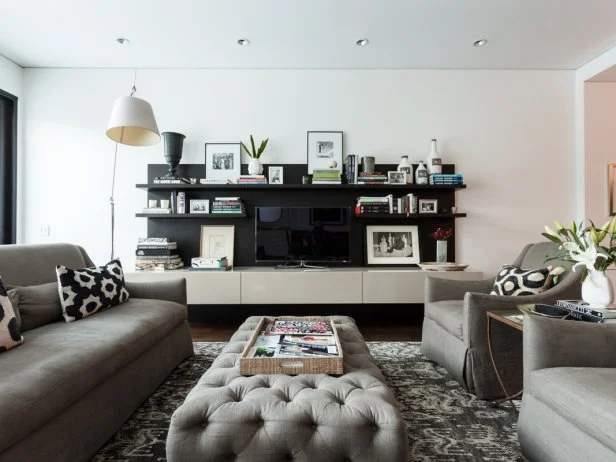
Arrange seating so people face each other for easy talk. Avoid blocking pathways with chairs or sofas.
Mix different types of seats to fit the space and needs. Keep enough room for moving around.
- Use a loveseat with one or two chairs for balance.
- Choose furniture with slim arms to save space.
- Keep walkways at least 2 feet wide for comfort.
Using Vertical Space Effectively
Small living rooms need smart ideas to save space. Using vertical space helps keep rooms open and organized.
Placing furniture and storage on walls frees floor area. This makes the room feel larger and less crowded.
Wall-mounted Shelves And Cabinets
Wall-mounted shelves add storage without using floor space. They keep items within reach but out of the way.
Cabinets fixed to walls store things neatly. They also help hide clutter and create a clean look.
- Use shelves above sofas or desks for books and decor
- Choose cabinets with doors to hide items
- Install floating shelves at different heights for visual interest
Floating Furniture Solutions
Floating furniture hangs on walls instead of standing on legs. This design clears floor space below.
Floating desks, benches, and media consoles keep small rooms open. They make cleaning easier too.
- Mount a floating TV unit to hold devices and remotes
- Use wall-hung desks for work or hobbies
- Install floating benches with storage underneath
Tall Bookcases And Accent Pieces
Tall bookcases use vertical space to store books and decor. They draw the eye upward, making ceilings look higher.
Accent pieces like floor lamps or plants with height add style without blocking space. They fit well in corners.
- Choose narrow, tall bookcases for small corners
- Stack items vertically to save room
- Use tall lamps to brighten dark corners
:max_bytes(150000):strip_icc()/image_2-e2efef3baa354bd4bfb386eb2e048afb.png)
Credit: www.thespruce.com
Light And Color Tricks To Expand Space
Small living rooms can feel crowded without the right design. Using light and color can make these spaces look bigger.
Simple changes in color and light placement help open up the room. These tricks create a fresh and airy feel.
Selecting Light-reflective Colors
Choose colors that reflect light well. Light colors like white, cream, or soft pastels brighten the room.
These colors make walls and furniture blend with light, giving the illusion of more space.
- Use light shades on walls and ceilings
- Pick furniture in soft, neutral tones
- Avoid dark colors that absorb light
Incorporating Mirrors Strategically
Mirrors reflect light and views, making a room feel larger. Place them opposite windows or light sources.
Use big mirrors or a group of smaller ones to cover empty wall space and add depth.
- Hang mirrors across from windows to bounce light
- Use mirrored furniture or decor for extra reflection
- Place mirrors at eye level for natural effect
Smart Lighting Placement
Good lighting opens up small rooms. Use different light sources to reduce shadows and brighten corners.
Layer your lighting with ceiling lights, floor lamps, and table lamps for even light spread.
- Install bright ceiling lights with dimmers
- Use floor lamps to fill dark corners
- Place table lamps near seating areas
Choosing The Right Scale And Proportion
Choosing the right scale and proportion is key for small living rooms. It helps make the space feel bigger and more comfortable.
Large furniture can crowd a small room. Picking the right size keeps the room open and usable.
Miniature Furniture Options
Miniature furniture fits well in small spaces. It offers comfort without taking up too much room.
Look for small sofas, compact chairs, and tiny coffee tables. These keep your room cozy but not crowded.
- Choose loveseats instead of large sofas
- Use small side tables for convenience
- Pick stools or ottomans that fit under tables
Slim Profiles And Open Designs
Slim furniture with open designs makes a room feel airier. Thin legs and open bases help light pass through.
Choose furniture with slim arms and backs. This reduces bulk and creates a lighter look in small rooms.
- Pick chairs with thin metal or wooden legs
- Use glass or acrylic tables to keep views open
- Select sofas with raised legs for easy cleaning
Avoiding Overcrowding
Overcrowding makes a small room feel tight and uncomfortable. Keep only the essentials to avoid clutter.
Leave space to walk around. Arrange furniture so it does not block pathways or windows.
- Limit the number of large pieces
- Use multi-purpose furniture to save space
- Keep clear space around seating areas
Creative Use Of Corners And Nooks
Small living rooms need smart ideas to use every inch well. Corners and nooks can hold useful furniture.
Using these spaces well keeps rooms open and cozy. Here are ways to make corners and nooks work for you.
Corner Shelves And Seating
Corner shelves save floor space and show decorations. They fit well in small rooms and keep things tidy.
Corner seating uses space that often goes empty. Small chairs or built-in benches fit nicely and add more seats.
- Use floating shelves to avoid bulky furniture
- Add cushions to corners for comfy seating
- Choose shelves with baskets to hide clutter
Nook Workstations And Reading Areas
Small nooks can become quiet work or reading spots. A slim desk fits well without crowding the room.
Good lighting and a comfy chair make these corners inviting. Use wall hooks or shelves for office supplies or books.
- Pick desks that fold up or are narrow
- Use adjustable lamps to save space
- Add cushions or throws for reading comfort
Curved Furniture For Tight Spots
Curved furniture fits small corners better than sharp angles. It lets you move easily around the room.
Look for round tables or sofas with soft edges. These pieces make the room feel larger and less cramped.
- Choose rounded chairs to fit narrow spaces
- Use curved sofas to soften room corners
- Pick round coffee tables to improve flow
Tech-friendly Furniture For Modern Living
Small living rooms need smart furniture to save space and stay tidy. Modern pieces now include tech features. These help keep devices charged and organized.
Choosing the right furniture makes your room look neat and keeps your gadgets ready to use. Let’s explore some smart ideas for small spaces.
Built-in Charging Stations
Furniture with built-in charging ports helps you power devices without extra wires. Many tables and sofas now include USB and power outlets.
This feature keeps your phones and tablets close and charged. It also reduces clutter from separate chargers and cords.
- Look for side tables with USB ports
- Choose sofas with charging arms or pockets
- Find desks with hidden power strips
Cable Management Solutions
Cables can make a small room look messy. Good furniture has ways to hide and organize wires. This keeps your space clean and safe.
Some pieces include built-in cable channels or clips. Others have compartments to tuck away cords and chargers.
- Use desks with cable trays underneath
- Choose furniture with back panels for wires
- Try clips or sleeves to group cables neatly
Smart Storage For Gadgets
Storing gadgets properly protects them and saves space. Furniture with special compartments helps keep devices safe and easy to find.
Look for shelves, drawers, or boxes made for tech items. These reduce clutter and keep your room tidy.
- Drawers with padded sections for devices
- Shelves with slots for tablets and remotes
- Boxes with built-in charging inside
:max_bytes(150000):strip_icc()/CarinaSkrobeckiPhoto_JessicaNelsonDesign_252222ndAve_01-47bc103d13e34f8d89179a86e968e7eb-5b0a8608f5c64a999203309e3fd0af57.jpg)
Credit: www.thespruce.com
Credit: www.hgtv.com
Frequently Asked Questions
How To Maximize Small Living Room Space?
To maximize a small living room, use multi-functional furniture like a sofa bed or storage ottoman. Arrange furniture to create open pathways and utilize vertical space with shelves. Opt for light colors and mirrors to give the illusion of a larger space.
Keep decor minimal to avoid clutter.
What Furniture Suits Small Living Rooms Best?
In small living rooms, opt for compact, multi-functional furniture. Consider pieces like loveseat sofas, nesting tables, and wall-mounted shelves. Furniture with built-in storage maximizes space. Choose furniture with clean lines and light colors to maintain an airy feel. These choices enhance both functionality and aesthetic appeal.
How To Arrange Furniture In A Small Room?
To arrange furniture in a small room, start with the largest piece, like a sofa, against the wall. Use smaller pieces to create balance and maintain open pathways. Avoid overcrowding by selecting essential furniture. Arrange furniture to promote conversation while keeping the space open and airy.
What Are The Best Storage Solutions For Small Spaces?
For small spaces, use multi-functional furniture like storage ottomans and coffee tables with shelves. Wall-mounted shelves and floating cabinets maximize vertical space. Under-sofa storage bins and baskets help hide clutter. These storage solutions maintain organization without compromising on style or space.
Conclusion
Small living rooms need smart furniture placement to feel spacious. Choose pieces that fit well without crowding the space. Use corners and walls to save room and keep paths clear. Light colors and simple designs help the area look bigger.
Keep things tidy and avoid clutter to maintain openness. With these easy tips, your living room can be both stylish and comfortable. Enjoy a cozy, functional space that works for everyday life.