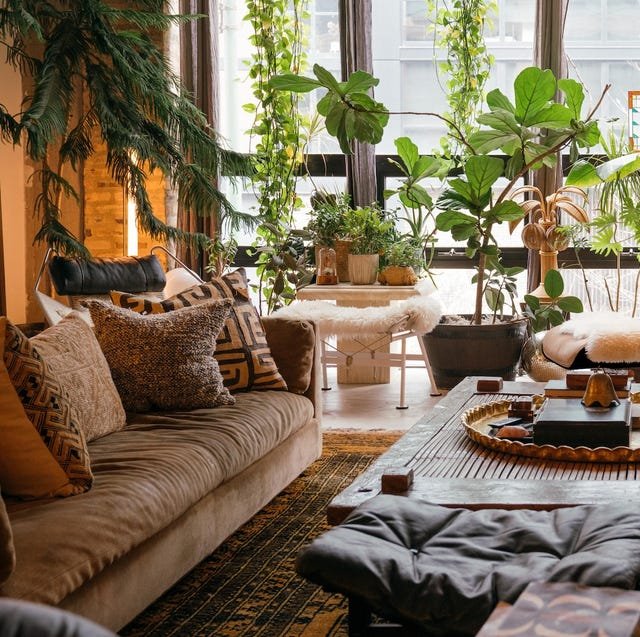
Are you looking to transform your living room into a fresh, inviting space? Adding plants can instantly breathe life into your room, making it feel cozy and vibrant.
But how do you choose the right plants and arrange them so they truly enhance your space? You’ll discover simple, effective tips to decorate your living room with plants that suit your style and brighten your day. Keep reading to find out how easy it is to create a green oasis right in your home.
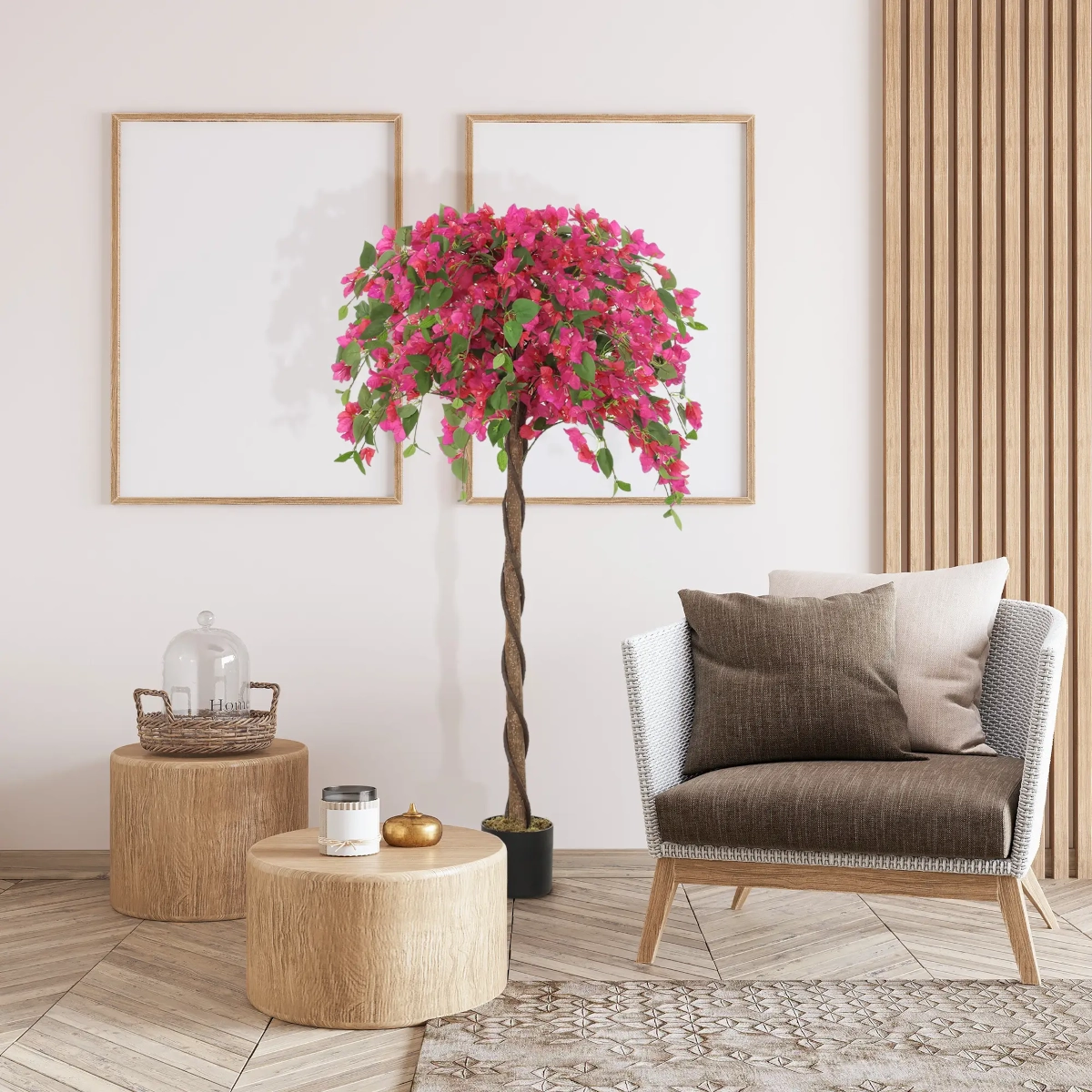
Credit: www.aosom.ca
Choosing The Right Plants
Plants bring life and calm to your living room. Choosing the right ones helps them grow well indoors.
Consider light, air quality, and pets when picking plants. This makes your space safer and prettier.
Low Light Plants For Living Rooms
Some plants do well with little sunlight. They suit rooms with few windows or shaded corners.
- Snake Plant: Easy to care for and tough.
- ZZ Plant: Survives in very low light.
- Peace Lily: Grows well without much sun.
- Cast Iron Plant: Strong and low light friendly.
Air-purifying Plant Options
Some plants clean the air by removing toxins. They help keep your living room fresh and healthy.
- Spider Plant: Removes pollutants like carbon monoxide.
- Aloe Vera: Cleans air and has soothing gel.
- Boston Fern: Good at filtering air toxins.
- Rubber Plant: Absorbs harmful chemicals indoors.
Pet-friendly Choices
Some plants are safe for pets if they like to nibble leaves. Avoid toxic plants to protect your animals.
- Bamboo Palm: Non-toxic and adds greenery.
- Areca Palm: Safe for cats and dogs.
- Prayer Plant: Bright colors and pet safe.
- Parlor Palm: Easy to grow and non-poisonous.
Creative Plant Placement
Plants add life and color to your living room. Placing them creatively makes your space feel fresh and inviting.
Try new spots to display your plants. This helps use every corner and surface well.
Using Corners And Empty Spaces
Corners often go unused. Putting plants here fills the space nicely without crowding the room.
Tall plants work well in corners. They add height and draw the eye upward.
- Place a tall leafy plant in an empty corner
- Use small plant stands to lift plants off the floor
- Cluster several small plants together to fill tight spaces
Hanging Planters And Wall-mounted Options
Hanging plants save floor space and add greenery at eye level. They make your walls lively.
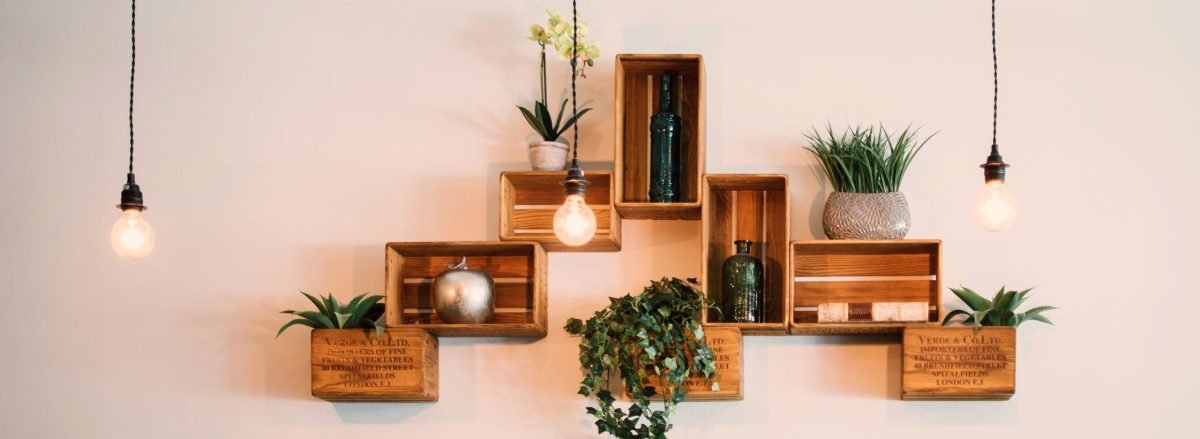
Wall-mounted pots or shelves hold plants without using tables. This keeps surfaces clear.
- Use hanging baskets near windows for good light
- Mount small pots on the wall in groups
- Choose trailing plants that hang down beautifully
Shelf And Tabletop Arrangements
Shelves and tables are perfect for plant displays. They add color and texture at different heights.
Mix plant sizes and types for an interesting look. Group plants with books or decorations.
- Place small pots on shelves alongside books or photos
- Use a tray to group several plants on a coffee table
- Mix leafy and flowering plants for variety
Combining Plants With Decor
Plants bring life and color to any living room. They look best when matched with your decor style.
Using plants with other decor elements creates a balanced and cozy space. Let’s explore some tips.
Matching Pots To Room Style
Choose pots that fit your room’s theme. This helps plants blend in well with the space.
For example, use sleek pots for modern rooms and rustic pots for farmhouse styles.
- Modern rooms: smooth, white or black pots
- Boho style: woven baskets or terracotta pots
- Traditional rooms: ceramic or ornate pots
- Minimalist spaces: clear glass or simple shapes
Incorporating Plants With Textiles
Textiles like rugs, cushions, and curtains add texture. Pair them with plants to create warmth.
Use colors in textiles that match the green tones or pot colors. This ties the room together.
- Green cushions highlight leafy plants
- Earth-toned rugs suit natural pots
- Floral patterns mimic plant shapes
- Soft fabrics contrast with rough plant leaves
Using Plants As Room Dividers
Plants can separate spaces without blocking light. Use tall plants to divide areas gently.
Arrange several plants in a line or cluster to create natural barriers that look nice and fresh.
- Tall plants like fiddle leaf figs work well
- Group smaller pots on shelves to separate zones
- Use hanging plants to create overhead division
- Mix plant sizes for a layered look

Credit: www.reddit.com
Maintenance Tips For Longevity
Keeping your living room plants healthy takes regular care. Simple steps help plants live longer and look better.
Good maintenance prevents problems and keeps plants strong. Knowing how to water, light, and protect plants is key.
Watering Schedules And Techniques
Water plants based on their type and size. Too much or too little water can harm them.
Check soil moisture before watering. Use pots with drainage holes to avoid water buildup.
- Water when top inch of soil feels dry
- Use room temperature water for best results
- Water slowly to soak the soil evenly
- Empty excess water from trays to prevent rot
Lighting Requirements
Different plants need different light levels. Place plants where they get the right amount of sunlight.
Avoid direct harsh sunlight for shade-loving plants. Rotate plants regularly for even growth.
- Low light plants do well in corners or shaded areas
- Bright light plants need spots near windows
- Avoid direct midday sun for sensitive plants
- Use grow lights if natural light is limited
Pest Control And Plant Health
Inspect plants often for pests like aphids or spider mites. Early detection stops damage.
Keep leaves clean and remove dead parts. Healthy plants resist pests better.
- Wipe leaves with damp cloth to remove dust
- Use mild soap spray to treat small pest problems
- Isolate infected plants to prevent spread
- Check soil for fungus or mold regularly
Seasonal Plant Styling
Changing plants with the seasons keeps your living room fresh. It brings new colors and smells to your home.
Seasonal plant styling helps you enjoy nature all year. It also matches your indoor space with the weather outside.
Refreshing Plants For Each Season
Pick plants that thrive in each season. Spring and summer like bright, blooming plants. Fall and winter suit hardy, green plants.
- Spring: Tulips, Daffodils, and Ferns
- Summer: Succulents, Spider Plants, and Hibiscus
- Fall: Chrysanthemums, Asters, and Snake Plants
- Winter: Poinsettias, Christmas Cactus, and Ivy
Adding Seasonal Accessories
Use pots and decorations that match the season. This adds style and makes plants stand out.
- Spring: Light-colored pots and pastel ribbons
- Summer: Bright pots and seashell decorations
- Fall: Warm-toned pots and small pumpkins
- Winter: Red or gold pots and fairy lights
Transitioning Indoor Gardens
Move plants to better spots as seasons change. Give them more light or less water if needed.
Slowly change your plant care routine to keep them healthy. Check for pests and trim dead leaves regularly.
- Shift plants closer to windows in winter
- Reduce watering in cooler months
- Increase humidity for tropical plants in dry air
- Prune plants before new growth in spring

Credit: www.patchplants.com
Frequently Asked Questions
What Are The Best Plants For Living Rooms?
The best plants for living rooms include snake plants, pothos, and peace lilies. These plants thrive in low light and require minimal care. They also purify the air, making your living space healthier. Their lush green leaves add a touch of nature and elegance to any decor style.
How Do I Arrange Plants In My Living Room?
Arrange plants by varying heights and textures for visual interest. Use plant stands or shelves to create layers. Group plants with similar care needs together. Place larger plants in corners and smaller ones on tables or windowsills. This method maximizes space and enhances the room’s aesthetic.
How Do Plants Improve Living Room Ambiance?
Plants enhance ambiance by bringing nature indoors. They add color, texture, and life to your living space. Plants also improve air quality and reduce stress. Their presence creates a calming and inviting environment, making your living room more pleasant and relaxing for family and guests.
Can Plants Survive In Low-light Living Rooms?
Yes, many plants thrive in low-light conditions. Consider snake plants, ZZ plants, or peace lilies for low-light areas. These plants adapt well to shaded environments and require minimal sunlight. They’re perfect for living rooms with limited natural light and still provide lush greenery.
Conclusion
Plants bring life and color to any living room space. Choose pots and plants that suit your style. Place plants where they get enough light to stay healthy. Mix different sizes and types for a fresh look. Remember to water and care for them regularly.
Small changes can make your room feel warm and inviting. Enjoy the calm and beauty plants add to your home. Start decorating today and see the difference plants make.