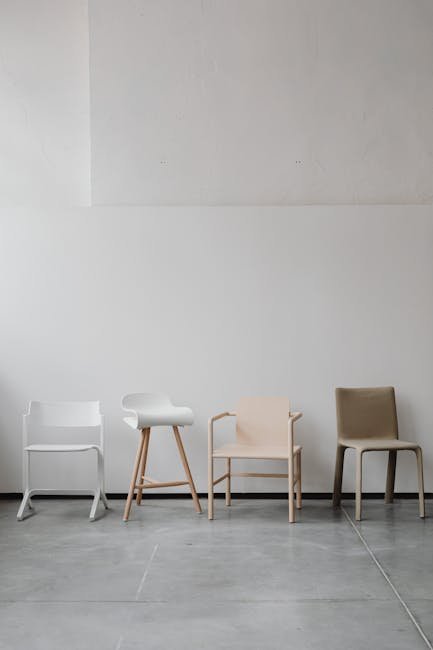
Are you struggling to keep your energy up and focus sharp while working from home? The right lighting can make a huge difference in your productivity and mood.
Imagine a home office where every light is perfectly placed to reduce eye strain, boost creativity, and keep you motivated all day long. You’ll discover simple yet powerful lighting hacks that can transform your workspace instantly. Keep reading to learn how you can create a modern home office lighting setup that works for you—making every workday easier and more enjoyable.
Choosing The Right Light Bulbs
Choosing the right light bulbs is key for a modern home office. Good lighting helps you work better and feel comfortable.
Different bulbs affect your mood, energy use, and how bright your workspace feels. Pick bulbs that fit your needs.
Color Temperature And Mood
Color temperature shows if light looks warm, neutral, or cool. Warm light feels cozy. Cool light feels bright and clear.
Use warm light for relaxed work or calls. Use cool light for focused tasks like reading or writing.
- Warm light: 2700K to 3000K – calming and cozy
- Neutral light: 3500K to 4100K – balanced and natural
- Cool light: 5000K to 6500K – bright and alert
Energy-efficient Options
Energy-efficient bulbs save money and help the environment. They use less power and last longer than old bulbs.
LED bulbs are popular because they use little energy and give strong light. CFL bulbs also save energy but take time to warm up.
- LED bulbs use 75% less energy than incandescent bulbs
- LED bulbs last up to 25,000 hours
- CFL bulbs use 70% less energy but may flicker at start
Brightness Levels For Productivity
Brightness affects how well you see and focus. Too dim light causes eye strain. Too bright light can be harsh.
Choose bulbs with adjustable brightness or use lamps with dimmers. Aim for 400 to 600 lumens for most desk tasks.
- 400 lumens: soft light for relaxed work
- 500-600 lumens: ideal brightness for reading and writing
- Adjust light to reduce glare and shadows
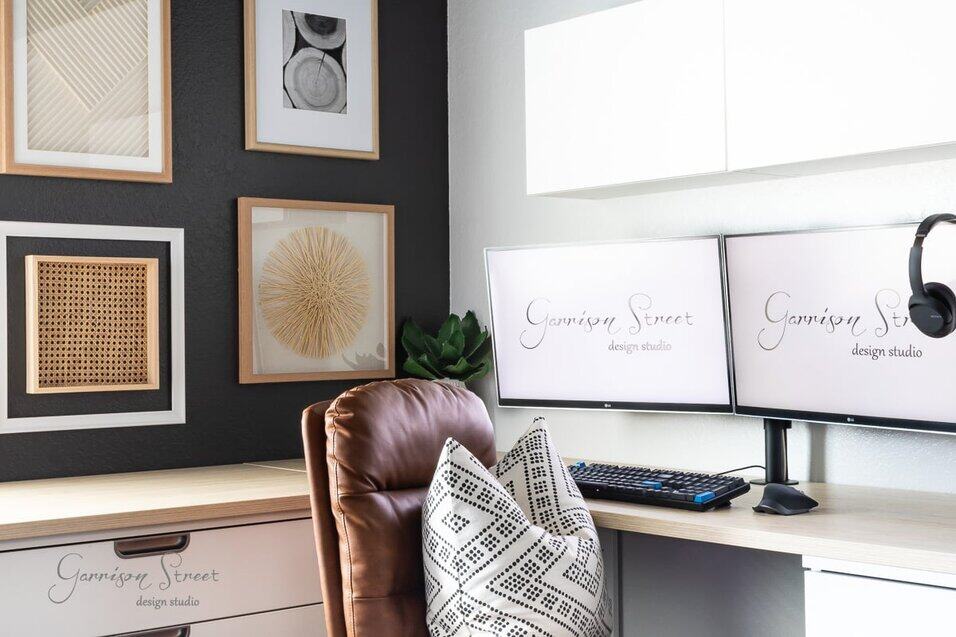
Credit: garrisonstreetdesignstudio.com
Layered Lighting Techniques
Good lighting in a home office helps you work better. It reduces eye strain and keeps you alert.
Layered lighting uses different light types. This creates a balanced and comfortable workspace.
Ambient Lighting Ideas
Ambient lighting lights up the whole room softly. It sets the base light level for your office.
Use ceiling lights or wall sconces for even light. Avoid harsh or very bright lights that cause glare.
- Install dimmable LED ceiling lights for control
- Use frosted glass covers to soften light
- Choose warm white bulbs for a cozy feel
Task Lighting Essentials
Task lighting focuses light where you work. It helps you see documents, screens, and keyboards clearly.
Desk lamps and adjustable lights work well. Position them to avoid shadows or glare on your work area.
- Use LED desk lamps with adjustable arms
- Choose bulbs with cool white light for focus
- Place lights on the opposite side of your writing hand
Accent Lighting Tips
Accent lighting highlights decor or important areas. It adds depth and style to your office space.
Use small spotlights or strip lights. Focus on artwork, shelves, or plants to create interest.
- Install LED strip lights under shelves
- Use picture lights to highlight art pieces
- Choose warm tones to create a relaxing mood
Maximizing Natural Light
Natural light makes your home office bright and welcoming. It helps you feel awake and focused during work.
Using natural light well can reduce the need for lamps and lower energy bills. Let’s explore how to bring in more daylight.
Window Placement Strategies
Place windows where they catch the most sunlight. South-facing windows get the most light all day in many areas.
Avoid blocking windows with large furniture. Keep the area near windows clear to let light flow inside.
- Choose walls with the best sun exposure for windows
- Use large windows to bring in more light
- Keep window areas free of tall furniture
- Consider skylights if wall space is limited
Using Reflective Surfaces
Reflective surfaces bounce light around the room. This spreads natural light to darker corners.
Mirrors and shiny furniture help brighten your office. Light-colored walls also reflect sunlight well.
- Place mirrors opposite windows
- Use glossy or glass tabletops
- Paint walls in soft white or pale colors
- Choose light-colored flooring or rugs
Light-filtering Window Treatments
Window treatments control how much light enters your office. Choose ones that soften light without blocking it.
Sheer curtains or blinds let in daylight but reduce glare on screens. They create a comfortable work environment.
- Use sheer curtains to soften sunlight
- Install adjustable blinds for light control
- Avoid heavy drapes that block light
- Choose materials that reduce glare but keep brightness
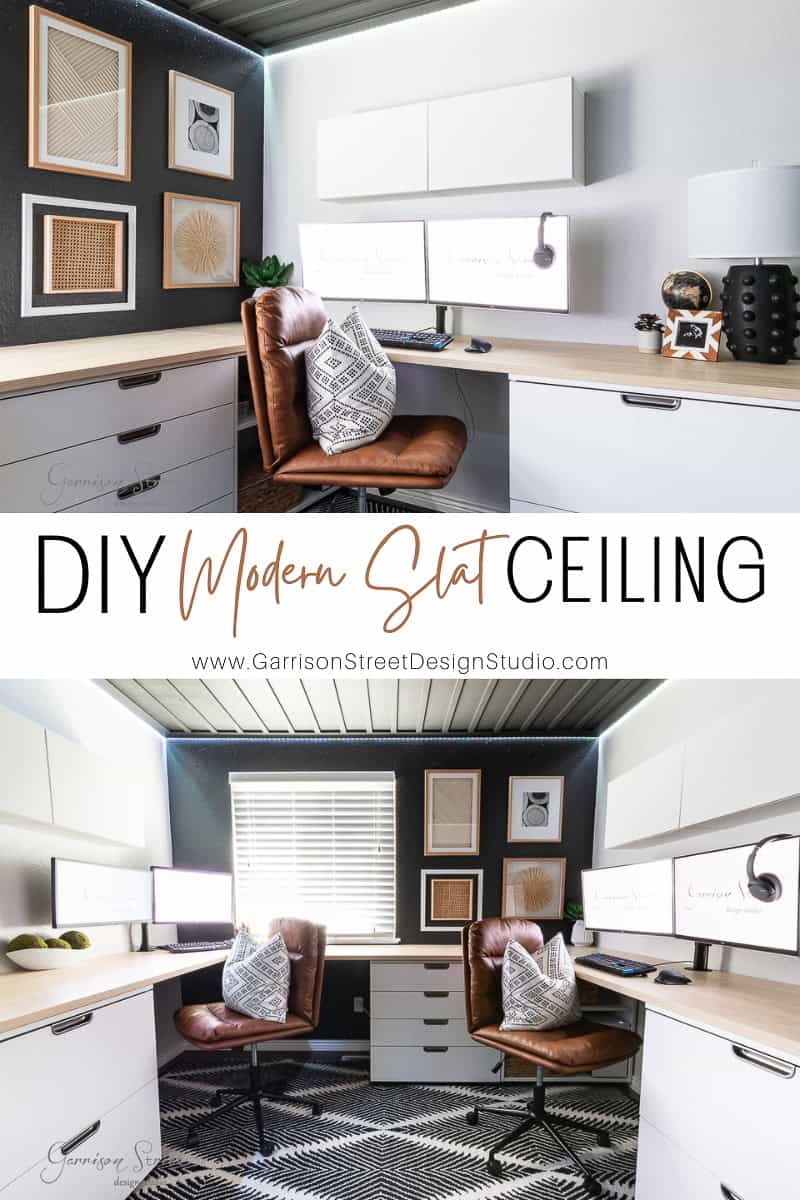
Credit: garrisonstreetdesignstudio.com
Smart Lighting Solutions
Modern home offices need good lighting to work well. Smart lighting solutions help you control light easily.
These solutions improve comfort and save energy. They make your workspace brighter and more efficient.
Automated Lighting Controls
Automated lighting controls turn lights on and off by themselves. They use sensors or timers to work.
This system saves energy and reduces the need to touch switches. It adjusts lighting based on your presence.
- Motion sensors detect movement to light the room
- Timers set lights to turn on or off at set times
- Light sensors adjust brightness based on natural light
Voice-activated Systems
Voice-activated systems let you control lights with your voice. You can turn lights on or off without using your hands.
These systems work with smart speakers or phones. Voice commands make it easy to change lighting quickly.
- Turn lights on or off by speaking
- Adjust brightness or color with voice commands
- Works with popular smart home devices
Customizable Light Settings
Customizable light settings let you change color and brightness. You can set lights for different tasks or moods.
This feature helps reduce eye strain and improve focus. You can save your favorite settings for easy use.
- Adjust color temperature from warm to cool
- Change brightness levels for comfort
- Save presets for work, reading, or relaxing
Creative Fixture Choices
Lighting is important for a modern home office. Choosing the right fixtures helps you work better.
Creative lighting can make your space both useful and stylish. Try different fixture types to find what fits.
Desk Lamps With Style
Desk lamps give direct light where you need it most. Stylish lamps add personality to your desk.
Look for lamps with adjustable arms and dimmers. These features let you control brightness and angle.
- Metal lamps with matte finishes look modern
- Colored lamps add a pop of color
- Wood accents bring warmth to your desk
Pendant Lights For Focus
Pendant lights hang from the ceiling and save desk space. They give soft, focused light on your work area.
Choose pendants with clean lines and simple shapes. Clear or frosted glass shades reduce glare and brighten the room.
- Single pendants for small desks
- Multiple pendants for larger workspaces
- Adjustable cords to change height
Wall-mounted Options
Wall-mounted lights save floor and desk space. They keep your work area clear and neat.
Swing-arm wall lamps let you move light where you need it. They come in many modern styles to match your office.
- Space-saving designs for small rooms
- Flexible arms for easy adjustment
- Simple switches for quick use
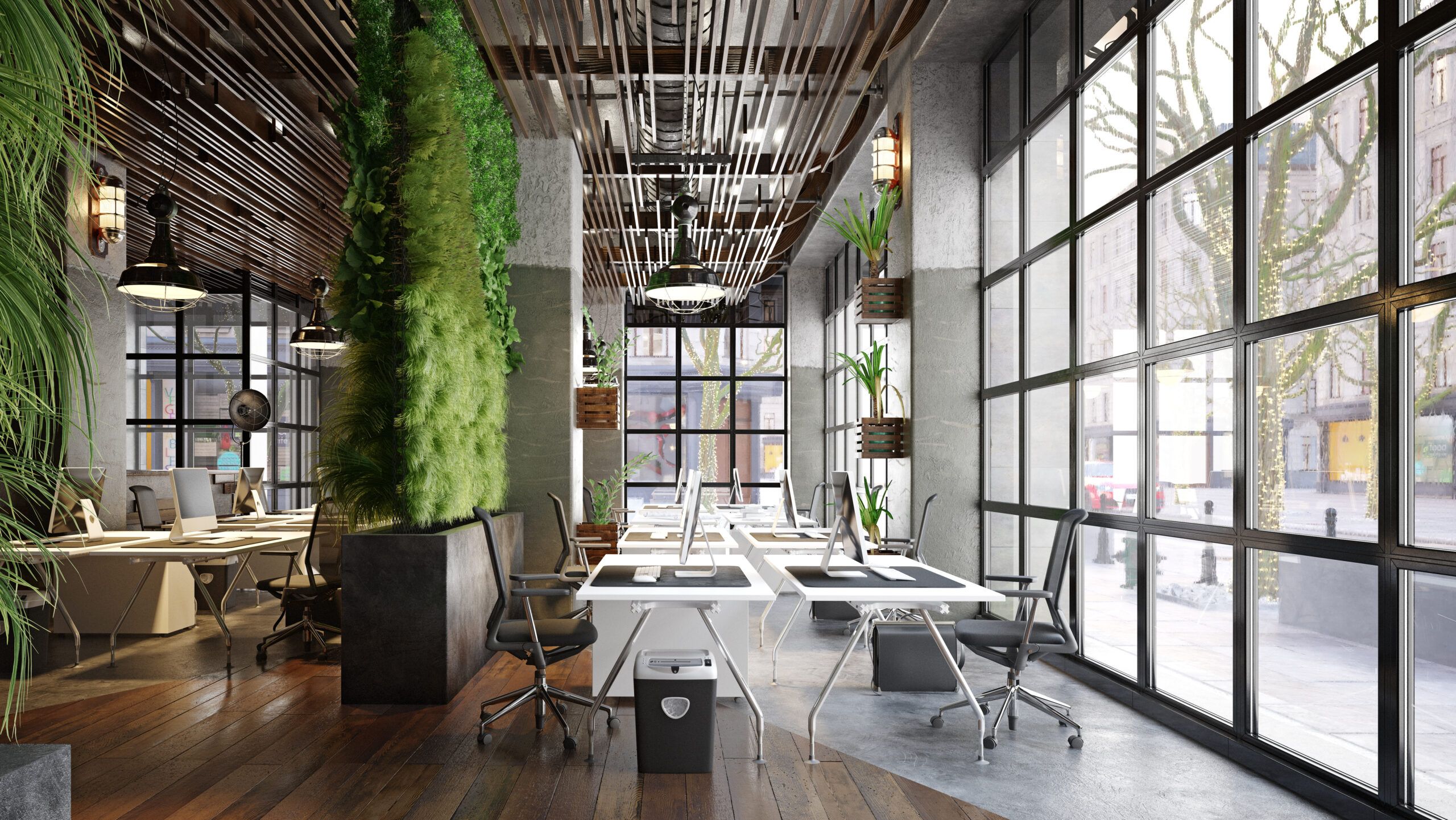
Credit: www.livspace.com
Avoiding Common Lighting Mistakes
Good lighting makes your home office comfortable and productive. Many people make simple mistakes that hurt their work environment.
Fixing these errors can help you work better and feel less tired during the day.
Reducing Glare And Shadows
Glare from lights or screens causes discomfort and distraction. Shadows make it hard to see details on your desk.
Place your lights to avoid shining directly into your eyes or onto your screen. Use lamps with shades or diffusers to soften light.
- Use adjustable desk lamps to control light direction
- Keep windows covered with blinds to reduce sun glare
- Place lights on the side opposite to your dominant hand to avoid shadows
Balancing Light Distribution
Bright spots and dark areas cause eye strain and reduce focus. Balanced light helps you see everything clearly.
Use a mix of overhead lights and task lighting. Avoid relying on only one light source in your room.
- Install ceiling lights with soft, even glow
- Add desk lamps for focused work light
- Consider wall lights to fill dark corners
Preventing Eye Strain
Eye strain happens from too much or too little light. It causes headaches and tired eyes.
Choose light bulbs with natural white color. Avoid harsh or flickering lights that tire your eyes quickly.
- Use LED bulbs with 4000K to 5000K color temperature
- Adjust screen brightness to match room lighting
- Take breaks to rest your eyes every hour
Frequently Asked Questions
How To Choose The Best Lighting For A Home Office?
To choose the best lighting, consider natural light first. Supplement with adjustable LED desk lamps for task lighting. Use ambient lighting like floor lamps for overall illumination. Ensure the lighting is glare-free to reduce eye strain. Consider color temperature; cooler tones enhance focus, while warmer tones provide comfort.
What Are The Benefits Of Layered Lighting?
Layered lighting enhances functionality and aesthetics. It involves combining task, ambient, and accent lighting. This approach minimizes shadows and reduces eye strain. It also allows flexibility to adapt lighting to different tasks. Layered lighting creates a balanced and inviting environment, enhancing productivity in your home office.
How Can I Reduce Glare In My Office?
To reduce glare, position your computer screen perpendicular to windows. Use adjustable blinds or curtains to control natural light. Opt for anti-glare screen protectors. Choose matte finishes for desks and walls. Position task lighting to the side rather than directly above your workspace.
What Is The Best Color Temperature For Productivity?
The best color temperature for productivity is around 4000K to 5000K. This range emits a cool white light that enhances focus and alertness. It mimics natural daylight, reducing eye strain. Cooler tones are ideal for tasks requiring concentration, such as reading and computer work.
Conclusion
Good lighting can boost focus and comfort in your home office. Choose lights that reduce glare and brighten your workspace. Mix natural and artificial light for the best effect. Adjust light positions to avoid shadows on your desk. Use warm or cool tones based on your work type.
Small changes make a big difference in mood and productivity. Try these simple hacks to create a pleasant work area. Your eyes and mind will thank you every day. Keep experimenting until you find what feels right.