Are you looking to breathe new life into your living space? Indoor plant decoration ideas can transform any room into a fresh, vibrant oasis.
Imagine the calming green hues right inside your home, lifting your mood and purifying the air you breathe. Whether you have a small corner or a spacious room, the right plants and placement can make all the difference. Keep reading, and you’ll discover simple, creative ways to bring nature indoors that fit your style and space perfectly.
Your home deserves this touch of natural beauty—let’s make it happen!
Credit: www.wildinteriors.com
Choosing The Right Plants
Indoor plants add life and color to any room. Picking the right plants helps them grow well inside your home.
Different plants need different care. Choose plants that fit your space and routine.
Low-maintenance Options
Low-maintenance plants need little care. They are perfect for busy people or beginners.
These plants survive with less water and light. They do not need frequent pruning or special soil.
- Snake Plant
- ZZ Plant
- Spider Plant
- Succulents
- Pothos
Plants For Low Light
Some rooms get little sunlight. Choose plants that grow well in shade or indirect light.
These plants stay healthy with low natural light. They help brighten dark corners.
- Peace Lily
- Cast Iron Plant
- Philodendron
- Chinese Evergreen
- Dracaena
Air-purifying Varieties
Some plants clean the air by removing toxins. They improve indoor air quality naturally.
These plants help create a healthier home environment. They also add fresh scents.
- Aloe Vera
- Boston Fern
- Rubber Plant
- Bamboo Palm
- Areca Palm
Creative Plant Displays
Indoor plants add life and color to any room. Using creative displays can make plants stand out more.
Try different ways to show your plants. This makes your space look fresh and inviting.
Hanging Planters
Hanging planters save floor space and add height to your decor. They are great near windows or in corners.
You can use ropes, chains, or metal holders to hang your plants. Choose light pots for easy hanging.
- Macrame hangers add a boho look
- Glass hanging planters show roots and soil
- Use hooks on the ceiling or walls
Floating Shelves
Floating shelves display plants without bulky furniture. They keep plants at eye level for easy care.
Place shelves in sunlight spots. Mix plants with books or small decor for a balanced look.
- Use different shelf sizes for variety
- Group plants with similar water needs
- Keep heavier pots on lower shelves
Terrariums And Glass Containers
Terrariums are small glass containers that house plants. They create a mini garden indoors.
Glass containers show soil, rocks, and plants clearly. They are great for succulents and air plants.
- Use sand, charcoal, and pebbles for layers
- Choose plants that like humid or dry air
- Place terrariums on desks or shelves
Styling With Pots And Planters
Indoor plants add life and color to any room. Choosing the right pots and planters can enhance their beauty.
Pots are not just containers. They are part of your room’s style and feel.
Color And Material Choices
Pick pot colors that match or contrast with your room walls. This makes plants stand out or blend in softly.
Materials like clay, ceramic, metal, or plastic each give a different look and feel to your space.
- Clay pots offer a natural, earthy look
- Ceramic pots come in many colors and styles
- Metal planters add a modern touch
- Plastic pots are lightweight and easy to move
Mixing Sizes And Shapes
Use pots of different sizes to create depth and interest. Small pots next to big ones look balanced.
Shapes like round, square, or tall planters add variety. Mixing them makes your display lively.
- Place tall pots at the back or corners
- Use small pots on shelves or tables
- Group round and square pots for contrast
- Mix tall and short plants in matching pots
Diy Pot Decoration
Decorate plain pots to add personality. Paint, stickers, or fabric can make them unique.
Use simple tools and materials to create patterns or designs. This makes your plant stand out.
- Paint stripes or dots with acrylic colors
- Wrap pots with twine or colorful fabric
- Use stencils to add shapes or letters
- Glue small stones or beads for texture

Credit: www.youtube.com
Incorporating Plants Into Decor
Indoor plants bring life and color to any room. They improve air and create a relaxing space.
Using plants in your decor can make your home feel fresh and welcoming. There are many ways to add plants indoors.
Living Walls And Vertical Gardens
Living walls use plants to cover vertical surfaces. They save space and add greenery to small rooms.
Vertical gardens can be made with shelves or special frames. Choose plants that grow well indoors and need little light.
- Use ferns, pothos, or succulents for easy care
- Place near windows for natural light
- Water regularly but avoid overwatering
- Mix different textures and colors
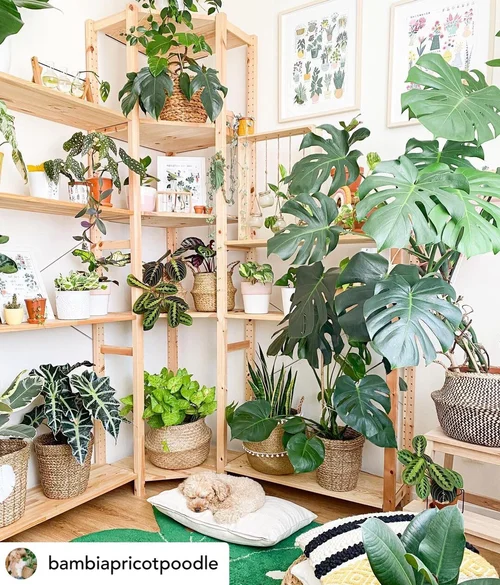
Plant Corners And Nooks
Create cozy corners with groups of plants. These spots become natural focal points in any room.
Use pots of different heights and sizes to add interest. Small tables or stands help show off your plants.
- Place tall plants in the back
- Use medium pots in the middle
- Put small plants in front or on shelves
- Add a chair or lamp for comfort
Combining Plants With Furniture
Plants look great next to or on furniture. They soften hard edges and add natural beauty.
Place plants on side tables, shelves, or window sills. Hanging plants above furniture save floor space.
- Use low plants on coffee tables
- Place tall plants beside sofas or chairs
- Hang trailing plants above desks or beds
- Choose pots that match your furniture style
Seasonal Plant Decoration Ideas
Indoor plants can brighten any room and change with the seasons. Using plants that match the time of year makes your space feel fresh.
Seasonal plant decoration adds color and life. It also connects your home to nature’s cycles.
Spring And Summer Themes
Spring and summer bring growth and brightness. Choose plants that show new leaves or colorful flowers. This adds energy to your home.
Use light pots and airy arrangements. Place plants where sunlight is strong. This helps them thrive and looks cheerful.
- Flowering plants like African violets and begonias
- Fresh herbs such as basil and mint for kitchen decor
- Bright green ferns for a lush look
- Use white or pastel-colored pots for a soft touch
- Hang small planters near windows for natural light
Autumn And Winter Touches
Autumn and winter bring cozy, warm tones. Select plants with deep green leaves or red and orange shades. This matches the season’s mood.
Use rustic pots and add natural elements like pinecones or twigs. Keep plants where they get indirect light to stay healthy.
- Plants like poinsettias and kalanchoes for color
- Evergreen small trees or shrubs for green all winter
- Succulents with red or purple hues
- Use clay or wooden pots for a warm feel
- Add small branches or dried leaves around plants
Care Tips For Indoor Plants
Indoor plants add life and color to your home. They need care to stay healthy and grow well.
Good care includes proper watering, light, feeding, and fixing problems early. This helps plants look their best.
Watering And Light Needs
Each plant needs a certain amount of water and light. Too much or too little can harm them.
Check the soil before watering. Water only if the top feels dry. Place plants where they get enough sunlight.
- Water plants early in the day
- Use a pot with drainage holes
- Keep plants near windows for natural light
- Avoid direct sunlight for shade-loving plants
Fertilizing And Pruning
Fertilize plants to give them nutrients. Use a balanced fertilizer made for indoor plants.
Prune plants to remove dead leaves and encourage new growth. Cut stems carefully with clean scissors.
- Fertilize every 4-6 weeks during growing season
- Do not over-fertilize to avoid root damage
- Trim yellow or brown leaves regularly
- Shape plants to keep them neat
Common Problems And Solutions
Indoor plants can face pests, diseases, or stress from wrong care. Watch for signs of trouble.
Act fast to solve problems. Use natural or safe methods to protect plants without chemicals.
- Yellow leaves may mean overwatering
- Brown leaf tips often show low humidity
- Sticky leaves can signal insect pests
- Slow growth may mean lack of light
- Remove pests with water spray or mild soap

Credit: www.reddit.com
Frequently Asked Questions
What Are The Best Indoor Plants For Decoration?
Best indoor plants for decoration include pothos, snake plant, spider plant, and peace lily. These plants are low-maintenance and thrive indoors. They add greenery and improve air quality, making spaces vibrant and fresh.
How To Arrange Indoor Plants Creatively?
Arrange indoor plants by mixing heights and textures. Use shelves, hanging pots, and plant stands to create layers. Group plants in clusters for a natural look. Combine different pot styles for visual interest.
Can Indoor Plants Improve Home Air Quality?
Yes, many indoor plants like snake plants and peace lilies filter toxins. They absorb carbon dioxide and release oxygen. This improves air quality, boosts mood, and enhances overall indoor environment.
What Lighting Do Indoor Plants Need?
Most indoor plants prefer bright, indirect light. Avoid direct sunlight as it can scorch leaves. Some plants tolerate low light but grow slower. Choose plants based on your room’s natural light availability.
Conclusion
Indoor plants bring life to any room. They add color, texture, and fresh air. Small pots fit well on shelves or desks. Tall plants can fill empty corners nicely. Mixing different types creates a lively feel. Water and light keep plants healthy and bright.
Try simple ideas first and grow your style. Enjoy the calm and beauty plants provide daily. Your space can feel warm and inviting now. Start decorating with plants and see the change.