Are you looking to transform your space without spending a fortune? DIY decorative wall panels might be exactly what you need.
These panels can instantly add style, texture, and personality to any room. Imagine creating a unique feature wall that impresses guests and makes your home feel truly yours. You’ll discover simple, creative ideas that anyone can try—no special skills required.
Ready to give your walls a fresh new look? Let’s dive in and unlock the secret to easy, affordable home upgrades.
Benefits Of Decorative Wall Panels
Decorative wall panels are a popular choice for home and office design. They add style and character to any space.
These panels come in many designs and materials. They are easy to install and can change a room quickly.
Enhancing Aesthetic Appeal
Decorative wall panels improve the look of walls by adding unique designs. They create a polished and modern feel.
Using panels can highlight specific areas, making rooms more inviting and stylish.
Adding Texture And Depth
Wall panels add texture to flat surfaces. This gives the room a sense of depth and interest.
Textured walls feel more dynamic and less boring than plain walls.
- Panels can have smooth, rough, or patterned textures
- Different materials create various tactile effects
- Layered designs add shadows and highlights
Improving Room Acoustics
Some decorative wall panels help reduce noise inside rooms. They absorb sound and lower echo levels.
This makes rooms feel quieter and more comfortable for talking or working.
- Soft materials like fabric panels absorb sound well
- Wood and foam panels can reduce noise reflection
- Panels improve sound clarity in busy areas

Credit: www.ebay.com
Choosing The Right Materials
Decorative wall panels can change the look of any room. Picking the right material helps the panels last longer and look better.
Think about where you will put the panels and how much care they need. This guide covers popular materials to help you choose.
Wood And Mdf Panels
Wood panels give a natural and warm feel. They work well in living rooms and bedrooms.
MDF panels are cheaper than wood. They have a smooth surface and can be painted in many colors.
- Wood is strong but can be heavy
- MDF is easy to cut and shape
- Both need protection from moisture
Pvc And Plastic Options
PVC panels resist water and are easy to clean. They are good for kitchens and bathrooms.
Plastic panels come in many designs. They are lightweight and simple to install.
- Waterproof and durable
- Low maintenance
- May look less natural than wood
Fabric And Upholstered Panels
Fabric panels add softness and sound absorption. They work well in bedrooms and media rooms.
Upholstered panels use foam and fabric. They come in many colors and textures.
- Improve room acoustics
- Need gentle cleaning
- Can add a cozy look
Metal And Composite Choices
Metal panels offer a modern and sleek style. They are strong and can last a long time.
Composite panels mix materials like metal and plastic. They provide good durability and design options.
- Metal can show scratches easily
- Composites resist weather well
- Both are good for commercial spaces
Tools And Supplies Needed
Making decorative wall panels yourself can be fun and rewarding. You need the right tools and supplies to get good results.
This guide lists common tools and materials you will use for cutting, attaching, and finishing your panels.
Cutting And Measuring Tools
Accurate cutting and measuring are key to fitting panels on your wall. Use reliable tools to make clean cuts.
Measure twice and cut once to avoid mistakes. A good measuring tape and straight edge help a lot.
- Measuring tape
- Carpenter’s square or ruler
- Pencil for marking
- Utility knife or craft knife
- Hand saw or jigsaw for thicker materials
- Sandpaper or sanding block for smooth edges
Adhesives And Fasteners
To attach panels to your wall, you need strong adhesives or fasteners. Choose what fits your wall type and panel weight.
Using the right adhesive or fastener ensures your panels stay in place and look good over time.
- Construction adhesive or panel glue
- Nails or brads for wooden panels
- Screws with wall anchors for heavy panels
- Double-sided mounting tape for light panels
- Caulk or filler to cover fastener holes
Painting And Finishing Supplies
Painting and finishing protect your panels and make them look nicer. Pick paints and finishes for your panel material.
Use brushes or rollers to apply paint evenly. Finishing touches add shine or texture.
- Primer suitable for your panel type
- Latex or acrylic paint in chosen colors
- Paint brushes and foam rollers
- Clear sealant or varnish for protection
- Drop cloths and painter’s tape to protect surrounding areas
Step-by-step Installation Guide
Decorative wall panels add style and texture to any room. Installing them yourself is simple with the right steps.
This guide will walk you through each step to install DIY decorative wall panels properly.
Preparing The Wall Surface
Start by cleaning the wall to remove dust and dirt. This helps panels stick better.
Fill holes or cracks with spackle and let it dry. Sand rough spots smooth before you begin.
Measuring And Marking Panels
Measure the wall height and width where you want to install panels. Write down the numbers.
Use a pencil and level to mark where each panel will go. Mark edges to keep panels straight.
- Measure wall height and width
- Mark panel edges with a pencil
- Use a level for straight lines
Cutting Panels To Size
Use a saw to cut panels to fit your wall measurements. Cut carefully along your marks.
Wear safety gear like goggles when cutting. Check each panel fits before attaching it.
- Cut panels using a saw
- Follow pencil marks exactly
- Wear safety goggles
- Test fit panels on wall
Attaching Panels Securely
Apply construction adhesive or panel glue to the back of each panel. Press firmly against the wall.
Use nails or screws if extra hold is needed. Check panels stay aligned as you attach them.
- Spread adhesive evenly on panel back
- Press panel firmly on wall
- Use nails or screws for extra support
- Keep panels aligned
Finishing Touches And Painting
Fill any gaps or nail holes with wood filler. Let it dry and sand smooth for a clean look.
Paint or stain panels to match your decor. Use a brush or roller for even coverage.
- Fill gaps with wood filler
- Sand filler smooth after drying
- Paint or stain panels as desired
- Allow paint to dry fully
Creative Design Ideas
DIY decorative wall panels can change the look of any room. You can create unique designs with simple materials.
Try different styles to make your walls stand out. This guide offers creative ideas to inspire your project.
Geometric Patterns
Geometric shapes create clean and modern wall designs. Triangles, squares, and hexagons work well for panels.
You can paint or cut panels in these shapes. Arrange them in repeating or random patterns for variety.
- Use triangles for a dynamic look
- Squares offer a classic design
- Hexagons add a honeycomb effect
- Mix shapes to create unique patterns
Textured And 3d Effects
Add depth by using textured or 3D wall panels. This makes walls more interesting and tactile.
Use materials like wood, foam, or plaster to build layers. Light and shadow play on these surfaces beautifully.
- Carved wood panels create natural texture
- Foam panels are lightweight and easy to shape
- Plaster panels allow smooth or rough finishes
- Layer panels for a strong 3D effect
Mixing Materials And Colors
Combine different materials and colors for a bold wall design. Contrast makes panels pop visually.
Try pairing wood with metal or fabric with paint. Choose colors that complement or sharply contrast.
- Wood and metal create an industrial feel
- Fabric adds softness and color depth
- Bright colors draw attention
- Neutral tones keep design calm and balanced
Accent Walls And Focal Points
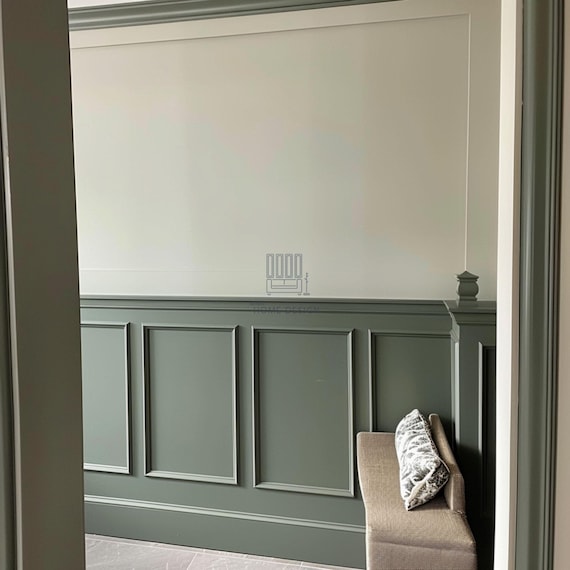
Use decorative panels to make one wall stand out. Accent walls add interest without overwhelming a room.
Place panels behind furniture or art. This guides the eye and creates a clear focal point.
- Choose a wall visible from most of the room
- Use bold designs or colors for impact
- Keep other walls simple to highlight the accent
- Light the accent wall to enhance details
Credit: www.etsy.com
Maintenance And Care Tips
Diy decorative wall panels add style to any room. Keeping them clean and well cared for helps them last longer.
Simple maintenance can keep your panels looking fresh and new. Follow these easy tips to care for your wall panels.
Cleaning Techniques
Dust your wall panels regularly using a soft cloth or duster. This stops dirt from building up on the surface.
For deeper cleaning, use a damp cloth with mild soap. Avoid harsh chemicals that can damage the panel finish.
- Use a microfiber cloth for dusting
- Dampen cloth slightly for stains
- Dry panels immediately after cleaning
- Test cleaning solution on a small spot first
Repairing Damages
Small scratches or dents can be fixed with wood filler or putty if your panels are wooden. Match the color carefully.
For plastic or PVC panels, use a gentle adhesive to reattach loose parts. Replace broken panels if the damage is too big.
- Fill scratches with color-matched putty
- Sand lightly after filler dries
- Use glue for loose pieces
- Replace panels if repair is not possible
Long-term Upkeep
Keep your wall panels away from direct sunlight to prevent fading. Avoid placing them where moisture is high.
Check panels regularly for signs of damage. Early care helps keep your decorative walls looking great for years.
- Avoid exposure to direct sunlight
- Keep panels dry and well-ventilated
- Inspect panels every few months
- Clean and repair as soon as needed
Budget-friendly Tips
Decorative wall panels can change a room’s look without spending much. You can create stylish panels on a small budget.
These tips help you save money while making your walls stand out. Simple ideas work best for DIY projects.
Sourcing Affordable Materials
Look for materials that cost less but still look good. Check local stores, online shops, and recycled goods.
Some cheap materials to consider are plywood, MDF, and reclaimed wood. Paint can also change the look easily.
- Visit thrift stores and salvage yards for wood and panels
- Buy leftover paint or sample pots for small projects
- Use foam boards or cardboard for light, decorative panels
- Shop clearance sales at hardware stores
Diy Vs. Professional Help
Doing the project yourself saves money but takes time and effort. Professionals cost more but deliver quality fast.
If you have basic tools and skills, DIY is a good choice. Hire a pro if the design is complex or needs special tools.
- DIY lets you control costs and customize freely
- Professionals can ensure a perfect finish and safety
- Mix both: do simple parts yourself, get help for tricky steps
Maximizing Impact With Minimal Cost
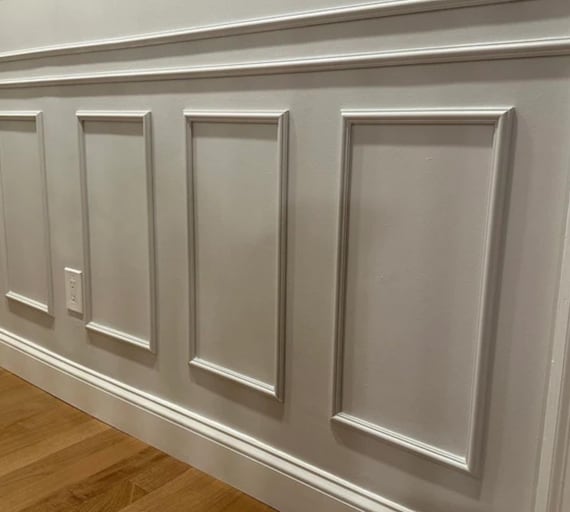
Focus on small areas to create a big effect. Use patterns, paint, or textures to add style without much expense.
Simple shapes and repeat designs make panels look more expensive than they are. Add lighting to highlight your work.
- Paint panels in bold or contrasting colors
- Use stencils or stamps to add texture
- Place panels on one wall to create a feature area
- Use cheap LED strips to light up panels
Credit: www.etsy.com
Frequently Asked Questions
What Are Diy Decorative Wall Panels?
DIY decorative wall panels are customizable materials used to enhance interior walls. They add texture, color, and style to any space. You can create them using wood, fabric, or other materials. They’re an affordable way to elevate home aesthetics and can be tailored to match various design themes.
How Do I Install Wall Panels Myself?
To install wall panels, measure your wall and cut panels to fit. Use adhesive or nails to secure them. Ensure panels are level and aligned. This process is straightforward and requires basic tools, making it accessible for most DIY enthusiasts.
Always follow safety guidelines when installing.
What Materials Are Best For Wall Panels?
Popular materials for DIY wall panels include wood, MDF, and fabric. Wood offers a natural look, MDF is versatile and easy to paint, and fabric adds softness. Choose materials based on your desired aesthetic and budget. Each material offers unique benefits, catering to different design preferences.
Can Wall Panels Improve Room Acoustics?
Yes, wall panels can enhance room acoustics by reducing echoes. Materials like fabric or foam panels absorb sound, improving audio quality. This is especially beneficial in home theaters or music rooms. Besides aesthetics, wall panels serve a functional purpose, enhancing the overall comfort of a space.
Conclusion
DIY decorative wall panels bring style to any room. They add texture and color with simple steps. You can choose materials that fit your budget and taste. These panels make walls look fresh and unique. Creating them yourself saves money and feels rewarding.
Try different designs to match your space perfectly. Small changes can make a big difference in your home. Start your project today and enjoy a new look.