
Your living room rug can change everything. It sets the mood, ties your furniture together, and adds warmth to your space.
But placing it the right way can be tricky. Are you struggling to find the perfect spot for your rug? Or unsure about the size and shape that will work best? You’re not alone. This article will give you simple, practical ideas to place your rug like a pro.
By the end, you’ll know exactly how to transform your living room with just one key piece. Keep reading to discover fresh, easy rug placement tips that fit your style and space perfectly.
Credit: ruggallery.net
Choosing The Right Rug Size
Choosing the right rug size makes your living room look balanced. A rug that fits well ties the space together.
Too small or too large rugs can make the room feel off. Measure your space before buying a rug.
Measuring Your Living Room
Start by measuring the floor space in your living room. Use a tape measure and note the length and width.
Measure the seating area where you want the rug. This helps you find a rug that fits under furniture.
- Measure from wall to wall for total room size
- Measure seating area including sofas and chairs
- Note space around furniture for walking paths
Rug Sizes For Different Layouts
Choose rug sizes based on your furniture layout. Different setups need different rug sizes.
Here are common rug sizes and how they fit in living rooms:
| Rug Size | Placement | Room Layout |
|---|---|---|
| 5×8 feet | Under coffee table only | Small seating areas or apartments |
| 8×10 feet | Under sofa and chairs, front legs on rug | Medium living rooms with standard furniture |
| 9×12 feet | All furniture fully on rug | Large living rooms with open layouts |
| Runner rugs | In narrow spaces or between furniture | Hallways or long seating areas |

Credit: www.thecraftyhacks.com
Popular Rug Shapes And Their Effects
Choosing the right rug shape can change how your living room feels. Different shapes create different moods and help organize space.
Let’s explore three popular rug shapes and how each affects your living room design.
Rectangular Rugs
Rectangular rugs are the most common choice for living rooms. They fit well under furniture like sofas and coffee tables.
This shape helps define seating areas and adds a structured look to the room. Rectangular rugs also make the space feel longer or wider.
- Works well with traditional furniture layouts
- Creates clear zones in open spaces
- Can make rooms appear larger or cozier
Round Rugs
Round rugs add softness and flow to a living room. They break up straight lines and bring a casual vibe.
This shape works great under round tables or in small seating areas. Round rugs invite people to gather closer together.
- Soften sharp corners in a room
- Create a focal point under circular furniture
- Ideal for small or awkward spaces
Square Rugs
Square rugs offer a balanced look and feel. They suit symmetrical furniture arrangements and smaller rooms.
Square rugs help anchor the furniture and add a neat, tidy appearance. They work well in cozy corners or under coffee tables.
- Enhance symmetry in room design
- Fit well in compact living spaces
- Highlight a specific seating area
Placement Strategies For Furniture
Choosing the right rug placement can change how your living room feels. The way you place your furniture on or around the rug helps create balance and style.
These strategies guide you on how to position furniture with rugs. Each style offers a different look and comfort level.
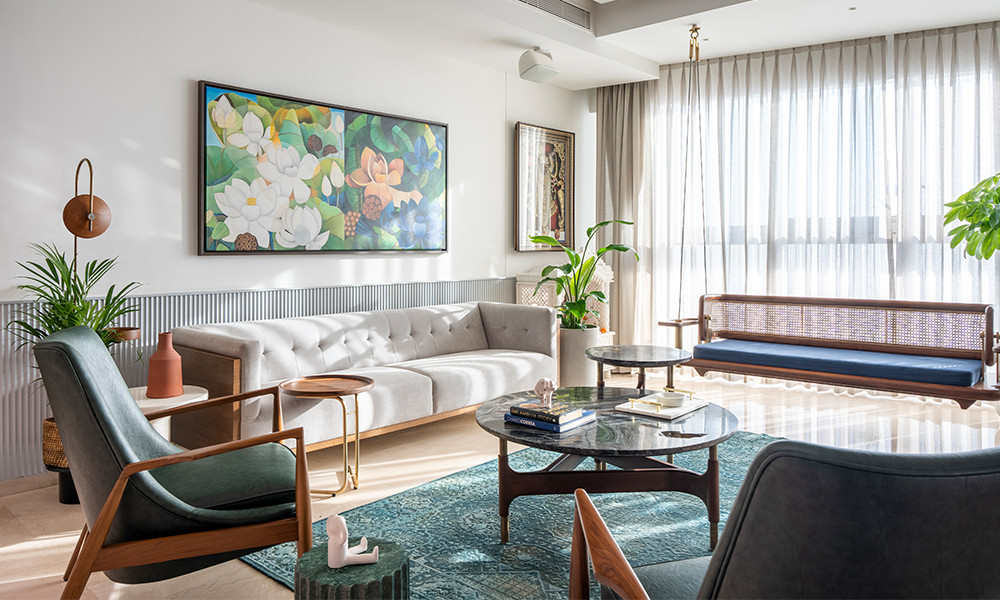
All Furniture On The Rug
This style puts all main furniture pieces fully on the rug. It creates a unified and cozy seating area.
Make sure the rug is large enough to fit every piece. This includes sofas, chairs, and coffee tables.
- Use a rug that extends beyond all furniture edges
- Helps the room feel connected and grounded
- Works well in bigger living rooms
- Keeps furniture stable on the rug
Front Legs On The Rug
Place only the front legs of sofas and chairs on the rug. The back legs stay off the rug on the floor.
This look balances between a large and small rug. It gives a neat and open feel without a huge rug.
- Choose a rug big enough for front legs only
- Creates a clear seating area without full coverage
- Works well in medium rooms
- Keeps the space feeling open
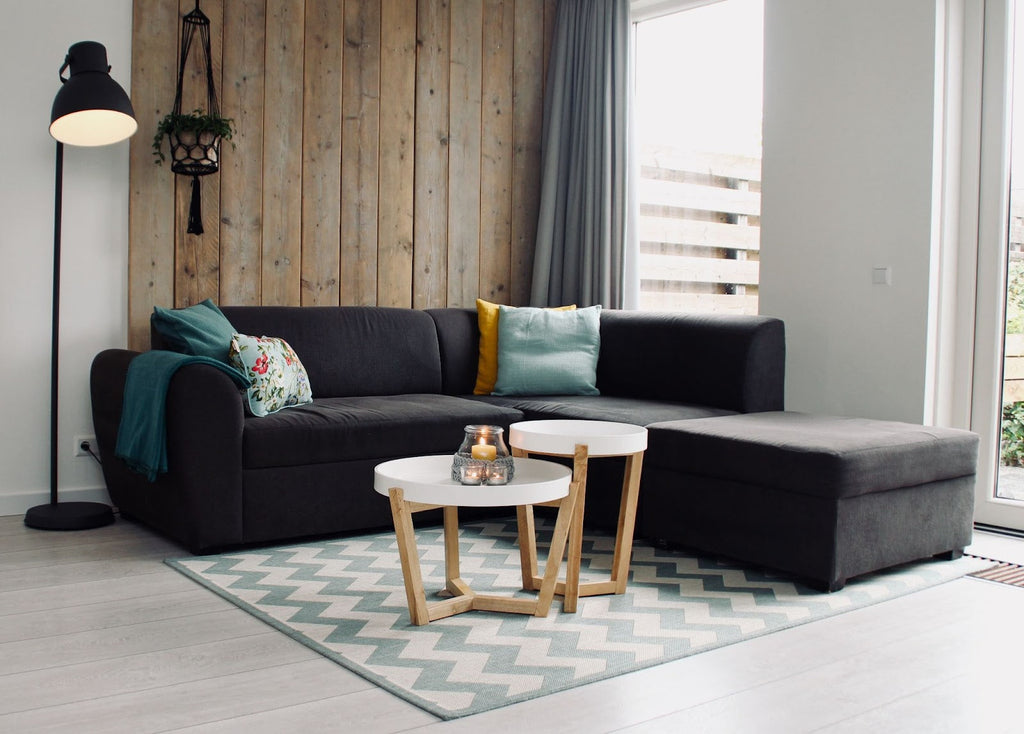
Rug As A Centerpiece
Use the rug to draw attention to the center of the room. Place furniture around the edges of the rug, not on it.
This style works well with smaller rugs. It makes the rug a focal point and adds texture or color.
- Choose a smaller rug with bold patterns or colors
- Arrange furniture just outside the rug edges
- Highlights the rug as an art piece
- Good for small or casual living rooms
Credit: www.jaipurrugs.com
Layering Rugs For Depth
Layering rugs adds depth and warmth to a living room. It creates a cozy and inviting space.
Using more than one rug lets you play with size, texture, and color. This style works well in modern homes.
Mixing Textures
Mixing different rug textures makes the room feel rich and interesting. Combine soft and rough surfaces for contrast.
For example, place a smooth wool rug under a fluffy sheepskin. This gives a nice touch underfoot and looks stylish.
- Pair natural fibers with synthetic ones
- Use flatweave rugs with shaggy or plush rugs
- Try jute or sisal with soft cotton rugs
Combining Patterns
Combining different rug patterns adds visual interest. Choose patterns that balance each other without clashing.
Mix small and large patterns or use geometric shapes with organic designs. Keep the colors in the same palette.
- Use a large patterned rug as a base
- Add a smaller rug with a simpler pattern on top
- Match colors to unify the look
Color And Pattern Coordination
Choosing the right color and pattern for your living room rug can change the whole look. Rugs bring warmth and style to the space.
Think about the colors and patterns in your room before picking a rug. Matching them well creates a balanced and cozy feel.
Matching With Decor
Match your rug colors with your furniture and walls. This helps the room look connected and neat.
Use colors from pillows, curtains, or artwork to guide your rug choice. Patterns can also reflect other designs in the room.
- Pick one or two main colors from the room for the rug
- Repeat patterns found in cushions or curtains
- Choose rugs that balance the room’s style
Bold Vs. Neutral Choices
Bold rugs add energy with bright colors or big patterns. They become the room’s focus.
Neutral rugs use soft colors and simple patterns. They make the space calm and easy to match.
- Bold rugs: reds, blues, geometric or floral designs
- Neutral rugs: beiges, grays, light patterns or plain colors
- Use bold rugs in simple rooms for contrast
- Use neutral rugs in busy rooms for balance
Rug Materials And Maintenance
Choosing the right rug material affects how long it lasts and how easy it is to clean. Some materials are strong and can handle busy rooms.
Keeping your rug clean helps it look good for years. You need to know the best ways to care for different rug types.
Durable Options
Rugs made from natural fibers like wool are very strong. Wool resists stains and holds color well. Synthetic rugs, like nylon and polypropylene, are also tough. They handle heavy traffic and are less likely to fade.
- Wool rugs are soft and long-lasting
- Nylon rugs resist wear and tear
- Polypropylene rugs dry quickly and resist stains
- Jute and sisal rugs add texture but wear faster
Cleaning Tips
Vacuum your rug often to remove dirt and dust. Clean spills quickly to avoid stains. Use mild soap and water for most rugs. Avoid harsh chemicals that can damage fibers.
- Vacuum weekly to prevent dirt buildup
- Blot spills immediately with a clean cloth
- Use mild detergent for spot cleaning
- Rotate rugs to even out wear
- Deep clean with professional services yearly
Incorporating Rugs In Open-plan Spaces
Open-plan living rooms combine different areas into one space. Rugs help create comfort and style in these large rooms.
Using rugs smartly can make the space feel organized and inviting. They add texture and color to the floor.
Defining Zones
Rugs can separate different parts of an open-plan room. They mark areas like the seating space or dining spot.
Choose rug sizes that fit the furniture in each zone. This helps each area feel distinct yet part of the whole.
- Place a large rug under the sofa and chairs in the living area
- Use a smaller rug under the dining table to set it apart
- Match rug shapes to the furniture layout for balance
Visual Flow
Rugs guide the eye across the room and connect zones visually. Choose rugs that share colors or patterns.
This creates harmony and smooth movement between spaces. Avoid rugs that clash or break the room’s look.
- Pick rugs with similar tones for a unified feel
- Use simple patterns to avoid visual clutter
- Overlap rugs slightly to link areas softly
Frequently Asked Questions
How Do I Choose The Right Rug Size?
Choosing the right rug size depends on your living room dimensions. Ideally, a rug should extend under all major furniture pieces. It should create a cohesive look by anchoring the space. Measure your seating area and choose a rug that allows furniture legs to rest comfortably on it.
Where Should A Rug Be Placed In A Living Room?
Place the rug in the center of your seating area. Ensure the front legs of your furniture rest on the rug. This creates a balanced and inviting space. The rug should complement your room’s layout and enhance the overall aesthetic.
Can A Rug Be Too Small For A Living Room?
Yes, a small rug can disrupt the room’s balance. It can make your space look fragmented. Ensure the rug is large enough to accommodate key furniture. A properly sized rug helps unify the room and provides a harmonious appearance.
What Rug Shapes Work Best In Living Rooms?
Rectangular rugs are most common for living rooms. They align well with standard furniture arrangements. However, circular or oval rugs can add an interesting touch. Choose a shape that complements your room’s design and enhances visual interest.
Conclusion
Choosing the right rug placement can change your living room’s feel. It ties the furniture and space together nicely. Rugs add warmth and color to plain floors. Try different layouts to see what fits best. Keep size and shape in mind for balance.
A well-placed rug makes your room cozy and inviting. Small changes create big style improvements. Enjoy experimenting with these simple ideas today. Your living room will look fresh and comfortable.
