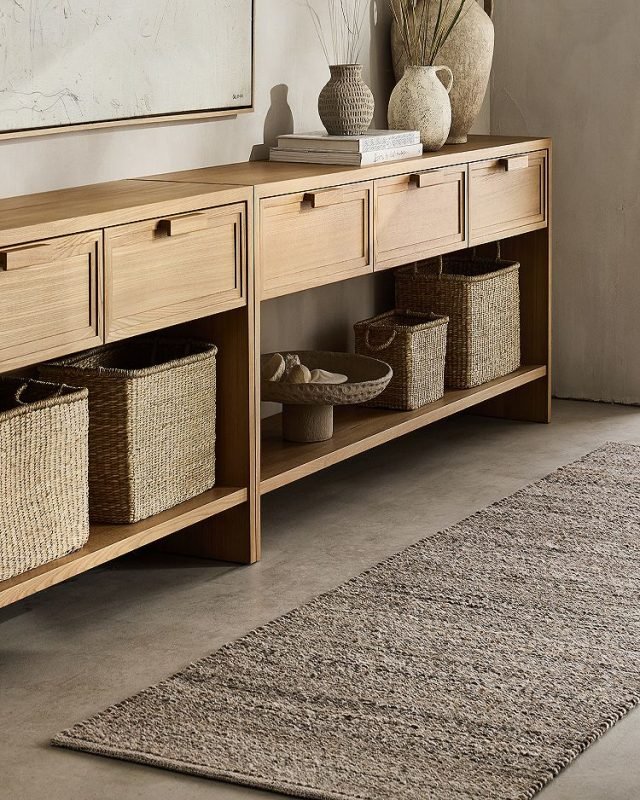
Your kitchen is more than just a place to cook—it’s where memories are made and comfort begins. Adding the right rustic kitchen rug can transform your space, making it warm, inviting, and uniquely yours.
But how do you choose and arrange rugs that enhance your kitchen’s charm without overcrowding it? You’ll discover simple, creative ideas to arrange rustic rugs that blend style and function perfectly. Ready to bring cozy elegance to your kitchen floor?
Let’s dive in and inspire your next design move.
Choosing Rug Materials
Choosing the right rug material is key for a rustic kitchen look. It affects the feel and style of your space.
Rug materials vary in texture, durability, and ease of cleaning. Pick one that suits your lifestyle and kitchen use.
Natural Fibers For Rustic Charm
Natural fiber rugs add a warm, earthy feel to rustic kitchens. They blend well with wood and stone elements.
Materials like jute, sisal, and wool bring texture and character. They often have unique weaves and patterns.
- Jute rugs offer a coarse, natural look
- Sisal rugs are strong and textured
- Wool rugs feel soft and cozy underfoot
Durability And Comfort
Kitchen rugs need to handle foot traffic and spills. Durable materials last longer and stay attractive.
Comfort matters too, especially if you stand long while cooking. Choose rugs with a soft surface and firm backing.
- Wool resists wear and feels soft
- Sisal and jute are tough but less cushioned
- Look for rugs with non-slip backing for safety
Easy-to-clean Options
Kitchens can get messy, so easy cleaning is a must. Some rug materials handle stains better than others.
Choose rugs that can be spot cleaned or washed. Low-pile rugs usually clean faster and hold less dirt.
- Wool rugs resist stains naturally
- Flat-weave jute and sisal rugs dry quickly
- Machine-washable rugs save time and effort
Colors And Patterns
Choosing the right colors and patterns can change the look of a rustic kitchen rug. These choices add warmth and style to the kitchen space.
Rugs can bring out a cozy feeling with colors and patterns that match rustic decor. Let’s explore some ideas.
Earthy Tones And Warm Hues
Earthy tones like brown, beige, and olive green blend well in rustic kitchens. They make the space feel natural and calm.
Warm hues such as rust, mustard yellow, and deep red add a cozy and inviting touch. These colors bring life without being too bright.
- Brown shades match wooden floors and cabinets
- Beige and cream soften the look
- Olive green connects with plants and nature
- Rust and deep red create warmth
- Mustard yellow adds gentle brightness
Traditional Vs. Modern Patterns
Traditional patterns like florals and classic stripes suit rustic kitchens well. They add a familiar and timeless feel.
Modern patterns use geometric shapes and simple lines. They bring a fresh look while keeping the rustic charm.
- Traditional: floral, paisley, stripes
- Modern: chevrons, triangles, grid lines
- Traditional patterns feel cozy and homey
- Modern patterns feel clean and simple
Mixing Patterns For Visual Interest
Mixing patterns can make your kitchen rug stand out. Use different shapes and sizes to create a lively look.
Keep colors similar to avoid clashing. Combine stripes with florals or geometric shapes with simple dots.
- Pair small patterns with larger ones
- Use the same color family for harmony
- Mix traditional and modern designs carefully
- Balance busy patterns with plain rugs nearby
Rug Placement Tips
Choosing the right spot for your kitchen rug can change the room’s feel. A well-placed rug adds warmth and comfort.
Think about where you spend the most time in the kitchen. This helps you pick the best rug location.
Defining Work Zones
Work zones are areas where you cook, prep, or clean. Placing rugs in these spots makes standing easier.
Put rugs near the sink, stove, or prep counters. This keeps your feet comfortable during chores.
- Near the sink for washing dishes
- In front of the stove for cooking
- At prep areas for chopping and mixing
Balancing Space And Flow
Make sure rugs don’t block walking paths. Leave enough room to move freely around the kitchen.
Choose rug sizes that fit your kitchen’s shape. Avoid large rugs that crowd the space.
- Keep rugs away from cabinet doors
- Leave clear paths between appliances
- Pick rugs that fit under tables or islands
Layering Rugs For Texture
Layering rugs adds depth and charm to your kitchen floor. Use different textures and sizes for interest.
Start with a large, flat rug and add smaller rugs on top. This creates a cozy, rustic look.
- Use natural fibers like jute or wool underneath
- Add smaller patterned rugs for color
- Mix soft and rough textures for contrast
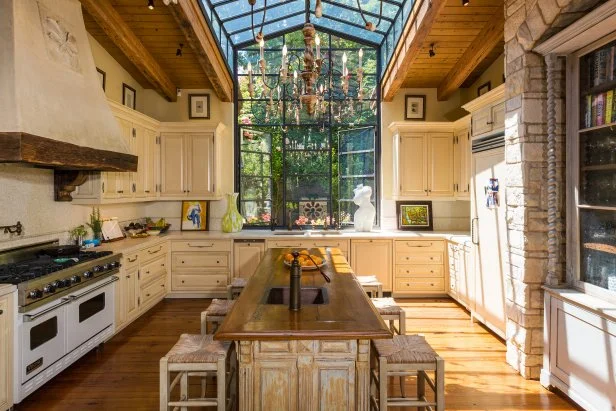
Credit: www.hgtv.com
Styling With Rustic Decor
A rustic kitchen rug adds warmth and charm to your cooking space. It brings a cozy feel that matches rustic decor styles.
Using the right rug arrangement helps highlight natural materials and vintage touches in your kitchen.
Complementing Wood And Stone Elements
Rustic kitchens often feature wood cabinets and stone countertops. Choose rugs with earthy tones to blend with these materials.
Patterns with natural textures or simple designs work well with wood and stone surfaces.
- Use rugs in browns, beiges, or muted greens
- Pick natural fibers like jute or wool
- Choose simple patterns to avoid clashing
Incorporating Vintage Accents
Vintage accents add character to rustic kitchens. Rugs with faded colors or classic patterns enhance this look.
Pair rugs with old-fashioned kitchen tools or antique furniture for a unified style.
- Look for rugs with worn or distressed looks
- Match rug colors to vintage metal or ceramic items
- Use rugs that remind you of old farmhouse styles
Matching Textiles And Accessories
Coordinate your kitchen textiles with the rug to create a balanced look. Towels, curtains, and cushions should complement the rug’s colors.
Adding rustic accessories like woven baskets or wooden bowls ties the look together.
- Choose textiles in similar shades or patterns
- Use natural materials like cotton or linen
- Add wooden or metal accessories for texture
Maintenance And Longevity
Rustic kitchen rugs add warmth and charm to your space. To keep them looking good, proper care is key.
Regular maintenance helps rugs last longer and stay fresh. Learn simple tips to protect your rustic rug.
Cleaning Techniques For Rustic Rugs
Clean your rustic rugs often to avoid dirt buildup. Use gentle methods to keep fibers soft and intact.
Vacuum regularly without the beater bar. Spot clean spills quickly using mild soap and water.
- Shake or beat rugs outside to remove dust
- Use a soft brush for stubborn dirt
- Avoid harsh chemicals and bleach
- Dry rugs flat to prevent warping
Preventing Wear And Tear
Place rugs in low-traffic areas to reduce damage. Use rug pads to stop slipping and add cushioning.
Keep rugs away from direct sunlight to avoid fading. Rotate rugs often to spread out wear evenly.
- Use non-slip pads under rugs
- Lift rugs when moving furniture
- Trim loose threads to stop unraveling
- Address stains immediately
Seasonal Rug Rotation Ideas
Change your rustic rugs with the seasons to keep your kitchen fresh. Rotate lighter rugs in summer, heavier ones in winter.
Store unused rugs rolled and in a dry place. This prevents creases and mold during off seasons.
- Switch rugs every 3 to 6 months
- Clean rugs before storing
- Use breathable storage bags
- Check stored rugs for pests

Credit: www.aol.com
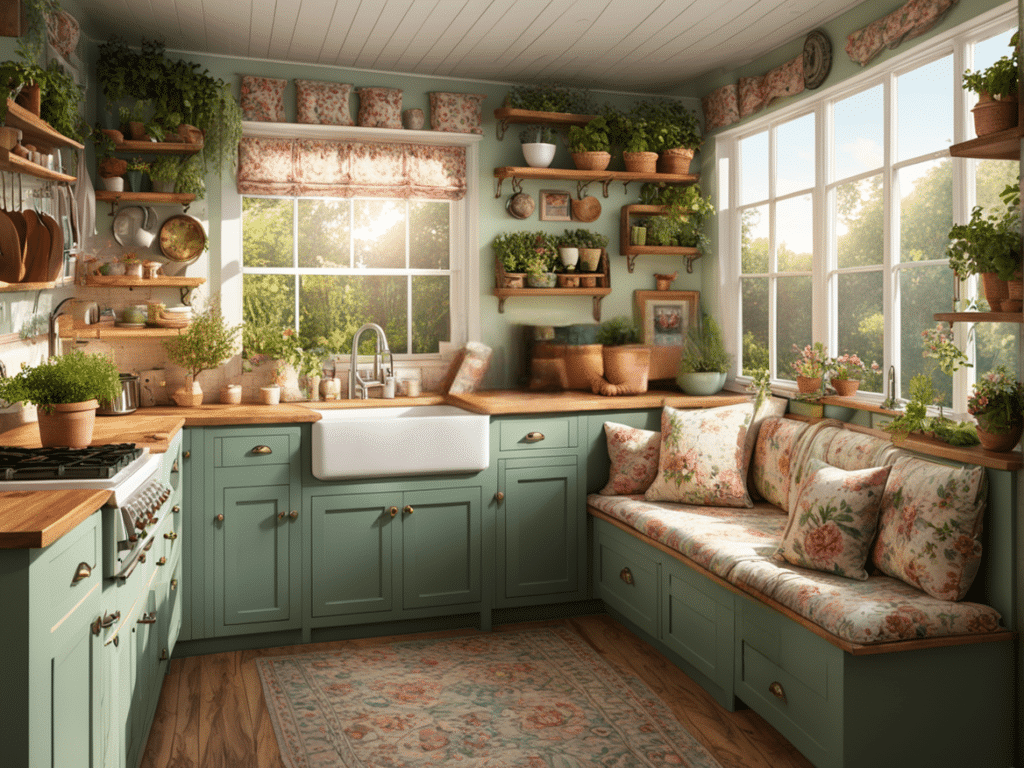
Credit: cardinalmemorials.com
Frequently Asked Questions
What Is A Rustic Kitchen Rug?
A rustic kitchen rug embodies a natural, vintage aesthetic. It often features earthy tones and traditional patterns. These rugs enhance the warmth and charm of a rustic kitchen. They are perfect for adding comfort and style to your kitchen space.
How To Choose A Rustic Kitchen Rug?
Choose a rustic kitchen rug based on size, material, and design. Consider durable materials for high-traffic areas. Natural fibers like wool or jute work well. Look for patterns that complement your kitchen’s rustic theme.
Where Should I Place Kitchen Rugs?
Place kitchen rugs in high-traffic areas like the sink or stove. This adds comfort and reduces fatigue. Rugs can also enhance the aesthetic appeal. Ensure they don’t obstruct kitchen pathways. Proper placement can also help protect floors from spills and wear.
Are Rustic Rugs Easy To Clean?
Yes, most rustic rugs are easy to clean. Regular vacuuming and spot cleaning help maintain them. Choose rugs with stain-resistant materials for easier upkeep. Check the care instructions provided by the manufacturer for best results.
Conclusion
Rustic kitchen rugs bring warmth and charm to any space. They add color, texture, and a cozy feel. Choosing the right rug ties your kitchen’s look together. Mix patterns and materials to create a unique style. Small rugs work well near sinks or stoves.
Layering rugs adds depth and comfort underfoot. Keep rugs clean to maintain their beauty and function. Rustic rugs make kitchens feel welcoming and lived-in. Try different arrangements until you find what feels right. Simple changes can refresh your kitchen’s entire atmosphere.
