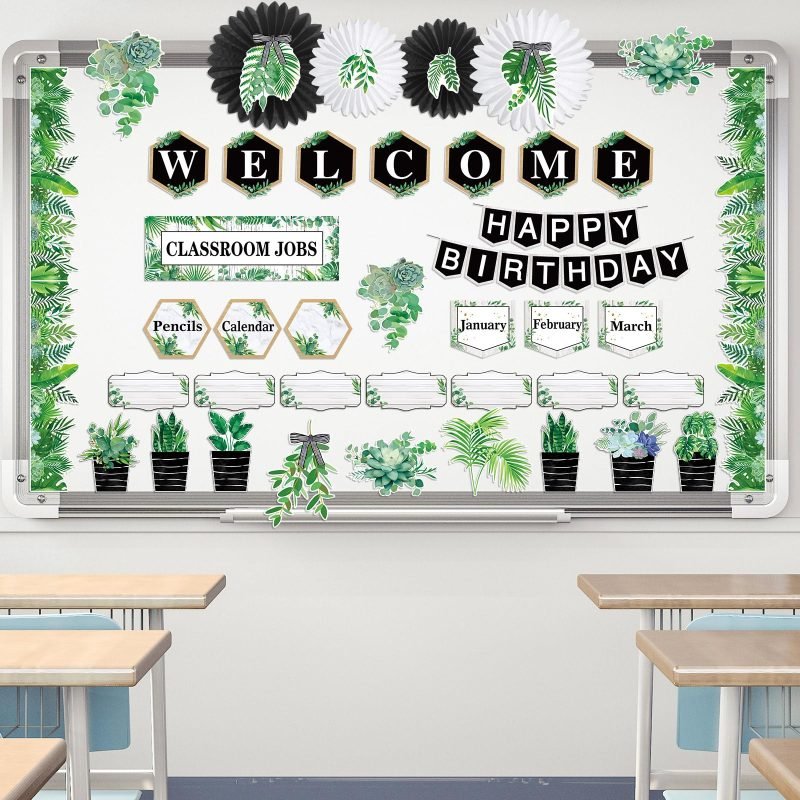
Are you looking to bring the outdoors inside your classroom? Nature classroom decorations can transform your learning space into a calm, inspiring environment.
Imagine your students feeling more relaxed and curious just by the colors and elements around them. You’ll discover simple, creative ideas that make your classroom feel alive and welcoming. Ready to see how nature can boost focus and creativity? Keep reading to find out!

Credit: www.teacherspayteachers.com
Nature-inspired Themes
Decorating a classroom with nature themes brings calm and curiosity. It helps students connect with the world around them.
Using different nature settings can make learning fun and fresh. Themes like forests, oceans, gardens, and deserts offer many ideas.
Forest And Woodland
Forest and woodland themes use trees, animals, and plants found in woods. They create a cozy and adventurous feel.
- Tree cutouts on walls
- Animal pictures like deer and owls
- Leaf garlands around windows
- Wooden textures in furniture
- Nature sounds for background
Ocean And Beach
Ocean and beach themes bring a bright, fresh vibe. Blue and sandy colors help create a calm space for learning.
| Decoration | Description |
| Seashells | Glue or hang real or paper shells |
| Fish Cutouts | Colorful fish on walls or hanging |
| Blue Curtains | Light blue fabric to mimic water |
| Beach Rugs | Soft rugs in sandy shades |
Garden And Flowers
Garden and flower themes add bright colors and life. They bring a fresh and cheerful mood to the room.
Flower Craft Ideas
- Paper flower chains for ceilings
- Painted pots with real plants
- Flower-shaped bulletin boards
- Colorful flower stickers on desks
Desert And Cacti
Desert and cacti themes use warm colors and simple shapes. They offer a unique and calm classroom look.
- Cactus-shaped pillows or cushions
- Sand-colored wall decals
- Small potted succulents on shelves
- Sun and moon mobiles hanging from the ceiling
Diy Nature Decor
Creating decorations from natural materials brings the outdoors inside. It is a fun and eco-friendly way to decorate classrooms. Kids enjoy making crafts using leaves, flowers, and rocks.
These projects help children learn about nature and develop creativity. Simple supplies and a little time can make beautiful, unique decorations.
Leaf And Pinecone Crafts
Leaves and pinecones are easy to find and use for many craft ideas. You can glue leaves to paper to make patterns or create pinecone animals with paint and googly eyes.
- Collect various leaves and press them flat
- Paint pinecones to look like birds or owls
- Make leaf garlands by stringing leaves on twine
- Create leaf rubbings with crayons and paper
Pressed Flower Displays
Pressed flowers keep their color and shape for a long time. They make lovely displays on cards or framed art. Children can press flowers between heavy books for a week or more.
| Flower Type | Pressing Time | Best Use |
| Daisy | 7 days | Card decoration |
| Violet | 10 days | Bookmarks |
| Marigold | 5 days | Wall art |
Natural Material Mobiles
Mobiles made with sticks, leaves, and feathers add a natural touch to any room. They move gently with the air and catch the light. Making a mobile helps kids develop fine motor skills.
To make a simple natural mobile:
- Find a sturdy stick as the base
- Attach strings of different lengths
- Tie leaves, feathers, or small pinecones to the strings
- Hang the mobile from the ceiling or a hook
Rock Painting Projects
Painting rocks lets children express their creativity with simple tools. Painted rocks can be used as paperweights or garden decorations. Use non-toxic paint for safety.
- Choose smooth, flat rocks for easier painting
- Sketch designs lightly with pencil
- Use bright colors to make patterns or animals
- Seal painted rocks with clear varnish to protect art
Interactive Learning Spaces
Creating nature-themed classrooms helps students learn better. Hands-on spaces engage them in exploring the world.
These spaces make lessons fun and encourage curiosity about plants, animals, and weather.
Nature Observation Corners
Observation corners let students watch real plants and insects. They learn about growth and behavior by watching closely.
Include magnifying glasses, notebooks, and pictures to help students record what they see.
- Small terrariums with plants or insects
- Magnifying glasses for detailed viewing
- Journals to draw and write observations
- Photo charts showing plant growth stages
Indoor Plant Stations
Indoor plant stations teach students how to care for living things. They see how plants grow with water and light.
Students can take turns watering and measuring plants to learn responsibility and science facts.
- Various easy-care plants like succulents and ferns
- Watering cans and soil for hands-on care
- Growth charts to track plant height over time
- Labels with plant names and facts
Weather And Seasons Boards
Weather boards show daily changes in temperature and sky conditions. Students learn how weather affects nature.
Season boards display changes in plants and animals throughout the year. They help students understand cycles in nature.
- Daily weather charts with temperature and symbols
- Seasonal pictures showing trees and animals
- Interactive parts like movable weather icons
- Simple explanations of weather terms
Wildlife And Habitat Zones
Habitat zones show where animals live and what they need to survive. Students learn about different ecosystems.
Use models and pictures to explain forests, deserts, wetlands, and more. This helps students see nature’s variety.
- Animal figurines grouped by habitat
- Maps showing habitat locations
- Descriptions of food, shelter, and climate
- Hands-on activities like building simple habitats

Credit: www.teacherspayteachers.com
Using Colors And Textures
Decorating a nature classroom with colors and textures can make learning more fun. These elements bring the outdoors inside and create a calm space.
Using natural colors and materials helps students feel connected to the environment. Textures add interest and help children explore by touch.
Earth Tones And Natural Hues
Earth tones like browns, greens, and soft yellows work well in nature classrooms. They create a warm and inviting atmosphere.
Natural hues help students focus and feel calm. These colors reflect the outdoor world, making learning feel natural and easy.
Incorporating Wood And Stone
Wood and stone add real elements from nature into the classroom. Using wooden shelves or stone decorations brings texture and strength.
These materials are durable and give the classroom a grounded feel. They also teach kids about natural resources and their uses.
Soft Fabrics And Natural Fibers
Soft fabrics like cotton and wool add comfort to the classroom. Natural fibers create a cozy space for reading or group time.
Using cushions, rugs, or curtains made from these fabrics helps children feel relaxed. These materials are safe and eco-friendly.
Textures From Nature
Adding textures from nature, like leaves, pinecones, or bark, makes the classroom interesting. Children enjoy touching and exploring these items.
These textures also support sensory learning. Displaying natural objects helps students learn about different plants and materials.
Seasonal Nature Decor
Decorating a classroom with nature themes helps students feel calm and curious. Using seasonal elements brings fresh energy each term.
Seasonal nature decor connects children to the outdoors. It shows how plants and weather change all year.
Spring Blossoms And Buds
Spring decorations include flowers and new leaves. These items show growth and new beginnings.
Use pastel colors and soft shapes. Paper cherry blossoms or felt buds add a gentle touch.
- Cherry blossom cutouts
- Paper tulips and daffodils
- Green leaf garlands
- Felt buds on branches
Summer Sunshine And Fruits
Summer decorations focus on bright colors and ripe fruits. These items bring warmth and energy to the room.
Use yellow suns, watermelon slices, and green leaves. These shapes help children feel the summer season.
- Sun cutouts in yellow and orange
- Paper watermelons and berries
- Leaf and vine decorations
- Fruit baskets made from craft paper
Autumn Leaves And Harvest
Autumn decor uses warm colors like red, orange, and brown. Leaves and fruits from the harvest show the season’s gifts.
Display paper leaves and paper pumpkins. Add apples and corn shapes to highlight fall’s bounty.
- Maple and oak leaf cutouts
- Paper pumpkins and gourds
- Apple and corn decorations
- Harvest baskets with paper fruits
Winter Evergreens And Snow
Winter decorations include evergreens and snowflakes. These create a calm, cool feeling in the classroom.
Use green pine branches and white snowflakes. Cotton balls can add a soft snow effect.
- Paper pine trees and branches
- Cutout snowflakes in white and blue
- Cotton ball snow decorations
- Silver and blue accents for cold colors
Incorporating Technology
Technology can transform nature classrooms into exciting learning spaces. It helps students engage with the environment in new ways.
Using digital tools, students can explore plants, animals, and ecosystems. This makes learning about nature more interactive and fun.
Digital Nature Displays
Digital displays show high-quality images of nature. They can feature forests, oceans, and mountains, bringing the outdoors inside.
Teachers can use them to teach about different habitats. Students can observe the details of plants and animals up close.
Augmented Reality Plants
Augmented reality brings plants to life in the classroom. Students can see how plants grow and change over time.
Using tablets or smartphones, students explore plant structures in 3D. This helps them understand plant biology better.
Nature Soundscapes
Nature soundscapes add realistic sounds to the classroom. Birds chirping, water flowing, and leaves rustling create a natural atmosphere.
These sounds help students feel connected to nature. They can also improve focus and relaxation during learning activities.
Interactive Nature Apps
Interactive apps let students explore ecosystems virtually. They can learn about different species and their roles in the environment.
These apps often include games and quizzes. They make learning about nature both educational and entertaining.
Benefits Of Nature Decor
Decorating classrooms with nature themes can improve learning environments. These decorations bring the beauty of the outdoors inside.
Natural elements in classrooms provide many benefits for students. Let’s explore how nature decor can enhance learning experiences.
Boosting Creativity
Nature-themed decorations inspire creativity in students. They encourage imaginative thinking and problem-solving skills.
- Visualize stories with nature scenes
- Create art projects using natural materials
- Explore new ideas inspired by the environment
Enhancing Focus And Calm
Nature decor helps students concentrate better. It creates a calm atmosphere that reduces stress and anxiety.
Consider adding plants, which can improve air quality and focus.
Encouraging Environmental Awareness
Classrooms with nature themes teach students about the environment. They promote awareness and responsibility towards nature.
| Decoration | Environmental Lesson |
| Recycled materials | Sustainability |
| Plant care | Responsibility |
| Nature art | Creativity with conservation |
Supporting Hands-on Learning
Nature decor encourages hands-on activities. These experiences help students learn by doing and exploring.
- Plant a classroom garden
- Build simple bird feeders
- Organize nature scavenger hunts

Credit: www.teacherspayteachers.com
Frequently Asked Questions
What Are Popular Nature Classroom Decoration Ideas?
Popular ideas include leaf garlands, animal posters, and nature-themed bulletin boards. Use natural materials like pinecones, twigs, and flowers. Incorporate educational elements like plant life cycles and weather charts to enhance learning.
How Can Nature Decorations Improve Classroom Learning?
Nature decorations create a calming environment that boosts focus and creativity. They encourage curiosity about the outdoors and promote hands-on learning. Visual aids help students connect lessons to real-world nature concepts effectively.
What Materials Work Best For Nature-themed Decorations?
Use eco-friendly and natural materials like recycled paper, wood, and fabric. Incorporate real leaves, stones, and flowers to add texture. These materials are safe, sustainable, and reinforce the theme authentically.
How Do I Make Nature Decorations Engaging For Students?
Involve students in collecting natural items and crafting decorations. Use interactive displays like plant growth charts or wildlife tracking boards. Hands-on activities make learning fun and deepen their connection with nature.
Conclusion
Nature classroom decorations bring life and calm to learning spaces. They help students feel closer to the outdoors. Using natural elements sparks curiosity and creativity. Simple items like leaves, stones, and plants make big impacts. These decorations create a warm and inviting atmosphere.
Teachers can change the look easily with seasonal items. Kids enjoy a space that feels fresh and alive. Nature themes support learning about the environment. Small changes can make classrooms more fun and peaceful. Try adding nature touches to brighten your room today.