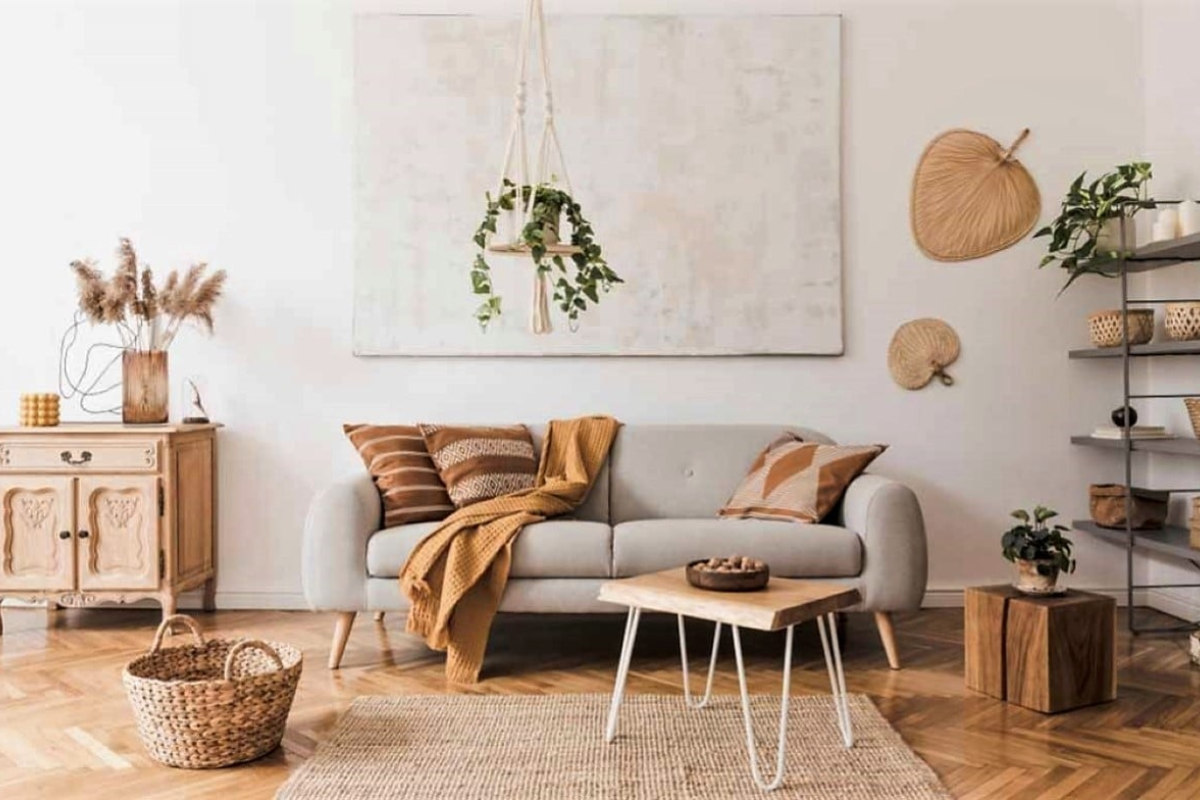
Are you ready to transform your living room into a calm, stylish space without the clutter? Decorating a minimalist living room isn’t just about having less—it’s about making every piece count.
Imagine walking into a room that feels open, inviting, and perfectly balanced. You’ll learn simple, practical tips to create that peaceful vibe while still expressing your personality. Keep reading to discover how you can make your living room a true sanctuary with minimalist design.

Credit: arterahome.com
Key Elements Of Minimalist Design
Minimalist design focuses on simplicity and function. It creates calm spaces by reducing clutter.
Using few colors, clean shapes, and useful furniture makes a room feel open and restful.
Neutral Color Palettes
Neutral colors like white, gray, and beige form the base of minimalist rooms. These colors do not distract and make spaces look bigger.
- Use soft whites for walls to brighten the room
- Add gray or taupe for subtle contrast
- Include natural tones like tan or light brown
- Keep colors consistent across furniture and decor
Clean Lines And Shapes
Minimalist rooms use simple, straight lines and smooth shapes. This avoids visual clutter and keeps the look neat.
Functional Furniture Choices
Choose furniture that serves a purpose. Avoid items that take space without use.
| Furniture Type | Function | Minimalist Feature |
| Sofa | Comfort seating | Simple shape, neutral color |
| Storage Bench | Seating and storage | Multi-use, clean lines |
| Coffee Table | Surface for items | Minimal design, no extra decor |
| Bookshelf | Organize books/items | Open design, no clutter |
Credit: www.extraspace.com
Choosing The Right Furniture
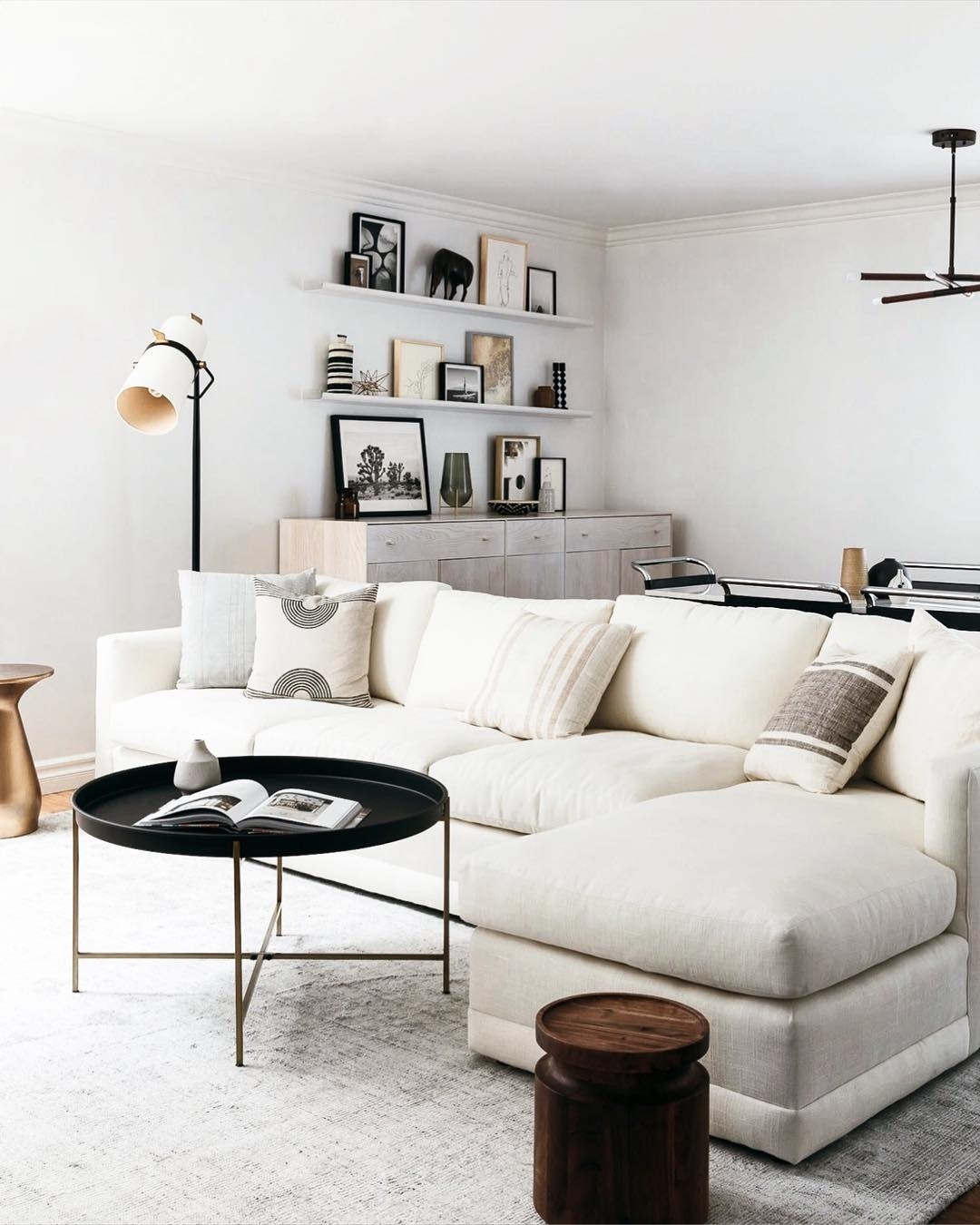
Decorating a minimalist living room means picking furniture that fits well and looks clean. The right pieces help keep the space open and calm.
Focus on furniture that serves more than one purpose and keeps the room simple. This way, your living room stays both useful and stylish.
Multi-purpose Pieces
Choose furniture that can do more than one job. This saves space and adds value to your room.
- A sofa bed for guests
- Ottomans with storage inside
- Tables that can extend or fold
- Benches with hidden compartments
Low-profile Sofas And Chairs
Pick sofas and chairs with low backs and slim legs. They keep the room looking open and light.
Simple shapes and neutral colors work best. Avoid big, bulky furniture that blocks sightlines.
Simple Storage Solutions
Storage should blend in and stay out of the way. Choose pieces that help keep clutter hidden.
| Storage Type | Benefits |
| Floating shelves | Free floor space |
| Built-in cabinets | Streamlined look |
| Under-sofa drawers | Hidden storage |
| Simple baskets | Easy access |
Maximizing Natural Light
Natural light makes a minimalist living room feel bright and open. It reduces the need for artificial lighting during the day.
Using smart design choices helps you bring in more sunlight. This improves the room’s mood and highlights simple decor.
Window Treatments
Choose light and sheer curtains to let sunlight enter the room easily. Avoid heavy drapes that block light.
- Use white or light-colored curtains
- Install blinds that can be fully opened
- Keep windows clean to allow more light
- Consider translucent shades for privacy without darkening
Mirrors And Reflective Surfaces
Mirrors bounce natural light around the room. Place them opposite windows for the best effect.
| Type | Placement | Effect |
| Large wall mirror | Across from window | Maximizes light spread |
| Small decorative mirrors | Grouped on wall | Adds sparkle and depth |
| Reflective furniture | Near light source | Enhances brightness |

Credit: arterahome.com
Incorporating Texture And Materials
Adding texture and materials makes a minimalist living room feel warm. It stops the space from looking too plain or cold.
Using different fabrics and natural elements adds interest while keeping the room simple and clean.
Natural Fabrics And Rugs
Natural fabrics like cotton, linen, and wool bring soft texture to your living room. They create a cozy and inviting feel.
Rugs made from natural materials add warmth underfoot. Choose simple patterns or solid colors to keep the minimalist look.
- Cotton cushions for softness
- Linen curtains for light texture
- Wool rugs for warmth and comfort
- Jute or sisal for a natural touch
Wood And Metal Accents
Wood accents add natural beauty and a warm tone. Choose light or medium wood finishes for a clean look.
Metal accents give a modern edge. Use them in small doses like lamp bases or table legs to keep balance.
- Wood coffee tables or shelves
- Metal light fixtures or frames
- Mixed wood and metal furniture
- Simple shapes with smooth finishes
Using Art And Accessories Sparingly
Decorating a minimalist living room means choosing fewer items with more impact. Art and accessories should not crowd the space.
Using art and accessories sparingly keeps the room calm and clean. It helps highlight what truly matters in the design.
Statement Pieces
Choose one or two statement pieces that draw attention. These could be a large painting, a unique sculpture, or a bold lamp.
- Pick art with simple shapes or few colors
- Keep frames thin and minimal
- Limit accessories to one type, like candles or vases
- Place items where they can stand out, such as on a side table or shelf
Greenery And Plants
Plants add life and freshness without clutter. Choose simple pots and limit the number of plants to keep the look clean.
| Plant Type | Care Level | Ideal Spot |
| Snake Plant | Low | Corner or shelf |
| Succulent | Low | Tabletop |
| Fiddle Leaf Fig | Medium | Near window |
Creating Open And Airy Layouts
A minimalist living room feels spacious and welcoming. It’s all about creating an open and airy layout.
Use these tips to make your living room look and feel larger. An open space helps you relax and enjoy your home.
Decluttering Techniques
Start by removing items you don’t use. A clutter-free room looks bigger and more inviting.
Store belongings in hidden spaces. This keeps your living room tidy and spacious.
- Use baskets for small items
- Choose furniture with storage options
- Donate or sell items you no longer need
Furniture Arrangement Tips
Arrange furniture to create pathways. This makes moving around easier and opens up the space.
Place furniture against the walls to maximize space. Keep the center open for an airy feel.
- Use multi-purpose furniture
- Keep seating low to the ground
- Choose pieces with sleek designs
Lighting For Ambiance
Lighting sets the mood in your living room. A minimalist approach focuses on simplicity and functionality.
Creating a warm and inviting atmosphere is key. Use different lighting techniques to achieve this.
Layered Lighting
Layered lighting uses multiple light sources. This creates depth and interest in the room.
Combine ambient, task, and accent lighting. This ensures your living room is both functional and stylish.
- Ambient lighting provides overall illumination
- Task lighting focuses on specific areas like reading nooks
- Accent lighting highlights artwork or architectural features
Minimalist Light Fixtures
Minimalist fixtures are sleek and simple. They blend with your living room’s decor without overwhelming it.
Choose fixtures with clean lines and neutral colors. This helps maintain a clutter-free environment.
- Pendant lights add elegance without bulk
- Wall sconces save space and add style
- Recessed lighting keeps ceilings uncluttered
Frequently Asked Questions
What Are The Key Elements Of A Minimalist Living Room?
Minimalist living rooms focus on simplicity, clean lines, and neutral colors. Essential elements include functional furniture, uncluttered spaces, and natural light. Keeping decor minimal enhances calmness and spaciousness in the room.
How To Choose Colors For A Minimalist Living Room?
Opt for neutral tones like white, gray, beige, or soft pastels. These colors create a clean and airy atmosphere. Avoid bold or bright colors that can overwhelm the minimalist aesthetic.
What Furniture Works Best In Minimalist Living Rooms?
Choose simple, functional furniture with sleek designs. Pieces should have clean lines and serve multiple purposes. Avoid bulky or overly decorative items to maintain an open, uncluttered feel.
How To Decorate Without Clutter In A Minimalist Living Room?
Use a few carefully selected decor items like a single artwork or a plant. Keep surfaces clear and avoid excessive accessories. Prioritize quality over quantity to keep the space serene and organized.
Conclusion
A minimalist living room feels calm and open. Choose simple furniture with clean lines. Use neutral colors to keep the space light. Add a few personal items to show your style. Keep surfaces clear and avoid clutter. Light and space make the room inviting.
Small changes can create big effects. Enjoy the peace that a minimalist room brings. It’s a space where you can relax and breathe. Simple, neat, and cozy—that’s the key.