Your hallway is more than just a passage—it’s the first impression guests get of your home. If you want to add charm and character without a full makeover, wainscoting could be the perfect solution.
Imagine transforming your plain hallway walls into stunning features that catch the eye and invite curiosity. You’ll discover easy and stylish wainscoting ideas that fit any space and budget. Ready to turn your hallway into a space that truly reflects your style?
Keep reading—you won’t want to miss these creative tips.
Credit: www.blesserhouse.com
Choosing Wainscoting Styles
Wainscoting adds charm and texture to hallways. It also protects walls from damage.
Choosing the right style helps match your home’s look. Each style creates a unique feel.
Classic Raised Panel
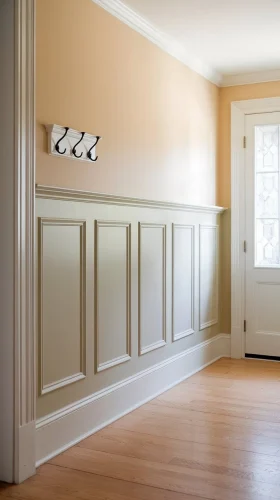
Classic raised panel wainscoting has a timeless look. It features panels that stand out from the frame.
This style suits traditional and elegant hallways. It adds depth and detail to plain walls.
Shaker Style
Shaker style wainscoting is simple and clean. It uses flat panels with square edges for a neat look.
This style fits modern or casual homes. It gives a fresh and uncluttered feel to hallways.
Beadboard Panels
Beadboard has narrow vertical planks with a small ridge between each. It creates a cozy and cottage feel.
This style works well in informal spaces. It is easy to paint and adds texture to walls.
Board And Batten
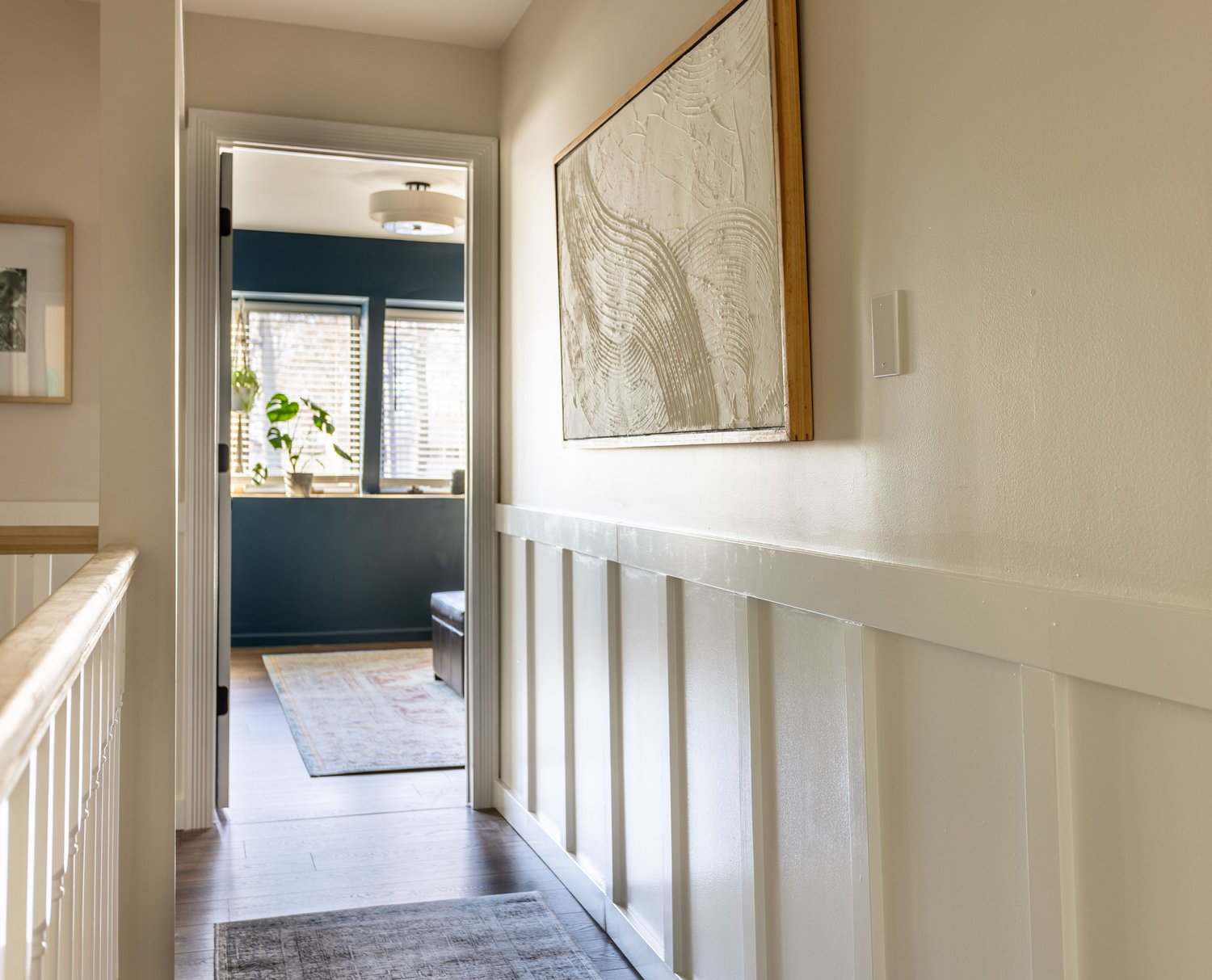
Board and batten uses wide boards with thin strips covering joints. It creates a bold and structured look.
This style suits farmhouse or rustic hallways. It adds a strong architectural element to the space.
Materials For Hallway Wainscoting
Wainscoting adds charm and protection to hallway walls. Choosing the right material is important for style and durability.
This guide covers popular materials used for hallway wainscoting. You will learn about wood, MDF, PVC, and reclaimed wood.
Wood Types And Finishes
Wood is a classic choice for wainscoting. It offers warmth and natural beauty. Common woods include oak, pine, and maple.
- Oak is strong and has a beautiful grain.
- Pine is soft, easy to paint, and affordable.
- Maple is hard with a smooth finish.
Finishes like stain or paint protect wood and change its look. Glossy finishes reflect light. Matte finishes give a subtle feel.
Mdf And Pvc Options
MDF and PVC are popular for budget-friendly wainscoting. Both materials resist moisture and pests well. They require less maintenance than wood.
| Material | Pros | Cons |
| MDF | Smooth surface, easy to paint | Can swell if wet |
| PVC | Waterproof, durable | Less natural look |
Reclaimed Wood Choices
Reclaimed wood adds character and eco-friendliness to hallways. It comes from old buildings or furniture. Each piece has a unique look.
Benefits of reclaimed wood include:
- Environmentally friendly choice
- Rich textures and colors
- Strong and aged material
Color And Paint Ideas
Choosing the right colors for wainscoting in hallways creates style and mood. Paint can highlight details and add charm.
Use colors to make your hallway feel lively, calm, or classic. This guide covers bold, soft, and two-tone ideas.
Bold Colors For Impact
Bold colors make wainscoting stand out and add energy. Deep blues, rich reds, and dark greens work well. They create a strong look that draws attention.
- Try navy blue for a modern feel
- Use crimson red to warm the space
- Choose forest green for a natural touch
- Match with white trim for contrast
Soft Neutrals For Elegance
Soft neutrals bring calm and elegance to hallways. Shades like beige, light gray, and cream make the space feel open and bright.
| Color | Effect |
| Beige | Warm and inviting |
| Light Gray | Modern and clean |
| Cream | Soft and classic |
| Soft Taupe | Neutral and cozy |
Two-tone Combinations
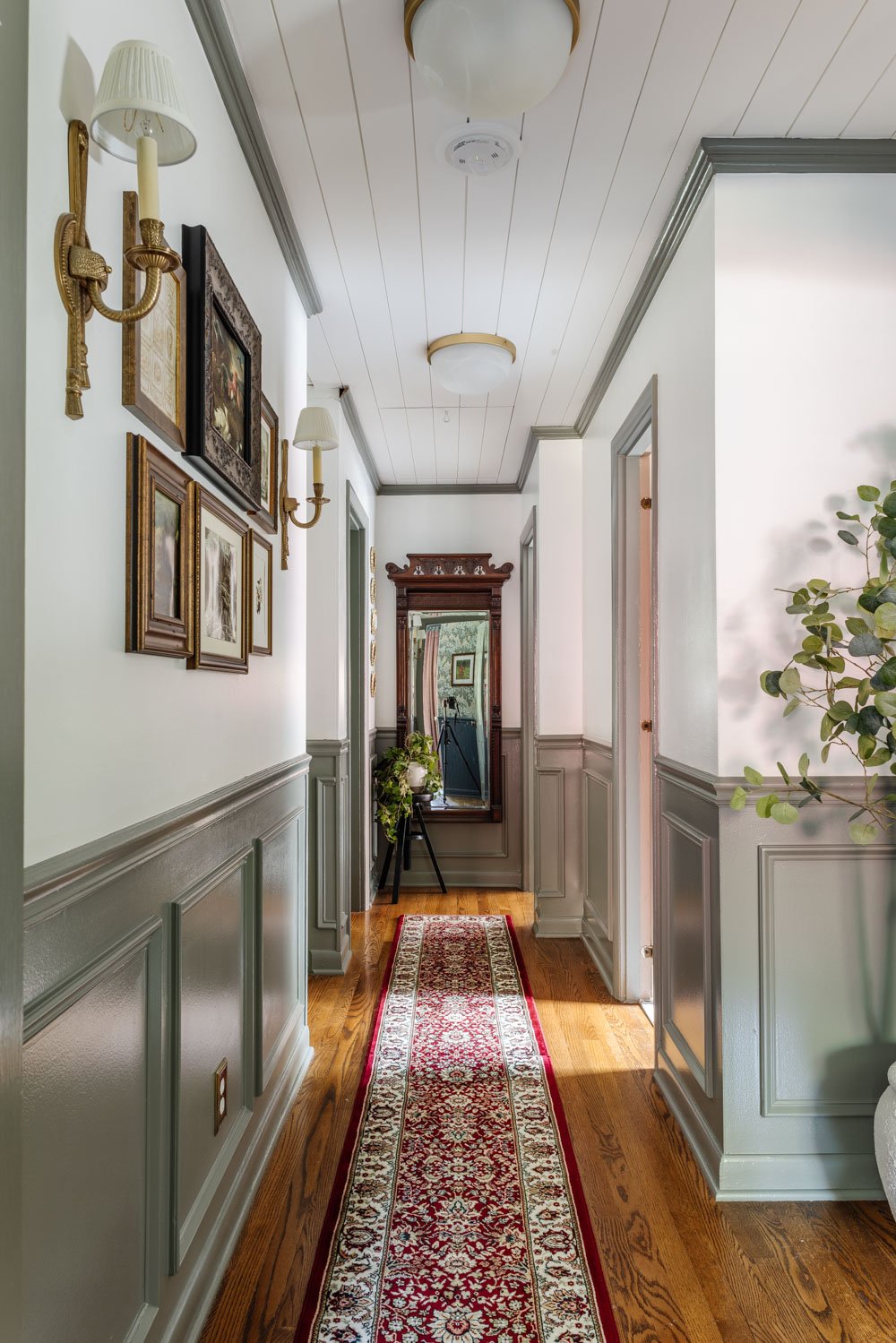
Two-tone wainscoting adds depth and interest. Paint the lower panels one color and the upper walls another. This style suits many tastes.
Popular Two-Tone Combos:
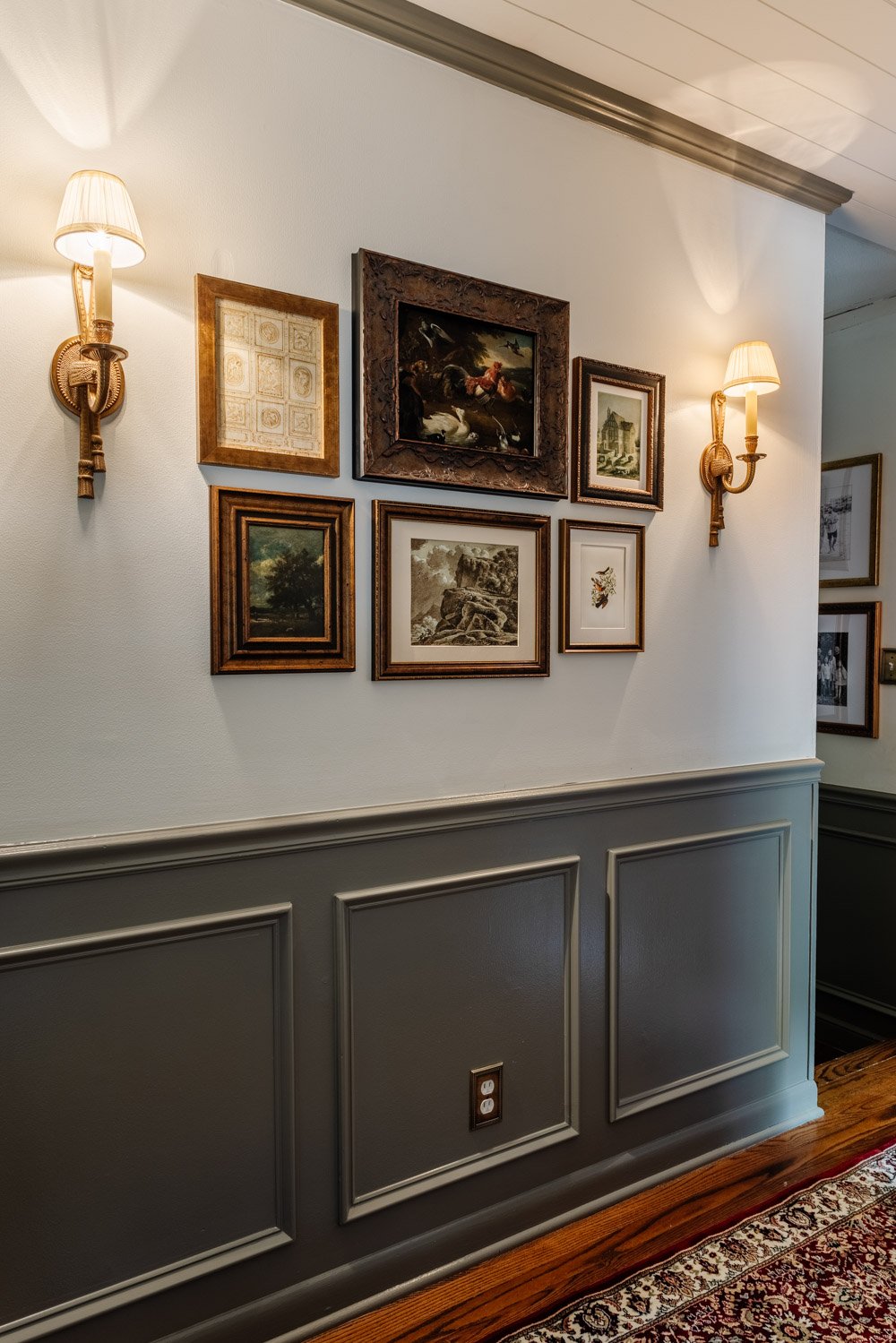
- Dark gray lower / soft white upper
- Navy blue lower / pale gray upper
- Soft green lower / cream upper
- Charcoal lower / light beige upper
Installing Wainscoting In Narrow Hallways
Wainscoting adds style and protection to hallway walls. In narrow hallways, careful design keeps the space open.
Choosing the right wainscoting can make hallways feel larger and brighter. Simple ideas work best for tight areas.
Maximizing Space With Design
Use vertical wainscoting panels to draw eyes upward. This makes the hallway seem taller and less cramped.
Keep the wainscoting height lower to avoid closing in the space. Balance is key between style and openness.
- Choose narrow panels for a sleek look
- Keep wall colors light to reflect light
- Use simple patterns without heavy details
Low-profile Panels
Low-profile panels sit flat against the wall. They add texture without taking up space.
Thin panels prevent the hallway from feeling tight. They also are easier to clean and maintain.
- Use beadboard or flat panels
- Choose materials with slim thickness
- Avoid deep moldings or raised panels
Lighting And Wainscoting
Good lighting highlights the wainscoting design. It also helps open up narrow hallways.
Use wall sconces or recessed lights above the wainscoting. Soft light adds warmth without glare.
- Install LED strip lights under the top rail
- Place sconces evenly along the hallway
- Choose warm white bulbs for a cozy feel
Decorative Enhancements
Wainscoting adds style and texture to hallways. It creates a polished look that draws the eye.
Decorative touches can make wainscoting stand out. They help bring character to your space.
Adding Chair Rails And Moldings
Chair rails protect walls and add a classic line above the wainscoting. Moldings give depth and detail to the design.
- Choose chair rails with simple or ornate profiles.
- Match moldings to your home’s style for a seamless look.
- Paint moldings in a contrasting color for visual interest.
- Use crown molding at the top for a finished appearance.
Incorporating Wallpaper
Wallpaper adds pattern and color inside the wainscoted panels. It can brighten or soften the hallway.
| Wallpaper Type | Effect |
| Floral Prints | Soft and inviting |
| Geometric Patterns | Modern and bold |
| Textured Wallpaper | Rich and tactile |
| Neutral Shades | Calm and elegant |
Using Mirrors And Artwork
Mirrors reflect light and make hallways feel larger. Artwork adds personality and color.


Credit: www.oliveandjunehome.com
Maintenance Tips
Wainscoting adds elegance to hallways. Proper care keeps it looking new. Regular maintenance is key.
Follow these tips to preserve the beauty of your wainscoting. Simple actions prevent damage and extend its life.
Cleaning And Care
Dust often with a soft cloth to prevent buildup. Avoid harsh chemicals that can harm the finish.
Use a damp cloth for tougher spots. Dry immediately to avoid water damage.
- Dust weekly to keep it clean
- Use mild soap for stubborn stains
- Dry thoroughly after cleaning
Repairing Damages
Inspect for scratches or dents regularly. Small damages are easier to fix early.
Use wood filler for small holes. Sand the area smooth before repainting.
- Check for damages monthly
- Fill scratches with wood filler
- Sand and repaint for a smooth finish
Seasonal Touch-ups
Seasons change, and so does your home environment. Adjust care routines accordingly.
In winter, check for moisture issues. In summer, watch for sun damage.
- Inspect for moisture in winter
- Protect from sun in summer
- Refresh paint yearly for vibrant look
Credit: www.blesserhouse.com
Frequently Asked Questions
What Types Of Wainscoting Suit Narrow Hallways?
Beadboard and raised panel wainscoting work well in narrow hallways. They add texture without overwhelming the space. Choose lighter colors to keep the area open and bright.
How High Should Wainscoting Be In Hallways?
Wainscoting height typically ranges from 32 to 42 inches. This range balances protection and visual appeal. Adjust height based on ceiling height and personal style preferences.
Can Wainscoting Improve Hallway Lighting?
Yes, wainscoting reflects light, especially if painted in light colors. It enhances natural and artificial light, making hallways feel brighter and more inviting.
What Materials Are Best For Hallway Wainscoting?
Wood, MDF, and PVC are popular wainscoting materials. Wood offers classic beauty, MDF is budget-friendly, and PVC resists moisture, ideal for humid areas.
Conclusion
Wainscoting adds charm and style to any hallway. It protects walls from scuffs and marks. Choose simple designs for a clean, modern look. Or try classic panels for a timeless feel. Paint colors can brighten or soften the space. Mix and match textures to create interest.
Small hallways feel bigger with light colors. Easy to install and maintain. A smart way to improve your home’s appeal. Try these ideas to make your hallway stand out. Enjoy a fresh, inviting path every day.