Imagine turning your bedroom into the perfect sound zone where every song, podcast, or movie comes alive. Your bedroom speaker setup can do just that—transform your space with clear, rich audio that fits your style and needs.
Whether you want to relax to soft tunes, energize with your favorite beats, or enjoy immersive sound while gaming or watching shows, the right setup makes all the difference. Ready to discover how to create an amazing audio experience that feels just right for you?
Keep reading, and let’s make your bedroom sound incredible.
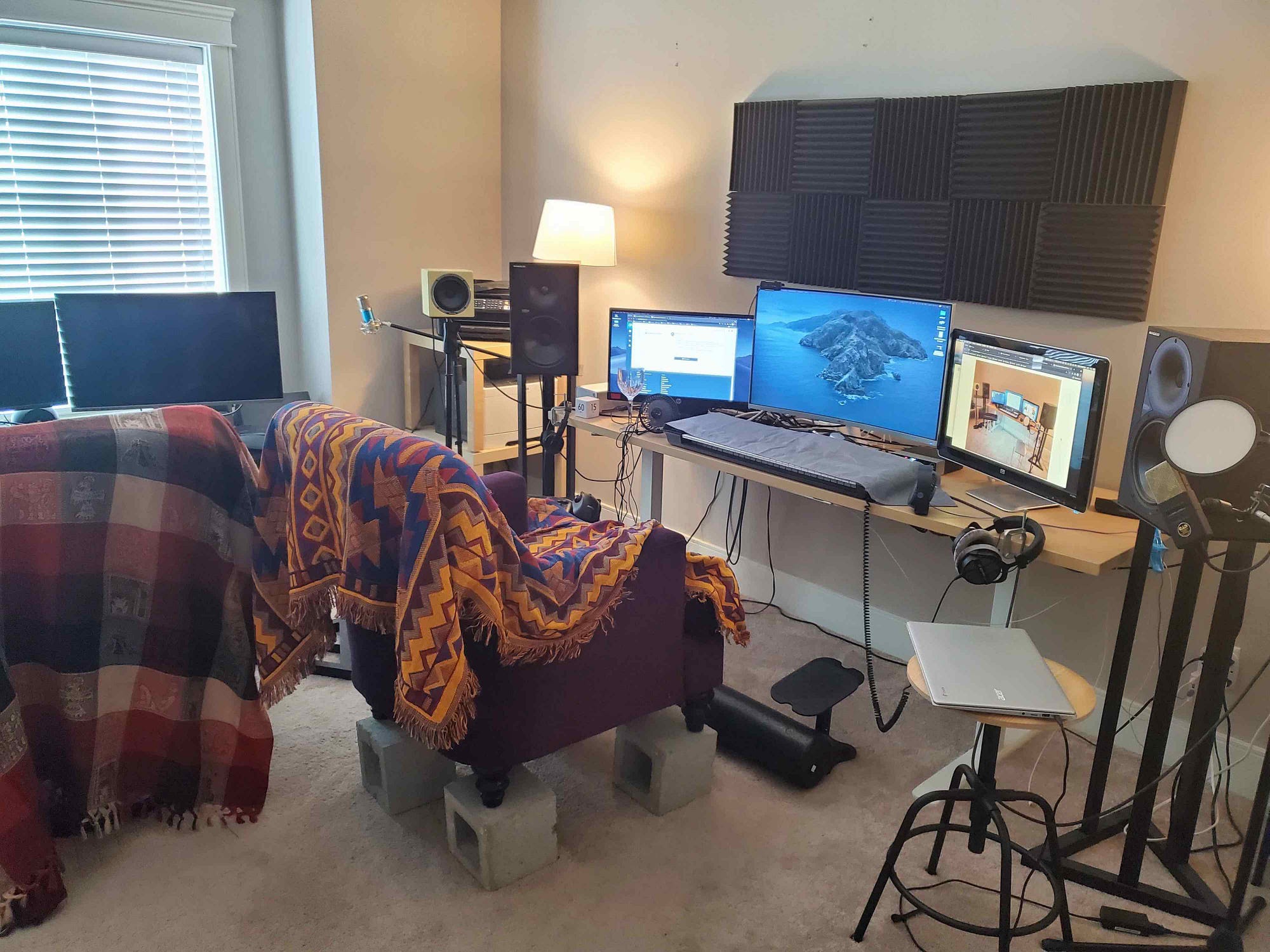
Credit: medium.com
Choosing The Right Speakers
Picking the right speakers for your bedroom can change how you enjoy music or movies. The right choice depends on your space, needs, and style.
This guide will help you understand the types of bedroom speakers, their size and power, and the choice between wired and wireless options.
Types Of Bedroom Speakers
There are different types of speakers for bedrooms. Each type works well for certain uses and room sizes.
- Bookshelf Speakers:Small and easy to place on shelves or desks.
- Soundbars:Slim and good for TV audio without many wires.
- Floor-standing Speakers:Larger and deliver powerful sound but need more space.
- Smart Speakers:Compact and include voice control features.
Speaker Size And Power
| Size | Best For | Power Range |
| Small | Small rooms or desks | 5-20 watts |
| Medium | Average bedroom size | 20-50 watts |
| Large | Large rooms or open spaces | 50+ watts |
Choose a speaker size that fits your room. Bigger speakers need more power but fill space better.
Wired Vs Wireless Options
You can pick wired or wireless speakers. Each has pros and cons for bedroom use.
- Wired:Often better sound and no battery worries. But need cables and placement is fixed.
- Wireless:Easy to move and no cables. Requires charging or power and may have slight sound delay.
Optimal Speaker Placement
Setting up speakers in a bedroom can greatly improve your sound experience. Proper placement ensures clear and balanced audio.
Consider the room layout and furniture when positioning your speakers. Small changes can make a big difference in sound quality.
Ideal Speaker Positioning
Place your speakers so they form an equilateral triangle with your listening spot. This means the distance between the two speakers should equal the distance from each speaker to your ears.
- Keep speakers at ear level when seated.
- Angle speakers slightly inward toward the listener.
- Use speaker stands or shelves to avoid vibrations.
Avoiding Sound Reflection
Sound reflection from walls and ceilings can blur your audio. Soft surfaces absorb sound and reduce echoes.
Tips to reduce sound reflection:
- Use rugs or carpets on hard floors.
- Hang curtains or thick drapes on windows.
- Add cushions or soft furniture near speakers.
- Place foam panels on walls opposite to speakers.
Distance From Walls And Furniture
Keep speakers away from walls and large furniture to avoid sound distortion. The right distance helps in clear bass and midrange tones.
| Distance From Wall | Effect on Sound |
| Less than 6 inches | Bass sounds may be boomy |
| 6 to 12 inches | Balanced bass response |
| More than 12 inches | Less bass, clearer mids and highs |
Acoustic Treatment Tips
Setting up speakers in your bedroom needs good sound control. Acoustic treatment helps improve sound quality. It reduces noise reflections and echoes.
This guide shows simple ways to treat your room. Using rugs, curtains, wall panels, and diffusers can help. You will also learn how to minimize echo and reverberation.
Using Rugs And Curtains
Soft materials like rugs and curtains absorb sound waves. They stop sound from bouncing on hard floors and windows. This makes the sound clearer and less harsh.
- Place thick rugs on bare floors near speakers.
- Use heavy curtains on windows to block outside noise.
- Cover walls with fabric panels for extra absorption.
- Choose dark colors to avoid light reflections.
Wall Panels And Diffusers
Wall panels absorb sound and reduce echo. Diffusers scatter sound waves to balance the room’s acoustics. Both are important for good sound quality.
| Type | Function | Placement |
| Absorptive Panel | Reduces reflections | On walls near speakers |
| Diffuser | Scatters sound waves | Opposite walls or ceiling |
| Bass Trap | Controls low frequencies | Room corners |
Minimizing Echo And Reverberation
Echo and reverberation make sound muddy and unclear. You can reduce them by controlling hard surfaces. Add soft materials and spread sound evenly.
Try these tips to minimize echo:
- Place furniture like sofas and bookshelves to break sound paths.
- Use wall hangings or tapestries to absorb sound.
- Keep speaker volume moderate to avoid excessive reflections.
- Close doors and windows to block outside noise.

Credit: www.reddit.com
Choosing The Right Amplifier
Setting up speakers in your bedroom needs the right amplifier. It helps deliver clear sound and enough power.
Picking the right amplifier involves knowing your speakers and your room’s size. Here are some key factors to consider.
Matching Amplifier To Speakers
Speakers and amplifiers must work together. Match their impedance for best performance.
- Check speaker impedance: common values are 4, 6, or 8 ohms.
- Choose an amplifier with matching or suitable impedance range.
- Avoid mismatched impedance to prevent damage.
Power Requirements
The amplifier’s power affects sound quality. It should suit your room size and listening habits.
- Small rooms need less power, around 20-50 watts per channel.
- Medium rooms may need 50-100 watts per channel.
- Large rooms or loud listening might require more than 100 watts per channel.
Connectivity Features
Connectivity options make the amplifier versatile. Consider how you will connect your devices.
- Look for Bluetooth or Wi-Fi for wireless streaming.
- Check for HDMI or optical inputs for TV connections.
- USB ports are useful for playing music from storage devices.
Optimizing Sound Settings
Setting up bedroom speakers needs careful sound tuning. Good sound settings make listening more enjoyable.
This guide covers equalizer adjustments, bass and treble tuning, and balancing volume levels for clear sound.
Equalizer Adjustments
Equalizers let you change different sound frequencies. Adjust them to fit your room and music style.
- Lower midrange frequencies to reduce muffled sound.
- Boost highs slightly for clear vocals and details.
- Cut very low frequencies to avoid unwanted rumbles.
- Test with different music types to find the best balance.
Bass And Treble Tuning
Bass and treble controls shape the depth and brightness of sound. Adjust carefully to avoid distortion.
| Control | Recommended Setting | Effect |
| Bass | Medium | Rich low tones without boominess |
| Treble | Medium to High | Clear highs without harshness |
Balancing Volume Levels
Balancing volume between speakers avoids sound clashes. Keep levels consistent for smooth listening.
Use this checklist to balance your speakers:
- Play a familiar song at low volume.
- Adjust each speaker’s volume to match others.
- Check for sound clarity in all parts of the room.
- Raise overall volume slowly to avoid distortion.

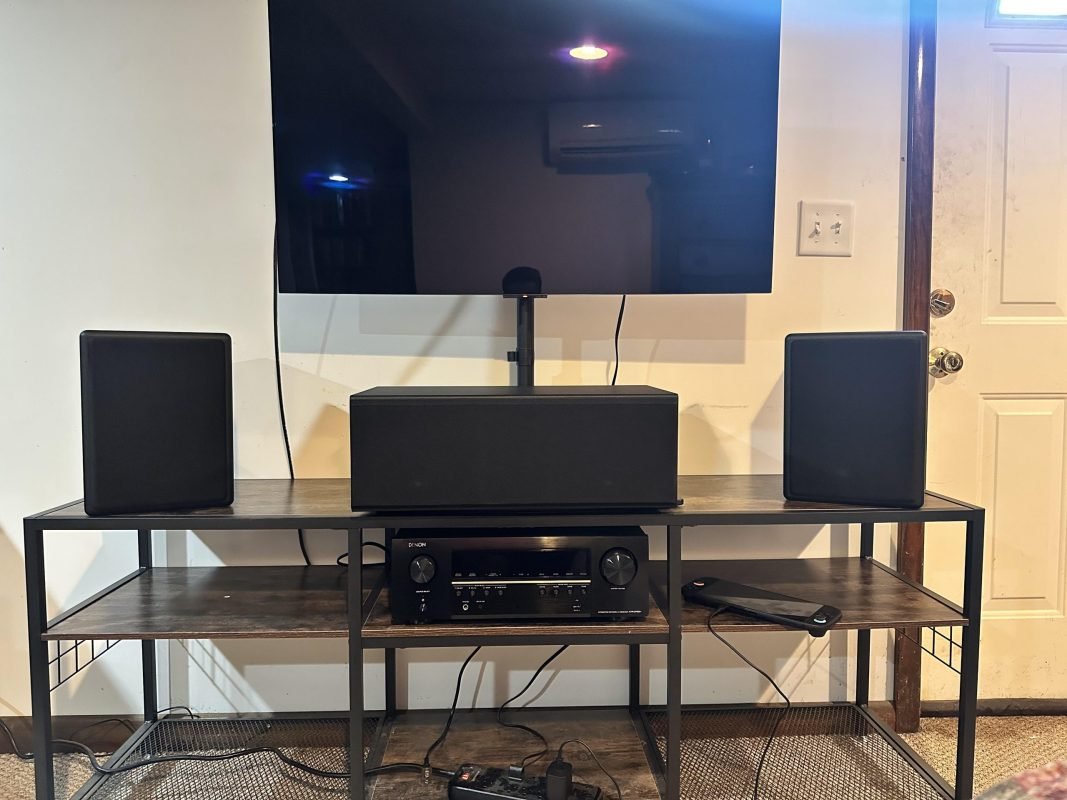
Credit: www.avsforum.com
Integrating Streaming Devices
Setting up a bedroom speaker system is easier with streaming devices. They let you play music wirelessly.
Explore options like Bluetooth and Wi-Fi for seamless audio streaming. Enjoy smart features in your bedroom.
Bluetooth And Wi-fi Options
Bluetooth and Wi-Fi are common for connecting devices. Both have pros and cons for a bedroom setup.
- Bluetooth is simple and direct but has a limited range.
- Wi-Fi offers a wider range and better quality but needs a network.
Smart Speaker Compatibility
Many smart speakers work with streaming devices. Check compatibility for smooth integration.
Multi-room Setup Ideas
A multi-room setup lets you play music in different areas. This is great for a connected home.
| Room | Recommended Device |
| Bedroom | Smart Speaker |
| Living Room | Soundbar |
| Kitchen | Portable Speaker |
Maintaining Your Setup
Keeping your bedroom speaker setup in good shape helps it work well longer. Simple care and regular checks keep sound clear and devices safe.
Follow easy steps to clean, update, and fix your speakers. This prevents problems and keeps your music playing smoothly.
Regular Cleaning Tips
Dust and dirt can reduce sound quality and damage your speakers. Clean your setup often to avoid this.
- Turn off and unplug speakers before cleaning
- Use a soft, dry cloth to wipe the surfaces
- Clean speaker grills with a small brush or vacuum on low setting
- Avoid using water or liquid cleaners near the speakers
- Keep cables untangled and wipe them with a dry cloth
Firmware Updates
Firmware updates improve speaker performance and fix bugs. Check for updates regularly.
- Visit the speaker manufacturer’s website or app
- Download the latest firmware version
- Follow the instructions to install the update
- Restart your speakers after updating
- Test sound quality to confirm the update worked
Troubleshooting Common Issues
Sometimes speakers may lose connection or sound strange. Try these checks to solve common problems.
| Problem | Possible Cause | Solution |
| No sound | Loose cables | Check and reconnect all cables |
| Sound distortion | Dust on speakers | Clean the speaker grills |
| Bluetooth not connecting | Device out of range | Bring device closer and retry |
| Low volume | Settings issue | Increase volume on both device and speaker |
| Firmware error | Outdated software | Update firmware as described above |
Frequently Asked Questions
How Do I Choose The Best Bedroom Speakers?
Choose speakers based on room size, sound quality, and budget. Consider wireless options for convenience and easy setup. Look for speakers with clear sound and good bass performance for an immersive experience.
Where Should I Place Speakers In A Bedroom?
Place speakers at ear level, ideally on bedside tables or shelves. Avoid placing them too close to walls to reduce sound distortion. Position speakers symmetrically for balanced stereo sound.
What Is The Ideal Speaker Size For A Bedroom?
Compact speakers are best for bedrooms to save space. Bookshelf or small tower speakers offer good sound without overwhelming the room. Ensure the size suits your room dimensions and listening preferences.
Can I Connect Bedroom Speakers To My Phone?
Yes, most modern bedroom speakers support Bluetooth or Wi-Fi for easy phone connection. You can stream music wirelessly from your phone using compatible apps. Check speaker compatibility before buying.
Conclusion
A good bedroom speaker setup makes your space sound better. Choose speakers that fit your room size and style. Place them where sound spreads evenly and feels clear. Keep wires tidy for safety and neatness. Test different positions to find the best sound.
Enjoy music, movies, or games with richer audio. Simple steps can create a cozy, great-sounding room. Your ears will thank you every day.