Have you ever worried about blind corners in your hallway? Safety mirrors for hallways are a simple tool that can protect you and your loved ones from unexpected collisions.
Imagine walking through your home or office with confidence, knowing you have a clear view around every turn. You’ll discover how these mirrors work, why they matter, and how easy it is to add them to your space. Keep reading to learn how to make your hallways safer and more secure right now.
Benefits Of Safety Mirrors
Safety mirrors are important for hallways in buildings. They help people see around corners and narrow spaces.
Using safety mirrors in hallways can make walking safer. They reduce accidents and improve overall safety.
Enhancing Visibility In Hallways
Safety mirrors increase what people can see in hallways. They show areas that are hard to view directly.
This helps people notice others before they turn corners or enter busy areas. It reduces blind spots and makes hallways safer.
Reducing Collision Risks
Mirrors help people avoid bumping into each other. They give advance warning when someone is coming from the opposite way.
Collisions can cause injuries or damage. Safety mirrors lower these risks by improving awareness in tight hallway spaces.
- Show hidden corners
- Alert people to oncoming traffic
- Help slow down walking speed
- Prevent accidents and injuries
Improving Emergency Response
In emergencies, fast and safe movement is key. Safety mirrors help responders see the hallway layout clearly.
They also help people find safe paths and avoid crowded areas. This speeds up evacuation and rescue efforts.

Credit: www.amazon.com
Types Of Safety Mirrors
Safety mirrors help you see around corners and avoid accidents. They are useful in hallways and busy areas. Choosing the right type improves safety and visibility.
There are several types of safety mirrors. Each type has unique features. Understanding them helps you pick the best mirror for your space.
Convex Mirrors
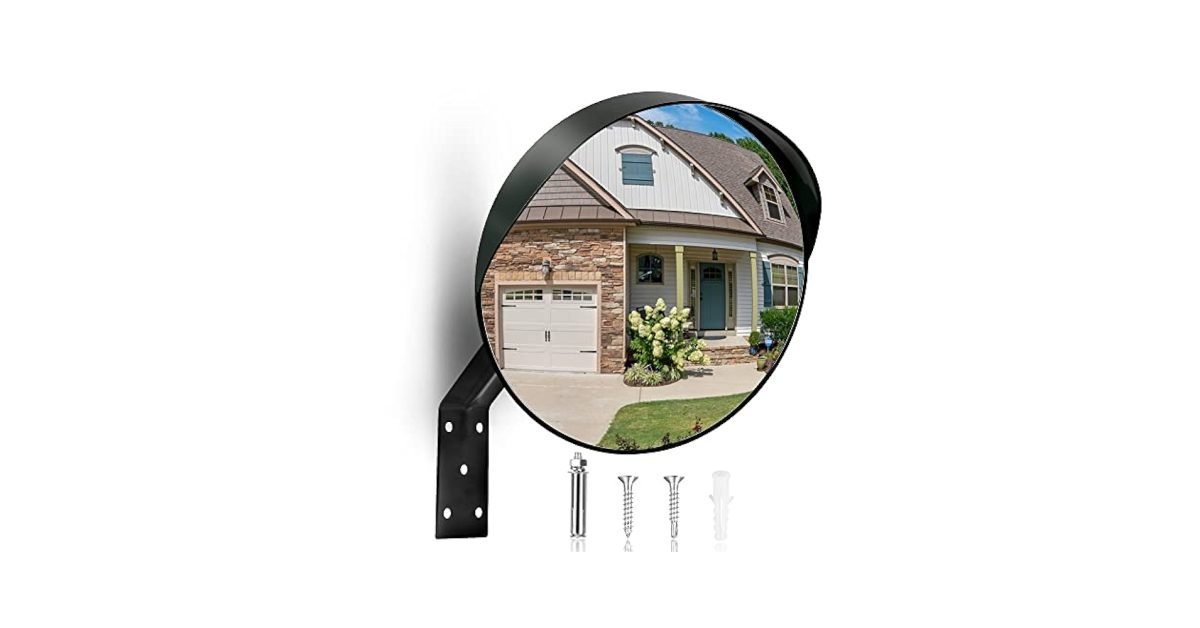
Convex mirrors curve outward. They show a wide view of the area. This helps you see people or objects around corners. These mirrors reduce blind spots in hallways.
Convex mirrors are easy to install. They come in many sizes. You can use them in schools, hospitals, and offices to improve safety.
Dome Mirrors
Dome mirrors are shaped like a half sphere. They provide a 180-degree view. This wide angle helps you see in multiple directions at once. Dome mirrors are good for wide hallways and intersections.
- Show wide areas clearly
- Resist damage from impacts
- Easy to clean and maintain
- Good for indoor and outdoor use
Flat Mirrors
Flat mirrors show a true reflection. They do not widen the view like convex or dome mirrors. Flat mirrors work well for short hallways or direct views. They help you see straight ahead or behind you.
| Mirror Type | Shape | View Angle | Best Use |
| Convex | Curved outward | Wide, panoramic | Blind corners, long hallways |
| Dome | Half sphere | 180 degrees | Wide hallways, intersections |
| Flat | Flat surface | Direct, narrow | Short hallways, direct views |
Ideal Mirror Placement
Safety mirrors help prevent accidents in hallways by improving visibility. Placing them correctly is key to seeing hidden dangers.
This guide covers where to put mirrors for the best safety results in hallways and other indoor spaces.
Identifying Blind Spots
Blind spots are areas that are hard to see or hidden from view. These spots increase the chance of collisions in hallways.
- Look for corners where walls block sight lines.
- Check doorways that open into busy paths.
- Watch for areas behind pillars or furniture.
- Note places with poor lighting that reduce visibility.
Optimal Mounting Heights
Mounting mirrors at the right height ensures clear views for all users. The height depends on the usual traffic and space size.
| Type of User | Recommended Mounting Height |
|---|---|
| Adults | 6 to 7 feet (1.8 to 2.1 meters) |
| Children | 4 to 5 feet (1.2 to 1.5 meters) |
| Wheelchair Users | 3 to 4 feet (0.9 to 1.2 meters) |
Corner And Intersection Coverage
Corners and intersections need wide mirror coverage to show crossing traffic from different directions. Proper coverage reduces risks.
- Install convex mirrors for a wider field of view.
- Place mirrors so users can see at least 90 degrees around corners.
- Ensure mirrors are angled to cover both approaching hallways.

Credit: www.amazon.com
Material And Durability
Safety mirrors for hallways need strong materials to last long. They must handle daily use and stay safe.
Durability is key to keeping mirrors clear and unbroken in busy areas. Good materials protect from damage.
Shatterproof Options
Shatterproof mirrors use special materials to avoid breaking into sharp pieces. This makes hallways safer.
Common shatterproof materials include acrylic and polycarbonate. They are lighter and stronger than glass.
- Acrylic is clear and resists impact well.
- Polycarbonate is very tough and hard to crack.
- These options reduce injury risks if the mirror breaks.
Weather Resistance
Hallway mirrors near doors or windows face changes in weather. Materials must resist moisture and temperature shifts.
Weather-resistant mirrors use coatings or frames that stop rust and warping. This keeps mirrors clear and safe.
- Metal frames often have rust-proof finishes.
- Plastic frames resist water and sun damage.
- Coated mirror surfaces prevent fogging and stains.
Maintenance Tips
Clean safety mirrors regularly to keep them clear and safe. Use soft cloths and mild cleaners.
Avoid harsh chemicals and rough scrubbing. Check frames and mounts for damage or loose parts.
- Wipe mirrors with damp, soft cloths.
- Use mild soap or glass cleaner.
- Inspect frames monthly for cracks or rust.
- Tighten screws if mirrors feel loose.
Installation Considerations
Installing safety mirrors in hallways needs careful planning. Proper installation ensures clear visibility and prevents accidents.
Choosing how to install these mirrors affects their performance and safety. This guide covers key points for installation.
Professional Vs Diy Installation
Deciding between professional and DIY installation depends on skill, tools, and safety needs. Professionals bring experience and proper tools.
- Professionals ensure correct mounting and alignment.
- DIY can save money but may risk poor placement.
- Incorrect installation may cause mirror damage or accidents.
- Professionals know building codes and safety standards.
- DIY requires following detailed instructions carefully.
Safety Regulations Compliance
Safety mirrors must meet local regulations. These rules protect users and guide mirror placement and size.
| Regulation Aspect | Requirement |
| Mirror Size | Must cover the full viewing angle of the hallway |
| Mounting Height | Typically between 6 and 8 feet from the floor |
| Material Standards | Shatterproof and impact-resistant mirrors |
| Visibility | No obstructions in front of the mirror |
Cost Factors
Costs vary based on mirror type, installation method, and compliance needs. Budget planning helps avoid surprises.
| Cost Element | Professional Installation | DIY Installation |
|---|---|---|
| Mirror Price | $50 – $200 | $50 – $200 |
| Installation Labor | $100 – $300 | Free (own labor) |
| Tools and Materials | Included | $20 – $50 |
| Potential Rework | Low risk | Possible added costs |
Case Studies And Applications
Safety mirrors play a vital role in ensuring safe navigation in hallways. They help people see around corners and avoid collisions. Different places use these mirrors based on their specific needs.
Let us explore how safety mirrors are used in various settings. These include schools, hospitals, and office spaces. Each has unique requirements for ensuring safety.
Schools And Educational Facilities
In schools, safety is very important. Hallways can be crowded during class changes. Safety mirrors help prevent accidents by giving a clear view of oncoming students.
Schools place these mirrors at intersections and hallway corners. This helps teachers and students move safely between classes.
- Placed at hallway intersections
- Helps monitor student traffic
- Prevents collisions during rush hours
Hospitals And Healthcare Buildings
Hospitals require careful movement of patients and staff. Safety mirrors ensure that beds and medical carts move safely in hallways. They offer visibility around corners, reducing accidents.
Mirrors are installed in strategic locations. This ensures that emergency teams can quickly navigate without obstruction.
- Used for safe movement of medical carts
- Placed at corners for clear visibility
- Helps in smooth emergency operations
Office And Commercial Spaces
Office buildings have busy hallways. Safety mirrors assist in avoiding collisions. They help people move efficiently, especially during peak hours.
These mirrors are used to enhance security. They allow staff to monitor activity in blind spots, keeping office environments safe.
- Boosts hallway safety
- Aids in monitoring blind spots
- Improves employee movement efficiency

Credit: www.amazon.com
Frequently Asked Questions
What Are Safety Mirrors For Hallways?
Safety mirrors for hallways are convex or flat mirrors designed to improve visibility. They help prevent collisions by allowing people to see around corners and blind spots in narrow or busy hallways.
How Do Hallway Safety Mirrors Prevent Accidents?
Hallway safety mirrors increase visibility in blind spots and corners. They allow people to spot oncoming traffic or obstacles early, reducing the risk of collisions and improving overall safety.
Where Should Safety Mirrors Be Installed In Hallways?
Install safety mirrors at hallway intersections, blind corners, and entrances to busy corridors. Position them at eye level for optimal viewing and to maximize their effectiveness in preventing accidents.
What Types Of Safety Mirrors Suit Hallways Best?
Convex mirrors are ideal for hallways because they provide a wide field of view. Flat mirrors may work in straight corridors but are less effective at corners or intersections.
Conclusion
Safety mirrors help keep hallways clear and secure. They let you see around corners and avoid accidents. Installing these mirrors is simple and cost-effective. They work well in homes, schools, and offices. Choose the right size and place for the best view.
Regular cleaning keeps the mirror clear and useful. Use safety mirrors to create safer hallway spaces for everyone. A small change that brings peace of mind. Why risk safety when a mirror can help?