
Your home office is more than just a workspace—it’s where your ideas come to life and your productivity takes flight. Imagine walking into a room that instantly boosts your focus, sparks creativity, and feels comfortable all day long.
You deserve a space designed to fit your style and work habits perfectly. You’ll discover simple and inspiring design ideas that transform your home office into a place you love. Ready to create a workspace that works for you? Let’s dive in.
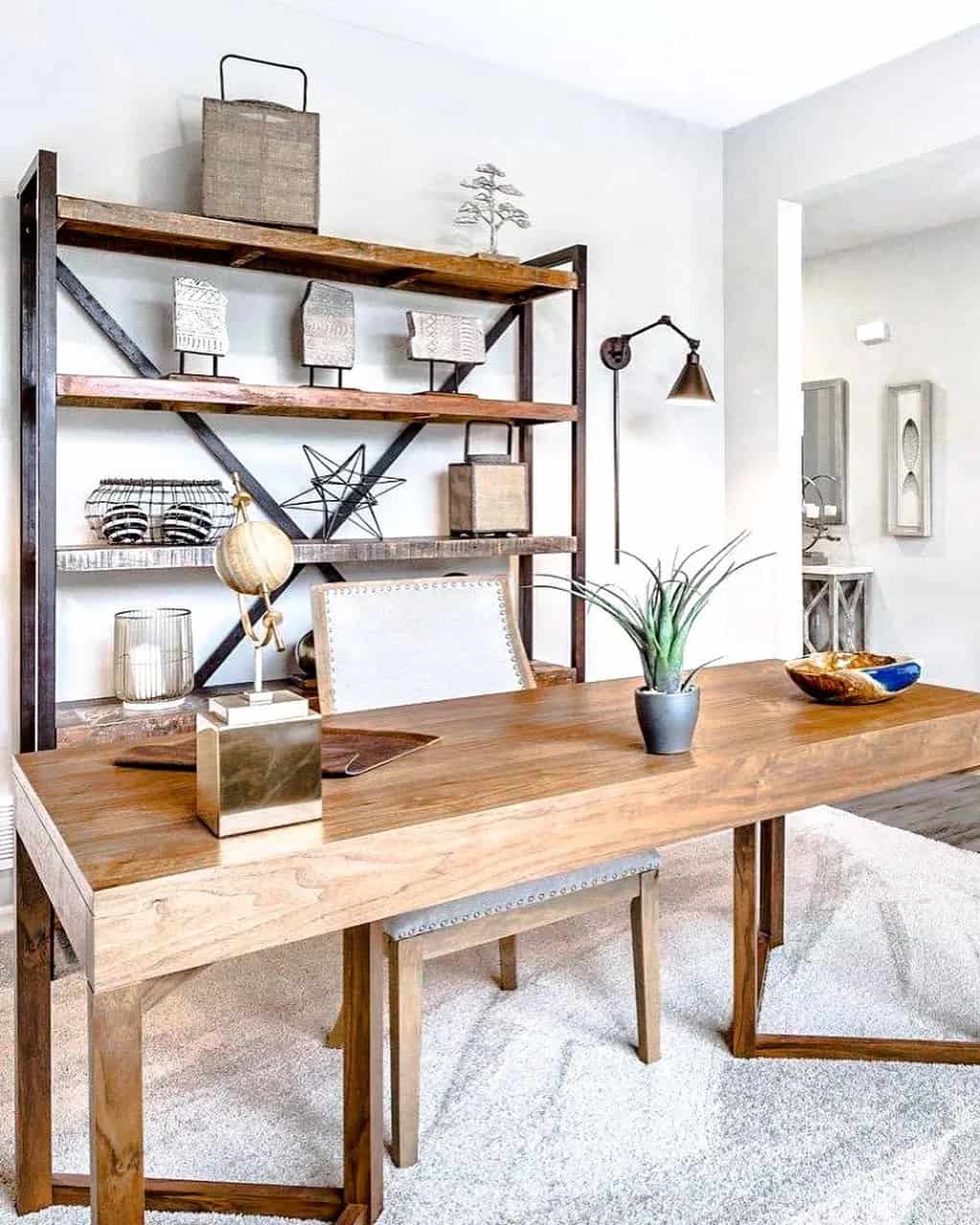
Credit: www.extraspace.com
Choosing The Right Space
Picking the best place for your home office affects your work and comfort. The right space helps you stay focused and feel good.
Think about light, noise, and size before setting up your office. These factors make a big difference in your workday.
Maximizing Natural Light
Natural light keeps you alert and happy. Choose a spot near windows to get the most sunlight. Avoid glare on your screen by placing your desk at an angle.
- Place your desk close to a window
- Use light curtains to soften strong sunlight
- Keep windows clean for clear light
- Use mirrors to reflect light into darker corners
Minimizing Distractions
To work well, you need quiet and few interruptions. Pick a space away from noisy rooms or busy areas. Use noise-canceling headphones if needed.
| Distraction | Solution |
| Street noise | Close windows and use rugs |
| Family activity | Set office hours and doors |
| Phone alerts | Turn off or mute notifications |
| Clutter | Keep desk tidy and organized |
Utilizing Small Spaces
Small rooms can work well as home offices. Use smart furniture and organize vertically to save space. Bright colors help the room feel bigger.
Tips for Small Spaces:
- Use wall shelves for storage
- Choose foldable desks or chairs
- Keep only what you need on your desk
- Use light colors on walls and furniture

Credit: www.designcafe.com
Ergonomic Furniture
Ergonomic furniture helps keep your body comfortable during work. It reduces pain and improves focus.
Choosing the right furniture is key to a healthy home office setup. It supports good posture and movement.
Selecting Comfortable Chairs
Pick a chair that supports your lower back well. It should have adjustable height and armrests.
Look for chairs with cushioned seats and breathable fabric. This keeps you comfortable for long hours.
- Adjust seat height to keep feet flat on the floor
- Use lumbar support to protect your lower back
- Choose chairs with adjustable armrests for arm comfort
Adjustable Desks And Workstations
Adjustable desks let you change your working position. You can sit or stand to reduce stiffness.
Choose desks with easy height controls. This helps you switch positions quickly during the day.
- Set desk height so elbows form a 90-degree angle
- Use standing desks to improve circulation
- Keep workspace clutter-free for better focus
Proper Monitor Placement
Place your monitor at eye level to avoid neck strain. The top of the screen should be at or below your eyes.
Keep the monitor about 20 to 30 inches from your face. This distance helps reduce eye fatigue.
- Center the monitor directly in front of you
- Adjust brightness to match room lighting
- Use a monitor stand if needed for height
Color Schemes And Decor
Designing a home office needs careful thought about colors and decor. The right choices help you stay focused and feel calm.
Using colors and decorations that suit your style makes your workspace inviting and productive.
Colors That Enhance Focus
Colors affect your mood and concentration. Pick shades that help your mind stay sharp and alert. Soft blues and greens create calm and reduce stress. Light yellows add energy without distraction.
- Blue tones to improve focus and calmness
- Green for balance and relaxation
- Yellow to boost creativity and energy
- Neutral colors like beige or gray to avoid distraction
Inspiring Wall Art
Wall art can boost your mood and inspire creativity. Choose pieces that motivate and reflect your work style. Simple abstract art or nature scenes work well.
| Type of Art | Effect | Examples |
| Abstract | Stimulates creativity | Colorful shapes and patterns |
| Nature | Calms and refreshes | Landscapes, plants, animals |
| Quotes | Motivates and encourages | Positive phrases in clean fonts |
Incorporating Plants
Plants add life and fresh air to your office. They reduce stress and improve focus. Small pots fit well on desks or shelves.
Try these easy-care plants for your home office:
- Snake Plant
- Spider Plant
- Succulents
- Peace Lily
Storage Solutions
Organizing your home office helps you work better. Good storage solutions keep your space neat and tidy.
Choosing the right storage ideas can save time and reduce stress in your daily work.
Decluttering With Shelves
Shelves help you organize books, files, and supplies. They keep your desk clear and your items easy to find.
- Use wall-mounted shelves to save floor space
- Arrange items by size or function for quick access
- Add baskets or boxes on shelves for small items
- Choose adjustable shelves for flexible storage
Creative Desk Organizers
Desk organizers hold pens, papers, and gadgets. They stop clutter from piling up on your work surface.
| Organizer Type | Best For | Material |
| Drawer Dividers | Small items | Plastic or wood |
| Pen Holders | Writing tools | Metal or ceramic |
| Stackable Trays | Documents | Plastic or acrylic |
| Charging Stations | Electronics | Wood or metal |
Hidden Storage Ideas
Hidden storage keeps your office tidy and stylish. It hides clutter out of sight but stays easy to reach.
Hidden Storage Tips
- Use desks with built-in drawers or compartments
- Install storage ottomans for extra seating and space
- Place file cabinets under desks to save room
- Use decorative boxes or baskets to hide cables and chargers
Lighting Techniques
Good lighting is key for a productive home office. It helps you see clearly and feel comfortable. Choosing the right lighting technique makes a big difference in your workspace.
This guide covers different lighting ideas to improve your home office. Learn how to use task lighting, ambient lighting, and ways to reduce eye strain.
Task Lighting Options
Task lighting focuses on specific areas where you work. It helps reduce shadows and glare on your desk. Desk lamps and adjustable lights are good choices.
- Use a desk lamp with adjustable brightness and direction.
- Choose LED bulbs for clear and bright light.
- Position lights to avoid reflections on your computer screen.
- Use clip-on lights for extra illumination on paperwork.
Ambient Lighting Ideas
Ambient lighting lights up the whole room softly. It creates a pleasant atmosphere and reduces harsh contrasts. Ceiling lights and floor lamps work well for this purpose.
| Lighting Type | Best Use | Examples |
| Ceiling Light | General room lighting | Flush mount, pendant lights |
| Floor Lamp | Fill dark corners | Uplight, torchiere lamps |
| Wall Sconces | Soft background light | LED sconces, decorative lights |
Reducing Eye Strain
Eye strain can hurt your comfort and focus. Proper lighting reduces glare and flicker that cause tired eyes. Follow these tips to protect your vision.
- Keep your computer screen brightness close to room light level.
- Use anti-glare screen protectors on monitors.
- Take regular breaks to rest your eyes every 20 minutes.
- Position lights so they don’t shine directly into your eyes or screens.
Tech And Connectivity
Creating a home office with the right tech and connectivity is crucial. It helps you stay productive and connected.
From managing cables to upgrading your internet, these ideas will enhance your workspace.
Cable Management Tips
Cable clutter can make your office look messy. Organizing cables keeps your desk neat.
Use simple solutions to manage cables effectively. This improves your work environment.
- Use cable ties to bundle wires together
- Label cables for easy identification
- Use cable clips to keep wires in place
- Invest in a cable management box for power strips
Essential Gadgets
Gadgets can boost your productivity in the home office. They help you work more efficiently.
Consider adding essential gadgets that suit your needs and enhance your work setup.
- Wireless keyboard and mouse for flexibility
- Noise-cancelling headphones for better focus
- Smart speaker for voice commands
- USB hub to expand connectivity options
Improving Internet Setup
A strong internet connection is vital for remote work. It ensures smooth video calls and quick downloads.
Improve your internet setup to avoid disruptions and stay connected all day.
- Position your router in a central location
- Upgrade to a faster internet plan
- Use a Wi-Fi extender to boost signal strength
- Secure your network with a strong password
Personalizing Your Space
Your home office should reflect who you are. Personal touches make it a place where you want to work.
Creating a space that feels uniquely yours can boost creativity and productivity.
Incorporating Personal Items
Personal items bring warmth and character to your office. Photos and keepsakes make the environment inviting.
- Display family photos on your desk
- Include a favorite piece of artwork
- Use a mug from a memorable trip
Creating A Motivational Corner
A motivational corner can inspire you daily. This area should be full of positivity and encouragement.
“The only way to do great work is to love what you do.” – Steve Jobs
Balancing Work And Relaxation
Balance is key in a home office. Work and relaxation should both have their place.
| Activity | Space Needed |
| Work Tasks | Desk with computer |
| Relaxation | Comfortable chair or couch |
Sound Control
Creating a quiet home office helps you focus better. Controlling sound reduces distractions and improves work quality.
Use simple design ideas to manage noise and make your office peaceful and productive.
Noise Reduction Methods
Noise reduction starts with choosing materials that block or absorb sound. Thick curtains and carpets help lower noise. You can also add wall panels or bookshelves filled with books.
- Use heavy curtains or blinds
- Place rugs or carpets on the floor
- Install sound-absorbing wall panels
- Fill shelves with books or soft items
- Seal gaps in windows and doors
Using White Noise
White noise machines create gentle background sounds. They cover sudden noises and help your mind stay focused. You can also use apps on your phone for white noise.
| Type of White Noise | Example Sound |
| Static | Soft hissing |
| Nature | Rain or ocean waves |
| Mechanical | Fan or air conditioner |
Choosing Quiet Equipment
Pick devices that make less sound to keep your office calm. Look for quiet printers, keyboards, and fans. This cuts down noise without losing function.
- Choose silent or low-noise keyboards
- Use printers with quiet modes
- Select fans designed for low sound
- Place noisy equipment away from work area
- Keep devices clean to reduce noise
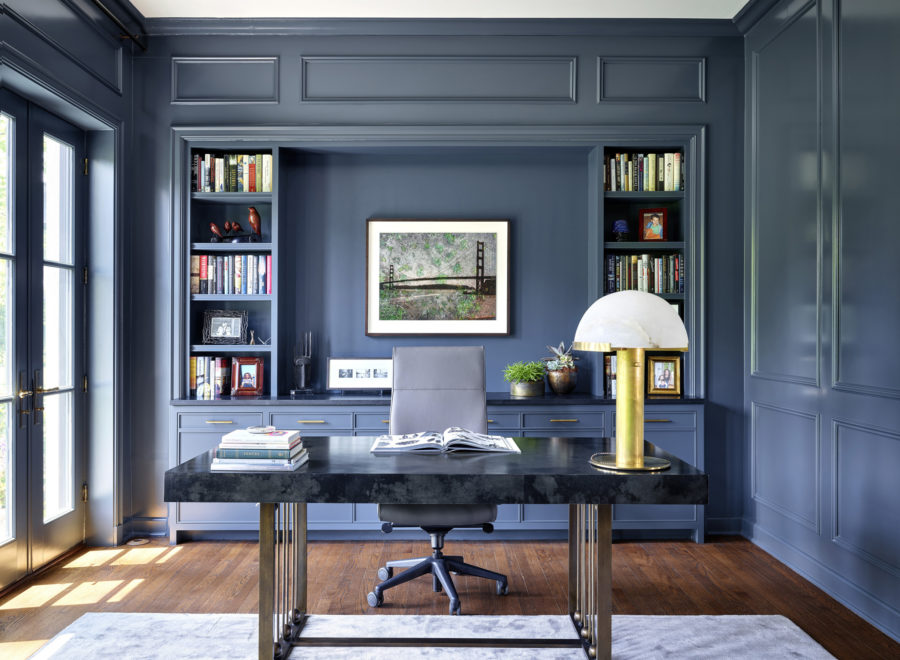
Credit: www.morgantewilson.com
Frequently Asked Questions
What Are The Best Color Schemes For A Home Office?
Choose calming colors like blues, greens, or neutrals. These shades boost focus and reduce stress. Avoid overly bright or dark tones to maintain a balanced atmosphere.
How Can I Maximize Small Home Office Space?
Use vertical storage and wall-mounted shelves. Opt for compact, multi-functional furniture. Keep the area clutter-free to create an open, productive workspace.
What Lighting Is Ideal For A Home Office?
Natural light is best for energy and mood. Supplement with adjustable LED desk lamps. Avoid harsh overhead lighting to reduce eye strain.
How Do I Create Ergonomic Home Office Furniture?
Select chairs with lumbar support and adjustable height. Position monitors at eye level. Maintain proper desk height to prevent strain and improve comfort.
Conclusion
Creating a home office that fits your needs boosts focus and comfort. Choose colors and furniture that make you feel calm and ready to work. Keep your space tidy and organized to avoid distractions. Add personal touches to inspire creativity and joy.
Small changes can make a big difference in your daily routine. Start with simple ideas and build your perfect workspace step by step. Your ideal home office awaits—make it your own.
