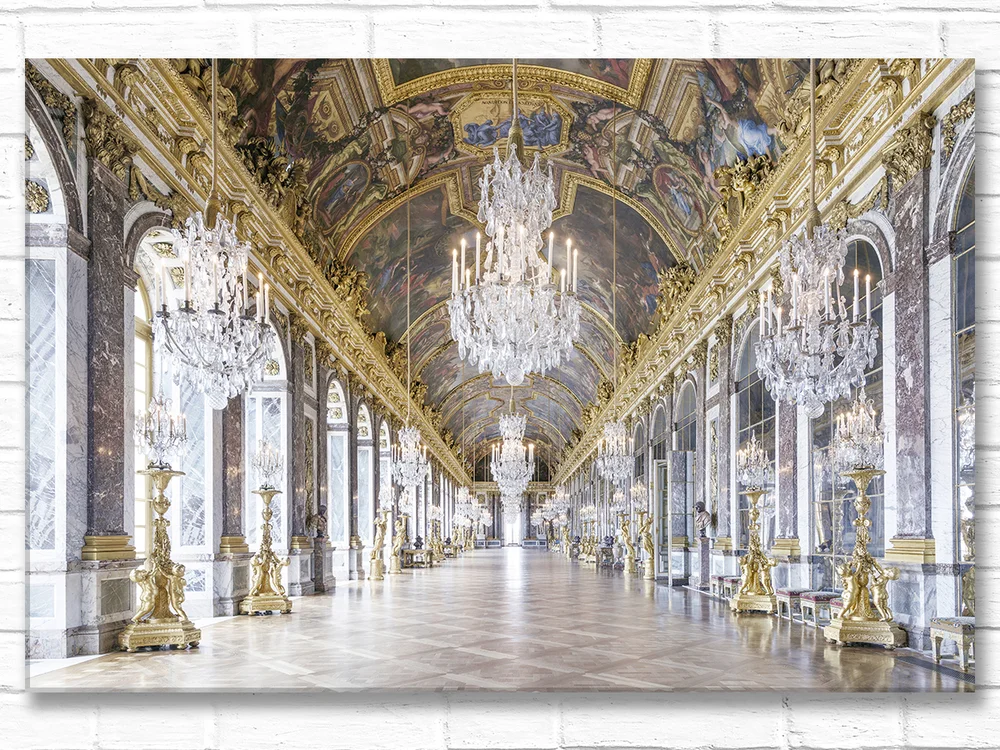
Have you ever stepped into a hallway filled with mirrors and felt like you were walking through a maze of endless reflections? The “Hallway of Mirrors” isn’t just a fun place to explore—it’s a powerful experience that can change how you see yourself and your surroundings.
You’ll discover why these mirrored passages captivate so many people, how they play tricks on your mind, and what secrets they hold beyond their shiny surfaces. Get ready to see things from a whole new angle. Keep reading, and you might just find yourself fascinated by the magic of the Hallway of Mirrors.
Origins Of Mirror Mazes
Mirror mazes are fun and tricky places where mirrors create confusing paths. They make visitors feel lost and amazed. These mazes have a long history that dates back many years.
Understanding where mirror mazes come from helps us enjoy them more. Their origin connects to old stories and cultural ideas about mirrors and reflections.
Historical Background
Mirror mazes first appeared in the 19th century. They became popular at fairs and amusement parks. The goal was to entertain people with optical illusions and puzzles.
Early mirror mazes used glass and mirrors to create many reflections. These reflections made it hard to find the right way. People enjoyed the challenge and the surprise of finding the exit.
- 19th century origins in Europe
- Used in fairs and exhibitions
- Designed to create optical illusions
- Made with glass and mirrors to confuse paths
Cultural Significance
Mirror mazes reflect human curiosity and the love for puzzles. They symbolize mystery and self-reflection in many cultures. People see mirrors as magical or mysterious objects.
In some cultures, mirrors are linked to ideas about the soul and other worlds. Mirror mazes play with these ideas by showing many images of ourselves. This makes the experience both fun and deep.
- Symbolize mystery and curiosity
- Linked to self-reflection and identity
- Used in stories about magic and other worlds
- Offer a playful way to explore perception
Credit: lovetovisitfrance.substack.com
Design Elements
The hallway of mirrors creates a unique space that plays with reflection and light. Design elements focus on how mirrors are placed, how lighting is used, and how the architecture supports the effect.
Each aspect works together to make the hallway feel larger and more dynamic. Thoughtful design brings out the best in this intriguing area.
Mirror Placement Techniques
Mirrors can be placed in various ways to enhance the hallway’s depth and visual interest. Positioning them opposite walls or at angles creates endless reflections.
- Place large mirrors on both sides for a tunnel effect
- Use angled mirrors to reflect different views
- Mix framed and frameless mirrors for texture
- Line mirrors along the floor or ceiling for surprise reflections
Lighting Effects
Lighting changes the mood and clarity of the mirrored hallway. Soft, indirect lights reduce glare. Bright lights highlight reflections.
| Lighting Type | Effect on Mirrors |
| Warm LED | Creates cozy reflections |
| Cool White | Enhances brightness and sharpness |
| Spotlights | Focus on mirror details |
| Ambient Lights | Even light spread without harsh shadows |
Architectural Layouts
The shape and structure of the hallway affect how mirrors and light work together. Narrow or curved hallways offer different challenges and opportunities.
| Layout Type | Design Notes |
|---|---|
| Straight Hallway | Best for symmetrical mirror placement and long reflections |
| Curved Hallway | Creates dynamic angles for mirrors to catch light |
| Wide Hallway | Allows for large mirror panels and varied lighting |
| Multi-corner Hallway | Use mirrors to connect different angles visually |
Psychological Impact
The Hallway of Mirrors creates a unique mental experience. It blurs the line between what is real and what is reflection.
This space affects how people think and feel, making it more than just a visual trick.
Perception And Reality
Mirrors confuse the brain by showing many images at once. What you see is not always true. Your eyes show reflections, not real objects.
- Reflections can create false depth and space.
- Objects may appear multiple times.
- It is hard to tell real paths from mirrored ones.
Cognitive Challenges
The Hallway of Mirrors tests your brain’s ability to process visual cues. It can cause confusion and delay decision-making.
| Challenge | Effect |
| Visual Overload | Difficulty focusing on one image |
| Spatial Confusion | Misjudging distance and direction |
| Memory Strain | Hard to remember correct paths |
Emotional Responses
Visitors feel many emotions in a Hallway of Mirrors. These feelings can change fast as the mind reacts to illusions.
- Surprise from unexpected reflections
- Discomfort from losing clear direction
- Amusement at the playful confusion
- Anxiety when unable to find the exit
Credit: lovetovisitfrance.substack.com
Famous Mirror Mazes Worldwide
Mirror mazes are fun places where visitors get lost in reflections. These mazes use mirrors to create confusing paths. People from all over the world visit famous mirror mazes for fun and challenge.
Many cities have unique mirror mazes. Each one offers a different experience with special designs and effects. Let’s explore some famous mirror mazes and what makes them special.
Notable Examples
The Mirror Maze at the Santa Cruz Beach Boardwalk in California is one of the oldest in the United States. It features many angled mirrors that create tricky illusions.
In Amsterdam, the House of Mirrors offers a mix of mirrors and lights. It creates a fun and colorful maze that is great for families.
The Labyrinth of Reflections in London is known for its artistic mirror patterns. It uses curved mirrors to change the shape of reflections and confuse visitors.
Unique Features
Mirror mazes use different features to make the experience exciting. Some have special lighting, sound effects, or unusual mirror shapes.
- Angled mirrors create many false paths.
- Curved mirrors change how you see yourself.
- Colored lights add mystery and fun.
- Sound effects can make it harder to find the way.
- Hidden doors offer surprises inside the maze.
| Feature | Effect |
| Angled Mirrors | Create multiple reflections |
| Curved Mirrors | Distort images |
| Colored Lights | Change mood and visibility |
| Sound Effects | Add confusion and excitement |
| Hidden Doors | Offer secret paths |
Science Behind Illusions
The hallway of mirrors is a place where you can see amazing illusions. These illusions happen because of light and the way our brain works.
Let’s explore the science that creates these fascinating effects. We’ll look at how light behaves and how our mind interprets these tricks.
Reflection And Refraction
Reflection happens when light bounces off a surface like a mirror. This is why you can see yourself in a mirror.
Refraction is when light bends as it passes through a material. This bending can make objects look different in size or shape.
Visual Tricks
Mirrors can create many visual tricks. They can make a room look bigger or create endless hallways.
Angles of mirrors can change how we see reflections. This can trick our eyes into seeing things that are not there.
- Infinite reflection: mirrors facing each other
- Disappearing objects: hidden by mirror angles
- Double images: slightly angled mirrors
Brain Interpretation
Our brain tries to make sense of what we see. It uses past experiences to understand the images in mirrors.
Sometimes, our brain gets confused by mirror tricks. It might see something that is not really there.
- Familiar shapes: brain fills in missing parts
- Expectations: brain predicts what should be seen
- Ambiguity: brain struggles with unclear images
Creating Your Own Mirror Maze
A hallway of mirrors can be a fun and challenging attraction. You can create your own mirror maze at home with the right materials and steps.
This guide will help you build a mirror maze that is both fun and safe. Follow the instructions carefully to ensure a great experience for everyone.
Materials Needed
Gather all the necessary materials before you start building your mirror maze. Having everything ready will make the process smoother.
- Large mirrors or reflective panels
- Sturdy frames or stands for mirrors
- Soft padding for safety
- Strong adhesive or mounting brackets
- Decorative lights for illumination
- Measuring tape and marker for planning
Step-by-step Guide
Creating a mirror maze involves careful planning and execution. Follow these steps to set up your maze efficiently.
- Plan the layout of your maze using measuring tape and marker.
- Set up the frames or stands in the desired pattern.
- Attach mirrors securely using adhesive or brackets.
- Add soft padding on corners to prevent injury.
- Install decorative lights to enhance visibility.
- Test the maze to ensure it is safe and challenging.
Safety Considerations
Safety is crucial when building a mirror maze. Ensure all elements are secure and stable to prevent accidents.
Use soft padding to cover sharp edges. Make sure the mirrors are firmly attached and cannot fall or break easily.
- Check all mirror attachments regularly for stability.
- Ensure the maze is well-lit to avoid disorientation.
- Keep the floor clear to prevent tripping hazards.
- Monitor maze conditions during use for any risks.
Entertainment And Beyond
The Hallway of Mirrors offers more than just fun. It blends illusions with reality. This makes it a unique experience in many places.
People enjoy it in different ways. From theme parks to art shows and even therapy, the mirrors create special moments.
Use In Theme Parks
Theme parks use Hallways of Mirrors to thrill visitors. The reflections make visitors feel lost or surprised. This adds excitement and fun.
- Creates fun and tricky paths
- Tests visitors’ sense of direction
- Offers photo opportunities with illusions
- Works well with lights and music
Applications In Art
Artists use Hallways of Mirrors to explore space and perception. The mirrors change how we see shapes and colors.
- Infinite reflections
- Distorted images
- Light play and shadows
- Changing perspectives
Therapeutic Uses
Therapists use mirror hallways to help patients with balance and focus. The reflections encourage movement and awareness.
| Use | Benefit |
| Physical therapy | Improves coordination |
| Occupational therapy | Enhances spatial awareness |
| Psychological therapy | Supports mindfulness and calm |

Credit: www.couleurnature.com
Frequently Asked Questions
What Is The Concept Behind The Hallway Of Mirrors?
The Hallway of Mirrors is an artistic installation using mirrors to create optical illusions. It reflects light and images to produce infinite visual effects. This design enhances space perception and engages viewers with a mesmerizing experience.
How Do Mirrors Create Illusions In The Hallway?
Mirrors reflect images and light repeatedly, creating endless reflections. This repetition tricks the eye into seeing infinite depth and complexity. The effect makes the hallway appear larger and more dynamic than it actually is.
Where Can I Find Famous Hallway Of Mirrors Installations?
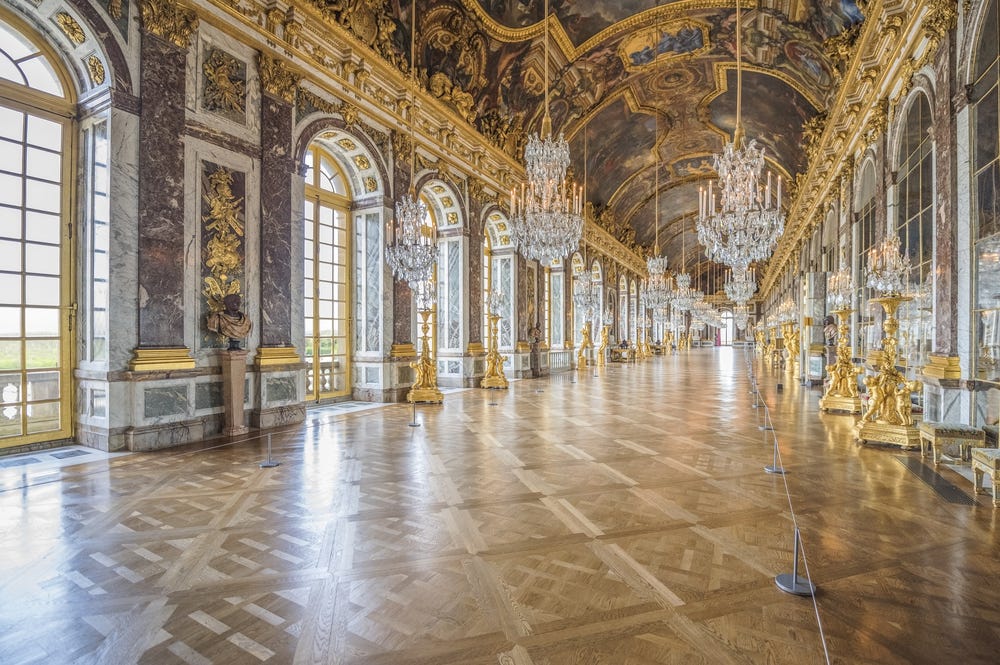
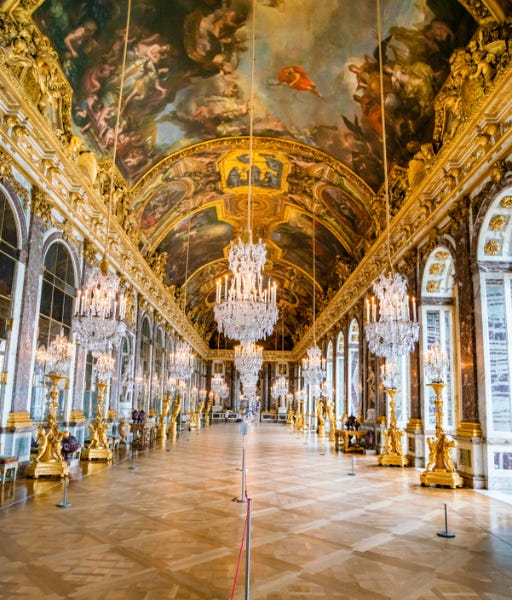
Prominent Hallways of Mirrors exist in art museums and amusement parks worldwide. Examples include the Palace of Versailles and modern art galleries. These locations showcase innovative uses of mirrors for artistic and architectural impact.
Why Is The Hallway Of Mirrors Popular In Design?
The Hallway of Mirrors captivates due to its unique visual effects and spacious feel. It combines aesthetics with optical science, appealing to designers and visitors alike. Its popularity stems from its ability to transform ordinary spaces into extraordinary experiences.
Conclusion
The Hallway of Mirrors offers a unique and thrilling experience. It challenges your mind and senses at every turn. Each reflection creates a new perspective to explore. This place invites curiosity and careful observation. Visitors leave with memories of wonder and surprise.
Step inside, and prepare for an unforgettable journey. The magic of mirrors waits to be discovered.