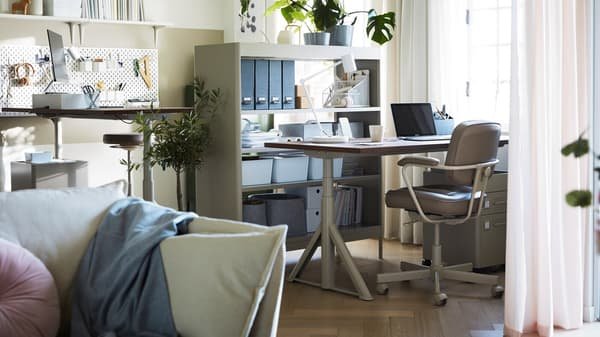
Looking for ways to create the perfect office space at home? You’re not alone.
Your workspace can make a huge difference in how focused, productive, and comfortable you feel every day. Imagine a spot where everything you need is within reach, distractions fade away, and your creativity flows freely. Sounds great, right? You’ll discover simple and smart office space ideas that fit your style and needs.
Ready to transform your home into a workspace you actually look forward to using? Let’s dive in!
Choosing The Right Location
Finding the best spot for your home office is key to working well. The right location helps you stay focused and comfortable.
Look closely at your available space and think about light and quiet. These factors affect your work every day.
Assessing Space Availability
Check the size of rooms or corners you can use. Make sure there is enough room for your desk and chair.
- Measure the area to fit your furniture
- Look for empty or less-used spaces
- Consider storage needs for files and supplies
- Choose a spot with easy access to power outlets
Considering Natural Light
Natural light helps reduce eye strain and boosts mood. Pick a place with good sunlight during work hours.
| Room | Sunlight Exposure | Best Time for Work |
| Living Room | High | Morning |
| Bedroom | Medium | Afternoon |
| Basement | Low | Evening |
Minimizing Distractions
Choose a quiet spot away from noise and busy areas. This helps keep your mind on work.
Try these tips to reduce distractions:
- Pick a room with a door to close
- Keep away from TV and kitchen noise
- Use noise-canceling headphones if needed
- Set clear work hours with family or housemates
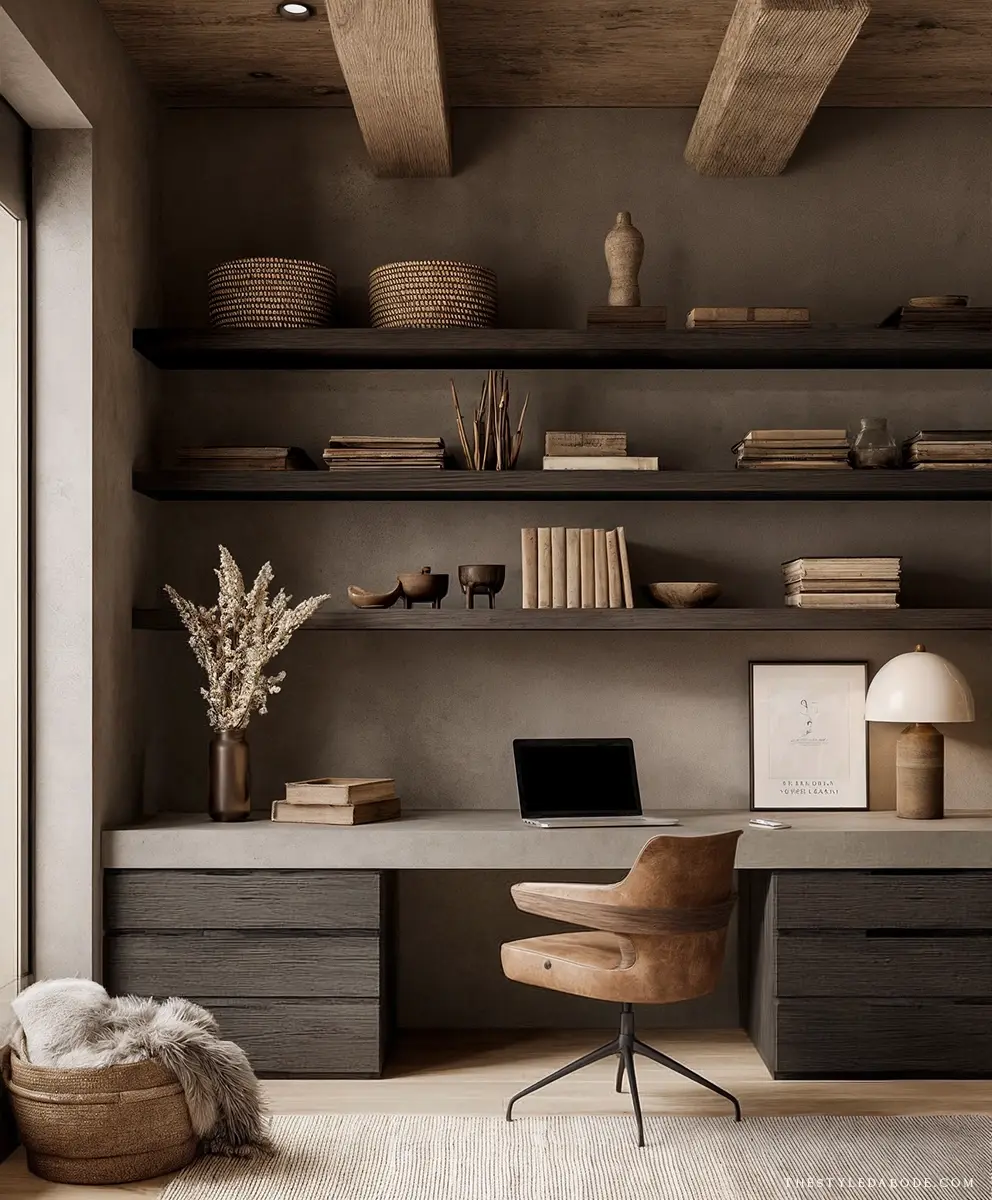
Credit: thestyledabode.com
Ergonomic Furniture Choices
Choosing the right furniture helps keep your body comfortable at work. Ergonomic furniture supports good posture and reduces pain.
Using ergonomic items in your home office makes working easier and healthier every day.
Selecting Comfortable Chairs
A good chair supports your back and lets you sit for hours without pain. Look for chairs with adjustable height and lumbar support.
Comfortable chairs help reduce strain on your spine and improve focus during work.
- Adjust seat height to keep feet flat on the floor
- Choose chairs with cushioned seats and backrests
- Use armrests to reduce shoulder tension
- Ensure good lower back support
Adjustable Desks Benefits
Adjustable desks let you change between sitting and standing. This helps reduce fatigue and improves blood flow.
Standing desks can boost energy and lower the risk of back problems over time.
- Switch between sitting and standing to stay active
- Adjust desk height to match your body size
- Use a desk that fits your space and work needs
Organized Storage Solutions
Keeping your workspace tidy helps you stay focused and saves time. Use storage that fits your items and keeps them easy to reach.
Good storage reduces clutter and makes your office look neat and professional.
- Use shelves to store books and files
- Choose drawers for small office supplies
- Label storage boxes for quick access
- Keep cables organized with clips or ties
Creative Layout Designs
Designing a home office needs smart ideas. You want a space that feels good and works well.
Creative layouts help you stay focused and enjoy your work at home.
Open Vs. Closed Spaces
Open spaces feel large and bright. They help you move freely and feel less stuck.
Closed spaces give privacy and fewer distractions. They work well for deep focus and calls.
- Open spaces use fewer walls or partitions.
- Closed spaces have separate rooms or cubicles.
- Open spaces suit creative and team work.
- Closed spaces fit tasks needing quiet and focus.
Zoning For Different Tasks
Divide your office into zones for each task. This keeps your work clear and organized.
For example, have a spot for computer work, another for reading, and one for meetings.
- Work zone: desk and computer setup
- Reading zone: comfortable chair and good light
- Meeting zone: table and chairs for talks
- Storage zone: shelves and drawers for supplies
Incorporating Collaborative Areas
Collaborative areas let you work with others. This helps share ideas and solve problems.
These areas should have space for group seating and tools for teamwork.
- Use round tables for easy talking
- Add whiteboards or pinboards for notes
- Include extra chairs for guests
- Keep the area flexible for different needs
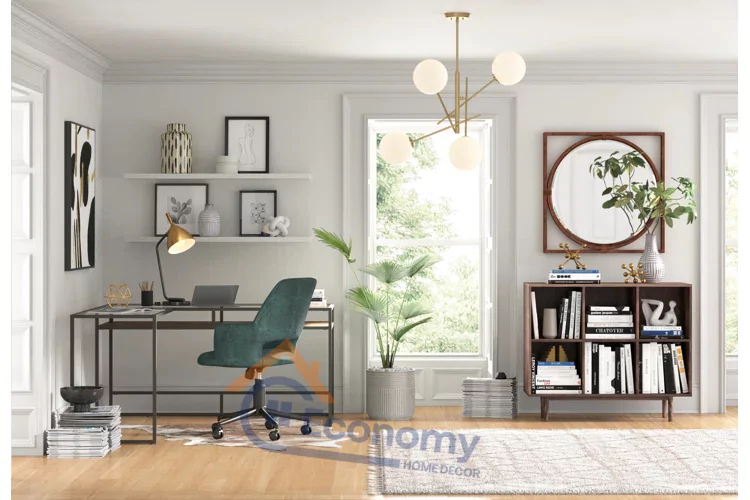
Credit: economyhomedecor.com
Inspiring Color Schemes
Choosing the right colors can make your home office feel comfortable and productive. Colors affect your mood and focus.
Try different color ideas to create a space that helps you work well every day.
Colors That Enhance Focus
Some colors help you stay alert and concentrate better. Blue tones calm the mind and improve focus.
Green reduces eye strain and adds a natural feel. Soft yellows can boost energy without distraction.
- Blue: Calming and improves concentration
- Green: Reduces eye fatigue and relaxes
- Yellow: Adds warmth and energy
Using Accent Walls
An accent wall adds color without overwhelming the room. It creates a focal point that inspires creativity.
Pick a bold color for one wall and keep the others neutral. This balance keeps the space calm and lively.
- Choose one wall for the accent color
- Use deep blues, greens, or warm reds
- Keep other walls light and simple
Balancing Bright And Neutral Tones
Mix bright colors with neutral shades for a balanced look. Neutral tones like white or beige calm bright accents.
This mix keeps the room fresh and inviting. It stops colors from feeling too strong or dull.
- Use neutral colors for walls and large furniture
- Add bright cushions, lamps, or art
- Keep the space light with soft natural light
Smart Lighting Options
Good lighting helps you work better at home. It keeps you alert and focused during the day.
Smart lighting lets you change light to fit your tasks and mood. It saves energy and feels comfortable.
Combining Natural And Artificial Light
Use windows to bring in natural light. It helps reduce eye strain and lifts your mood.
Mix natural light with smart bulbs. They adjust brightness based on the time of day.
- Place your desk near a window
- Use curtains to soften sunlight
- Choose bulbs that match daylight color
- Set timers to dim lights at night
Adjustable Desk Lamps
Desk lamps with adjustable brightness help you see clearly. You can change light for reading or screen work.
Choose lamps with flexible arms. Move light where you need it most to avoid shadows.
- Look for lamps with dimmer switches
- Pick lamps with warm and cool light settings
- Use LED bulbs for energy savings
- Adjust lamp height and angle easily
Reducing Eye Strain
Eye strain makes you tired and less focused. Good lighting cuts down glare and flicker.
Use soft, even light to reduce harsh shadows. Take breaks to rest your eyes regularly.
- Use anti-glare screens on monitors
- Set lights to avoid screen reflections
- Keep room lighting balanced
- Follow the 20-20-20 rule: every 20 minutes, look 20 feet away for 20 seconds
Personalizing Your Workspace
Creating a personal workspace at home boosts productivity and comfort. It should reflect your style and needs.
With simple additions, you can make your office space both functional and inspiring. Let’s explore some ideas.
Adding Plants For Freshness
Plants bring life and fresh air into your workspace. They can reduce stress and improve your mood.
- Choose low-maintenance plants like succulents.
- Place a small potted plant on your desk.
- Use hanging plants to save space.
Incorporating Art And Decor
Art and decor make your workspace visually appealing. They also reflect your personality and taste.
Consider these ideas for adding art and decor:
- Hang a favorite painting or photo.
- Use decorative bookends on shelves.
- Display a unique sculpture or figurine.
Using Motivational Elements
Motivational elements inspire and keep you focused. They can be quotes, images, or symbols that mean something to you.
| Element | Purpose |
| Quote Poster | Boosts motivation |
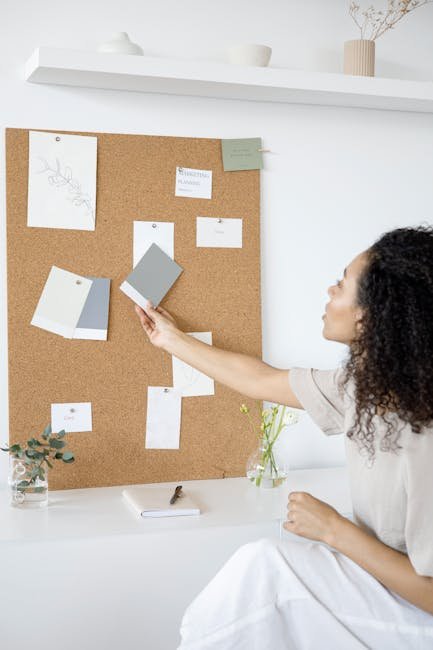
| Vision Board | Clarifies goals |
| Success Tokens | Reminds achievements |
Technology Integration
Creating an efficient office space at home requires smart technology use. Integrating tech tools can improve productivity and keep your workspace organized.
Here are some ideas to help you set up a tech-friendly office space that blends with your home environment.
Cable Management Tips
Messy cables can clutter your desk and distract you. Proper cable management keeps your space tidy.
- Use cable ties to bundle wires together.
- Label cables to identify them easily.
- Install a cable tray under your desk.
Essential Tech Tools
Having the right tech tools can make your work easier. Choose devices that fit your needs and space.
| Tool | Purpose |
| Wireless Mouse | Improves navigation |
| Noise-Canceling Headphones | Blocks distractions |
| Webcam | For virtual meetings |
Creating A Virtual Meeting Zone
Virtual meetings are part of modern work life. A dedicated area helps you stay professional.
Set up good lighting and a neutral background. This makes your video calls look more professional.
Maintaining Organization
Keeping your home office organized helps you work better. A tidy space lowers stress and saves time.
Simple habits and smart systems keep your office neat every day. Let’s explore easy ways to stay organized.
Decluttering Strategies
Remove items you do not use often. Keep only tools and papers needed for daily work.
Sort items into categories like supplies, documents, and electronics. Store them in clear containers or drawers.
- Set a weekly time to clear your desk
- Donate or recycle unused items
- Use small boxes for loose items
Efficient Filing Systems
Organize papers with folders labeled by topic or date. This makes finding files quick and easy.
Use digital tools to scan important documents. Keep backups on your computer or cloud storage.
- Label folders clearly and use colors
- File documents immediately after use
- Delete or shred unneeded papers regularly
Daily Maintenance Habits
Spend five minutes at the end of each day to tidy your desk. Put tools and papers back in their places.
Check your schedule and plan tasks for tomorrow. This keeps your workspace ready and your mind clear.
- Clear desk surface every evening
- Organize cables and chargers
- Review and update to-do lists daily
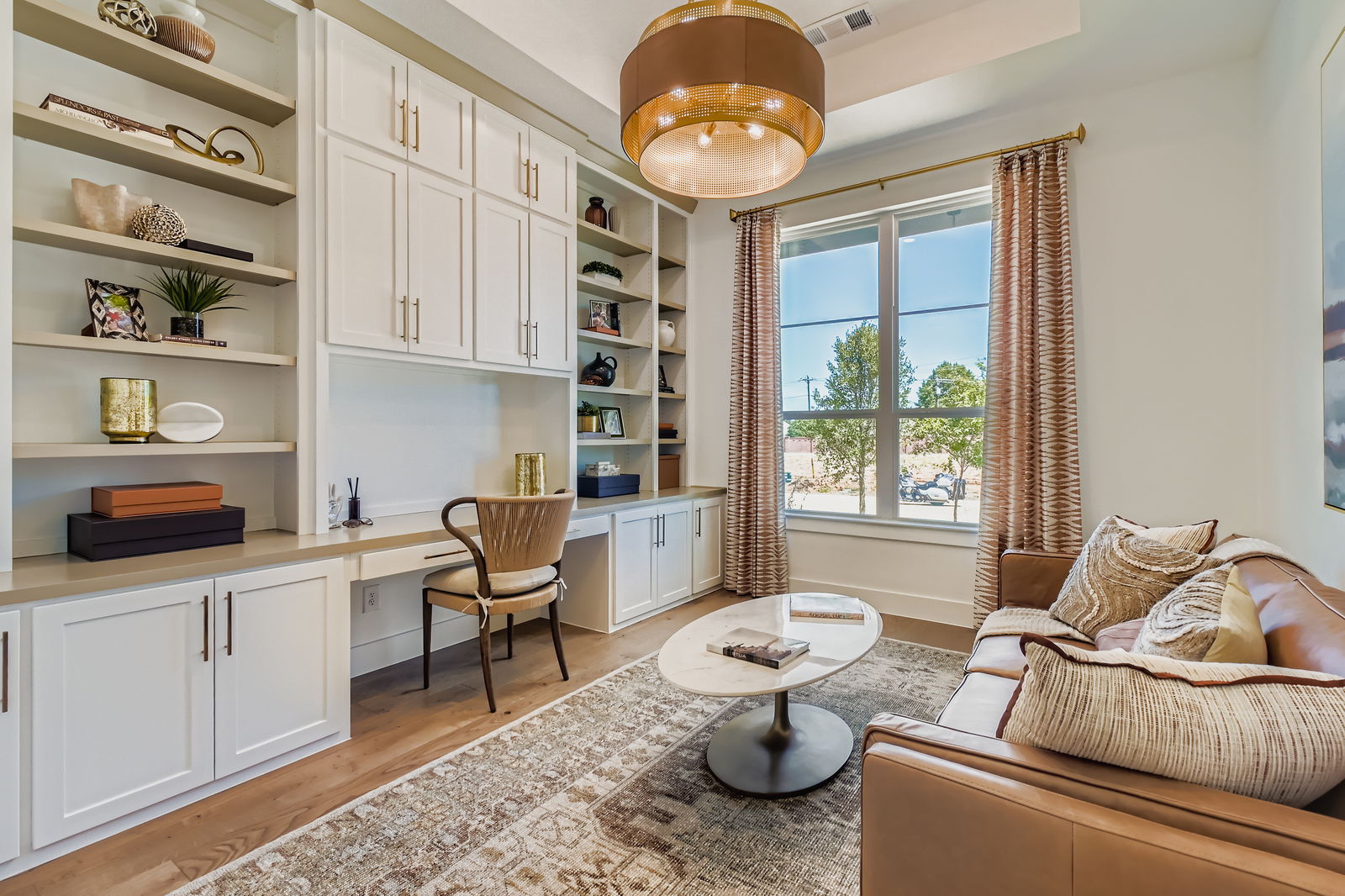
Credit: www.amlegendhomes.com
Frequently Asked Questions
What Are The Best Locations For A Home Office Space?
Ideal home office locations include quiet corners, spare rooms, or underutilized spaces. Choose areas with natural light and minimal distractions to boost productivity and comfort.
How Can I Maximize Small Home Office Spaces?
Use vertical storage, multi-functional furniture, and wall-mounted shelves. Keep the area organized and clutter-free to create an efficient and spacious work environment even in small spaces.
What Lighting Is Best For A Home Office?
Natural light is best, supplemented by adjustable LED desk lamps. Proper lighting reduces eye strain and enhances focus during long work hours.
How To Create An Ergonomic Home Office Setup?
Invest in an adjustable chair, desk, and monitor stand. Maintain proper posture to avoid strain and improve comfort during work.
Conclusion
Creating a home office can boost your work and mood. Small changes make big differences in comfort and focus. Choose a quiet spot and organize your desk well. Add personal touches to feel happy and relaxed. Keep your space neat to stay productive every day.
Enjoy your new office and work with ease.