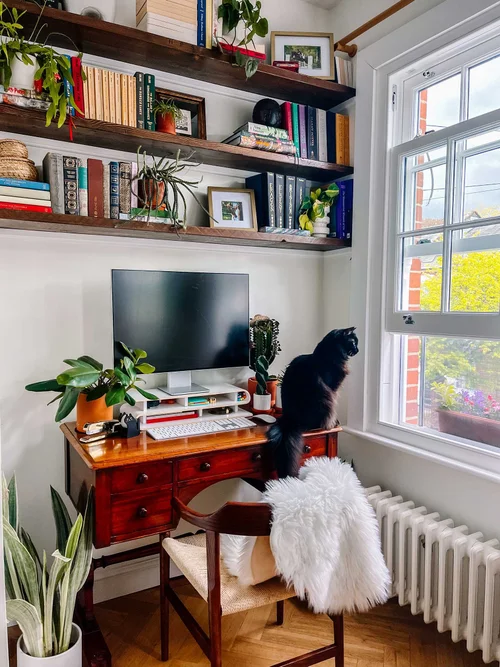
Are you struggling to make your home office feel comfortable and productive? The way you arrange your furniture can change everything—from boosting your focus to reducing stress.
Imagine walking into your workspace and instantly feeling motivated and organized. You’ll discover simple yet powerful home office furniture arrangement ideas that fit your space and style. These tips will help you create a setup that works for you, so you can get more done with less effort.
Ready to transform your home office? Let’s dive in!

Credit: www.digsdigs.com
Choosing The Right Desk
Picking the right desk is key for your home office. It helps you work better and feel good.
Your desk should fit your space and work style. Think about size, comfort, and placement.
Compact Vs. Spacious Desks
Compact desks save space and fit small rooms. They are good if you have little space.
Spacious desks offer more room for work and storage. They suit bigger rooms and more tasks.
- Compact desks fit in corners and small areas
- Spacious desks allow multiple monitors and papers
- Choose based on how much space you have
- Think about what you need to keep on your desk
Adjustable And Ergonomic Options
Adjustable desks let you change height for sitting or standing. This helps your body feel better.
Ergonomic desks support good posture. They reduce strain on your back and neck.
- Look for desks with adjustable height settings
- Choose desks with enough space for ergonomic chairs
- Use keyboard trays or monitor stands to improve comfort
Desk Placement Tips
Place your desk near natural light to boost mood and focus. Avoid glare on your screen.
Keep your desk away from distractions. A quiet corner helps you concentrate better.
- Face the desk toward a window if possible
- Keep your back to the wall for support
- Allow space to move around your desk freely
- Organize cables and accessories neatly
Optimal Chair Selection
Choosing the right chair for your home office is key to working comfortably. The right chair supports your body and reduces strain during long hours.
Consider features that fit your needs and match your workspace style. Proper chair positioning also helps maintain good posture.
Ergonomic Features To Look For
An ergonomic chair helps prevent pain and injury. Look for adjustable parts that fit your body shape and work habits.
- Adjustable seat height to keep feet flat on the floor
- Good lumbar support to protect the lower back
- Swivel base for easy movement and reach
- Armrests that support your arms without raising your shoulders
- Breathable materials to reduce heat build-up
Matching Style With Comfort
Your chair should look good in your home office and feel comfortable. Style and comfort together create a pleasant work environment.
| Style | Comfort Features |
| Modern | Mesh back, adjustable height |
| Classic | Cushioned seat, wooden armrests |
| Minimalist | Simple design, lightweight frame |
| Ergonomic | Full support, multiple adjustments |
Positioning For Support
Place your chair so you sit with good posture. Proper positioning eases pressure on your back and neck.
Tips for chair positioning:
- Keep your feet flat on the floor or on a footrest
- Adjust the seat height so your knees are level with your hips
- Keep your back straight and supported by the chair’s backrest
- Position armrests to allow your shoulders to relax
Smart Storage Solutions
Keeping your home office tidy helps you work better. Smart storage solutions save space and keep things organized.
Use clever ideas to store your items neatly. This makes your workspace clean and easy to use.
Vertical Shelving Ideas
Vertical shelves use wall space well. You can store books, files, and decor without using floor space.
- Install tall shelves to hold binders and boxes
- Use floating shelves for a modern look
- Add hooks below shelves for hanging supplies
- Place plants or photos to personalize your space
Hidden Storage Options
Hidden storage keeps your desk clutter-free. It hides supplies and papers out of sight.
| Storage Type | Use | Best For |
|---|---|---|
| Under-desk drawers | Store papers and small tools | Easy access and hidden |
| Ottoman with storage | Hide bulky items or blankets | Dual purpose furniture |
| Wall cabinets | Keep files and office tools | Out of sight, organized |
Organizing Supplies Efficiently
Good organization saves time and reduces stress. Group your supplies by type and use containers to keep them neat.
- Use clear jars for pens and pencils
- Label boxes for paper clips, sticky notes, and cables
- Keep a tray on your desk for daily-use items
- Store backup supplies in bins under the desk

Credit: www.digsdigs.com
Lighting For Focus And Comfort
Good lighting is key to a comfortable home office. It helps you focus and reduces eye strain.
Using the right mix of light sources creates a productive workspace. This guide covers lighting ideas for your home office.
Natural Light Utilization
Natural light boosts mood and keeps you alert during work. Place your desk near a window to get daylight.
Use sheer curtains to soften the sunlight. This stops glare without blocking light.
- Face your desk toward the window for even light
- Avoid direct sunlight on screens to prevent glare
- Keep windows clean for maximum light
Task Lighting Choices
Task lighting helps you see details clearly. A good desk lamp lights your work area well.
Choose lamps with adjustable arms and brightness. This gives you control over your light source.
- Use LED bulbs for bright, energy-saving light
- Pick warm light for comfort or cool light for focus
- Position lamps to shine directly on your work
Avoiding Glare And Shadows
Glare and shadows make it hard to see and cause eye strain. Arrange lights to reduce these problems.
Place lights at different angles and avoid bright light behind your screen.
- Use blinds or curtains to control outside light
- Keep work surfaces clear to avoid unwanted shadows
- Use diffused lighting for soft, even light
Creating Zones For Productivity
Arranging your home office with different zones helps you work better. Clear zones make tasks easier and keep you focused.
Each zone serves a special purpose. This reduces clutter and distraction in your workspace.
Separate Work And Break Areas
Keep your work area apart from your break space. This helps your brain switch between work and rest.
A work area should have your desk, chair, and work tools. A break area can have a comfy chair or small sofa.
- Work area: desk, computer, office supplies
- Break area: comfortable chair, small table, plants
- Use rugs or room dividers to mark zones
Designating Tech And Paper Zones
Create a spot for your tech devices like computers and printers. Keep cables and chargers organized here.
Have a separate space for paper work and files. Use shelves or drawers to keep papers tidy and easy to find.
- Tech zone: desk, computer, printer, charging station
- Paper zone: filing cabinet, shelves, desk organizer
- Label drawers and folders for easy access
Incorporating Relaxation Spaces
Adding a small relaxation space helps reduce stress during work hours. Use soft seating and calming decor.
Choose a quiet corner with a comfy chair or cushion. Add items like a small lamp or plants to make it cozy.
- Comfy chair or floor cushion
- Soft lighting like a desk lamp
- Plants or calming decor items
- Keep this area free from work tools
Decor That Enhances Focus
A well-arranged home office helps you stay focused and work better. The right decor reduces distractions and boosts your concentration.
Simple changes in your office setup can create a calm and productive space. Use colors, art, and plants to build a better work environment.
Color Schemes For Concentration
Colors influence how well you focus. Soft, cool colors calm the mind and improve attention. Choose shades that help you feel relaxed but alert.
Avoid bright and flashy colors that can distract you. Stick to simple tones that create a peaceful work area.
- Blue tones help with calm and clear thinking
- Green shades reduce eye strain and boost focus
- Light gray creates a neutral, distraction-free space
- Pastel colors add softness without too much energy
Inspiring Wall Art Ideas
Wall art can motivate you and make your office feel personal. Choose pieces that inspire calm and creativity without cluttering your space.
Simple designs and positive messages help keep your mind focused on work goals. Avoid overly busy or bright art that pulls your attention away.
- Minimalist prints with nature themes
- Motivational quotes in clear, easy fonts
- Abstract art with soft colors
- Photos of calming landscapes or places you love
Adding Greenery And Personal Touches
Plants improve air quality and create a relaxing environment. Add small pots on your desk or shelves to bring nature indoors.
Personal items like photos or small objects remind you of what matters. Use them sparingly so they don’t distract you from work.
- Succulents or small indoor plants for easy care
- Fresh flowers for a touch of color and scent
- Framed photos of family or friends
- Simple desk accessories that reflect your style
Cable Management Tips
Arranging home office furniture can be tricky. Cables can create clutter and chaos. Good cable management helps keep your workspace tidy.
Simple solutions can hide and organize cables. It makes your office look clean and professional.
Using Cable Organizers
Cable organizers help keep wires in place. They prevent tangles and make your desk neat.
There are different types of cable organizers. Choose the one that suits your needs best.
- Velcro straps bundle cables together
- Cable clips attach wires to the desk
- Cable boxes hide power strips and cords
Concealing Wires Effectively
Concealing wires makes your office look tidy. It also prevents tripping hazards.
Use furniture to hide wires. Run cables along the back of desks or cabinets.
- Use cord covers to hide floor cables
- Attach cables under the desk with clips
- Paint cord covers to match the wall
Maintaining A Tidy Workspace
A tidy workspace boosts productivity. Regularly check and organize your cables.
Label cables to know which one is which. This makes adjustments easier and faster.
- Label each cable with tags
- Use different colors for different devices
- Bundle excess cable length neatly

Credit: www.hgtv.com
Maximizing Small Spaces
Arranging home office furniture in small spaces can be challenging. It’s important to use every inch wisely.
Smart furniture choices can make a small office feel bigger. Let’s explore some ideas to maximize your space.
Foldable And Multi-functional Furniture
Foldable furniture saves space when not in use. Multi-functional pieces serve more than one purpose.
- Foldable desks can be stored away easily
- Chairs with storage help keep the area tidy
- Sofa beds provide seating and sleep space
Utilizing Corners Creatively
Corners are often overlooked in small spaces. Use them to your advantage with smart furniture placement.
Corner desks fit snugly and create more floor space. Corner shelves add storage without taking up much room.
Minimalist Design Principles
Minimalist design keeps your office clutter-free. Choose simple furniture and keep decorations to a minimum.
A clean desk boosts focus and productivity. Less clutter means more room to move and think.
Frequently Asked Questions
What Is The Best Layout For Small Home Office Spaces?
A compact L-shaped desk maximizes corner space efficiently. Use vertical storage like shelves to keep clutter off the desk. Position your desk near natural light to boost productivity and reduce eye strain.
How To Arrange Furniture For A Productive Home Office?
Place your desk facing a window or away from distractions. Use ergonomic chairs for comfort and support. Keep essential items within arm’s reach and maintain clear pathways for easy movement.
Which Furniture Pieces Are Essential For A Home Office?
A sturdy desk, ergonomic chair, and adequate storage are key. Add a filing cabinet or bookshelf to organize documents. Consider a desk lamp for focused lighting and a comfortable rug for warmth.
How To Create A Comfortable Work Zone At Home?
Choose adjustable furniture to fit your posture needs. Use soft lighting and add personal touches like plants or art. Keep your work area tidy to reduce stress and improve focus.
Conclusion
A well-arranged home office boosts focus and comfort. Small changes create a big difference. Choose furniture that fits your space and needs. Keep your area neat and clutter-free. Bright light helps you stay alert and work better. Add personal touches to make the space inviting.
Try different layouts until you find what works best. A good setup makes working from home easier and more enjoyable. Take time to plan your office carefully. Your productivity will thank you.
