
Are you looking to transform your hallway from plain to stunning? Wainscoting is one of the easiest and most stylish ways to add charm and character to this often overlooked space.
Imagine walking through a hallway that feels warm, inviting, and full of personality every time you step inside. You’ll discover simple yet powerful wainscoting hallway ideas that can elevate your home’s look without breaking the bank. Ready to make your hallway a space that truly stands out?
Keep reading to find the perfect style for your home.
Credit: www.etsy.com
Choosing Wainscoting Styles
Wainscoting adds style and protection to hallway walls. Picking the right style can change the whole look.
Each wainscoting style has a unique design and feel. Learn about popular options to find one that fits your home.
Beadboard Basics
Beadboard features narrow vertical planks with small grooves or “beads” between them. It gives a cozy, cottage look.
- Easy to install and paint
- Works well in casual or rustic spaces
- Protects walls from scuffs and dents
Raised Panel Elegance
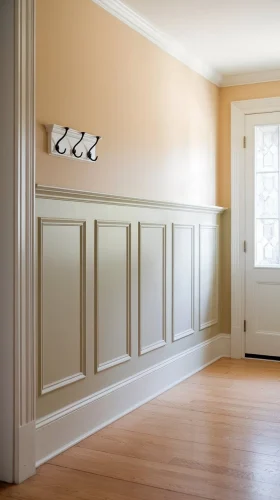
Raised panel wainscoting has framed panels that stick out slightly. It looks formal and adds depth to hallways.
| Feature | Description |
| Appearance | Panels with a raised center |
| Style | Classic and elegant |
| Maintenance | Needs careful cleaning to keep details |
Flat Panel Simplicity
Flat panel wainscoting offers smooth, clean surfaces. It fits modern and minimalist hallway designs well.
This style uses flat boards without raised details. It is simple but stylish and easy to maintain.
Board And Batten Charm
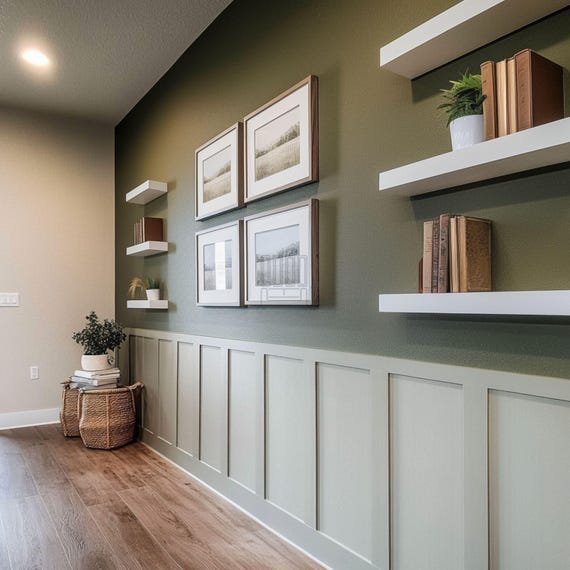
Board and batten uses wide boards with narrow strips over the seams. It creates a strong, structured look.
- Good for farmhouse and rustic halls
- Adds texture and interest to walls
- Can be painted or stained
Best Materials For Hallway Wainscoting
Wainscoting adds style and protection to hallway walls. Choosing the right material is key for lasting beauty.
This guide covers popular materials for hallway wainscoting. Learn about wood, moisture-resistant, and eco-friendly options.
Classic Wood Options
Wood is a traditional choice for wainscoting. It offers warmth and natural texture to hallways.
Common woods include oak, maple, and pine. Each type has unique grain and color tones.
- Oak is strong and has a coarse grain.
- Maple is smooth with a light color.
- Pine is softer and easy to paint.
Moisture-resistant Alternatives
Hallways near bathrooms or kitchens may need moisture-resistant materials. These resist warping and damage.
Options like PVC and composite boards work well. They handle humidity better than natural wood.
- PVC is waterproof and easy to clean.
- Composite boards mix wood fibers and plastic.
- MDF with waterproof coating is budget-friendly.
Eco-friendly Choices
Eco-friendly materials reduce environmental impact. They use sustainable or recycled content.
Bamboo and reclaimed wood are popular green options. They add character and keep forests safe.
- Bamboo grows fast and is very strong.
- Reclaimed wood reuses old timber with unique marks.
- Low-VOC paints keep indoor air clean.
Color And Finish Ideas
Wainscoting can transform your hallway into a stylish space. The color and finish you choose will greatly affect the room’s mood.
Explore different hues and finishes to find the perfect fit for your home. Let’s dive into some exciting options.
Bold Hues For Impact
Bold colors can make a strong statement in a hallway. They add personality and flair to your space.
- Deep navy blue for a classic look
- Rich burgundy for warmth
- Vibrant emerald green for elegance
Soft Neutrals For Warmth
Soft neutrals create a cozy and inviting atmosphere. They are perfect for a calm and relaxing feel.
| Color | Effect |
| Beige | Warm and cozy |
| Light gray | Modern and sleek |
| Cream | Bright and airy |
Glossy Vs Matte Finishes
Choosing between glossy and matte finishes can change the entire look of your wainscoting.
Glossy finishes reflect light, making spaces appear larger. Matte finishes offer a more subdued, sophisticated look.
Credit: thegreenfortune.com
Creative Layouts And Heights
Wainscoting can transform any hallway. It adds style and texture. Different layouts and heights offer unique looks.
Explore how full wall coverage, partial height designs, and mixing textures can enhance your space.
Full Wall Coverage
Covering the full wall with wainscoting creates a grand look. It can make a hallway feel taller and more elegant. This style suits both modern and traditional homes.
| Material | Benefits |
| Wood | Warmth and richness |
| MDF | Cost-effective and versatile |
| Vinyl | Durable and easy to clean |
Partial Height Designs
Partial height wainscoting is popular. It usually covers one-third of the wall. This style adds charm without overwhelming the space.
- Choose a height that complements your hallway’s dimensions.
- Pair with a neutral paint color for balance.
- Consider adding a decorative ledge on top.
Mixing Textures And Patterns
Combining textures and patterns in wainscoting brings interest. Try mixing beadboard with panel molding for depth. This can enhance the visual appeal of your hallway.
Lighting To Enhance Wainscoting
Wainscoting adds style and texture to your hallway walls. Proper lighting can highlight these beautiful details well.
Good lighting makes the wainscoting stand out and creates a warm, inviting space.
Wall Sconces And Fixtures
Wall sconces are perfect for lighting up wainscoting. They shine light directly on the wall panels.
Choose fixtures that match your hallway style. Soft light brings out the texture and color of the wainscoting.
- Place sconces evenly along the hallway
- Pick warm white bulbs for cozy lighting
- Use dimmers to control brightness
Natural Light Considerations
Natural light can enhance the look of wainscoting during the day. It shows the real colors and fine details.
Keep windows clear to allow sunlight to flow in. Use light curtains to soften strong sunlight without blocking it.
- Position furniture to avoid blocking windows
- Use reflective surfaces to spread light
- Keep window treatments light and airy
Accent Lighting Tips
Accent lighting adds extra focus to your wainscoting. It creates shadows that show off textures.
Use small spotlights or LED strips near the base or top of the wainscoting for best effect.
- Install LED strips under chair rails
- Use adjustable spotlights for control
- Choose warm tones for a soft glow
Diy Installation Tips
Wainscoting adds charm and character to any hallway. Installing it yourself saves money and gives you control over the design. Careful preparation and the right tools make the project easier.
This guide covers measuring and planning, tools and materials, and painting tips. Follow these simple ideas for a neat, professional look.
Measuring And Planning
Measure your hallway walls accurately before buying materials. Check wall height and length to figure out how much wainscoting you need. Planning saves waste and extra trips to the store.
- Use a tape measure for length and height.
- Mark measurements clearly on paper or a digital device.
- Decide the height of the wainscoting panels.
- Plan where the panels will join and align.
- Consider door and window placements for cuts.
Tools And Materials Needed
Gather all tools and materials before starting. Having everything ready makes the work flow faster and smoother.
| Item | Purpose |
| Tape Measure | Measure walls and panels |
| Miter Saw | Cut panels at angles |
| Level | Ensure panels are straight |
| Hammer and Nails | Attach panels to wall |
| Wood Glue | Secure joints |
| Sandpaper | Smooth surfaces and edges |
| Caulk | Fill gaps between panels and wall |
| Paint and Brushes | Finish and protect panels |
Painting And Finishing Touches
Painting gives your wainscoting a clean, polished look. It also protects the wood from damage. Take time to prepare and finish carefully.
- Sand panels lightly to remove rough spots.
- Apply a primer for better paint adhesion.
- Use painter’s tape to protect walls and floors.
- Choose paint that matches your hallway style.
- Apply two thin coats for even coverage.
- Remove tape before the paint dries fully.
- Fill nail holes and gaps with caulk or wood filler.
- Touch up any missed spots after drying.
Maintenance And Care
Wainscoting adds charm to any hallway. To keep it looking great, regular care is important. Proper maintenance helps protect the wood and finish.
Below are simple tips on cleaning, fixing damages, and long-term upkeep for your wainscoting.
Cleaning Techniques
Dust your wainscoting often to prevent buildup. Use a soft cloth or a vacuum with a brush attachment. For deeper cleaning, a damp cloth with mild soap works well.
- Use a microfiber cloth to dust weekly
- Apply mild soap mixed with water for stains
- Dry the surface immediately after cleaning
- Avoid harsh chemicals that can damage wood
Repairing Damages
Small scratches and dents are common in hallways. Fix these issues quickly to keep wainscoting neat. Wood filler and touch-up markers are helpful tools.
| Type of Damage | Repair Method |
| Small scratches | Use a wood stain marker |
| Dents | Apply wood filler, then sand smooth |
| Loose panels | Re-glue or nail securely |
| Peeling paint | Sand, prime, and repaint area |
Long-term Upkeep
Keep your hallway wainscoting strong and beautiful for years. Regular inspection helps catch problems early. Maintain the finish and control humidity levels.
- Check for loose boards or cracks twice a year
- Reapply sealant or paint every few years
- Use a humidifier to avoid wood warping
- Protect against water damage near doors
Credit: www.blesserhouse.com
Inspiring Hallway Transformations
Wainscoting adds charm and style to hallways. It can turn a plain space into a stunning area.
There are many ways to use wainscoting in hallways. Each style creates a unique look and feel.
Modern Minimalist Spaces
Modern minimalist hallways use simple, clean wainscoting designs. They keep the space bright and open.
White or light gray panels work well. The lines should be straight and smooth for a sleek look.
- Use flat panels or shaker styles
- Keep colors neutral and soft
- Add subtle lighting for depth
Classic Traditional Looks
Traditional hallways often feature raised or beadboard wainscoting. These add a timeless, elegant feel.
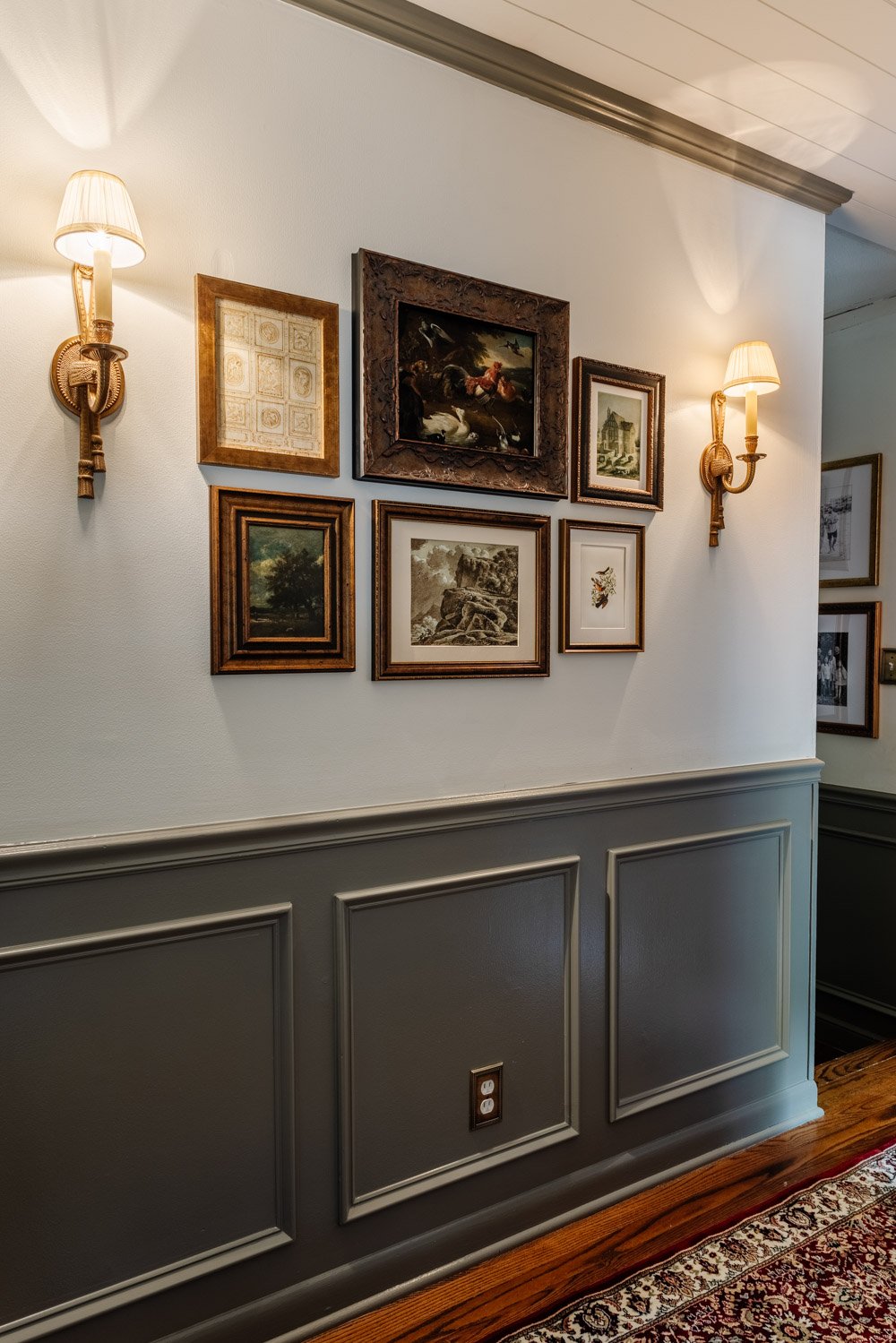
Dark wood stains or white paint highlight the classic design. Crown molding above the panels adds richness.
- Choose detailed paneling styles
- Pair with vintage light fixtures
- Use warm tones for a cozy feel
Rustic And Cottage Styles
Rustic hallways use natural wood or distressed wainscoting. This style feels warm and inviting.
Soft colors like cream or pastel green fit cottage styles well. Rough textures add character and charm.
- Use reclaimed wood for panels
- Paint in soft, earthy colors
- Mix with vintage or handmade decor
Frequently Asked Questions
What Are The Best Wainscoting Styles For Hallways?
Popular hallway wainscoting styles include beadboard, raised panel, and board-and-batten. Each style adds texture and charm to narrow spaces. Choose a style that complements your home’s decor for a cohesive look.
How High Should Wainscoting Be In A Hallway?
Wainscoting height usually ranges from 32 to 42 inches. This height balances wall protection and aesthetic appeal. Adjust based on ceiling height and personal preference for best results.
Can Wainscoting Make A Hallway Look Bigger?
Yes, wainscoting can visually expand a hallway. Light colors and vertical patterns create an illusion of height and space. It adds depth and sophistication without overwhelming narrow areas.
What Materials Are Ideal For Hallway Wainscoting?
Common materials include MDF, wood, and PVC. MDF is affordable and easy to paint. Wood offers durability and a classic look. PVC resists moisture, ideal for humid areas.
Conclusion
Wainscoting adds charm and style to any hallway space. It creates a warm and inviting feel. You can choose from many designs to fit your taste. Painted or natural wood both work well. This simple change makes hallways look fresh and neat.
Small details bring big impact. Try wainscoting to brighten your hallway today. It’s an easy way to improve your home’s look.
