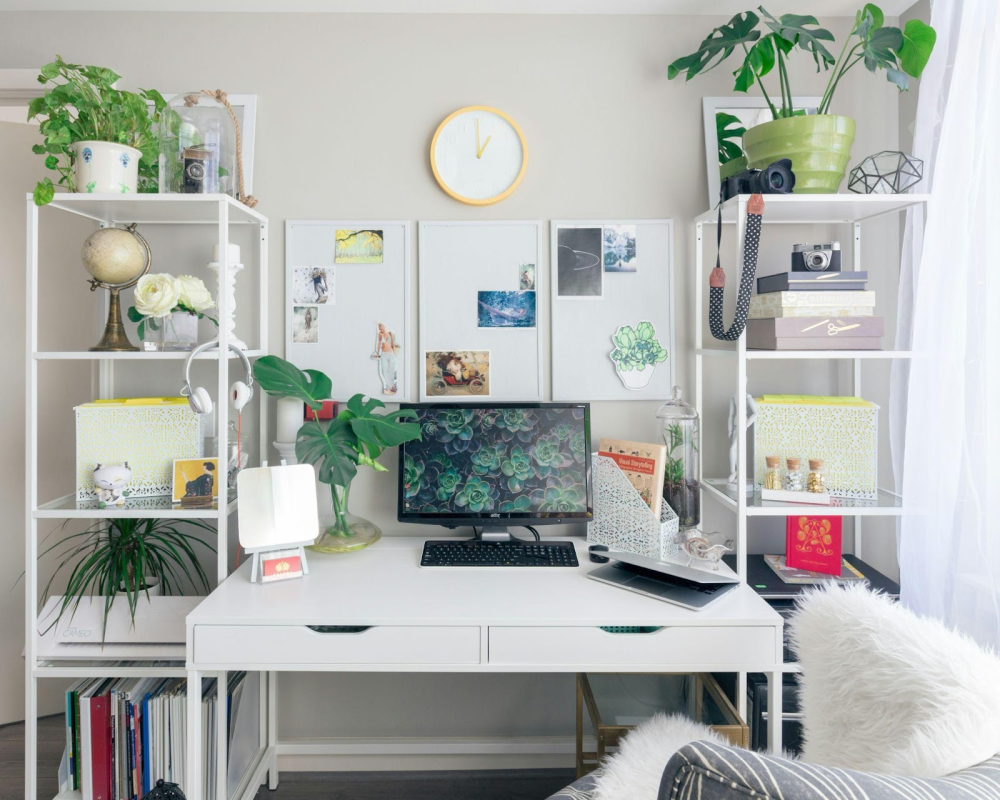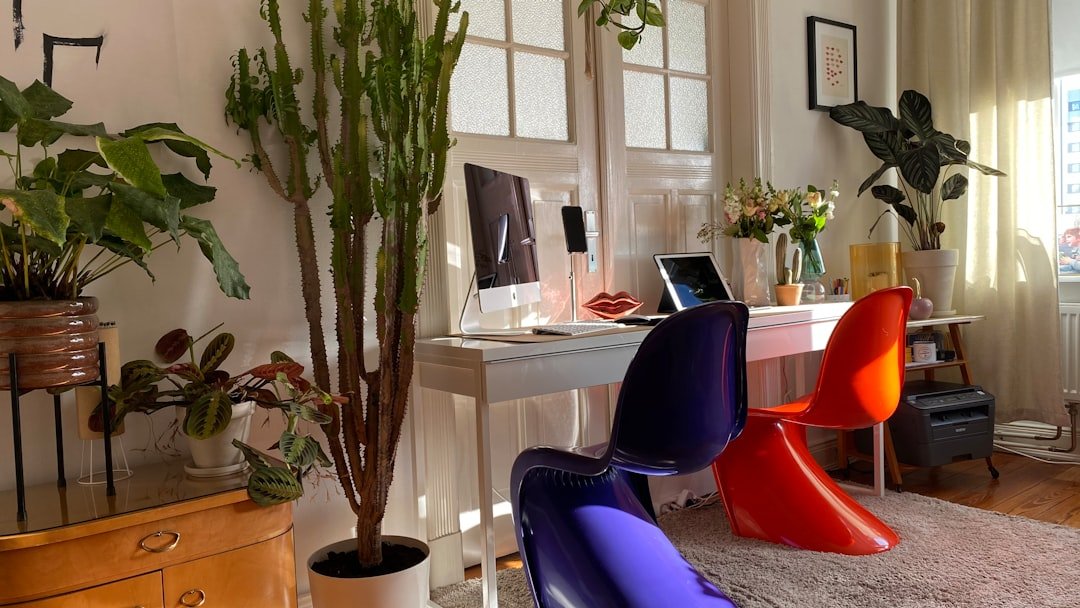
Are you ready to transform your workspace without spending a fortune? Creating a home office that boosts your focus and comfort is easier than you think.
With simple, do-it-yourself ideas, you can design a space that feels just right for you. Whether you want to save money, add a personal touch, or make your workday more enjoyable, this guide will give you practical tips to get started.
Keep reading to discover how small changes can make a big difference in your home office.

Credit: www.architecturaldigest.com
Choosing The Right Space
Setting up a home office starts with finding the best spot in your house. The right space helps you focus and work comfortably.
Think about how much room you need and what environment makes you feel productive. Small changes can make a big difference.
Maximizing Small Areas
Small spaces can work well for a home office if you use them smartly. Choose furniture that fits and keeps your area tidy.
- Use a compact desk that fits your room size
- Choose shelves that go up, not out, to save floor space
- Select a chair that is both comfortable and small
- Keep only essential items on your desk
- Use storage boxes to reduce clutter
Utilizing Unused Corners
Unused corners can become great work spots. They often get overlooked but offer quiet and privacy.
| Corner Type | Best Use | Tips |
|---|---|---|
| Window Corner | Desk with natural light | Face window for good light, avoid glare |
| Hallway Nook | Small desk or standing station | Add shelves above for storage |
| Under Staircase | Compact work area | Use custom furniture for fit |
Natural Light Benefits
Natural light improves mood and reduces eye strain. Try to place your desk near a window if possible.
- Natural light helps keep you alert
- It can reduce headaches and fatigue
- Bright spaces feel larger and more inviting
- Use light curtains to soften harsh sun
- Arrange your screen to avoid glare
Essential Furniture Picks
Setting up a home office needs the right furniture. Choosing smart pieces saves space and boosts work comfort.
Good furniture helps keep your office neat and makes work easier every day.
Compact Desks And Chairs
Pick desks that fit your room size. Small desks with storage keep things tidy.
Choose chairs that are small but support your back well. Rolling chairs save space and add comfort.
- Desks with built-in shelves or drawers
- Foldable desks for easy storage
- Chairs with adjustable height and back support
- Stackable or lightweight chairs for flexibility
Storage Solutions
Storage keeps your office clutter-free. Use shelves and boxes to organize papers and tools.
Look for storage that fits in small spaces like under the desk or on walls.
- Floating shelves to save floor space
- Stackable storage boxes for easy access
- Drawer units on wheels for mobility
- Wall-mounted organizers for small items
Ergonomic Considerations
Choose furniture that supports good posture. This reduces pain and keeps you focused.
Adjustable desks and chairs help you sit right and avoid strain during long work hours.
- Chairs with lumbar support
- Desks with adjustable height options
- Footrests to reduce leg strain
- Monitor stands to keep screens at eye level
Creative Decor Ideas
Creating a home office that feels personal and inspiring helps you work better. Simple decor changes can make a big difference.
Use easy ideas to add personality and keep your space neat and bright. This guide shares ideas for your walls, accessories, and colors.
Personalized Wall Art
Wall art shows your style and makes your office feel unique. Choose pieces that motivate you and match your interests.
Try creating your own art with photos, quotes, or simple paintings. Use frames or clipboards to change art easily.
- Print favorite quotes in bold colors
- Frame photos of family or nature
- Use clipboards for rotating artwork
- Create a gallery wall with small pieces
Functional Accessories
Accessories keep your office organized and stylish. Pick items that help you work faster and feel calm.
Look for desk organizers, pen holders, and shelves that fit your space. Choose designs that match your decor style.
- Desk trays for papers and notes
- Magnetic boards to hold reminders
- Decorative baskets for cables and supplies
- Plants to add life and fresh air
Color Schemes That Inspire
Colors affect your mood and focus. Pick colors that make you feel calm or energized, depending on your tasks.
Use one main color with two or three accent colors. Light colors open the space, while bright colors add energy.
- Soft blues for calm and focus
- Warm yellows to boost energy
- Neutral grays with colorful accents
- Green tones to reduce stress
Diy Organization Hacks
Keeping your home office tidy helps you work better. Small changes can make a big difference.
Try simple DIY ideas to organize your workspace. These tips save time and space.
Cable Management Tricks
Cables often create mess and confusion. Use easy ways to keep wires neat and hidden.
Group cables with clips or ties. Attach them under your desk or along walls.
- Use binder clips on desk edges to hold cables
- Wrap cables with Velcro straps to avoid tangles
- Label each cable for quick identification
- Use empty toilet paper rolls to separate cords
- Place a power strip in a box to hide plugs
Repurposing Household Items
Look around your home for items that can be reused. Many things work well for office storage.
Use jars, boxes, or trays to hold supplies. This saves money and reduces waste.
- Glass jars can hold pens, pencils, or brushes
- Old shoe boxes organize papers or cables
- Ice cube trays keep small items like clips or pins
- Magazine holders store notebooks and folders
- Use a dish rack to separate files or tablets
Labeling And Sorting Tips
Labels make it easier to find what you need fast. Sort items by type or use.
Use clear labels on boxes and shelves. Group similar things together to save time.
- Write labels with a marker or print them
- Use color-coded stickers for quick sorting
- Sort papers into folders by topic or date
- Label cords by device name or function
- Keep frequently used items within arm’s reach
Tech Setup Tips
Setting up your home office tech right helps you work better every day.
Good tech setup keeps your space neat and your devices easy to use.
Optimizing Device Placement
Place your computer and monitor at eye level to reduce neck strain.
Keep frequently used devices like your phone and printer close by for easy access.
- Use a stand to raise your laptop screen.
- Put your keyboard and mouse within comfortable reach.
- Allow space for your notes and other tools.
- Keep your desk clear to avoid clutter.
Enhancing Connectivity
Fast internet helps you stay connected and finish tasks quickly.
| Connectivity Option | Benefits | Tips |
| Wi-Fi Router | Wireless access anywhere | Place centrally in room |
| Ethernet Cable | Stable and fast connection | Use for desktop PC |
| Range Extender | Improves signal strength | Put near dead zones |
Keeping Wires Tidy
Tidy wires stop your desk from looking messy and keep your space safe.
- Use cable clips to hold wires in place.
- Bundle cables with zip ties or Velcro straps.
- Label each cable to find it quickly.
- Hide cables behind your desk or inside a cable box.
Credit: www.extraspace.com
Lighting Solutions
Creating a productive home office requires effective lighting. Proper lighting reduces eye strain and boosts energy levels.
Explore various lighting options to enhance your workspace atmosphere.
Task Lighting Ideas
Task lighting focuses on illuminating your work area. This ensures you can see clearly while working.
- Desk lamps with adjustable arms
- Clip-on lights for easy repositioning
- Under-cabinet lighting for desks with shelves
Ambient Lighting Options
Ambient lighting provides overall illumination. It creates a balanced and comfortable environment.
Consider using:
- Floor lamps for diffused lighting
- Wall sconces to save space
- Ceiling-mounted fixtures for general light
Energy-efficient Choices
Choose energy-efficient lighting to save on electricity bills. This is also better for the environment.
| Lighting Type | Energy Consumption |
| LED Bulbs | Low |
| CFL Bulbs | Moderate |
| Incandescent Bulbs | High |
Incorporating Greenery
Adding plants to your home office can make the space feel fresh and inviting.
Greenery helps create a calm and productive work environment.
Low-maintenance Plants
Choose plants that need little care. They survive with less water and light.
- Snake Plant
- ZZ Plant
- Spider Plant
- Peace Lily
- Aloe Vera
Benefits Of Indoor Plants
Plants improve air quality and reduce stress. They also boost focus and creativity.
| Benefit | Description |
| Air Purification | Plants clean toxins from the air you breathe. |
| Stress Reduction | Greenery helps lower anxiety and calm your mind. |
| Better Focus | Natural elements improve attention and work output. |
| Increased Humidity | Plants add moisture, which helps skin and breathing. |
Creative Planter Ideas
Use different planters to add style to your office space. Match the planters to your room’s look.
Try these planter ideas:
- Hang small pots from the ceiling with macrame holders
- Use colorful ceramic pots on your desk
- Place plants in glass terrariums for a modern look
- Repurpose old mugs or tins as quirky planters
- Create a vertical garden with wall-mounted planters
Credit: www.architecturaldigest.com
Budget-friendly Upgrades
Creating a home office doesn’t have to be expensive. You can make it nice with a little creativity. You can use things you already have or find cheap items.
There are many ways to upgrade your space without spending much. Here are some ideas to get you started.
Thrift Store Finds
Thrift stores are great for finding affordable office items. You can find unique pieces that add character to your space. Look for things like desks, chairs, and shelves.
It’s fun to hunt for bargains. You can also find small items like lamps or picture frames. These can make your office feel cozy.
- Desks and tables
- Chairs and seating
- Decorative items
Diy Craft Projects
DIY projects let you personalize your office. You can make your own decorations or organizers. It’s a chance to use your creativity and skills.
Simple craft projects can transform your workspace. You can create things like pen holders, wall art, or a bulletin board.
- Pen holders from cans
- Wall art with canvas
- Bulletin board from cork
Repurposing Old Furniture
Old furniture can have a new life in your office. You might have pieces at home that you can repurpose. This saves money and reduces waste.
A fresh coat of paint or new handles can change a piece. You can turn an old dresser into a desk or a bookshelf into a storage unit.
- Paint old desks
- Use dressers as desks
- Convert bookshelves to storage
Frequently Asked Questions
What Are Easy Diy Home Office Setup Ideas?
Start with a dedicated space with good lighting. Use a sturdy desk and comfortable chair. Add shelves for organization. Personalize with plants and artwork. Keep cables tidy for a clean look.
How Can I Organize A Small Home Office?
Use vertical storage like wall shelves. Choose multi-functional furniture with drawers. Keep only essentials on the desk. Use cable organizers to reduce clutter. Label storage boxes for easy access.
What Budget-friendly Materials Suit Diy Home Offices?
Plywood, MDF boards, and reclaimed wood work well. Use affordable paint to refresh furniture. Consider pegboards for flexible storage. Repurpose old furniture to save money. Shop at thrift stores for unique finds.
How To Improve Lighting In A Home Office?
Maximize natural light by positioning near windows. Use adjustable LED desk lamps for focused lighting. Add soft ambient lights to reduce eye strain. Avoid harsh overhead lights. Use light colors to reflect brightness.
Conclusion
Creating your own home office can boost comfort and focus. Small changes make a big difference in your workspace. Choose ideas that fit your style and needs. Organize well to keep your area neat and clear. Personal touches bring joy and help productivity.
Start with simple steps and adjust as you go. Enjoy the process of making a space that works for you. Your home office should feel inviting and practical every day.