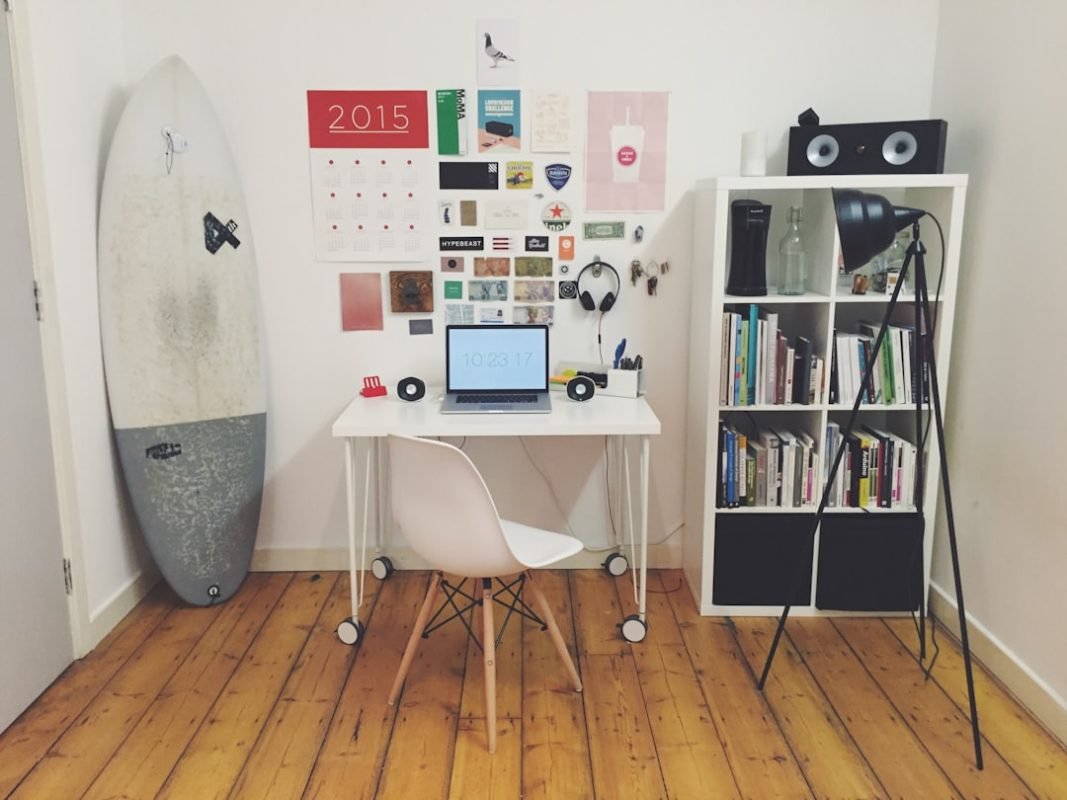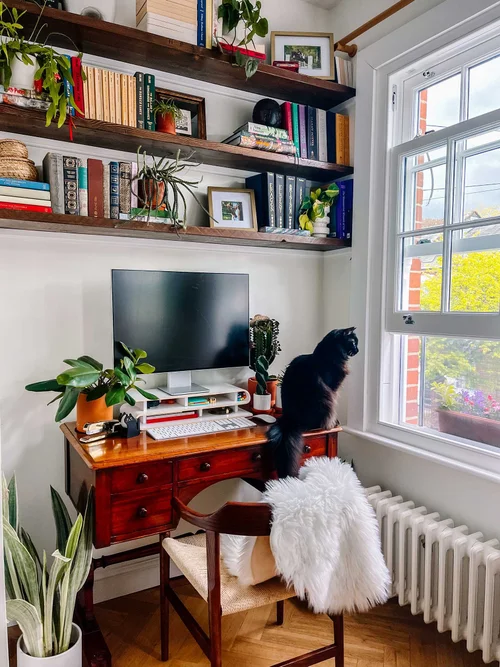
Creating a small home office that truly works for you can feel like a challenge. You want a space that helps you focus, stays organized, and fits perfectly into your home without taking up too much room.
But what if you could turn even the tiniest corner into a productive, inspiring workspace? You’ll discover simple and clever ideas to transform your small area into a home office that boosts your mood and your work. Ready to make your space work harder for you?
Let’s dive in.
Choosing The Right Spot
Setting up a small home office needs careful thought. The right spot helps you work well and stay comfortable.
Look for a place that fits your work style and limits distractions. This makes your office a good space to focus.
Corners And Nooks
Small corners or nooks are great for a home office. They often use space that would stay empty.
- Choose a corner with enough room for a desk and chair.
- Use shelves or wall storage to save floor space.
- Keep the area tidy to avoid feeling cramped.
- Add a small lamp if light is low.
Natural Light Benefits
Natural light makes your office bright and pleasant. It can improve mood and reduce eye strain.
| Benefit | Explanation |
| Better Focus | Light helps keep your mind alert. |
| Energy Savings | Less need for artificial lighting. |
| Health | Exposure to daylight helps regulate sleep. |
| Comfort | Natural light feels warmer and softer. |
Quiet Zones
Pick a quiet zone to avoid noise distractions. This helps keep your concentration strong.
Tips for choosing quiet zones:
- Find rooms away from busy areas.
- Use rugs and curtains to reduce sound.
- Close doors to block noise.
- Consider noise-canceling headphones.
Compact Furniture Picks
Creating a small home office requires smart choices in furniture. Compact pieces help save space without losing function.
This guide highlights foldable desks, wall-mounted tables, and multi-functional chairs. Each option fits well in tight spaces.
Foldable Desks
Foldable desks are perfect for small rooms. They can be folded away when not in use. This keeps your space neat and open.
- Easy to store against a wall
- Lightweight and portable
- Variety of sizes to fit your needs
- Some include shelves or drawers
Wall-mounted Tables
Wall-mounted tables save floor space. These tables attach directly to the wall and fold down or stay fixed.
| Type | Space Needed | Best Use |
| Fold-Down | Minimal when folded | Small rooms, temporary work |
| Fixed | Small footprint | Permanent work area |
| With Storage | Compact | Work plus storage |
Multi-functional Chairs
Chairs that serve more than one purpose add value to small offices. Look for chairs that offer comfort and extra features.
- Foldable chairs that tuck away easily
- Chairs with built-in storage under the seat
- Swivel chairs that move without taking space
- Stackable chairs for flexible seating options
Storage Without Clutter
A small home office needs smart storage to stay tidy. Good storage stops clutter from building up.
Using the right storage tools keeps your space neat. It helps you find things quickly.
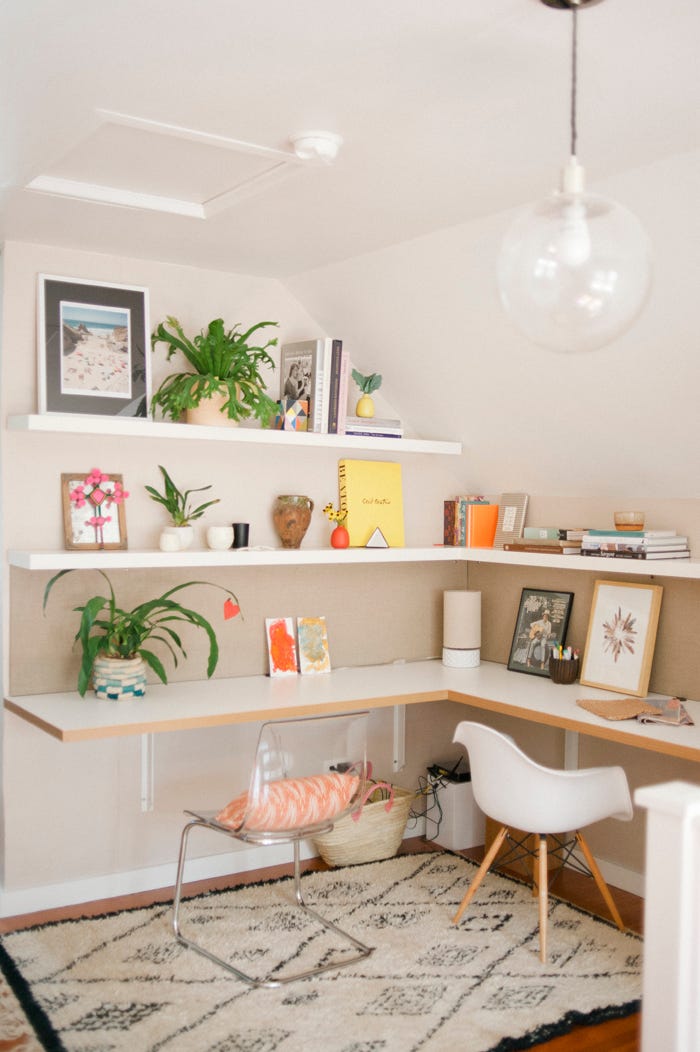
Floating Shelves
Floating shelves attach to the wall and save floor space. They give you room to store books and supplies.
You can place them above your desk to keep items close. Use baskets or boxes on shelves for a clean look.
- Install shelves at eye level for easy reach
- Use matching containers for a tidy feel
- Keep only essential items on shelves
Under-desk Drawers
Under-desk drawers give hidden storage for small items. They keep your desk surface clear and organized.
Choose drawers that fit your desk size. Use dividers inside to separate pens, papers, and tools.
- Mount drawers directly under the desk
- Use drawer dividers to organize contents
- Keep only daily use items inside drawers
Vertical Organizers
Vertical organizers use tall, slim space for storage. They fit well in small corners or next to desks.
Use them for files, mail, or office tools. Vertical storage keeps your desk free and your items in order.
- Choose stackable trays or file holders
- Place near your work area for quick access
- Label sections for easy finding
Credit: medium.com
Creative Decor Touches
Small home offices benefit from creative decor to boost comfort and style.
Simple design ideas can make your workspace inviting and more functional.
Color Schemes To Expand Space
Light colors like white and soft pastels make rooms look bigger. You can also use a single color palette with different shades for a smooth flow.
- Choose pale blues or greens for calmness.
- Use light grey to keep a modern feel.
- Add a pop of color with bright cushions or desk items.
- Keep the ceiling and trim in white to open the room.
Mirrors For Depth
Mirrors add depth and reflect light, making a small office feel larger. Place a mirror opposite a window to increase brightness.
| Mirror Type | Best Placement | Effect |
| Large wall mirror | Opposite window | Increases light and space |
| Decorative small mirror | Above desk | Adds style and depth |
| Mirrored furniture | Desk or shelves | Reflects light subtly |
Personalized Wall Art
Wall art shows personality and makes your office feel like your own space. Choose pieces that inspire or relax you.
Ideas for personalized wall art:
- Framed photos of family or pets
- Inspirational quotes printed in nice fonts
- DIY canvas paintings or crafts
- Bulletin board with notes and ideas
Tech Setup Tips
Setting up a small home office needs smart tech choices. Good tech makes work easier and saves space.
Use tools that reduce clutter and keep your desk tidy. Focus on wireless and compact devices.
Wireless Devices
Wireless devices reduce cable mess and give more desk space. Choose a wireless keyboard and mouse.
Use wireless headphones for calls and focus. A wireless printer lets you print without cords.
- Wireless keyboard and mouse combo
- Bluetooth headphones or earbuds
- Wireless printer or scanner
- Wi-Fi enabled smart speakers
Cable Management
Good cable management keeps your workspace neat and safe. Use cable clips and sleeves to group wires.
Label cables to know which device they belong to. Use a power strip with surge protection for safety.
- Use cable clips or ties to bundle cords
- Label each cable for easy identification
- Hide cables under the desk or behind furniture
- Choose a power strip with surge protection
Compact Printers
Pick a small printer that fits your desk space. Compact printers save room and still print quality documents.
Look for printers with wireless options. They connect easily without extra cables.
- Choose compact, lightweight models
- Wireless printing for less clutter
- Multi-function printers save space
- Check ink costs and replacement ease
Lighting Solutions
Creating a small home office requires smart lighting choices. Good lighting boosts productivity and mood.
Consider different lighting types to make your workspace effective and comfortable.
Task Lighting
Task lighting helps you focus on specific areas. It is essential for reading and writing tasks.
- Desk lamps with adjustable arms
- Under-cabinet lights for shelves
- Clip-on lamps for flexibility
Ambient Options
Ambient lighting provides overall illumination. It sets the mood and ensures the space is evenly lit.
| Light Type | Features |
| Ceiling lights | Brighten the entire room |
| Floor lamps | Adds warmth and style |
| Wall sconces | Saves floor space |
Space-saving Fixtures
Small offices benefit from space-saving lighting. These fixtures maximize room without clutter.
Consider using wall-mounted lamps to free up desk space. Pendant lights can also be stylish and functional.
Ergonomics In Small Spaces
Creating a home office in a small space can be challenging. Ergonomics help you work comfortably and efficiently.
Using ergonomic furniture can prevent pain and improve productivity. Let’s explore some ideas.
Adjustable Chairs
An adjustable chair is essential for a comfortable workspace. It supports your back and helps maintain good posture.
Choose a chair that can be adjusted in height and tilt. This flexibility allows you to sit at the correct level with your desk.
- Ensure lumbar support to reduce back strain
- Choose breathable fabric for long hours
- Look for chairs with armrests for added comfort
Proper Desk Height
The right desk height is crucial to avoid neck and shoulder strain. It should allow your arms to rest naturally.
When sitting, your elbows should be at a 90-degree angle. This position helps keep your wrists straight and comfortable.
- Measure from floor to elbow for ideal desk height
- Consider adjustable desks for versatility
- Use a monitor stand to keep screens at eye level
Footrests And Supports
Footrests can make a big difference in small workspaces. They help reduce pressure on your lower back and legs.
If your feet do not touch the ground, a footrest is useful. It keeps your feet flat and promotes good circulation.
- Choose a footrest with adjustable height
- Look for non-slip surfaces for safety
- Consider a footrest with a massaging feature for comfort

Credit: www.hgtv.com
Maximizing Vertical Space
Small home offices can feel crowded. Using vertical space helps keep your area neat.
Storing items upwards frees up your desk and floor for work and movement.
Tall Storage Units
Tall storage units use height instead of width. They fit into small spaces well.
These units hold books, files, and supplies without taking floor space.
- Choose slim, tall shelves or cabinets
- Place frequently used items at eye level
- Use the top shelves for less-needed items
Pegboards And Hooks
Pegboards can hang on walls above your desk. They keep tools and gadgets handy.
Hooks attach to pegboards and hold headphones, cords, and small items.
- Arrange hooks by item size and use
- Add small baskets for papers or pens
- Change layout as your needs change
Stackable Containers
Stackable containers let you build storage upwards. They keep supplies organized.
Clear containers help you see contents quickly without opening them.
- Use containers of the same size for stability
- Label each container for easy finding
- Store heavy items on the bottom stacks
Flexible Layout Ideas
Creating a small home office that fits your needs is easy with flexible layouts. These ideas help you use space smartly.
Flexible layouts let you change your workspace for different tasks or moods. This keeps your office practical and fresh.
Mobile Workstations
Mobile workstations use carts or desks with wheels. You can move them around to fit your space and work style.
This idea works well if you share your home office or need to change rooms often.
- Use a rolling desk with storage
- Add a lap desk for sitting areas
- Keep cables organized for easy moves
Fold-away Solutions
Fold-away desks or shelves save space when you do not work. Fold them down only during work time.
This keeps your room open and tidy. It also hides work clutter quickly.
- Wall-mounted fold-down desks
- Drop-leaf tables for extra surface
- Foldable chairs that store easily
Zoning For Multiple Tasks
Zoning means creating separate areas for different work tasks. It helps your focus and keeps things organized.
You can use rugs, shelves, or room dividers to mark zones in a small space.
- Use a desk zone for computer work
- Create a reading nook with a comfy chair
- Set a craft area with storage bins

Credit: www.hgtv.com
Frequently Asked Questions
What Are The Best Furniture Choices For A Small Home Office?
Opt for compact, multi-functional furniture like foldable desks and storage ottomans. Choose pieces that maximize space and provide organization without clutter.
How Can I Maximize Storage In A Small Office Space?
Use vertical shelving, wall-mounted organizers, and under-desk storage. These solutions keep supplies accessible while freeing up floor space for movement.
What Lighting Works Best For Small Home Offices?
Natural light is ideal, supplemented by adjustable LED desk lamps. Proper lighting reduces eye strain and boosts productivity in confined areas.
How Do I Create An Ergonomic Setup In Limited Space?
Select a comfortable chair and adjustable desk. Position your monitor at eye level to maintain good posture and reduce discomfort.
Conclusion
Creating a small home office can be simple and effective. Use space wisely and keep things tidy. Choose furniture that fits well and feels comfortable. Add personal touches to make the space inviting. Good lighting helps you stay focused and alert.
Organize your tools and supplies for easy access. A neat area boosts your work and mood. Small changes can make a big difference. Start with one idea and build from there. Your perfect home office is within reach.