
Are you struggling with tired eyes and low energy while working from home? The right home office lighting fixtures can change everything.
Proper lighting not only boosts your focus but also keeps you comfortable throughout the day. Imagine a workspace where every task feels easier, and your mood stays bright. You’ll discover simple ways to transform your home office lighting and create an environment that helps you work smarter, not harder.
Keep reading to find the perfect lighting solutions tailored just for you.
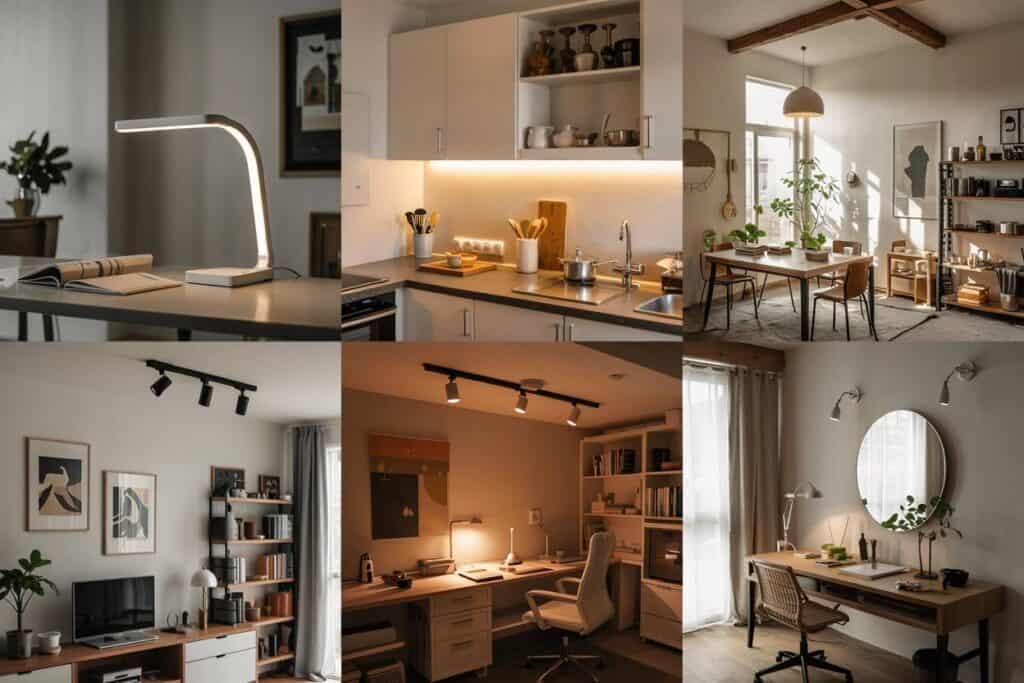
Credit: www.ledyilighting.com
Choosing The Right Light
Good lighting is key for a home office. It helps you focus and reduces eye strain. Choosing the right light can make your workspace better.
There are different types of light to consider. Each one affects your mood and work quality in a unique way.
Natural Vs Artificial Light
Natural light comes from the sun. It is bright and changes during the day. Artificial light is made by lamps and bulbs. It stays the same all day.
- Natural light helps keep your body clock healthy.
- Artificial light lets you work anytime, even at night.
- Mixing both types can improve comfort.
- Too much natural light can cause glare on screens.
Light Temperature And Color
Light temperature is how warm or cool the light looks. It is measured in Kelvins (K). Color affects how you feel and work.
| Light Temperature | Color Appearance | Best Use |
| 2700K – 3000K | Warm White | Relaxing areas |
| 3500K – 4100K | Neutral White | General workspaces |
| 5000K – 6500K | Cool White / Daylight | Focused tasks, reading |
Choose cooler light for detailed work. Warmer light works well if you want a calm space.
Brightness Levels
Brightness is how much light you get. It is measured in lumens. Too bright or too dim light can cause tired eyes.
- Use about 300-500 lumens for general office lighting.
- Desk lamps should have 500-1000 lumens for close work.
- Adjust brightness with dimmers if possible.
- Place lights to avoid shadows on your work.

Credit: www.designcafe.com
Types Of Lighting Fixtures
Lighting is important in a home office. Good light helps you see clearly and stay focused. Different lighting fixtures serve different needs in your workspace.
Choosing the right light can reduce eye strain and make your office comfortable. Here are common types of lighting fixtures for home offices.
Desk Lamps
Desk lamps sit on your desk and shine light directly on your work area. They provide focused light for reading or writing.
Many desk lamps have adjustable arms or heads. You can move them to direct light where you need it most.
- Adjustable brightness levels
- Flexible necks or arms
- Compact size fits any desk
- Energy-efficient LED options
Ceiling Lights
Ceiling lights provide general lighting for the whole room. They brighten the space evenly so you can move around easily.
These lights come in many styles like flush mounts, chandeliers, or recessed lights. Choose one that fits your room size and style.
- Overhead illumination
- Different styles and sizes
- Good for ambient light
- Can use LED or fluorescent bulbs
Floor Lamps
Floor lamps stand on the floor and add extra light to your office. They are easy to move and can fill dark corners.
Some floor lamps have adjustable heads or multiple bulbs. They can provide both task and ambient light depending on your needs.
- Portable and easy to position
- Can provide soft or bright light
- Many designs to match decor
- Helps reduce shadows
Wall Sconces
Wall sconces attach to the wall to save desk and floor space. They give soft, indirect light that adds warmth to the room.
These fixtures work well for ambient lighting or to highlight artwork and shelves in your office.
- Space-saving design
- Indirect, gentle lighting
- Enhances room atmosphere
- Easy to install at eye level
Lighting Placement Tips
Good lighting helps you work better at your home office. It reduces eye strain and makes your space feel comfortable.
Placing lights in the right spots is important. It can stop glare and shadows that distract you.
Avoiding Glare And Shadows
Glare happens when light reflects in your eyes or on screens. Shadows make it hard to see your work clearly.
Place lights so they do not shine directly into your eyes or onto your computer screen.
- Use lamps with shades to soften light
- Position lights to the side or above your desk
- Adjust blinds to reduce sunlight glare
Optimal Desk Positioning
Where you put your desk affects how light falls on your workspace. It also affects glare and shadows.
Place your desk near a window for natural light, but not facing it. This keeps light even and soft.
- Face your desk sideways to windows
- Keep your computer screen away from direct light
- Leave space behind your desk for lamps
Using Multiple Light Sources
Using more than one light helps make your home office bright and balanced. It stops harsh shadows.
Combine overhead lights with desk lamps or floor lamps. This mix gives you better control over lighting.
- Use a main ceiling light for general brightness
- Add a task lamp focused on your work area
- Include ambient lights to reduce eye strain
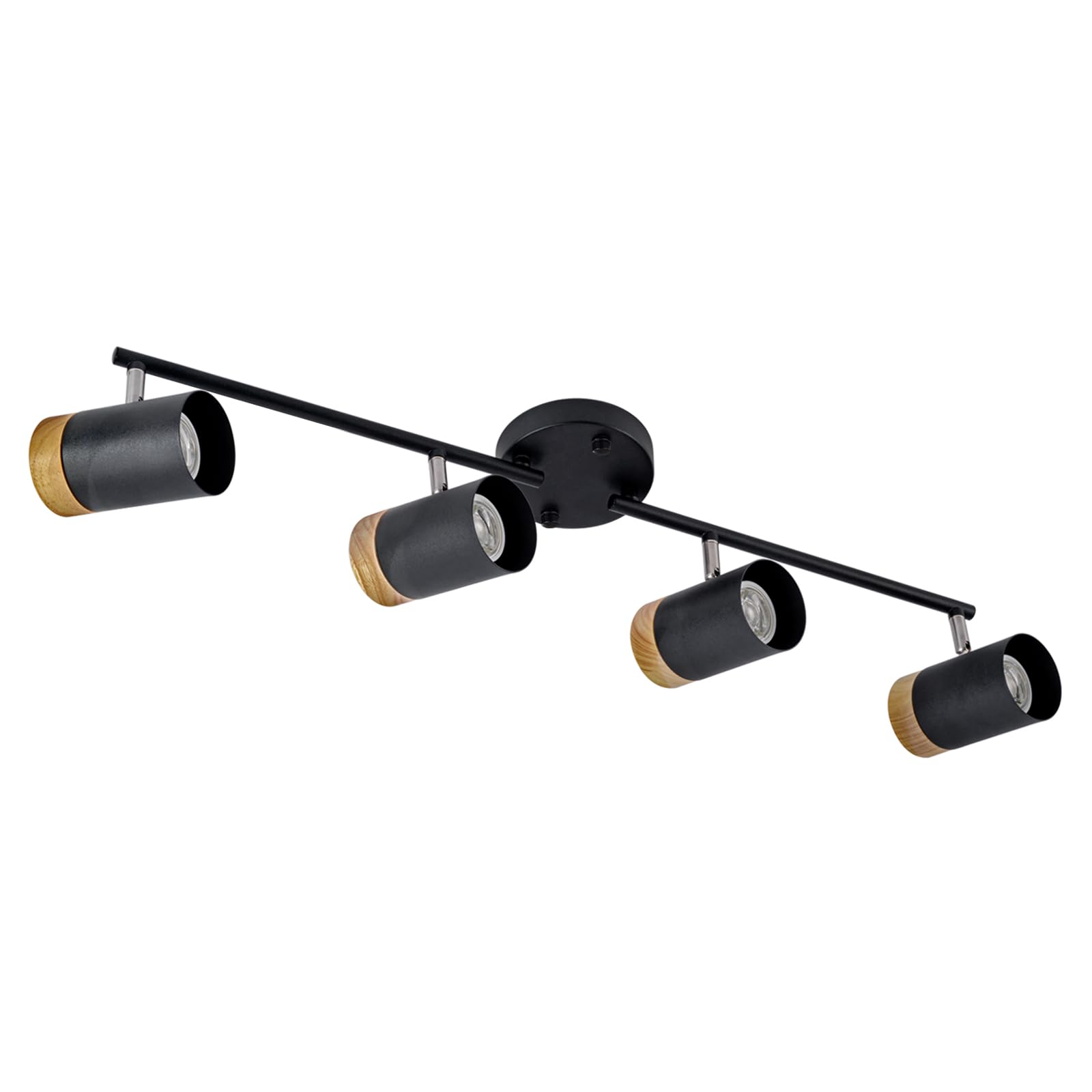
Credit: www.amazon.ca
Energy Efficiency Matters
Lighting your home office well is important for work and saving energy. Using energy-efficient lights helps reduce electricity bills.
Choosing the right lighting can also lower your carbon footprint. This guide explains energy-efficient lighting options.
Led Vs Incandescent
LED bulbs use less electricity than incandescent bulbs. They last longer and stay cooler to the touch.
Incandescent bulbs waste more energy as heat. They need to be replaced more often, which costs more over time.
- LED bulbs use about 75% less energy
- LED bulbs last up to 25 times longer
- Incandescent bulbs produce more heat
- LEDs come in many color options
Smart Lighting Options
Smart lighting lets you control your lights with apps or voice commands. You can set schedules and dim lights easily.
This control helps save energy by turning lights off when not needed. Smart bulbs often use LED technology for efficiency.
- Set timers to turn off lights automatically
- Adjust brightness to save power
- Use voice commands for convenience
- Monitor energy use through apps
Cost Savings Over Time
Energy-efficient lighting reduces your monthly electricity bill. Though LEDs cost more upfront, they save money in the long run.
Fewer replacements mean less spending on new bulbs. Smart lighting adds savings by using energy only when needed.
| Lighting Type | Initial Cost | Energy Use | Bulb Lifespan | Replacement Frequency |
| Incandescent | Low | High | 1,000 hours | Often |
| LED | Higher | Low | 25,000+ hours | Rare |
| Smart LED | Highest | Very Low | 25,000+ hours | Rare |
Enhancing Mood And Focus
Lighting plays a key role in creating a home office that feels good and helps you work well. The right lighting can lift your mood and keep your focus sharp.
Choosing the best lighting fixtures for your home office helps you stay productive and comfortable all day long.
Adjustable Brightness Settings
Adjustable brightness lets you control light levels based on the task. Bright light helps with detail work. Dim light reduces eye strain during breaks.
- Use brighter settings for reading and writing
- Lower brightness for video calls or relaxing
- Change brightness to match natural light outside
- Adjust to reduce glare on screens
Color Therapy Benefits
Colors in lighting affect how you feel and focus. Warm colors can calm you. Cool colors can boost alertness and energy.
| Color | Effect | Best Use |
| Warm White | Calming | Relaxing moments |
| Cool White | Focus and alertness | Work tasks |
| Blue Light | Energy and mood lift | Morning work hours |
| Red Light | Stress reduction | Break time |
Incorporating Ambient Lighting
Ambient lighting fills the room with soft, even light. It reduces shadows and creates a cozy mood.
Try these tips for good ambient lighting:
- Use lamps with diffusers to soften light
- Place lights behind your desk or monitor
- Combine ceiling lights with floor lamps
- Choose fixtures that spread light evenly
Decorative Lighting Ideas
Lighting is crucial in a home office. It sets the mood and enhances productivity. Decorative lighting brings style and function together.
Choosing the right fixtures can transform your workspace. They can also reflect your personal style.
Statement Fixtures
Statement fixtures are bold and eye-catching. They serve as a focal point in your office.
These fixtures can be large pendants or unique chandeliers. They add character and flair to your workspace.
- Choose a fixture that matches your desk style
- Consider the size of your office space
- Ensure the fixture provides enough light
Accent Lighting
Accent lighting highlights specific areas. It creates a cozy and inviting atmosphere.
Use accent lights to illuminate bookshelves or artwork. They add depth and interest to your office.
- Use LED strips for shelving
- Choose adjustable lamps for flexibility
- Install wall sconces for artistic touch
Balancing Function And Style
Finding the right balance is key. Lighting should be both functional and stylish.
Select fixtures that match your decor. They should also provide sufficient light for tasks.
- Combine task lighting with decorative fixtures
- Use dimmers to control light intensity
- Opt for energy-efficient bulbs
Frequently Asked Questions
What Are The Best Lighting Fixtures For Home Offices?
The best lighting fixtures for home offices are LED desk lamps, adjustable floor lamps, and overhead lights with dimmers. These provide bright, even light without glare, reduce eye strain, and improve focus and productivity.
How Does Lighting Affect Productivity In Home Offices?
Proper lighting boosts productivity by reducing eye strain and fatigue. Natural or bright white lights keep you alert. Dim or warm lights create a relaxed mood but may reduce focus.
Should I Use Natural Or Artificial Light For My Home Office?
Use a mix of natural and artificial light. Natural light enhances mood and energy. Artificial light fills gaps and ensures consistent brightness throughout the day.
What Color Temperature Suits Home Office Lighting Best?
A color temperature between 4000K and 5000K is ideal for home offices. It mimics daylight, offering clear, bright light that improves concentration and reduces eye strain.
Conclusion
Good lighting makes your home office more comfortable and productive. Choose fixtures that fit your space and work style. Bright, soft light helps reduce eye strain and keeps focus. Mix natural light with lamps for the best effect. Remember, small changes in lighting can improve your mood and work quality.
Keep your workspace inviting and well-lit every day. A well-lit office supports better work habits and less fatigue. Bright ideas start with the right light.
