Your home office deserves lighting that boosts focus and comfort all day long. Ceiling lighting plays a key role in creating a bright, inviting workspace where you can stay productive without straining your eyes.
Imagine walking into your office and feeling energized by the perfect balance of light above you. You’ll discover simple yet effective ceiling lighting ideas that transform your work area into a space you actually look forward to using. Ready to upgrade your home office lighting?
Let’s dive in!

Credit: www.designcafe.com
Choosing The Right Ceiling Lights
Good ceiling lighting is key for a home office. It helps you see well and stay focused.
Choosing the right light means thinking about style, brightness, and energy use.
Types Of Ceiling Fixtures
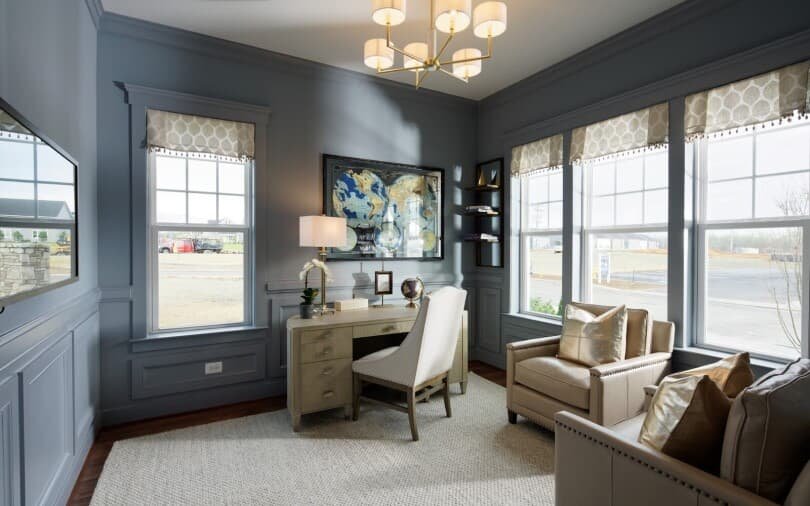
There are many ceiling light types. Pick one that fits your room size and style.
- Flush mount lights sit close to the ceiling. They work well in small rooms.
- Semi-flush mount lights hang down a bit. They add style and good light.
- Recessed lights fit inside the ceiling. They give soft, even lighting.
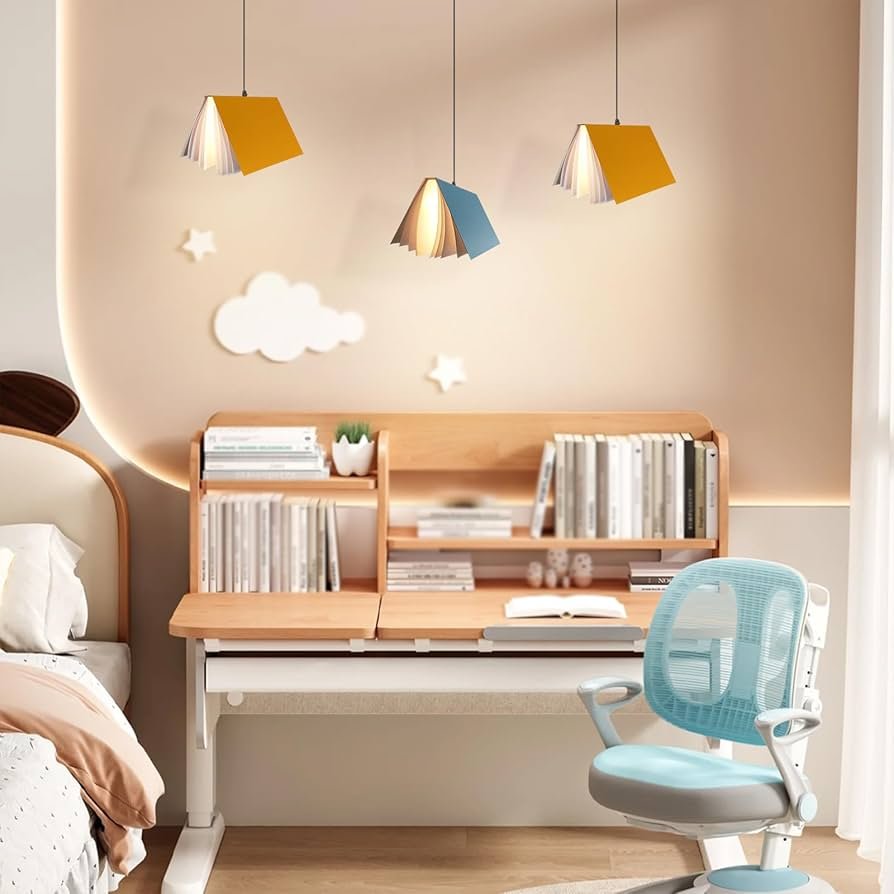
- Pendant lights hang from cords. Use them for focused light on desks.
- Track lights have adjustable heads. They let you direct light where needed.
Brightness And Color Temperature
Brightness affects how well you work. Too dim or too bright can cause eye strain.
Color temperature changes the light’s look. Choose cool white for focus and alertness.
- Brightness is measured in lumens. Aim for 3,000 to 4,000 lumens for offices.
- Cool white light (4000K to 5000K) helps keep you awake and sharp.
- Warm light (2700K to 3000K) feels cozy but may reduce focus.
Energy Efficiency Considerations
Energy-efficient lights save money and reduce power use. Look for LED options.
LED bulbs last longer and use less energy than old bulbs. They are good for offices.
- LED ceiling lights cut electricity costs.
- They produce less heat, keeping your room cooler.
- Look for bulbs with ENERGY STAR labels for best efficiency.

Credit: www.designcafe.com
Placement For Optimal Lighting
Good ceiling lighting helps you work better in your home office. It makes the space bright and easy to see.
Placing lights in the right spots stops eyestrain and boosts focus. Let’s look at how to place your lights well.
Central Vs. Task Lighting
Central lighting lights the whole room. It comes from a ceiling fixture in the middle. This light is soft and spreads everywhere.
Task lighting focuses on one area. You use it for close work like reading or typing. Desk lamps or adjustable ceiling lights work well.
- Central lighting brightens the whole office
- Task lighting helps you see details clearly
- Use both for a balanced light setup
Avoiding Glare And Shadows
Glare makes it hard to see screens. Shadows hide what you need to see. Both can cause eye strain and headaches.
Place lights so they do not shine directly in your eyes. Use diffused bulbs or shades to soften light. Adjust your desk and light angles.
- Keep lights above or behind your screen
- Use lamps with adjustable heads
- Choose bulbs that spread light evenly
Layering Light Sources
Layering light means using more than one light type. Combine ceiling lights, desk lamps, and natural light for best results.
This mix helps you control brightness and mood. It also reduces harsh shadows and glare in your workspace.
- Start with a bright ceiling light for overall lighting
- Add a desk lamp for focused tasks
- Use window light to improve the room’s feel
Design Styles To Match Your Office
Ceiling lighting plays a key role in setting the mood of your home office. The right fixture can boost focus and comfort. Choose a style that fits your work environment and personal taste.
This guide covers three popular design styles for ceiling lights. Each style offers unique features to enhance your office space.
Modern Minimalist Fixtures
Modern minimalist lights use clean lines and simple shapes. They avoid extra details and focus on function. These fixtures suit offices with a neat and uncluttered look.
- Flush mount LED panels that save space
- Simple geometric shapes in neutral colors
- Adjustable brightness for different tasks
- Energy-efficient designs with long life
Industrial And Rustic Options
Industrial and rustic lights bring warmth and character. They often use metal, wood, or exposed bulbs. These styles add charm to offices with vintage or farmhouse themes.
| Style | Materials | Best For |
| Industrial | Metal, exposed bulbs | Loft or urban office |
| Rustic | Wood, wrought iron | Cozy or country office |
Decorative And Statement Pieces
Decorative lights act as art and light source. They feature bold shapes or colors. Use these pieces to add personality and style to your office.
Tips for choosing statement ceiling lights:
- Pick a fixture that complements your furniture
- Consider the size to avoid overpowering the room
- Match the light color temperature with your office needs
- Use dimmers to adjust mood and brightness
Smart Lighting Solutions
Smart lighting can change how you work in your home office. It helps you set the right mood and saves energy.
With smart lights, you can control brightness, color, and timing easily. This makes your workspace more comfortable.
Dimmable And Adjustable Lights
Dimmable lights let you change brightness to fit your task. Bright light helps with detailed work. Soft light reduces eye strain.
Adjustable lights allow you to change direction and angle. You can focus light where you need it most.
- Set bright light for reading and writing
- Use soft light for video calls
- Move lights to reduce glare on screens
Voice-controlled Systems
Voice controls make it easy to change lights without stopping work. You can turn lights on or off with simple commands.
This hands-free option helps if your hands are busy or dirty. It also adds convenience and speed to your routine.
- Turn lights on or off by voice
- Adjust brightness with simple commands
- Change light color without using switches
Scheduling And Automation
Scheduling allows lights to turn on and off at set times. This keeps your office ready when you start work.
Automation can change light settings based on your daily routine. It helps you save energy by turning lights off when not needed.
- Set lights to turn on at morning start time
- Turn lights off automatically after work hours
- Use sensors to adjust light based on daylight
Combining Ceiling Lights With Other Sources
Ceiling lights provide general brightness for your home office. Using other light sources with them creates a better workspace. Mixing lights helps reduce eye strain and adds style.
Balancing ceiling lights with desk lamps, floor lights, and natural light makes your office more comfortable. It also improves focus and mood while working.
Desk Lamps And Floor Lights
Desk lamps give direct light for tasks that need focus. Floor lights add soft light and fill dark corners. Both work well with ceiling lights to create layers of light.
- Use adjustable desk lamps to control brightness and angle.
- Place floor lights in corners to brighten shadows and improve room balance.
- Choose warm bulbs to reduce glare and create a cozy feel.
- Combine overhead lights with task lights for flexible lighting options.
Natural Light Integration
Natural light is the best source for a home office. It helps reduce eye strain and lifts your mood. Position your desk near windows to get the most daylight.
| Lighting Type | Benefits | Tips |
| Natural Light | Improves focus and mood | Use sheer curtains to soften light |
| Ceiling Lights | Provides even room brightness | Choose dimmable fixtures |
| Desk Lamps | Offers task lighting | Place on the opposite side of your writing hand |
| Floor Lights | Adds ambient glow | Use near seating areas or corners |
Accent And Ambient Lighting
Accent and ambient lights create mood and depth in your office. They highlight artwork or shelves and add warmth. Use them alongside ceiling lights for a balanced look.
Try these ideas for accent and ambient lighting:
- Install LED strips under shelves for soft glow.
- Use wall sconces to add style and light.
- Place small lamps on bookcases for subtle brightness.
- Choose warm light tones to make the space inviting.

Credit: www.amazon.com
Maintenance And Installation Tips
Ceiling lighting can transform your home office. Proper installation and maintenance are key. Here are some useful tips to ensure your lighting stays in top condition.
Following these guidelines will help your lighting last longer. It also ensures safety while working in your home office.
Diy Installation Guidelines
Installing ceiling lights yourself can be simple. First, ensure you have the right tools. Safety is important, so turn off the electricity before you start.
- Read the light’s manual carefully.
- Mark the spot where you will install the light.
- Use a ladder for hard-to-reach areas.
Cleaning And Upkeep
Regular cleaning keeps your lights shining bright. Dust can reduce light output and affect mood. Cleaning is easy with the right approach.
- Turn off power before cleaning.
- Use a soft cloth to wipe fixtures.
- Clean bulbs gently to avoid damage.
When To Hire A Professional
Sometimes, it’s best to call a professional. Complex installations or repairs may require expert help. This ensures safety and quality.
- If wiring is involved, hire a pro.
- For high ceilings, use an expert.
- Professional help can prevent costly mistakes.
Frequently Asked Questions
What Types Of Ceiling Lights Suit A Home Office?
Recessed, flush mount, and pendant lights work well in home offices. They provide balanced lighting and reduce glare on screens. Adjustable fixtures allow light direction control, improving comfort. Choose warm white bulbs for a cozy yet productive atmosphere.
How To Choose The Right Brightness For Office Ceiling Lights?
Aim for 300-500 lumens per square foot in your office. Use dimmable lights to adjust brightness throughout the day. Proper brightness reduces eye strain and boosts focus. Natural light complementing ceiling fixtures enhances overall illumination.
Can Led Ceiling Lights Improve Home Office Productivity?
Yes, LED lights offer bright, energy-efficient illumination. They have a long lifespan and low heat output. LED lights reduce eye strain and create a consistent workspace glow. Adjustable color temperature LEDs can mimic natural daylight to enhance alertness.
Should Home Office Ceiling Lights Be Adjustable?
Adjustable ceiling lights are ideal for home offices. They allow you to direct light where needed most. This flexibility minimizes shadows and glare on work surfaces. Adjustable lighting supports various tasks and improves overall comfort.
Conclusion
Good ceiling lighting can change your home office mood. It helps you work better and feel relaxed. Choose lights that suit your style and needs. Soft, bright, or adjustable lights work well. Don’t forget to add task lights for focus.
A well-lit space makes long hours easier. Try different ideas until it feels right. Your home office should be both useful and cozy. Bright ideas lead to bright workdays.