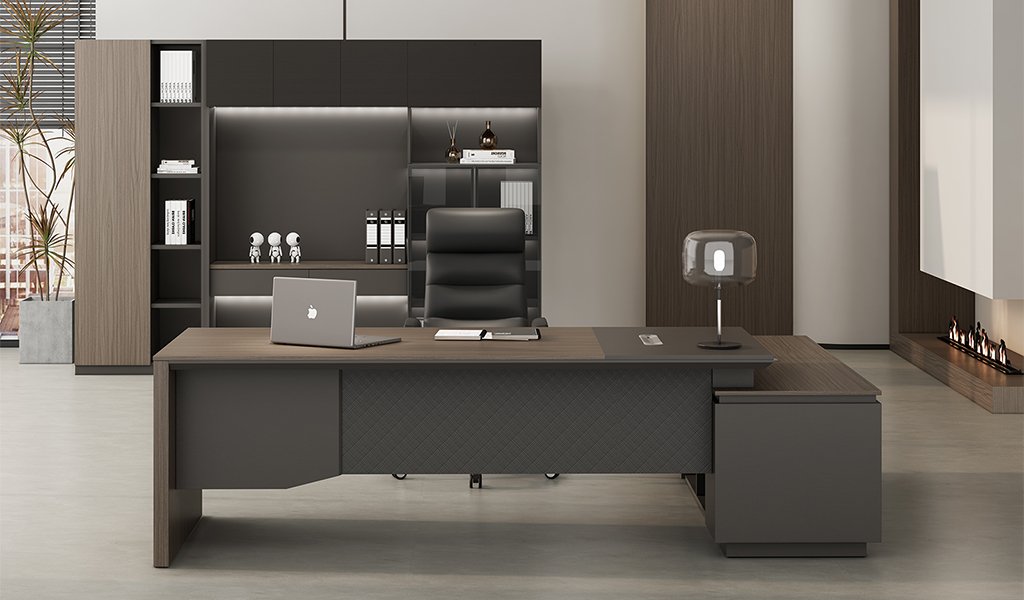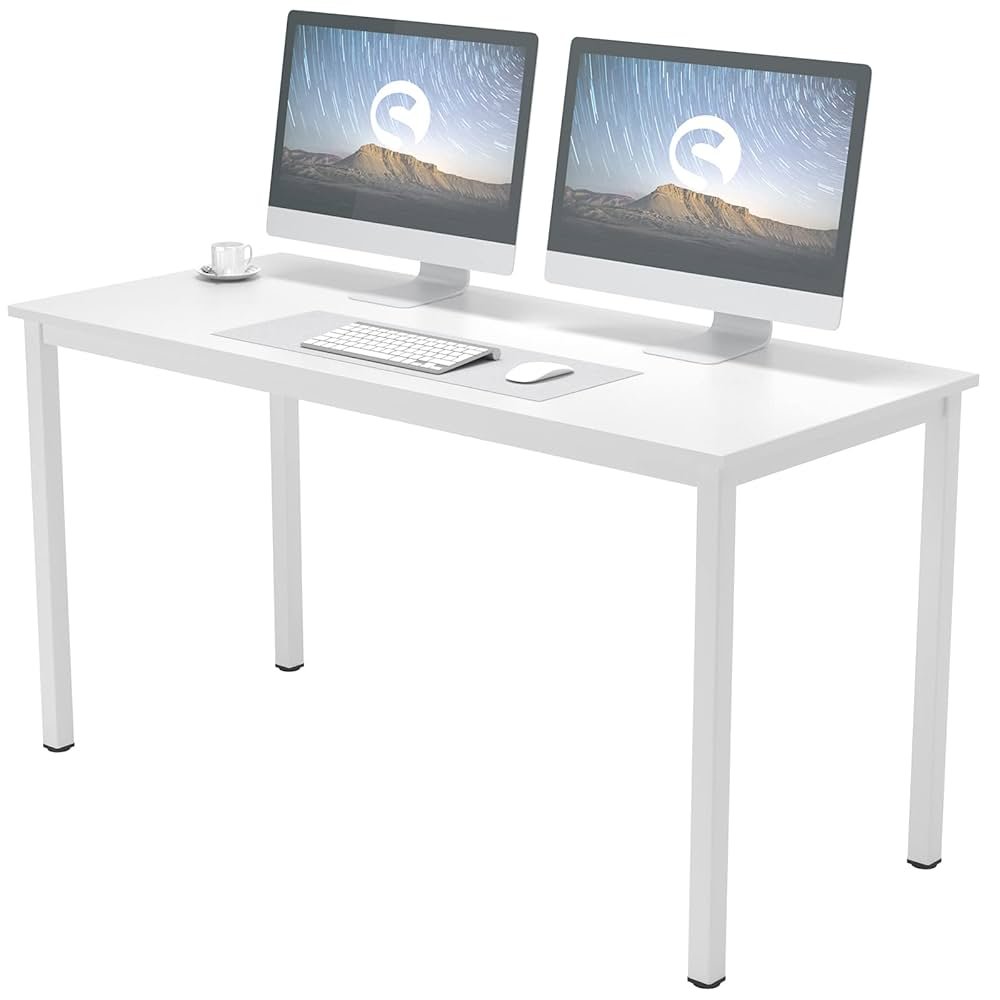
Finding the perfect table for your home office can change the way you work every day. Imagine having a space that keeps you focused, organized, and comfortable.
The right table isn’t just furniture—it’s the foundation of your productivity and creativity. Whether you need a compact desk for small spaces or a large surface to spread out your ideas, this guide will help you choose exactly what fits your style and needs.
Keep reading to discover how the right table can transform your home office into a place you actually want to work in.
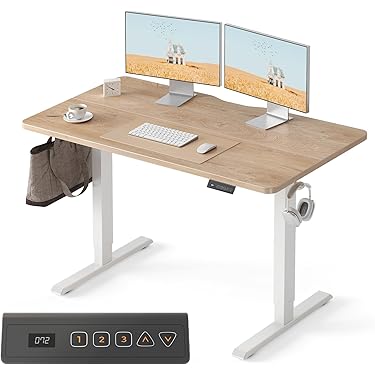
Credit: www.amazon.ca
Choosing The Right Table
Picking the right table for your home office is important. It affects your comfort and productivity.
Consider the material, size, and ergonomic features before buying a table. These factors help you work better.
Material Options
Tables come in many materials like wood, metal, and glass. Each has its own look and strength.
- Wood tables offer warmth and durability.
- Metal tables are strong and often modern in style.
- Glass tables look sleek but need more care.
- Laminate tables are budget-friendly and easy to clean.
Size Considerations
Choose a table size that fits your room and work needs. It should hold your computer and other tools.
| Room Size | Table Size | Notes |
| Small (under 100 sq ft) | Compact (up to 40 inches wide) | Fits in tight spaces, limits clutter |
| Medium (100-200 sq ft) | Standard (40-60 inches wide) | Good for most home offices |
| Large (over 200 sq ft) | Large (over 60 inches wide) | Room for extra equipment and storage |
Ergonomic Features
An ergonomic table supports good posture and comfort. This reduces strain during long work hours.
- Adjustable height helps you sit or stand while working.
- Rounded edges prevent arm and wrist pain.
- Enough legroom avoids cramped positions.
- Integrated cable management keeps wires tidy.
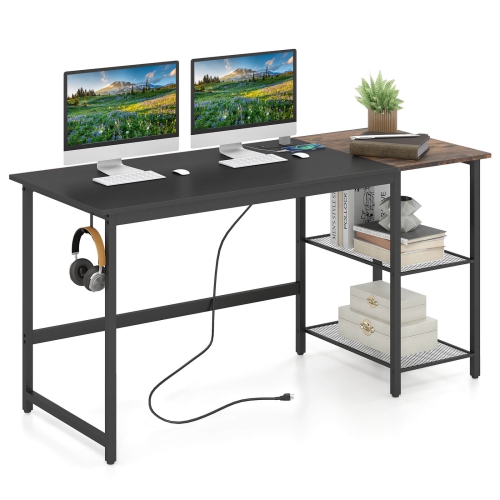
Credit: www.bestbuy.ca
Space-saving Designs
Choosing the right table for your home office can save a lot of space. Small rooms need smart furniture that fits well and works hard.
Space-saving tables help keep your office neat. They make room for other things you need daily.
Foldable Tables
Foldable tables are easy to store when not in use. They open up more floor space quickly.
- Lightweight and portable
- Simple to fold and unfold
- Works well in small rooms
- Can be used for multiple purposes
Wall-mounted Desks
Wall-mounted desks attach to the wall to save floor space. They often fold down when not needed.
| Feature | Benefit |
|---|---|
| Foldable surface | Frees wall space when closed |
| Built-in shelves | Extra storage without extra furniture |
| Compact design | Fits small or narrow rooms |
Convertible Furniture
Convertible furniture changes its shape to serve different needs. A table may turn into a shelf or storage unit.
Examples of convertible furniture:
- Tables with hidden drawers
- Desks that become standing workstations
- Pieces that fold into chairs or shelves
Stylish Table Styles
Choosing the right table can change your home office feel. Tables come in many styles to fit your space and taste.
Here are three popular styles that combine function and design for your home workspace.
Modern Minimalist
Modern minimalist tables focus on clean lines and simplicity. They use light colors and smooth surfaces. These tables keep your workspace neat and clear.
- Sleek metal or wood frames
- Neutral color palettes like white or gray
- Flat, uncluttered tabletops
- Hidden cable management
Rustic Charm
Rustic charm tables bring warmth with natural wood and rough textures. They look handmade and add a cozy feel to your office.
| Material | Feature | Benefit |
| Reclaimed Wood | Natural grain and knots | Unique, warm character |
| Distressed Finish | Worn and aged look | Inviting and lived-in style |
| Sturdy Legs | Thick wood or metal | Durable and stable |
Industrial Look
Industrial tables mix metal and wood for a strong, raw look. They suit modern lofts and creative spaces.
Key features of industrial tables:
- Exposed metal frames and bolts
- Reclaimed or dark-stained wood tops
- Simple, geometric shapes
- Rough, unfinished textures
Boosting Productivity
Having the right table for your home office can help you work better and faster. A well-organized space keeps your mind clear and your tasks on track.
Small changes in your workspace setup can make a big difference in how much you get done each day.
Organizational Accessories
Using accessories like trays and holders keeps your desk neat. They stop clutter and save time looking for things.
- Desk organizers for papers and pens
- Drawer dividers to separate small items
- File holders for important documents
- Sticky note pads for quick reminders
- Phone stands to keep your device visible
Cable Management Tips
Keeping cables tidy prevents distractions and hazards. It also makes cleaning your desk easier.
| Tip | Benefit |
| Use cable clips or ties | Prevents tangles and keeps cables in place |
| Label each cable | Makes it easy to identify devices |
| Hide cables under the desk | Keeps your workspace clean and safe |
| Use a cable box | Stores excess cables neatly |
Lighting And Placement
Good lighting reduces eye strain and helps you focus. The right desk placement uses natural light and avoids glare.
Try these tips for lighting and placement:
- Place your desk near a window for daylight
- Use a desk lamp with adjustable brightness
- Keep screens away from direct light to reduce glare
- Arrange your chair and desk for comfort
Maintenance And Durability
Tables for home offices need care to last long and stay strong. Proper maintenance helps keep the surface clean and the structure firm. This guide covers useful tips on cleaning, material lifespan, and repairs.
Following simple steps can protect your table from damage and wear. Regular upkeep also keeps your workspace neat and productive.
Cleaning Tips
Cleaning your home office table regularly removes dust and stains. Use the right products for the table material to avoid damage.
- Wipe the surface with a soft, damp cloth daily.
- Use mild soap and water for sticky spots.
- Avoid harsh chemicals that may strip finishes.
- Dry the table completely after cleaning.
- Clean spills immediately to prevent stains.
Material Longevity
Different materials last differently under daily use. Wood, metal, and laminate each need special care to extend their lifespan. Choosing the right material helps with durability.
| Material | Expected Lifespan | Durability Notes |
|---|---|---|
| Solid Wood | 10+ years | Strong but needs regular polishing |
| Metal | 15+ years | Very durable, resists dents and scratches |
| Laminate | 5-8 years | Easy to clean but can chip or peel |
Repair And Upkeep
Fixing small damages early keeps your table strong. Tighten screws and replace worn parts to prevent bigger problems.
- Check and tighten bolts every few months.
- Use wood filler for minor scratches on wooden tables.
- Sand and repaint chipped metal surfaces.
- Replace broken laminate sheets to avoid moisture damage.
- Lubricate hinges and moving parts as needed.

Credit: www.amazon.ca
Frequently Asked Questions
What Are The Best Table Types For A Home Office?
The best home office tables include standing desks, compact writing tables, and L-shaped desks. Choose based on space, comfort, and work style. Ergonomic designs improve productivity and reduce strain during long hours of work. Consider material and storage options for added functionality.
How To Choose The Right Size Table For Home Office?
Measure your available space before buying a table. Ensure the desk is wide enough for your computer and workspace. Leave room for movement and other office essentials. A comfortable size enhances productivity and avoids clutter in your home office.
What Materials Are Ideal For Home Office Tables?
Wood, metal, and glass are popular materials for home office tables. Wood offers durability and warmth, metal provides a modern look, and glass adds elegance. Choose a material that matches your decor and meets your functional needs like stability and maintenance.
Are Adjustable Height Tables Good For Home Offices?
Yes, adjustable height tables promote better posture and reduce fatigue. They allow switching between sitting and standing positions easily. This flexibility boosts comfort and productivity. Adjustable desks suit various work tasks and help maintain a healthy work routine.
Conclusion
Choosing the right table shapes your home office comfort. A good table helps keep work organized and clear. Simple designs fit small rooms well. Strong materials last a long time. Adjust height options support your posture every day. Think about how you work before buying.
A suitable table makes work feel easier and more focused. Your home office deserves a table that suits both style and function.