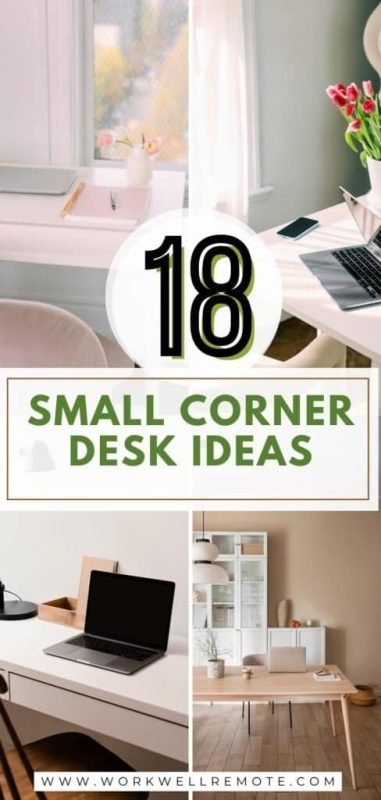
Is your home office feeling cluttered and chaotic? You’re not alone.
A well-organized workspace can boost your focus, reduce stress, and help you get more done every day. Imagine walking into your office and instantly knowing where everything is—no more wasted time searching for papers or supplies. You’ll discover simple, practical home office organization ideas that fit your space and lifestyle.
Get ready to transform your work area into a place where productivity flows effortlessly. Keep reading to unlock the secrets to a tidy, inspiring home office you’ll love.
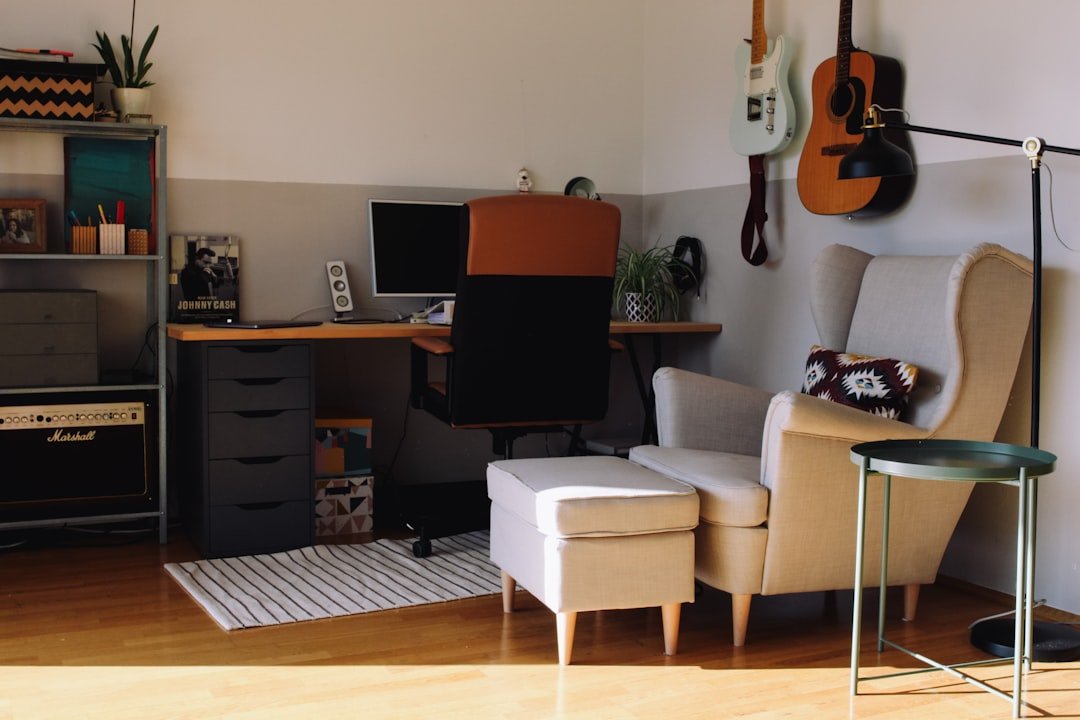
Credit: workwellremote.com
Choosing The Right Desk
Finding the right desk helps you work better from home. Your desk should fit your space and work style.
This guide looks at desk sizes, standing versus sitting desks, and multi-functional desks.
Desk Sizes For Small Spaces
Small rooms need desks that do not take up too much space. A compact desk keeps your office neat.
- Choose desks with a narrow width to fit tight spaces
- Look for desks with built-in shelves to save room
- Consider wall-mounted desks to free up floor space
- Pick desks with slim legs to make the room feel open
Standing Vs Sitting Desks
Standing desks let you change your position during work. Sitting desks are still popular for comfort.
| Desk Type | Pros | Cons |
| Standing Desk | Improves posture, burns more calories | Can cause leg fatigue |
| Sitting Desk | Comfortable for long hours | May cause back pain if posture is poor |
| Adjustable Desk | Switches between sitting and standing | Usually more expensive |
Multi-functional Desks
Multi-functional desks offer more than just a workspace. They add storage or can change shape.
- Built-in drawers to hold supplies
- Foldable tops to save space
- Convertible desks that become shelves or tables
- Desks with cable management options

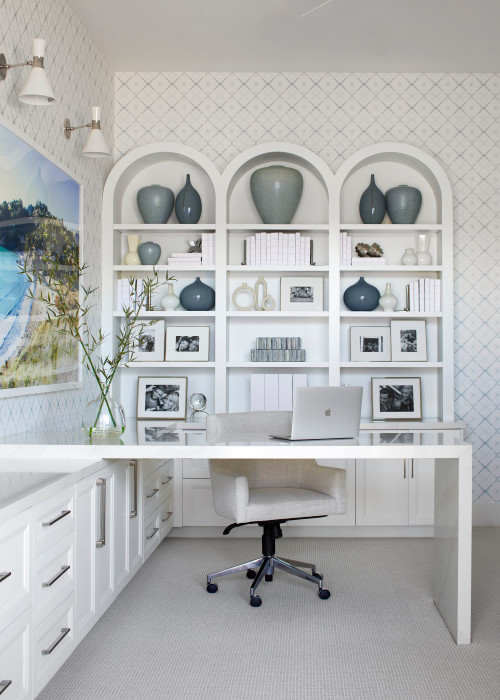
Credit: www.youtube.com
Smart Storage Solutions
Organizing your home office helps you work better. Smart storage saves space and keeps things tidy.
Use smart storage ideas to create a neat and productive workspace at home.
Shelving Options
Shelves keep your office supplies within reach. They use vertical space to clear your desk.
Choose open shelves for easy access or closed shelves to hide clutter.
- Floating shelves save floor space
- Adjustable shelves fit different items
- Corner shelves use often-wasted corners
- Built-in shelves match your room design
Drawer Organizers
Drawers can get messy without dividers. Organizers keep small items sorted and easy to find.
Use trays or boxes to separate pens, papers, and tools inside drawers.
- Use small containers for clips and pins
- Label sections to know where things go
- Stack organizers to use deep drawers well
- Choose adjustable dividers for different needs
Hidden Storage Ideas
Hidden storage helps keep your office clean and stylish. It hides clutter out of sight.
Look for furniture with storage inside or use creative spots to hide items.
- Desks with built-in storage compartments
- Ottomans that open to hold supplies
- Wall panels with secret pockets
- Under-desk baskets for cables and tools
Cable Management Tips
Keeping cables neat helps your home office look clean. It also stops cables from tangling and breaking.
Good cable management makes your workspace safer and easier to use every day.
Using Cable Trays And Clips
Cable trays hold cables under your desk. They keep wires off the floor and out of sight.
Cable clips stick to desks or walls. They guide cables along a set path and stop them from tangling.
- Cable trays prevent floor clutter
- Clips keep cables organized and in place
- Both protect cables from damage
Wireless Device Options
Wireless devices reduce the number of cables you need. They help keep your desk clear and tidy.
Using wireless keyboards, mice, and headphones cuts down cable mess. It also gives you more freedom to move.
- Wireless keyboards and mice
- Bluetooth headphones and speakers
- Wi-Fi printers and scanners
Labeling Cables
Labeling cables helps you find the right wire quickly. It saves time and stops confusion.
Use simple tags or colored labels. Write clear names like “Monitor” or “Charger” on each cable.
- Use tags or tape for labels
- Write clear, short names
- Match colors with device types
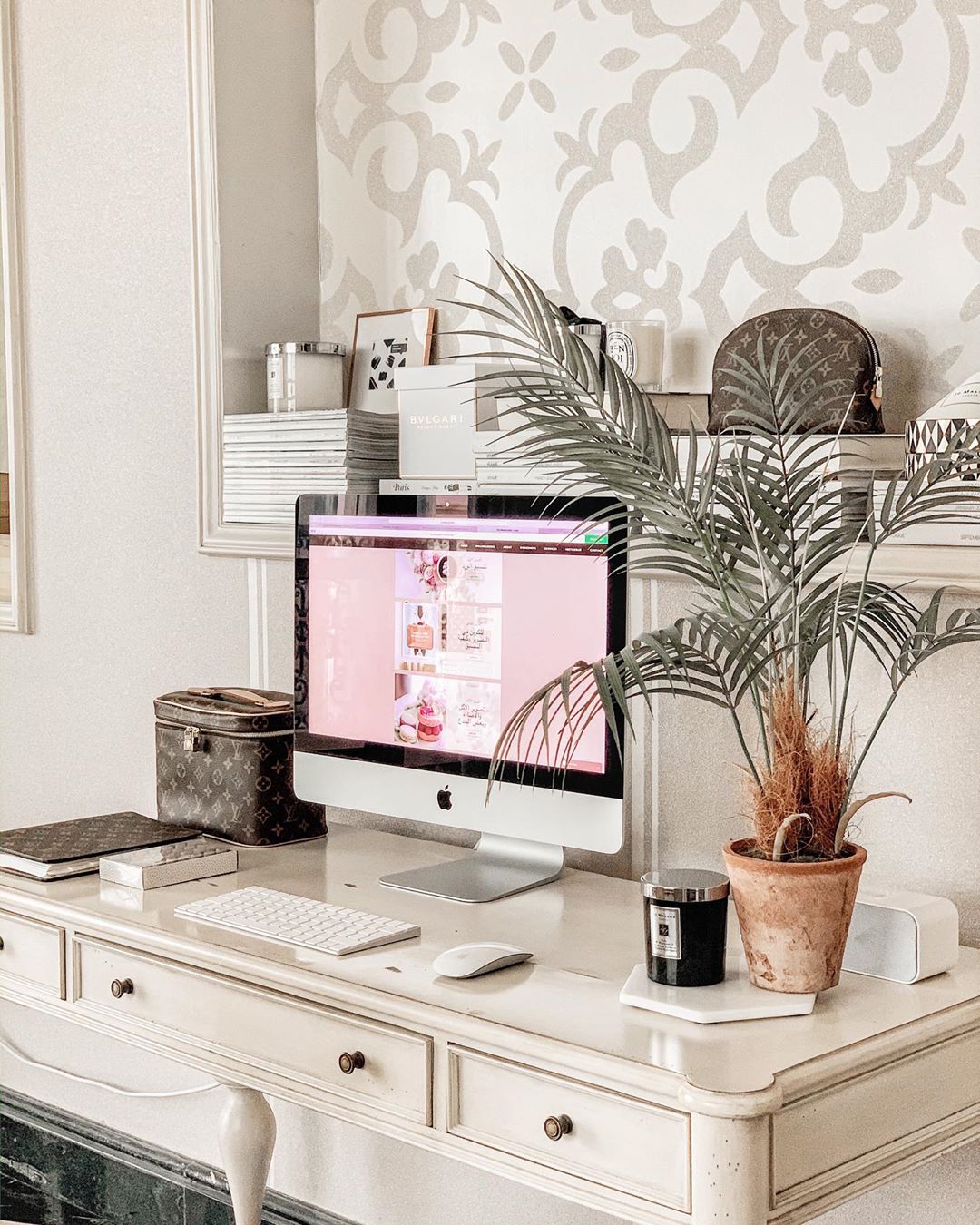
Credit: www.extraspace.com
Optimizing Lighting
Good lighting is key for a productive home office. It helps reduce eye strain and keeps you alert. You can use natural and artificial light to create a balanced workspace.
Proper lighting makes your work area comfortable. It also improves focus and mood. Let’s explore ways to optimize lighting in your home office.
Natural Light Benefits
Natural light is the best source for your home office. It boosts energy and helps your body stay in rhythm. Working near a window can make your space feel fresh and bright.
- Reduces eye fatigue
- Improves mood and focus
- Helps regulate sleep patterns
- Creates a more inviting workspace
Task Lighting Choices
Task lighting focuses light where you need it most. Desk lamps and adjustable lights are great options. Choose bulbs with soft white light to reduce harsh shadows.
| Type | Best Use | Light Color |
| LED Desk Lamp | Reading and paperwork | Soft white (2700K–3000K) |
| Adjustable Arm Lamp | Precision work | Cool white (3500K–4100K) |
| Clamp Lamp | Space saving, flexible | Neutral white (3000K–3500K) |
Avoiding Glare
Glare can cause headaches and make screens hard to see. Position your desk to avoid direct sunlight on your monitor. Use curtains or blinds to soften strong light.
- Place screens perpendicular to windows
- Use matte screen protectors
- Adjust blinds to reduce harsh light
- Choose lamps with diffusers
Decluttering Strategies
Keeping your home office organized helps you stay focused and work better. Decluttering clears space and reduces stress.
Use simple methods to keep your work area neat every day. Small habits can prevent clutter from building up.
Daily Tidying Habits
Set aside a few minutes each day to tidy your desk. Put away items you do not need and wipe surfaces clean.
- Clear your desk before finishing work
- Sort papers and put them in folders
- Throw away trash or recycle it
- Organize office supplies in drawers
- Charge devices and store cables neatly
Paper Management Systems
Paper clutter can slow you down. Create a system to keep papers organized and easy to find.
| Type of Paper | Storage Method |
| Important Documents | File folders labeled by topic |
| Bills and Receipts | Accordion file with dates |
| Notes and Ideas | Notebook or digital app |
| Old Papers | Recycle or shred regularly |
Digital Declutter
Digital clutter can be as distracting as paper mess. Organize your files and delete what you do not need.
Try this quick digital declutter routine:
- Delete old emails and empty trash
- Sort files into folders by project
- Remove unused apps and software
- Back up important data to the cloud
- Close browser tabs when done
Personalizing Your Space
A home office should reflect your personality. Personal touches make it more inviting. This helps boost creativity and focus.
Creating a personalized space doesn’t need to be hard. Small changes can make a big difference. Let’s explore some ideas.
Inspiring Decor Ideas
Decor can inspire your workday. Use items that spark joy and creativity. Surround yourself with pieces you love.
Think about adding artwork or family photos. These can make the space feel warm and personal. Your decor should reflect your style.
- Choose a theme that makes you happy
- Mix modern and vintage pieces for depth
- Use colorful rugs for a cozy feel
Plants For Productivity
Plants can boost productivity. They add life and color to your office. Some plants even improve air quality.
Consider easy-care plants like succulents or snake plants. They require little attention but offer big benefits. Place them near your desk for a refreshing view.
- Succulents need minimal water
- Snake plants are great for low light
- Peace lilies clean the air
Ergonomic Accessories
Ergonomics matter in a home office. Good posture helps you work longer without pain. Use accessories that support your body.
Invest in a comfortable chair and desk. Consider an adjustable keyboard tray. These can make your workday more comfortable.
- Adjustable chairs support your back
- Footrests improve circulation
- Keyboard trays reduce wrist strain
Maximizing Vertical Space
Making the most of your home office is important. Vertical space can help you keep things organized. It is perfect for small spaces.
Use walls to store items you need. This keeps the desk clear and provides more room to work. Let’s explore some ideas.
Wall-mounted Storage
Wall-mounted storage is a great way to save space. Shelves, racks, or cabinets can hold office supplies. They keep your desk neat.
Use clear containers on shelves. This helps you see what’s inside. Label each container to find things quickly.
Pegboards And Hooks
Pegboards can hold many items. Hang tools, scissors, or small baskets on them. Hooks are useful for hanging bags and headphones.
Pegboards come in different sizes. Choose one that fits your space. Arrange items in a way that makes sense for you.
- Hang tools like scissors and tape
- Use baskets for pens and pencils
- Keep headphones within reach
Floating Shelves
Floating shelves offer a stylish storage option. They keep your items visible and easy to reach. Books, plants, or photos can go on these shelves.
Install them at different heights for a unique look. Make sure they are strong enough to hold your items.
- Display books and magazines
- Showcase small plants
- Add personal photos
Creating Zones For Tasks
Organizing your home office into zones helps you work better. Each zone focuses on a specific task. This way, you can stay focused and relaxed throughout the day.
Clear zones reduce clutter and make it easy to find what you need. Let’s look at three important zones to create in your home office.
Work Area Setup
Choose a quiet spot with good light for your work area. A comfortable chair and desk help you stay productive. Keep your computer, notebook, and pens within reach.
- Place your desk near a window for natural light
- Use an ergonomic chair to support your back
- Keep cables and chargers organized
- Add a small desk lamp for evening work
Relaxation Corner
Create a small corner for breaks and rest. Use a comfy chair or cushion and add soft lighting. This area helps you recharge between tasks.
| Item | Purpose |
| Comfy chair | Relax and stretch |
| Soft lighting | Calm your eyes |
| Small plant | Bring nature indoors |
| Blanket or cushion | Extra comfort |
Storage And Filing Zone
Keep your files and supplies in one place. Use shelves, cabinets, or boxes to stay organized. Label everything to find items fast.
- Use clear containers to see contents easily
- Sort papers by project or date
- Store frequently used items within arm’s reach
- Keep cords and tools in separate bins
Frequently Asked Questions
How Can I Organize A Small Home Office Space?
Use vertical storage like shelves and wall organizers. Keep your desk clutter-free with drawer dividers. Choose multifunctional furniture to save space and maintain order.
What Are The Best Storage Solutions For Home Offices?
Opt for filing cabinets, floating shelves, and desk organizers. Use labeled bins and boxes to categorize supplies. This keeps everything accessible and reduces clutter efficiently.
How Do I Maintain Home Office Organization Daily?
Set a 5-minute cleanup routine after work. Return items to their designated spots. Regularly declutter to prevent buildup and keep your space productive.
What Are Essential Tools For Home Office Organization?
Use cable management clips, drawer organizers, and document trays. A whiteboard or planner helps track tasks. These tools boost efficiency and maintain a tidy workspace.
Conclusion
Organizing your home office can boost focus and reduce stress. Simple storage solutions keep your desk neat and clear. Choose tools that fit your work style and space. Keep only what you need within arm’s reach. Small changes make a big difference over time.
A tidy workspace helps your mind stay sharp. Start with one step and build good habits daily. Your home office can become a place you enjoy working in.