Are you struggling to create a space that works both as your bedroom and your home office? Finding the right balance between rest and productivity can be tricky.
But imagine waking up refreshed, then stepping into a workspace that inspires focus without cluttering your peaceful retreat. You’ll discover simple yet powerful design ideas that transform your bedroom into a smart, stylish office. Ready to make your space work harder for you?
Let’s dive in and unlock the secrets to a home office bedroom you’ll love.
Maximizing Small Spaces
Small bedrooms can be tricky to use as home offices. You need smart ideas to fit both functions. Using the right design helps make the space feel bigger and more useful.
Focus on furniture and storage that save space. Keep the room neat to avoid clutter and distractions. This guide shows easy ways to design your home office bedroom.
Multi-use Furniture Solutions
Choose furniture that serves more than one purpose. This saves space and keeps the room organized. For example, a bed with drawers stores clothes and office items.
Look for sofas that turn into beds or desks that fold away. These pieces give you flexibility for work and rest in the same room.
- Bed frames with built-in storage drawers
- Sofa beds for seating and sleeping
- Foldable desks that hide when not in use
- Ottomans with internal storage
Vertical Storage Options
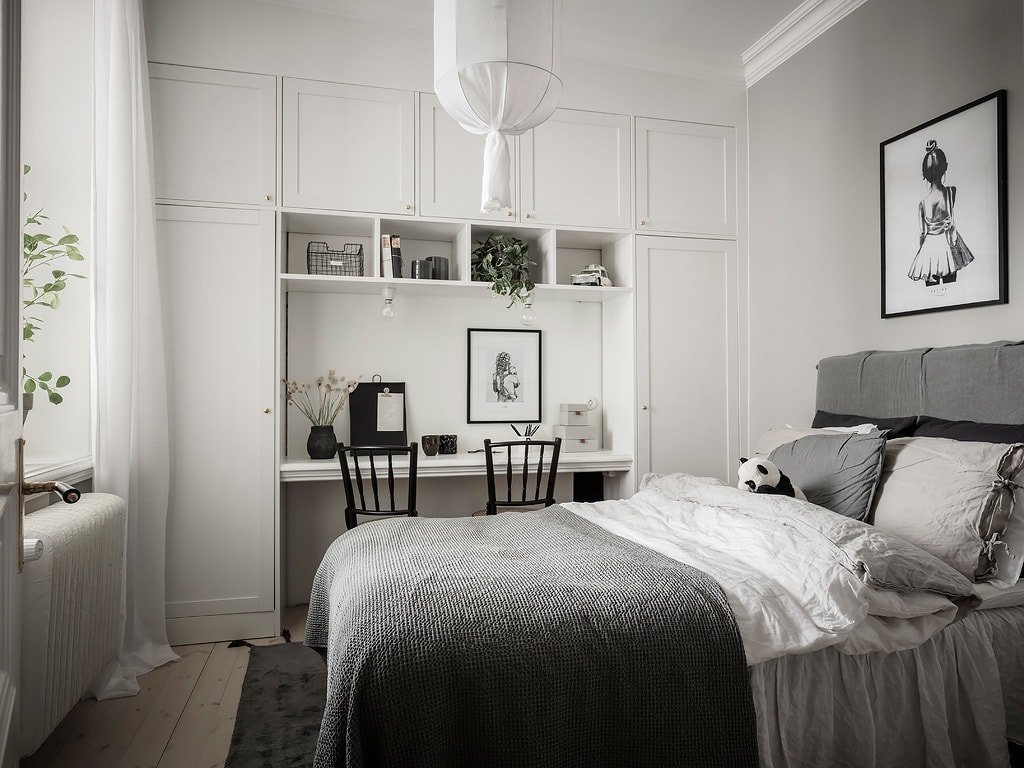
Use wall space to store items and keep floors clear. Tall shelves and wall-mounted cabinets add storage without taking up room. This keeps your office supplies easy to find.
Hooks and pegboards on walls hold tools and decorations. Vertical storage helps keep the workspace tidy and uses every inch smartly.
- Wall shelves for books and files
- Pegboards for office tools and accessories
- Vertical filing cabinets
- Hooks for bags and headphones
Compact Desk Ideas
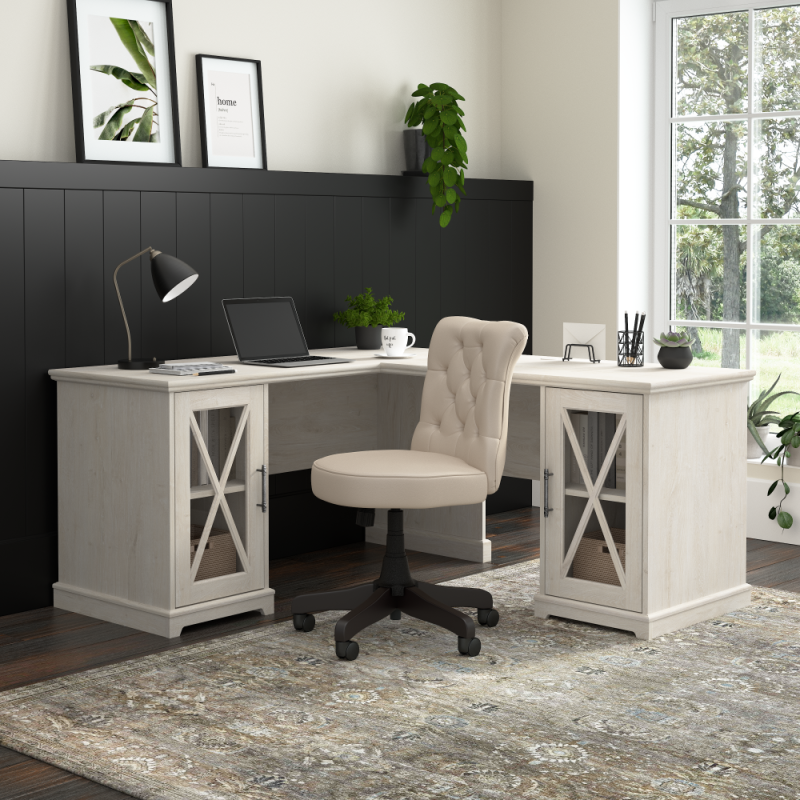
Pick desks that fit small rooms but still offer enough workspace. Narrow desks or wall-mounted desks take up less space. Some desks have built-in shelves to hold supplies.
Floating desks attach to the wall and can fold up. Corner desks use room corners well and give you more area to work.
- Narrow desks for tight spaces
- Wall-mounted foldable desks
- Corner desks to use room angles
- Desks with built-in storage shelves

Credit: www.digsdigs.com
Choosing The Right Color Palette
Choosing colors for your home office bedroom can affect your mood and focus. The right palette makes the space feel comfortable and inviting.
Think about how colors influence energy and calmness before you start decorating. Pick tones that suit your work and rest needs.
Calming Neutrals
Neutral colors create a peaceful and balanced environment. Shades like beige, soft gray, and warm white help reduce stress.
- Light beige walls make the room feel warm and cozy.
- Soft gray furniture adds a modern touch without distraction.
- White accents keep the space clean and open.
Bold Accent Colors
Accent colors add energy and personality to your home office bedroom. Use them in small doses to keep the space lively but not overwhelming.
| Accent Color | Effect |
| Deep Blue | Boosts focus and calm |
| Rich Red | Increases energy and warmth |
| Bright Yellow | Enhances creativity and cheer |
Light And Airy Tones
Light colors make the room feel bigger and fresher. They work well in small spaces or rooms with little natural light.
Try these ideas for a light and airy feel:
- Soft pastels like mint green or pale blue
- Sheer curtains to let in natural light
- Minimalist furniture with clean lines
Lighting For Productivity
Good lighting helps you work better in a home office bedroom. It reduces eye strain and keeps you alert.
Using different types of lighting can make your workspace comfortable and productive all day long.
Natural Light Benefits
Natural light is the best source for working. It boosts mood and helps you stay focused. Place your desk near a window to get sunlight.
Too much sun can cause glare. Use light curtains or blinds to soften the light and avoid distractions.
Task Lighting Essentials
Task lighting gives direct light for reading or writing. It helps prevent eye fatigue during detailed work.
- Use adjustable desk lamps for focused light.
- Choose bulbs with cool white light for clarity.
- Position lights to avoid shadows on your work area.
- LED lights save energy and last longer.
Ambient Lighting Techniques
| Lighting Type | Purpose | Example |
|---|---|---|
| Ceiling Lights | Fill the room with soft light | Flush mount or pendant lights |
| Wall Sconces | Create warm, indirect light | Small lamps on walls |
| Floor Lamps | Add light and style | Standing lamps near seating or desk |
Combine ambient lights with natural and task lights. This balance keeps your room bright without glare or shadows.
Furniture Styles To Consider
Choosing the right furniture style can make your home office bedroom both functional and comfortable.
This guide covers three popular styles to help you find the perfect fit for your space.
Modern Minimalist Designs
Modern minimalist furniture uses clean lines and simple shapes. It avoids clutter and focuses on function.
Materials like metal and glass often appear in this style, along with neutral colors like white and gray.
Rustic And Cozy Elements
Rustic furniture brings warmth with natural wood and soft textures. It feels inviting and lived-in.
- Wooden desks with a rough finish
- Comfy armchairs with fabric upholstery
- Warm-colored rugs and blankets
- Simple shelves made from reclaimed wood
Mid-century Modern Touches
This style mixes vintage charm with modern comfort. It uses rich wood tones and sleek shapes.
| Furniture Piece | Common Features |
| Desks | Tapered legs, smooth surfaces |
| Chairs | Curved backs, wooden frames |
| Storage | Simple drawers, minimal hardware |
Creating Zones Within A Room
Designing a home office in your bedroom can be tricky. It’s important to create distinct zones. Each zone serves a specific purpose. This helps keep your work and rest areas separate.
By organizing your space into zones, you create a balanced environment. It helps you focus and relax when needed.
Work Area Separation
Separate your work area to boost concentration. Use a small desk or table. Place it away from the bed to avoid distractions.
Consider using a room divider or a curtain. It visually separates your workspace from the rest of the room.
- Place your desk near a window for natural light
- Use a comfortable chair to support good posture
- Keep work essentials within reach to save time
Relaxation Corners
Create a relaxation corner to unwind after work. Use a cozy chair or a small sofa. Add cushions and a soft blanket.
Decorate with plants or soft lighting to make the space inviting. It’s your personal spot to relax and refresh your mind.
- Choose calming colors for a soothing effect
- Include a small bookshelf with your favorite books
- Use scented candles to enhance relaxation
Storage Zones
Organize your room with smart storage solutions. Use shelves and baskets to keep things tidy. Store office supplies and personal items separately.
Label boxes and baskets to find things quickly. Keep the space uncluttered for a peaceful environment.
- Use vertical space with wall-mounted shelves
- Opt for furniture with hidden storage
- Regularly declutter to maintain order
Incorporating Personal Touches
Adding personal touches makes your home office bedroom feel unique. It helps create a space you enjoy working in.
Small details can show your personality and make the room more comfortable.
Artwork And Decor
Artwork adds color and character to your space. Choose pieces that inspire or relax you.
Decor items like photos, souvenirs, or crafts make your room feel lived-in and special.
- Hang your favorite paintings or prints
- Display framed photos of loved ones
- Use decorative objects that tell a story
Plants And Greenery
Plants bring life and freshness to your office bedroom. They also improve air quality.
Choose plants that fit your space and lighting. Small pots or hanging planters work well.
- Succulents need little care and fit small desks
- Spider plants help clean the air
- Herbs add scent and can be used in cooking
Organizational Accessories
Organizational tools keep your space tidy and personal. Choose items that match your style.
Use storage that is both useful and decorative. It helps reduce clutter and keeps things in place.
- Colorful baskets or boxes for supplies
- Desk organizers with your favorite colors
- Personalized labels for files and drawers
Tech And Connectivity Setup
Setting up your home office bedroom with the right tech helps you work well. Good connectivity and smart tools improve your daily tasks.
Organizing cables and choosing useful gadgets make your workspace neat and efficient. Smart home features add comfort and control.
Cable Management Tips
Keep cables tidy to avoid clutter and damage. Use simple methods to manage wires and improve safety.
- Use cable clips to hold wires in place
- Label cables for easy identification
- Bundle cables with Velcro straps
- Hide cables behind furniture or under desks
- Use cable sleeves to group multiple cords
Essential Gadgets
Choose gadgets that boost your work and comfort. Here is a table showing common tools and their uses.
| Gadget | Purpose |
| Wireless Keyboard | Type easily without cable clutter |
| Noise-Canceling Headphones | Block distractions for better focus |
| Webcam | Clear video for meetings |
| USB Hub | Connect multiple devices at once |
| Desk Lamp with USB | Good lighting and charging port |
Smart Home Integration
Smart home devices make your office more comfortable and efficient. Control your environment with simple tools.
- Smart lights: Adjust brightness and color for work moods
- Voice assistants: Use voice commands to set reminders or control devices
- Smart plugs: Turn devices on or off remotely
- Thermostats: Keep room temperature perfect for work

Credit: www.designcafe.com
Ergonomic Considerations
Designing a home office in your bedroom requires ergonomic planning. Proper setup helps prevent discomfort and increases productivity.
Consider how you arrange your furniture and equipment. Small changes can make a big difference in comfort.
Chair And Desk Height
The height of your chair and desk is crucial. It should allow your feet to rest flat on the floor.
Your arms should be at a 90-degree angle when typing. Adjust the height as needed for comfort.
Posture Support
Good posture is important while working. Use a chair with lumbar support to maintain a straight back.
Keep your computer screen at eye level. This helps reduce neck strain.
- Use a footrest if your feet do not touch the ground
- Position keyboard and mouse close to avoid reaching
- Keep wrists straight while typing
Movement Breaks
Taking breaks to move is essential. It reduces the risk of stiffness and strain.
Set a timer to remind you to stand and stretch every hour. Short breaks help keep your body flexible.
- Walk around the room for a few minutes
- Stretch your arms and legs
- Look away from the screen to rest your eyes
:max_bytes(150000):strip_icc()/collov-home-design-UUsQk_9bdR8-unsplash-f847733b560946789437e046a16b2fe3.jpg)
Credit: www.thespruce.com
Frequently Asked Questions
How To Maximize Space In A Home Office Bedroom?
Maximize space by using multi-functional furniture like a fold-out desk or sofa bed. Use vertical storage and wall shelves. Keep the layout open and clutter-free to enhance both work and rest areas.
What Colors Work Best For Home Office Bedrooms?
Neutral and calming colors like soft blues, grays, and pastels boost focus and relaxation. Avoid overly bright shades that can cause distraction. Choose colors that create a balanced, serene workspace and restful bedroom.
How To Separate Work And Sleep Areas Effectively?
Use room dividers, curtains, or furniture placement to create distinct zones. Position your desk away from the bed. This separation helps improve productivity and promotes better sleep hygiene.
What Lighting Is Ideal For A Home Office Bedroom?
Combine natural light with adjustable task lighting. Use soft ambient lights for relaxation and bright LED desk lamps for work. Proper lighting reduces eye strain and enhances mood.
Conclusion
Creating a home office in your bedroom can boost comfort and focus. Choose colors that calm your mind and organize your space well. Add good lighting to work without strain. Keep work items and rest areas separate. Small plants or personal items make the space inviting.
A neat, cozy corner helps balance work and rest. Try these ideas to make your bedroom work-friendly and peaceful. Your work and sleep deserve a space that supports both.