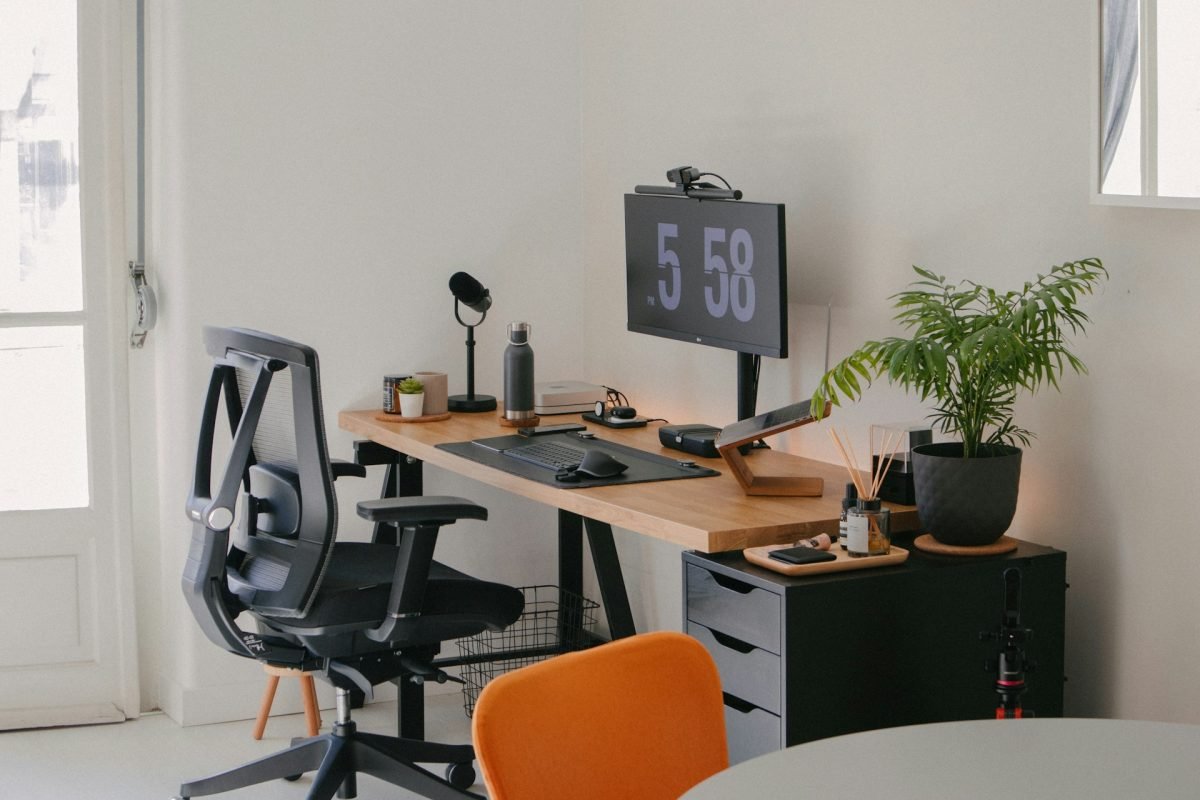
Creating the perfect home office setup can change the way you work every day. Imagine a space that boosts your focus, sparks your creativity, and feels comfortable from the moment you sit down.
Whether you have a small corner or a whole room, the right ideas can make your workspace both practical and inspiring. You’ll discover simple yet powerful tips to transform your home office into a place where productivity and comfort go hand in hand.
Ready to build a setup that works for you? Let’s dive in.

Credit: www.designcafe.com
Choosing The Right Location
Picking the right spot for your home office is very important. It helps you work better and stay focused.
Think about space, light, and noise before setting up your workspace. This makes your office comfortable and productive.
Assessing Space Availability
Check how much room you have in your house for an office. Choose a place with enough space for a desk and chair.
Make sure there is room to move and store your work items. A cramped space can make you feel stressed.
- Measure the area before buying furniture
- Pick a space that fits your work needs
- Leave space for storage and equipment
Considering Natural Light
Natural light helps you stay alert and happy. Choose a spot near a window if you can.
Too much sunlight can cause glare on your screen. Use curtains or blinds to control light levels.
- Place your desk near windows for daylight
- Use curtains to reduce glare
- Balance natural and artificial light
Minimizing Distractions
Find a quiet spot away from noise and busy areas. This helps you focus on your work tasks.
Try to avoid places near the TV, kitchen, or heavy foot traffic. Use noise-cancelling headphones if needed.
- Choose a room or corner with low noise
- Keep your workspace tidy and organized
- Use headphones to block distracting sounds
Essential Furniture Picks
Setting up a home office needs the right furniture. The right pieces help you work comfortably and stay organized.
Choose items that support good posture and fit your space well. This guide covers important furniture types to consider.
Ergonomic Chairs
Ergonomic chairs support your back and reduce strain. Look for adjustable height and good lumbar support to keep your posture healthy.
- Adjustable seat height and depth
- Good lower back support
- Comfortable cushioning
- Swivel base for easy movement
- Breathable fabric or mesh
Adjustable Desks
Adjustable desks let you change between sitting and standing. This helps reduce fatigue and improves focus during long work hours.
| Type | Feature | Benefit |
| Manual Crank | Hand crank to raise or lower | Cost-effective and simple |
| Electric | Button controls for height | Quick and easy adjustments |
| Fixed Height | Set height desk | Stable and affordable |
Storage Solutions
Storage keeps your home office neat. Good storage helps you find things quickly and keeps your space tidy.
Choose from these storage types:
- Filing cabinets to organize documents
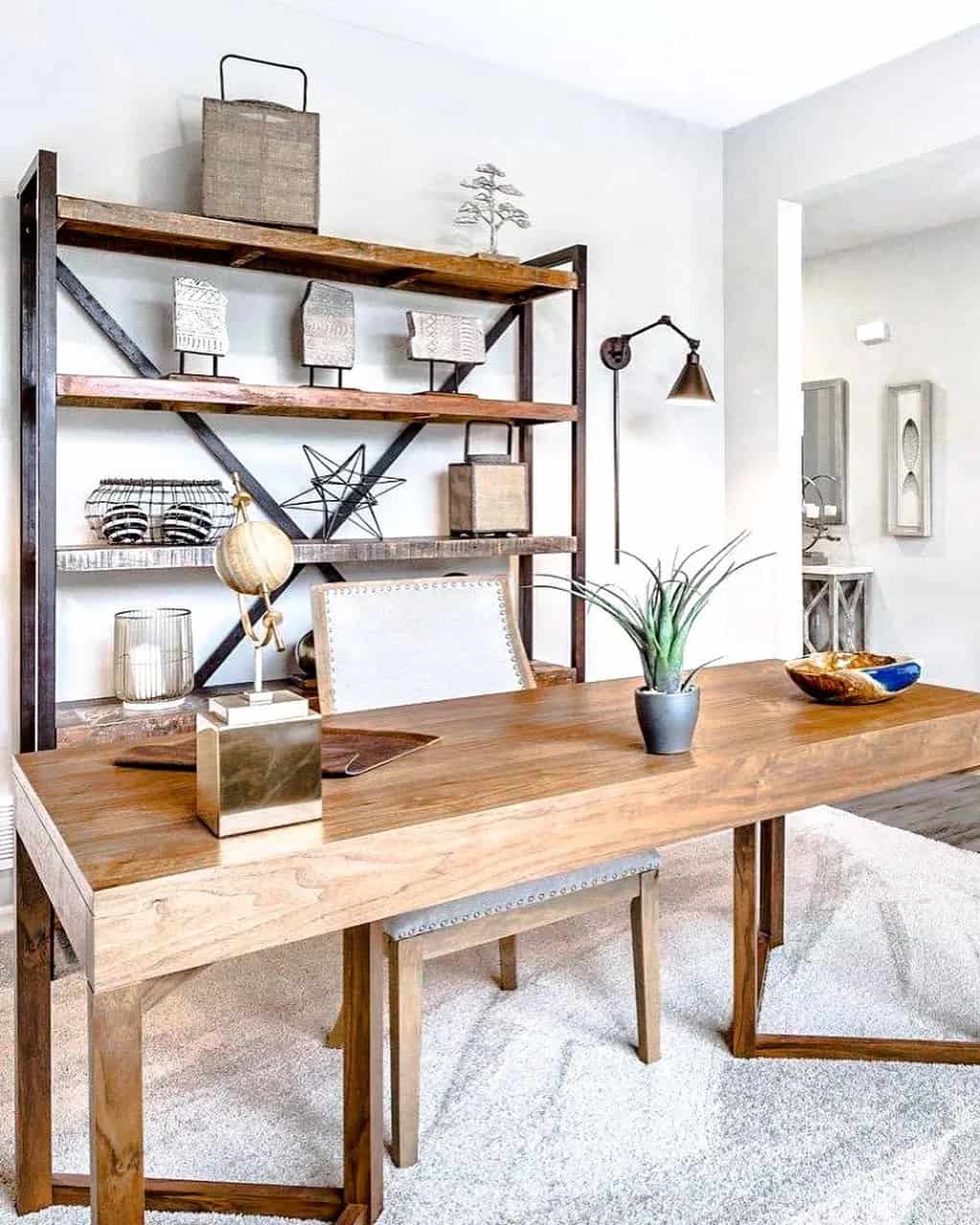
- Shelves for books and decor
- Drawer units for small items
- Desk organizers to keep tools in place
Optimizing Desk Organization
A neat desk helps you work better and feel calm. Organizing your workspace can save time and reduce stress.
Small changes in how you arrange your desk make a big difference. Let’s look at some easy ideas to keep your desk tidy.
Cable Management Tips
Cables can make your desk look messy fast. Use simple tools to keep wires in order and out of sight.
Label each cable to know which device it belongs to. This stops confusion when unplugging.
- Use cable clips to hold wires along the desk edge
- Bundle extra cable length with Velcro straps
- Place a cable box under the desk to hide power strips
- Run cables behind the desk to avoid tangling
Decluttering Strategies
Clear your desk of items you do not use daily. This makes your workspace cleaner and easier to use.
Sort papers and supplies in drawers or boxes. Keep only what you need on your desk surface.
- Throw away or recycle old documents
- Use trays or folders for papers you keep
- Store pens and tools in containers
- Regularly check and remove unused items
Using Desk Accessories
Desk accessories help organize your items and save space. Choose items that fit your work style.
Use shelves, drawer dividers, and holders to keep things in place. This keeps your desk clean and functional.
- Use a monitor stand with storage underneath
- Place a pen holder near your keyboard
- Use a small filing box for important papers
- Try a desk organizer tray for small items

Credit: www.youtube.com
Lighting For Focus And Comfort
Good lighting helps you work better and feel comfortable. It affects your focus and reduces tiredness.
Setting up the right mix of lights in your home office can make a big difference.
Task Lighting Options
Task lighting shines light exactly where you need it. A desk lamp is a common choice.
- Adjustable LED lamps save energy and give clear light.
- Clip-on lights can focus on books or papers.
- Light color should be cool white for better focus.
- Position lamps to avoid glare on screens.
Balancing Natural And Artificial Light
Natural light is best for your eyes and mood. Use windows to bring daylight in.
| Light Source | Best Use | Tip |
| Natural Light | General illumination | Use sheer curtains to soften |
| Ceiling Lights | Room brightness | Choose dimmable bulbs |
| Desk Lamps | Focused work | Place on non-dominant side |
Reducing Eye Strain
Eye strain stops you from working well. Good lighting helps protect your eyes.
Try these tips to reduce eye strain:
- Keep your screen brightness similar to room light.
- Use anti-glare screen protectors.
- Take breaks every 20 minutes to rest your eyes.
- Adjust your chair and screen to avoid glare.
Tech Tools To Boost Efficiency
Setting up a home office means picking the right technology. Good tools help you work faster and better.
Choosing gadgets and software that fit your needs makes your day smoother and less stressful.
Essential Gadgets
Having the right gadgets in your home office helps you stay focused and organized. Pick tools that suit your work style.
- A good quality monitor reduces eye strain.
- Wireless keyboards and mice keep your desk neat.
- Noise-cancelling headphones block distractions.
- A webcam and microphone improve video calls.
- An external hard drive helps with backups.
Software And Apps
Software and apps help you manage tasks and communicate clearly. Choose ones that are easy to use.
- Project management apps keep your work on track.
- Video conferencing tools connect you with others.
- Cloud storage lets you access files anywhere.
- Note-taking apps help capture ideas fast.
- Time tracking tools improve productivity.
Setting Up Reliable Connectivity
Fast and steady internet is key for a home office. It keeps your work flowing without interruptions.
Use a good router and check your Wi-Fi speed often. This helps avoid delays and dropped calls.
- Place your router centrally for best coverage.
- Use Ethernet cables for stable connections.
- Consider a Wi-Fi extender if your signal is weak.
- Regularly update your network hardware.
- Secure your connection with strong passwords.
Credit: www.extraspace.com
Personalizing Your Workspace
Your home office should reflect your personality. A personalized workspace boosts creativity and comfort.
Small changes can make your office feel unique. Let’s explore some ideas to personalize your workspace.
Incorporating Plants
Plants bring life and fresh air to your workspace. They can improve mood and reduce stress.
- Choose low-maintenance plants like succulents or snake plants.
- Place a small plant on your desk for a touch of greenery.
- Hang planters near windows for optimal sunlight.
Art And Decor Ideas
Artwork and decor add personality to your office. They create an inspiring environment.
| Decor Item | Purpose |
| Wall Art | Adds visual interest |
| Desk Accessories | Enhances functionality |
| Rug | Defines the space |
Creating A Motivating Atmosphere
A motivating atmosphere encourages productivity. Use these ideas to create an inspiring workspace.
Lighting is key; opt for natural light and adjustable lamps to suit your needs.
Maintaining Work-life Balance
Setting up a home office requires thoughtful planning. You must maintain a balance between work and personal life. This helps in staying productive and happy.
Here are some ideas that can help in achieving a healthy work-life balance. Implementing these can make a significant difference in your daily routine.
Defining Boundaries
It is important to set clear boundaries between work and personal time. This ensures that work does not spill over into your family time.
- Designate a specific area for your home office.
- Use physical cues, like a door or divider, to separate spaces.
- Communicate your work schedule to family members.
Scheduling Breaks
Taking regular breaks is vital to maintain focus and energy. Short breaks help in reducing stress and increasing productivity.
| Activity | Duration |
| Stretching | 5 minutes |
| Walk outside | 10 minutes |
| Meditation | 5 minutes |
Creating End-of-day Rituals
Having a routine to end your workday helps signal your brain to transition into personal time. Rituals can be simple yet effective.
Consider activities like:
- Organizing your desk for the next day
- Turning off your computer
- Writing a to-do list for tomorrow
Frequently Asked Questions
What Are Essential Items For A Productive Home Office?
A productive home office needs a comfortable chair, sturdy desk, good lighting, and reliable internet. Add storage solutions and ergonomic accessories to enhance comfort and efficiency.
How Can I Optimize Small Home Office Spaces?
Use vertical storage, multi-functional furniture, and clear clutter. Position your desk near natural light and choose compact, space-saving equipment to maximize your small home office.
What Lighting Is Best For A Home Office Setup?
Natural light is ideal for a home office. Combine it with adjustable LED desk lamps that reduce eye strain and create a bright, focused workspace.
How Do I Create A Distraction-free Home Office?
Choose a quiet room, use noise-cancelling headphones, and set clear boundaries. Keep your workspace organized and limit digital distractions for better focus.
Conclusion
Creating a comfortable home office helps you work better every day. Choose furniture that fits your space and supports your body. Add good lighting to keep your eyes fresh and alert. Keep your desk tidy to stay focused and calm.
Personal touches make the space feel inviting and boost mood. Small changes can bring big improvements to your work life. Start with simple ideas and build your perfect workspace step by step. Enjoy working from home with a setup that suits you well.