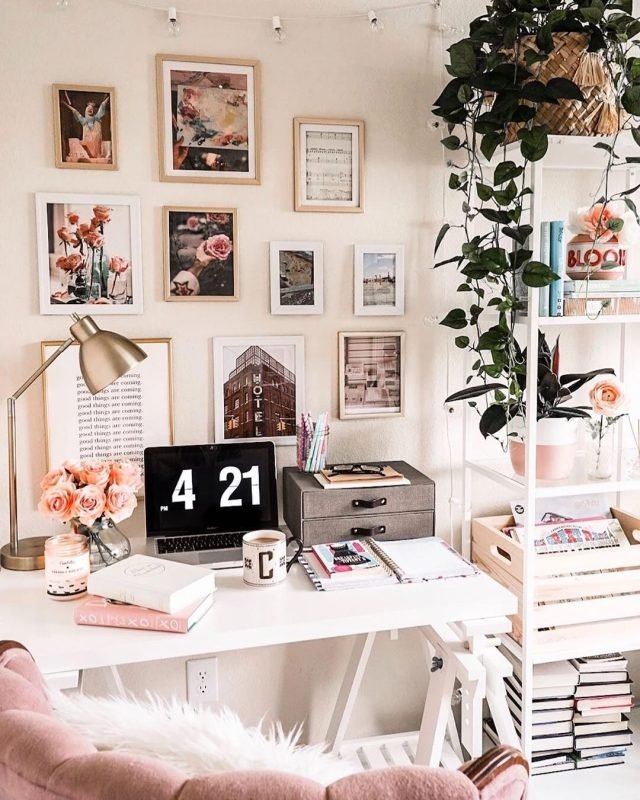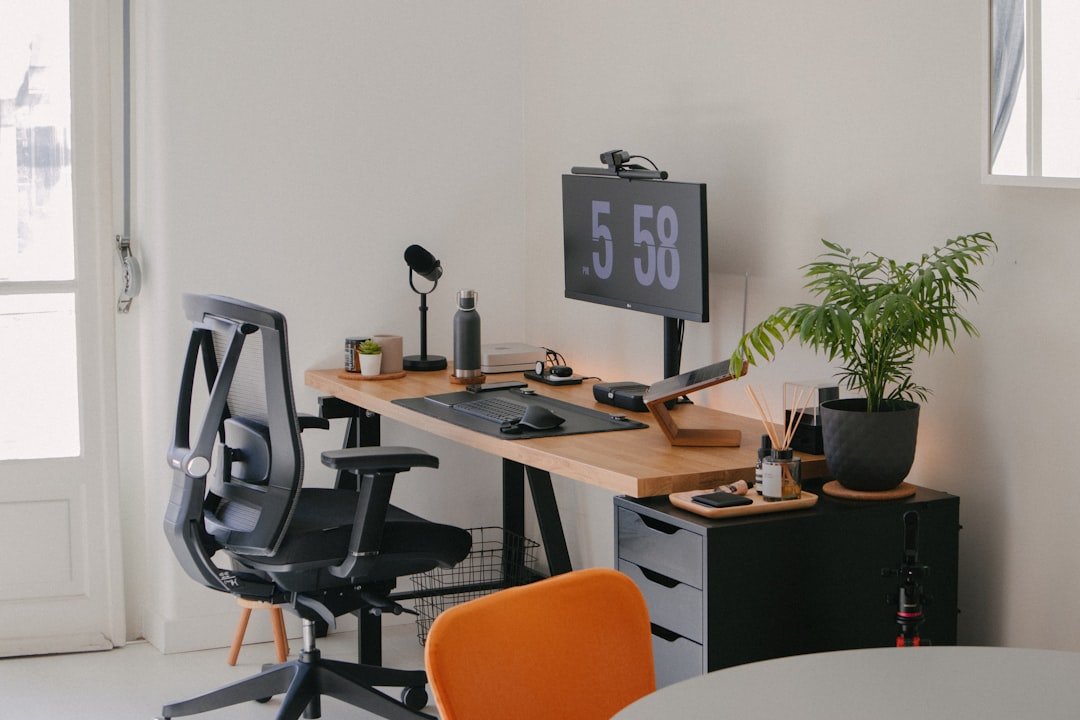
Your home office should be more than just a place to work—it should inspire you every day. Imagine stepping into a space that boosts your focus, sparks creativity, and feels comfortable all at once.
Whether you have a small corner or a whole room, the right design can make a huge difference in how productive and motivated you feel. You’ll discover simple, practical ideas that transform your home office into a space you actually look forward to using.
Ready to create a workspace that works for you? Keep reading to unlock the secret to a perfect home office design.
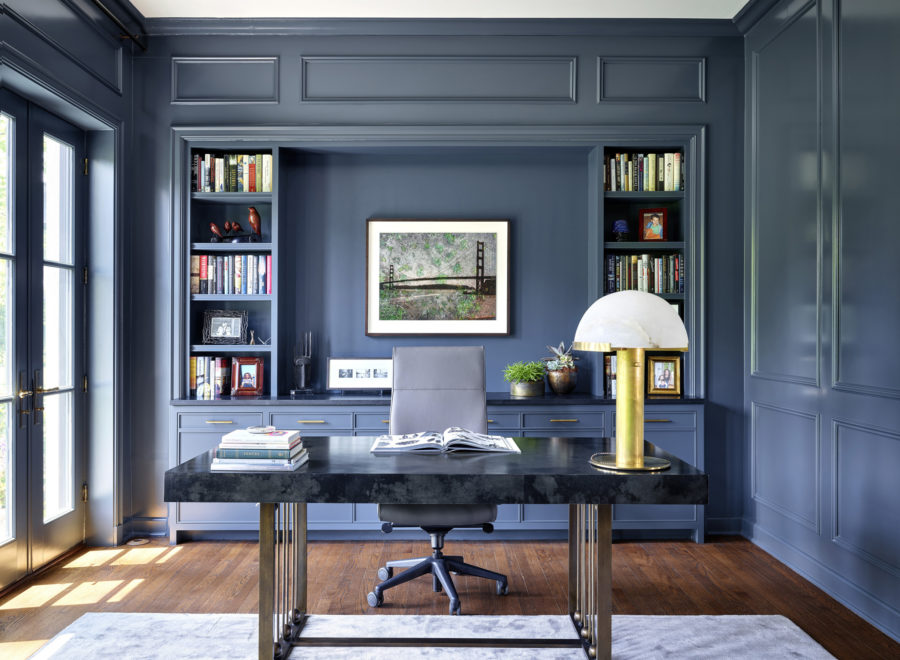
Credit: www.morgantewilson.com
Choosing The Right Location
Finding the best spot for your home office is key to working well. The right place helps you focus and feel comfortable.
Think about quiet areas and good light. Also, avoid places with many distractions.
Quiet Corners
Pick a corner away from noise and busy rooms. This helps keep your mind calm and your work clear.
- Choose a room with a door you can close
- Avoid spots near the kitchen or TV
- Use rugs and curtains to reduce sound
- Place your desk where you hear less noise
Natural Light
Light from windows boosts mood and energy. It also helps you see your work without strain.
| Light Source | Benefits |
| North-facing window | Soft, steady light all day |
| East-facing window | Bright morning light to start work |
| South-facing window | Strong light, use blinds to reduce glare |
| West-facing window | Warm light in the afternoon |
Avoiding Distractions
Distractions hurt your focus and slow work. Keep your office clear and organized.
- Turn off TV and radios while working
- Use noise-canceling headphones if needed
- Set a phone on silent or in another room
- Keep your desk tidy and clutter-free
Ergonomic Furniture Essentials
Creating a comfortable home office is important for your health. Ergonomic furniture helps reduce pain and improve focus.
Choosing the right chair and desk supports good posture. Adjustable equipment fits your body and work style.
Comfortable Chairs And Desks
A good chair supports your back and encourages sitting upright. Look for chairs with adjustable height and lumbar support.
Desks should be the right height for your arms and wrists. Standing desks or desks with adjustable height options work well.
- Chair with adjustable seat height
- Lumbar support for lower back
- Desk height matches elbow level
- Space for legs under the desk
Adjustable Equipment
Adjustable equipment helps you change positions and avoid strain. Use keyboard trays and monitor stands to fit your needs.
Changing your setup often reduces muscle tension. Adjustable tools let you work comfortably for longer periods.
- Keyboard trays to lower or raise keyboard
- Monitor stands for eye-level screens
- Footrests to support feet
- Adjustable armrests on chairs
Optimizing Lighting
Good lighting helps you work better and feel comfortable. It makes your home office a nice place to spend time.
Using the right mix of light sources can improve focus and reduce tiredness in your eyes.
Combining Natural And Artificial Light
Natural light keeps you alert and boosts mood. Place your desk near a window to use sunlight well.
Artificial lights fill in when natural light is low. Use soft white bulbs to avoid harsh glare.
- Position your workspace close to windows for daylight
- Use adjustable lamps for focused tasks
- Choose light bulbs with warm or soft white tones
- Close curtains or blinds to reduce direct sun glare
Reducing Eye Strain
Eye strain causes headaches and tired eyes. Proper lighting reduces this problem during work.
Keep light sources balanced. Avoid bright lights behind or in front of your screen.
- Use desk lamps with adjustable brightness
- Place lights to avoid screen glare
- Take regular breaks to rest your eyes
- Consider anti-glare screen protectors
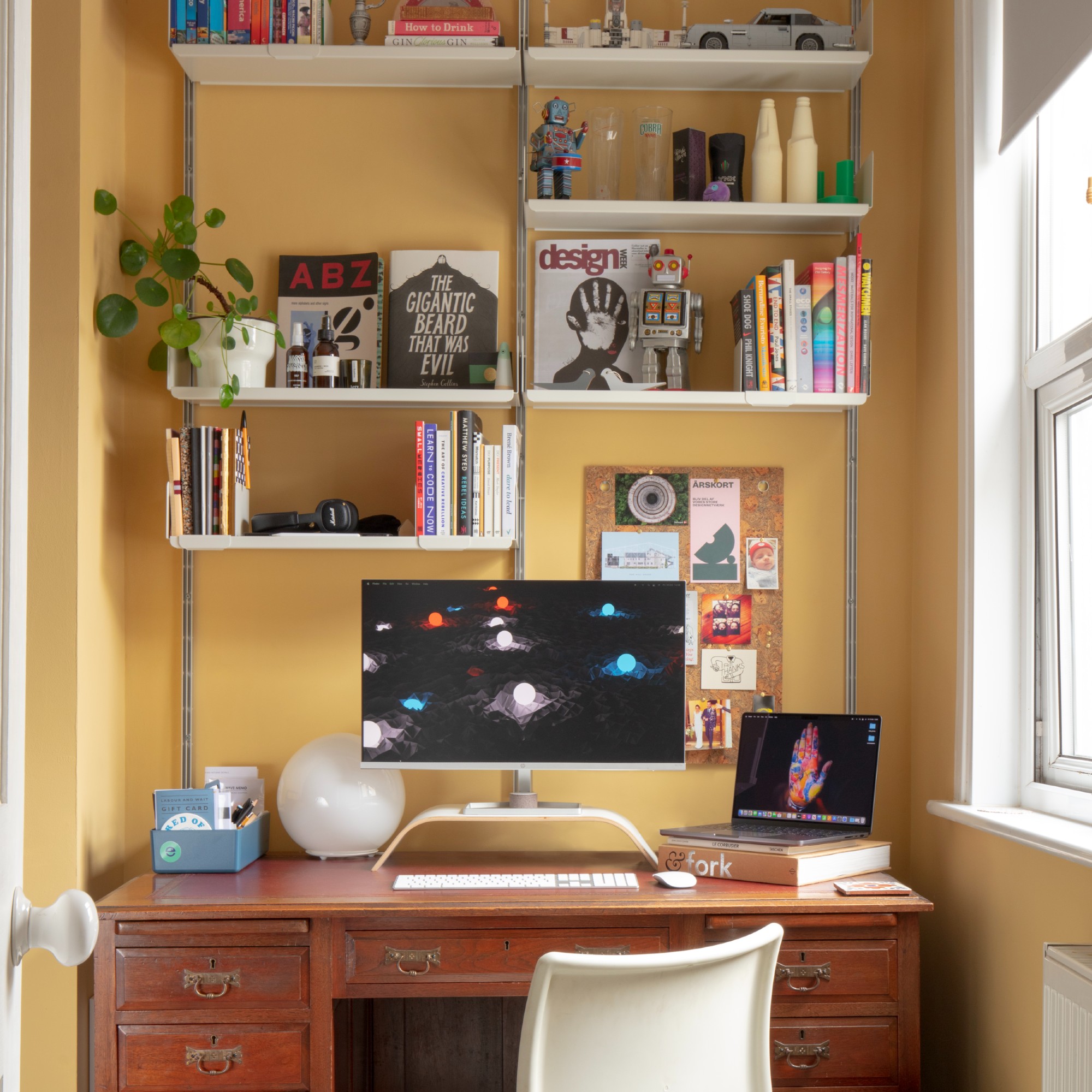
Credit: www.idealhome.co.uk
Storage Solutions
Good storage helps keep your home office neat and tidy. It makes work easier and your space more comfortable.
Using smart storage options saves space and keeps things in order. This helps you focus on your tasks better.
Decluttering With Shelves And Cabinets
Shelves and cabinets help remove clutter from your desk and floor. They give each item its own place.
Use wall shelves to free up floor space. Cabinets with doors hide items you don’t use often.
- Install floating shelves above your desk
- Use closed cabinets to store papers and books
- Label shelves and cabinet doors for easy finding
Organizing Supplies Efficiently
Keep your office supplies sorted and easy to reach. Use containers and organizers to group similar items.
Drawers with dividers help separate small tools like pens and clips. Clear boxes let you see what is inside quickly.
- Use drawer dividers for pens, paper clips, and sticky notes
- Clear containers for cables and chargers
- Label each container for quick access
Incorporating Personal Touches
Adding personal touches to your home office makes the space feel more inviting. It helps you stay motivated and comfortable during work hours.
Small details can show your personality and create a unique work environment. You can use decor, colors, and items that inspire you daily.
Inspirational Decor
Choose decor that reflects your interests and style. Art, photos, and meaningful objects can make your workspace feel special.
- Hang framed pictures of places you love
- Display your favorite books on a shelf
- Use colorful or patterned cushions for your chair
- Add a small lamp with a warm light
- Place a motivational quote on your desk
Plants And Greenery
Plants bring life and freshness to your home office. They improve air quality and reduce stress while working.
| Plant Type | Care Level | Benefits |
| Succulents | Low | Easy to maintain, add style |
| Spider Plant | Medium | Improves air quality |
| Peace Lily | Medium | Reduces indoor toxins |
| Snake Plant | Low | Needs little light |
Technology Setup
Setting up the right technology is key for a productive home office. Good gear helps you work faster and stay organized.
Focus on choosing essential gadgets and managing cables well. These improve your workspace and reduce distractions.
Essential Gadgets
Some gadgets make your work easier and more comfortable. Pick tools that fit your daily tasks and space.
- High-resolution monitor for clear visuals
- Wireless keyboard and mouse to avoid clutter
- Noise-cancelling headphones for focus
- Fast and reliable router for stable internet
- External hard drive for backup and storage
Cable Management Tips
Messy cables can cause stress and accidents. Organize them using simple tools and tricks.
| Tip | How to Do It |
| Use cable clips | Attach cables to desk edges to keep them in place |
| Label cables | Use tags or colored tape to identify each cable quickly |
| Bundle cables | Use zip ties or Velcro straps to group cables neatly |
| Hide cables | Run cables behind furniture or under a cable cover |
Color Schemes And Themes
Designing a home office involves choosing the right colors. Colors can affect your mood and productivity.
Understanding color schemes helps create a cohesive look. This makes your workspace inviting and inspiring.
Boosting Mood With Colors
Different colors can influence how you feel. Bright colors can energize, while soft tones calm the mind.
- Blue promotes focus and calmness.
- Yellow can boost creativity and happiness.
- Green helps reduce stress and brings balance.
Creating A Cohesive Look
A cohesive color scheme ties your office together. Use a consistent palette for walls, furniture, and decor.
Consider a monochromatic theme for a sleek look. This involves using different shades of one color.
| Color | Effect |
| Red | Increases energy |
| Purple | Encourages creativity |
| White | Creates a sense of space |
Maintaining Work-life Balance
Creating a home office is important for work-life balance. It helps separate work from personal life.
Designing your workspace thoughtfully can make a big difference. It helps you stay productive and relaxed.
Designating Work Zones
Having a clear work zone in your home is crucial. It tells your brain when it’s time to work.
Choose a spot with good lighting and few distractions. This helps you focus better on your tasks.
- Use a desk or table for work tasks
- Avoid working from your bed or couch
- Keep your work zone organized
Encouraging Breaks
Taking regular breaks is key to staying productive. It prevents burnout and keeps your mind fresh.
Short breaks help you recharge and come back stronger. They also improve focus and creativity.
- Stand up and stretch every hour
- Take a short walk outside
- Drink water to stay hydrated

Credit: www.designcafe.com
Frequently Asked Questions
What Are The Best Colors For Home Office Design?
Choose calming colors like soft blues, greens, or neutrals. These promote focus and reduce stress. Bright accents can add energy without distraction.
How Can I Maximize Small Home Office Space?
Use vertical storage, multi-functional furniture, and light colors. Keep the desk clutter-free and add mirrors to create openness.
What Lighting Is Ideal For A Home Office?
Natural light is best; position your desk near windows. Supplement with adjustable LED task lighting for evening work.
How Do I Create An Ergonomic Home Office?
Use an adjustable chair and desk. Position your screen at eye level and keep feet flat on the floor.
Conclusion
Designing your home office can boost focus and comfort. Choose furniture that fits your space well. Add good lighting to reduce eye strain. Keep the area tidy for better productivity. Personal touches make the space feel inviting. Small changes often create a big difference.
Your workspace should help you feel calm and ready. Start simple, then adjust as you go. A well-planned home office supports work and well-being.