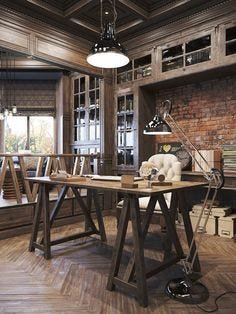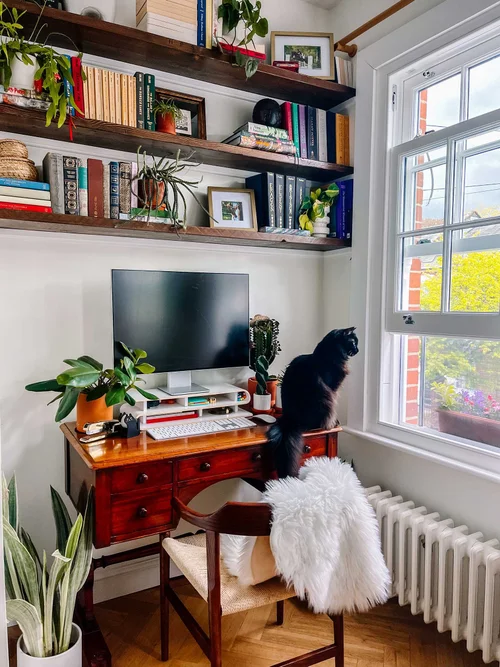
Creating the perfect space for your home office or study can change the way you work and learn every day. Imagine a spot where distractions fade, your focus sharpens, and motivation flows naturally.
You deserve a workspace that not only looks good but feels right for you. You’ll discover simple, practical ideas to transform any corner into your ideal home office or study area. Ready to boost your productivity and enjoy your time working or studying at home?
Let’s dive into the best tips tailored just for you.
Designing Your Workspace
Creating a good workspace helps you work better at home. A well-designed space keeps you focused and comfortable.
Simple changes can make your home office more pleasant and productive. Start with the basics of design.
Choosing The Right Location
Pick a quiet place with few distractions for your home office. A corner or small room often works well.
Make sure the space fits your work needs and feels comfortable. Avoid places near noisy areas or heavy traffic.
- Choose a spot away from TV and kitchen noise
- Find a place with enough room for your desk and chair
- Keep your workspace separate from relaxation areas
Ergonomic Furniture Choices
Use furniture that supports good posture. This helps you avoid pain and stay focused during work.
Pick a chair with back support and a desk at the right height. Adjust your setup to fit your body.
- Choose an adjustable chair with lumbar support
- Use a desk that fits your height and work style
- Consider a footrest if your feet don’t touch the floor
Optimizing Natural Light
Natural light helps you feel awake and improves mood. Try to place your desk near a window.
Use light curtains to reduce glare on screens. Balance light with blinds or shades for comfort.
- Face your desk toward a window if possible
- Use sheer curtains to soften bright sunlight
- Combine natural light with soft artificial lighting
Organizing For Efficiency
Creating a tidy home office helps you work faster and with less stress. Keeping your space clear lets you focus on tasks.
Good organization saves time. It stops you from searching for things and keeps your work day smooth.
Decluttering Strategies
Start by removing items you do not need daily. Sort papers, supplies, and gadgets to reduce mess.
- Throw away broken or old tools
- File important documents
- Keep only daily essentials on your desk
- Use boxes to store seasonal items
Smart Storage Solutions
Use shelves, drawers, and containers to keep items in order. Label storage spots for quick access.
| Storage Type | Best Use |
| Drawer organizers | Small office supplies |
| Floating shelves | Books and files |
| Clear bins | Craft materials |
| Wall hooks | Headphones and cables |
Cable Management Tips
Messy cables slow you down and cause frustration. Keep wires neat and out of sight for a cleaner desk.
- Use cable ties or Velcro straps to bundle wires
- Label cables to identify devices
- Hide cables behind furniture
- Use a cable box to store power strips
Incorporating Creative Elements
Creating a home office that feels unique helps you enjoy work more. Adding creative elements makes your space inviting.
These ideas focus on ways to add personality and energy to your study area.
Adding Personal Touches
Personal items make your workspace feel like yours. They can help keep you motivated and calm.
Think about including photos, souvenirs, or favorite books. These small details create a warm atmosphere.
- Display family photos or artwork you love
- Use meaningful objects as desk decor
- Keep a favorite mug or plant nearby
Using Color Psychology
Colors affect your mood and focus. Choosing the right colors can make your study time better.
Soft blues and greens calm your mind. Bright colors like yellow can boost creativity and energy.
- Blue and green for calm and focus
- Yellow for energy and creativity
- White or light gray for a clean look
- Avoid too many dark colors that feel heavy
Inspiring Wall Art Ideas
Wall art adds character and motivation. Choose pieces that inspire and uplift your mood.
Posters, prints, or framed quotes work well. You can also try DIY art for a personal touch.
- Use motivational quotes to stay positive
- Hang nature photos for calmness
- Create a vision board with goals and dreams
- Try colorful abstract art for energy
Tech Tools For Productivity
Working from home needs good tools to stay productive. Tech gadgets and apps help you work smart and fast.
This guide covers useful gadgets, apps, and monitor setups for your home office study.
Essential Gadgets
Good gadgets make your work easier and more comfortable. A fast computer and quality headset help a lot.
Other helpful gadgets include a wireless mouse, keyboard, and a good webcam for video calls.
- Fast laptop or desktop computer
- Noise-canceling headphones or headset
- Ergonomic keyboard and mouse
- High-quality webcam
- Desk lamp with adjustable brightness
Productivity Apps
Apps help you organize tasks and manage time. They keep your work on track and reduce stress.
Use note-taking apps, calendar tools, and focus timers to improve your daily routine.
- Note apps for quick ideas and lists
- Calendar apps to schedule meetings
- Task managers to track progress
- Focus timers to avoid distractions
- Cloud storage for easy file access
Setting Up Multiple Monitors
Multiple monitors increase your screen space. You can work on several tasks without switching windows.
Place monitors at eye level and keep cables tidy. This setup helps reduce neck strain and boosts focus.
- Use two or more monitors for better multitasking
- Adjust height and angle for comfort
- Connect monitors with HDMI or DisplayPort cables
- Use monitor stands or arms to save desk space
- Keep cables organized with clips or sleeves
Creating A Routine
Having a routine helps you focus better when working from home. It makes your day clear and helps you finish tasks on time.
Building good habits in your home office can reduce stress. A steady routine keeps your mind ready for work and rest.
Time Blocking Techniques
Time blocking means setting specific times for each task. It stops you from switching between tasks often.
Plan your day by dividing it into blocks for work, meetings, and breaks. Stick to the schedule as much as possible.
- Set clear start and end times for each task
- Use a calendar or planner to mark time blocks
- Include short breaks between blocks to recharge
Balancing Work And Breaks
Taking breaks helps keep your mind fresh and focused. Avoid working too long without resting your eyes and body.
Use breaks to stretch, walk, or relax. This keeps energy levels steady and reduces fatigue.
- Take a 5-minute break every 25-30 minutes
- Use breaks for light physical activity
- Stay away from screens during breaks
Setting Boundaries
Clear boundaries help separate work time from personal life. This reduces distractions and helps focus.
Tell family or housemates your work hours. Create a quiet space where you can work without interruptions.
- Define your work hours and stick to them
- Use a dedicated workspace for work tasks only
- Inform others about your schedule and limits

Credit: www.designcafe.com
Boosting Focus And Motivation
Creating a productive home office is important for maintaining focus. You need strategies that enhance motivation.
Explore ideas to improve your workspace. These tips can help you stay on track.
Mindfulness Practices
Mindfulness can enhance your concentration. It helps you stay present during work.
- Start with a five-minute breathing exercise.
- Take short breaks to stretch and clear your mind.
- Use guided meditation apps for quick sessions.
Background Music Choices
Music can set the mood for better productivity. Choose tunes that help you focus.
Consider using:
- Classical music for a calming effect.
- Lo-fi beats to keep energy steady.
- Nature sounds for a soothing background.
Goal Setting Tips
Setting clear goals can boost motivation. It gives you a sense of direction.
| Goal Type | Example |
| Short-term | Complete a project by Friday |
| Long-term | Learn a new skill in three months |
Maintaining Comfort And Wellness
Creating a comfortable home office helps you work better. It also keeps you feeling well and happy. Simple changes can make a big difference.
Here are ideas to make your home office a healthier and more comfortable place to work.
Incorporating Plants
Adding plants to your home office makes the air cleaner. They also make the space look nice and feel calm.
- Choose plants like ferns or spider plants.
- Place them near a window for sunlight.
- Water them regularly to keep them healthy.
Ergonomic Exercises
Doing simple exercises at your desk helps prevent back and neck pain. It keeps your body comfortable while you work.
| Exercise | Frequency |
| Neck stretches | Every hour |
| Wrist rotations | Every 30 minutes |
| Back twists | Twice a day |
Air Quality Improvement
Good air quality is important for wellness. Simple changes can help improve the air in your home office.
Credit: www.extraspace.com
Credit: www.amlegendhomes.com
Frequently Asked Questions
What Are The Best Lighting Options For A Home Office Study?
Natural light is ideal for reducing eye strain and boosting mood. Use adjustable desk lamps with warm LED bulbs for evening tasks. Position your desk near windows and add sheer curtains to control glare effectively.
How Can I Maximize Space In A Small Home Office?
Use vertical storage like shelves and wall organizers to save floor space. Choose multifunctional furniture such as desks with drawers. Keep your workspace clutter-free to enhance productivity and maintain focus.
What Ergonomic Furniture Suits A Home Office Study?
Ergonomic chairs with lumbar support and adjustable height are essential. Use desks at proper height to avoid strain. Consider footrests and monitor stands to maintain good posture and reduce discomfort during long study hours.
How Do I Create A Distraction-free Study Environment?
Choose a quiet corner away from household noise. Use noise-cancelling headphones if needed. Keep your workspace tidy and remove unnecessary gadgets. Set specific study times to build a consistent routine.
Conclusion
Creating a comfortable home office helps you focus and work well. Small changes can make a big difference. Choose a quiet spot and keep it tidy. Use good lighting and a proper chair. Personal touches make the space inviting. Organize your tools within easy reach.
A clear space helps clear your mind. Try these ideas to build your perfect study area. Your work will feel easier and more enjoyable. A good setup supports better habits every day.