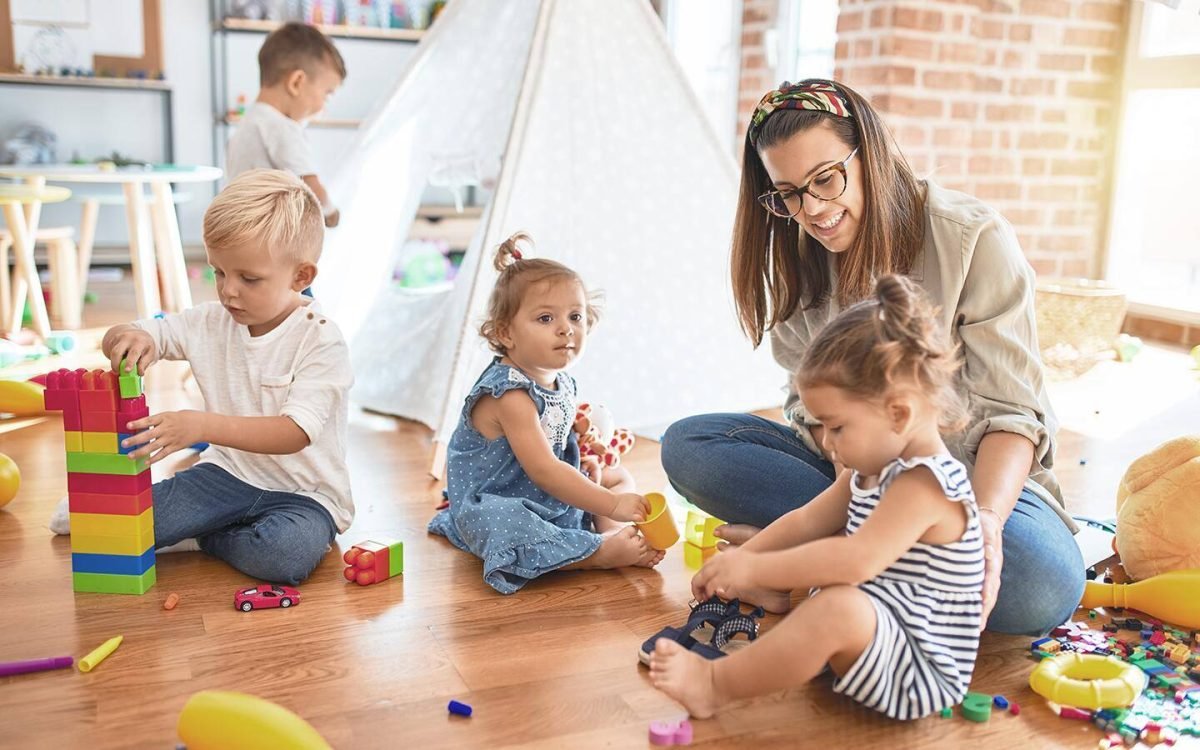
Creating the perfect playroom for your baby is more than just picking colorful toys. It’s about designing a space where your little one feels safe, curious, and happy.
Imagine a room that sparks joy every time your baby explores it—a place that grows with them and supports their early learning. If you want to turn your space into that magical playroom, you’re in the right place. Keep reading, because these baby play room ideas will help you create a cozy, fun, and inspiring environment your baby will love.
Choosing A Safe Space
Creating a playroom for your baby means making it safe. The space should protect your child from harm. It also needs to be comfortable for play and rest.
Choosing the right area and making safety a priority helps your baby explore freely. This guide covers important safety choices for your baby’s playroom.
Baby-proofing Essentials
Baby-proofing stops accidents before they happen. Cover sharp edges and lock cabinets to keep dangerous items away. Use outlet covers to prevent shocks.
Keep cords and small objects out of reach. Secure heavy furniture to walls to avoid tipping. These simple steps create a safer playroom.
- Corner guards on sharp edges
- Cabinet and drawer locks
- Outlet covers on all sockets
- Remove small or choking hazards
- Secure furniture to walls
- Keep cords out of reach
Soft Flooring Options
Soft flooring cushions falls and makes playtime more comfortable. Choose materials that are easy to clean and safe for babies. Avoid hard or slippery floors.
Foam mats, rugs, and padded carpets are good choices. Look for non-toxic materials without strong smells. Soft floors help protect your baby’s joints during play.
- Foam play mats with interlocking pieces
- Non-slip area rugs with soft padding
- Carpets made from natural fibers
- Easy-to-clean vinyl flooring with padding
Safe Furniture Choices
Pick furniture that is sturdy and has no sharp edges. Low shelves and soft chairs work well. Avoid glass or breakable items in the playroom.
Choose rounded corners and smooth surfaces to prevent injuries. Furniture should be stable and not easy to tip over. Storage bins with lids keep toys organized safely.
- Rounded edges on tables and chairs
- Low shelves for easy access
- Soft, padded seating options
- Non-toxic finishes on all furniture
- Heavy pieces secured to walls
- Storage bins with child-safe lids

Credit: www.reddit.com
Color Schemes And Themes
Choosing the right colors and themes helps create a perfect baby play room. Colors can affect a baby’s mood and energy.
Simple themes make the room feel cozy and fun. Let’s explore some popular color schemes and themes for baby play rooms.
Calming Pastels
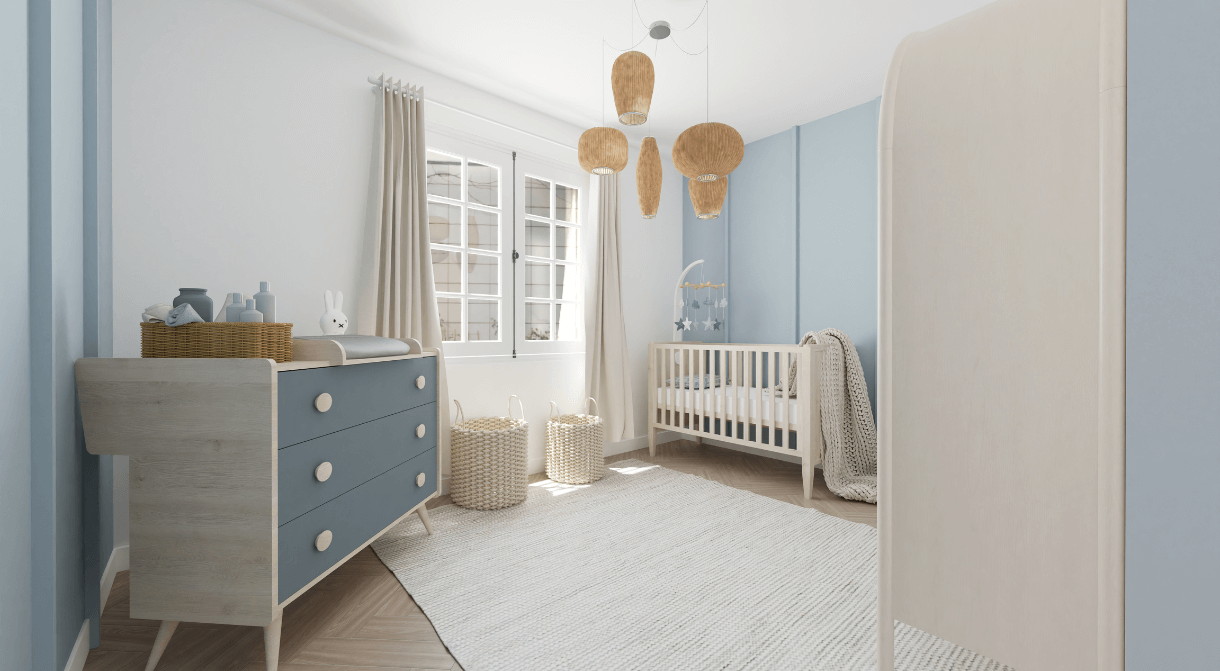
Pastel colors are soft and gentle. They create a calm space where babies feel safe and relaxed.
Light pink, baby blue, soft yellow, and mint green are popular pastel choices. These colors help reduce fussiness and promote sleep.
- Light pink for warmth
- Baby blue for calmness
- Soft yellow for happiness
- Mint green for freshness
Bright And Bold Colors
Bright colors make the room lively and cheerful. They help babies stay alert and curious.
Use red, orange, bright green, and blue to create an energetic play space. Mix and match these colors carefully to avoid overstimulation.
- Red for energy and excitement
- Orange for creativity
- Bright green for growth
- Blue for focus
Nature-inspired Themes
Nature themes bring the outdoors inside. They create a peaceful and fresh environment for babies.
Use earth tones like soft browns, leafy greens, and sky blues. Add animal or plant decorations to complete the look.
- Soft browns for warmth and comfort
- Leafy greens for calm and growth
- Sky blues for peace and openness
- Animal shapes for fun and learning
Functional Layouts
Creating a baby play room with a functional layout helps keep the space safe and organized. It makes it easy to find toys and allows the baby to move freely.
Good layouts balance play areas with quiet spots for rest. Planning well can save space and reduce clutter in the room.
Zoning For Play And Rest
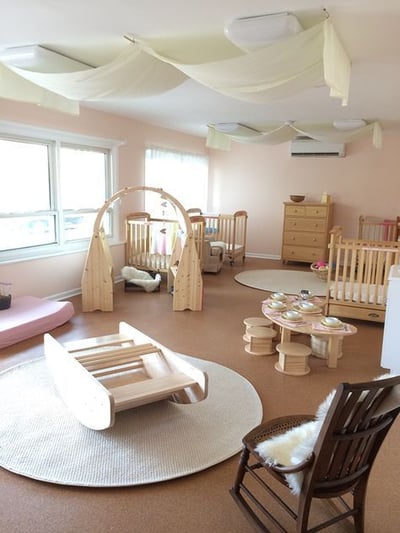
Divide the room into zones for different activities. A play zone should have soft mats and toys. A rest zone should be calm with a crib or soft chair.
Keep noisy toys in the play zone to avoid disturbing nap time. Use rugs or curtains to mark these zones clearly.
- Play zone: mats, toys, and activity centers
- Rest zone: crib or bassinet with soft lighting
- Use rugs or low shelves to separate zones
Maximizing Small Spaces
Use vertical space by adding shelves to hold toys and books. Choose foldable or stackable furniture to save floor space.
Keep the floor clear to allow safe movement. Use multi-purpose furniture like storage benches or changing tables with drawers.
- Install wall shelves for toys and books
- Use foldable chairs and tables
- Choose furniture with built-in storage
- Clear floor space for baby to crawl and play
Storage Solutions
Organize toys and baby items with bins and baskets. Label containers to find items quickly. Use low shelves so the baby can reach toys safely.
Keep small or breakable items out of reach in higher cabinets. Use hooks for hanging bags or extra supplies.
- Use labeled bins and baskets for sorting toys
- Low shelves for easy baby access
- High cabinets for small or fragile items
- Hooks for bags and supplies

Credit: www.hgtv.com
Creative Play Areas
Creating a special playroom for your baby helps with learning and fun. Creative play areas keep babies curious and happy.
These areas include spaces for reading, sensory play, and arts. Each spot helps babies develop different skills.
Reading Nooks
Reading nooks are cozy corners with soft cushions and small bookshelves. They invite babies to explore stories and pictures.
Use bright colors and gentle lighting to make the nook warm and welcoming. Add stuffed animals for extra comfort.
- Soft pillows and blankets
- Low shelves with board books
- Good lighting, natural or soft lamps
- Stuffed toys and gentle textures
Sensory Play Stations
Sensory play stations help babies explore with their senses. These areas include objects with different textures and sounds.
Use safe items like soft balls, rattles, and textured fabrics. Sensory stations support brain growth and motor skills.
- Soft and rough fabrics
- Colorful rattles and toys
- Water or sand tables with supervision
- Safe mirrors for visual play
Art And Craft Corners
Art corners inspire creativity and fine motor skills. Use washable materials and child-safe supplies for easy cleanup.
Set up a small table with crayons, paper, and stamps. Encourage babies to explore colors and shapes freely.
- Child-safe crayons and markers
- Non-toxic paints and brushes
- Paper, stickers, and stamps
- Easy-to-clean surfaces and mats
Cozy Elements
Creating a baby play room with cozy elements helps your little one feel safe. Soft and warm touches make the space inviting.
Adding comfort to the room supports relaxation and fun during playtime. Simple changes can make a big difference.
Soft Textiles And Rugs
Use soft textiles to cushion the floor and walls. Rugs add warmth and protect babies from cold floors.
Choose fabrics that are gentle on sensitive skin. Cotton and fleece are good options for softness and safety.
- Plush area rugs for warmth
- Soft blankets for comfort
- Cushioned floor mats for safety
Comfortable Seating
Provide seating options where babies can rest or play comfortably. Seating should support their posture and be easy to clean.
Small chairs or cushioned benches work well. Use seating that allows parents to sit close and join playtime.
- Soft armchairs for parents
- Child-sized bean bags
- Padded stools or benches
Soothing Lighting
Lighting sets the mood in a baby play room. Use soft, warm light to create a calm and cozy space.
Avoid harsh overhead lights. Lamps with dimmers help adjust brightness to suit different times of the day.
- Night lights for gentle glow
- Floor lamps with soft shades
- String lights for a playful feel
Diy Decorations
Creating a baby playroom is a joyful task. DIY decorations add a personal touch and make the room unique.
Explore these fun ideas to craft a space filled with love and creativity.
Wall Art Ideas
Decorating walls can transform the entire room. Simple art projects can brighten the space.
- Use stencils to paint fun shapes
- Hang framed artwork made by family members
- Create a wall of colorful paper flowers
Handmade Toys
Handmade toys can be both fun and safe for babies. Crafting toys also brings joy to the maker.
| Toy Type | Materials Needed |
| Soft Blocks | Fabric, Foam |
| Wooden Cars | Wood, Paint |
| Knitted Animals | Yarn, Needles |
Personalized Touches
Adding personalized touches makes the playroom special. It reflects the baby’s personality and family love.
Incorporating Growth
Designing a baby play room that adapts as your child grows is smart. It saves time and money while meeting your child’s changing needs.
Consider furniture and storage options that can expand and transform over time. This ensures the room stays functional and enjoyable.
Adjustable Furniture
Adjustable furniture can be a great investment for a growing child. It can change in size and function, adapting to their needs.
- Look for cribs that convert into toddler beds.
- Chairs with adjustable heights can be useful.
- Desks that grow with your child are a smart choice.
Expandable Storage
Storage is key in a playroom. Expandable options help manage toys and books as they increase in number.
Multi-purpose Items
Multi-purpose items in a playroom offer great value. They can serve more than one function, making the room versatile.
| Item | Primary Use | Secondary Use |
| Ottoman | Seating | Storage |
| Foldable Mats | Play Area | Nap Time |
| Bookshelves | Book Storage | Toy Display |
Credit: mybrightwheel.com
Frequently Asked Questions
What Are Essential Items For A Baby Play Room?
Essential items include soft mats, age-appropriate toys, storage bins, and safe furniture. These create a fun and secure environment for babies to explore and play comfortably.
How To Make A Baby Play Room Safe?
Use non-toxic materials, secure furniture to walls, cover outlets, and remove small objects. Ensure soft flooring and proper lighting to prevent accidents and keep your baby safe.
What Colors Are Best For A Baby Play Room?
Choose soft, pastel colors like light blue, pink, or yellow. These colors stimulate calmness and creativity without overwhelming your baby’s developing senses.
How To Organize Toys In A Baby Play Room?
Use labeled bins, low shelves, and baskets for easy access. Organizing toys by type or size helps maintain tidiness and teaches your baby about order.
Conclusion
Creating a safe and fun playroom helps your baby grow and learn. Choose soft colors and simple toys to keep your child happy. Keep the space clean and organized for easy playtime. Bright lights and comfy rugs make the room cozy.
A well-planned playroom supports your baby’s curiosity and joy. Small changes can make a big difference in their day. Enjoy watching your little one explore and smile every day.