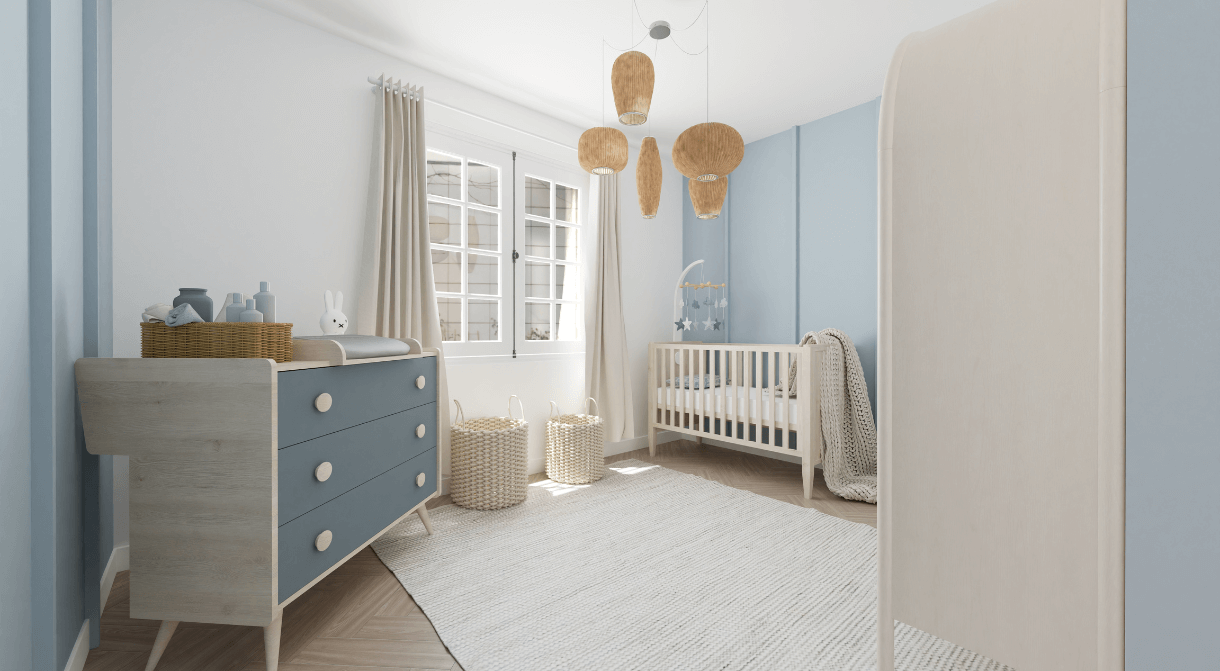
Are you ready to create a cozy, unique space for your little one without breaking the bank? DIY nursery furniture is the perfect way to add a personal touch to your baby’s room while saving money.
Imagine crafting pieces that fit your style and needs perfectly, making your nursery truly special. In this post, you’ll find simple ideas and easy projects that will inspire you to transform your nursery into a warm, inviting haven. Keep reading—you’re just a few steps away from turning your vision into reality.
Choosing Safe Materials
Making nursery furniture yourself lets you control what goes into it. Safety is very important for babies and toddlers.
Choose materials that are healthy and safe. This helps protect your child from harmful chemicals and injuries.
Non-toxic Paints And Finishes
Pick paints and finishes made without harmful chemicals. These keep the air clean and safe for babies to breathe.
Look for labels that say “non-toxic” or “child-safe.” Water-based paints are a good choice for nursery furniture.
- Use low-VOC or zero-VOC paints
- Avoid paints with lead or heavy metals
- Choose finishes that resist chipping and peeling
- Let paint dry fully before use
Sustainable Wood Options
Sustainable wood comes from forests that are carefully managed. This helps protect nature and gives you strong materials.
Look for wood with certification from trusted groups. Solid wood is durable and safe for nursery furniture.
- Choose FSC-certified wood
- Try bamboo as a fast-growing option
- Avoid wood treated with harmful chemicals
- Use natural wood finishes for safety
Avoiding Sharp Edges And Small Parts
Babies explore by touch and mouth. Sharp edges and small parts can cause injuries or choking.
Make furniture with smooth, rounded edges. Secure all parts tightly and avoid loose pieces.
- Sand all edges until smooth
- Use screws that stay inside the wood
- Do not add small removable decorations
- Check stability to prevent tipping
Budget-friendly Furniture Projects
Making nursery furniture at home saves money and adds a personal touch. You can create safe and cute pieces without spending a lot.
This guide shows easy projects that fit a small budget. Use simple tools and materials for great results.
Repurposing Old Furniture
Old furniture can get a new life in the nursery. A dresser or bookshelf can become storage for baby clothes and toys.
Use paint and new knobs to match the nursery style. Sand the surface for safety and a smooth finish.
- Choose sturdy pieces without damage
- Clean and sand before painting
- Use non-toxic paint and finishes
- Add storage bins or baskets
Building Simple Shelves
Simple shelves hold books, toys, and décor. You can build them with wood planks and brackets.
Measure the wall space and cut wood to size. Attach brackets to the wall and place the shelves on top.
- Pick lightweight wood like pine
- Use wall anchors for safety
- Paint or stain to match the room
- Keep shelf height reachable for kids
Creating Custom Cribs
Building a crib needs care and safety. Use strong wood and smooth edges to protect your baby.
Design a simple crib with slats spaced correctly. Finish with baby-safe paint or varnish.
- Use hardwood like oak or maple
- Follow crib safety guidelines
- Check for sturdy joints and screws
- Sand all surfaces smooth
Stylish Storage Solutions
Creating a nursery that is both stylish and functional can be easy with the right storage ideas. Good storage helps keep the room neat and safe for your baby.
DIY projects let you add personal touches while saving money. Here are some simple and stylish storage ideas for your nursery.
Diy Toy Organizers
DIY toy organizers keep toys tidy and easy to find. Using bins, baskets, or crates makes clean-up quick and fun for kids.
Label each container with pictures or words to teach sorting and organization skills.
- Use wooden crates stacked for a rustic look
- Paint bins in soft pastel colors
- Add wheels for easy movement
- Attach fabric pockets to walls for small toys
Under-crib Storage Ideas
Under-crib storage uses space that often goes unused. Slim drawers or boxes fit well under most cribs.
This storage is perfect for diapers, blankets, and extra clothes. It keeps essentials close without cluttering the room.
- Choose rolling drawers for easy access
- Use clear containers to see contents quickly
- Label boxes to stay organized
- Measure space under crib before buying storage
Wall-mounted Shelves
Wall-mounted shelves save floor space and add style. They keep books, toys, and decor within reach but out of the way.
Choose sturdy shelves and install them at a safe height for your child. Use soft colors or natural wood to match the nursery theme.
- Floating shelves create a clean look
- Use baskets on shelves for smaller items
- Arrange shelves in fun shapes or patterns
- Keep heavy items on lower shelves

Credit: nurtureand.com
Personalized Decor Touches
Adding personal touches to nursery furniture makes the room feel special. It creates a warm and inviting space for the baby.
Simple DIY projects can turn plain furniture into unique pieces. Personalization adds charm and shows care in every detail.
Hand-painted Wall Art
Hand-painted wall art brings color and personality to the nursery. You can paint animals, shapes, or the baby’s favorite things.
This art can match the furniture and bedding style. It adds a creative and cozy atmosphere to the room.
Custom Name Signs
Custom name signs are a lovely way to welcome the baby. You can use wood, metal, or canvas for different looks.
Painting or decorating the name sign with matching colors makes the furniture stand out. It also makes the space feel more personal.
Themed Room Accents
Themed accents tie the room together with a clear style. Choose themes like animals, stars, or nature to inspire the design.
Adding small themed touches on furniture helps create a fun and consistent look. It can be easy to update as the child grows.
- Paint small shapes or icons on drawers
- Add themed knobs or handles
- Use decals or stencils for quick designs
Space-saving Designs
Creating a nursery with limited space needs smart furniture choices. Space-saving designs help you keep the room tidy and functional.
These ideas focus on furniture that changes or serves more than one purpose. This way, you can fit everything you need without clutter.
Convertible Furniture
Convertible furniture grows with your child. It saves space by changing form as your baby gets older.
- A crib that turns into a toddler bed
- A changing table that converts to a dresser
- Rocking chairs with hidden storage
Multi-functional Pieces
Multi-functional furniture combines tasks in one item. This reduces the number of things in the nursery.
| Furniture Type | Functions |
| Storage Ottoman | Seating and toy storage |
| Bookshelf with changing table | Books and diaper changes |
| Desk with built-in drawers | Work space and storage |
Foldable And Portable Options
Foldable and portable furniture fits small spaces and moves easily. It helps keep the nursery flexible and open.
- Folding cribs that can be stored flat
- Portable changing pads for quick setups
- Collapsible high chairs for travel

Credit: nurtureand.com
Tools And Techniques
Creating DIY nursery furniture can be a rewarding task. It allows parents to craft unique pieces for their baby’s room. Learning the right tools and techniques is essential for success.
With basic skills and the right equipment, you can make beautiful furniture. This guide will help you get started with essential information.
Basic Carpentry Skills
Basic carpentry skills are important for DIY projects. You need to understand measurements and how to cut wood. Practice makes these tasks easier over time.
Learning to use tools like saws and drills is key. These skills help you build sturdy and safe furniture for your nursery.
- Measure twice, cut once
- Understand wood types
- Learn safe tool use
Essential Tools For Beginners
Beginners need a few essential tools to start. These tools will help you with most nursery furniture projects. Start with a basic set and expand as needed.
A tape measure, saw, and drill are must-haves. Sandpaper and a screwdriver set are also helpful. They allow you to finish and assemble pieces correctly.
- Tape measure
- Handsaw or power saw
- Electric drill
- Sandpaper in different grits
- Screwdriver set
Finishing And Detailing Tips
Finishing touches make your furniture look great. Sand all surfaces smoothly to avoid splinters. Use paint or varnish to protect the wood.
Detailing adds character to your pieces. Consider adding knobs or painted designs. These small touches personalize the furniture.
- Sand surfaces smooth
- Apply paint or varnish
- Add decorative details
Inspiration From Nature
Creating a nursery inspired by nature brings peace and beauty. Natural elements make the room warm and welcoming for your little one.
Incorporate elements from the outdoors to transform the nursery into a soothing space. Let’s explore some themes and ideas.
Woodland Themes
A woodland theme is perfect for a cozy nursery. Think about using soft fabrics with animal prints. Consider adding a rug with trees or forest creatures.
Wooden furniture pieces add a rustic touch. You could use a crib made from reclaimed wood or a rocking chair with a natural finish.
- Animal wall decals
- Tree-shaped bookshelves
- Soft lighting with nature motifs
Botanical Elements
Botanical themes bring the freshness of a garden indoors. Use floral patterns for curtains and bedding. Small potted plants can add a touch of green.
Try wall art featuring leaves or flowers. This adds a calming effect to the room. Choose furniture in natural materials like wicker or bamboo.
- Leaf-shaped mobiles
- Floral print cushions
- Nature-inspired wall art
Earthy Color Palettes
Earthy colors create a warm and inviting atmosphere. Use shades like soft greens, browns, and creams. These colors mimic the hues of the earth.
Paint walls in a light beige or taupe for a neutral base. Add accents in deeper tones for depth. These colors help to calm and soothe the senses.
- Light green walls
- Brown wooden furniture
- Cream-colored textiles

Credit: nurtureand.com
Frequently Asked Questions
What Are Easy Diy Nursery Furniture Projects?
Simple projects include painting old furniture, building shelves, or making a crib mobile. These require minimal tools and skill. They save money and add personalized charm to your nursery.
How To Choose Safe Materials For Nursery Furniture?
Opt for non-toxic, eco-friendly, and durable materials like solid wood and water-based paint. Avoid harmful chemicals and sharp edges. Safety ensures a healthy environment for your baby.
Can Diy Nursery Furniture Save Money?
Yes, DIY projects often cost less than buying new furniture. You can use recycled materials and customize designs. This approach also adds sentimental value to the nursery.
What Tools Are Essential For Diy Nursery Furniture?
Basic tools include a saw, drill, screwdriver, measuring tape, and sandpaper. These help in cutting, assembling, and finishing your furniture safely and efficiently.
Conclusion
Creating DIY nursery furniture brings charm and savings to your space. Simple tools and ideas make building easy and fun. Personal touches create a cozy, special place for your baby. Choose safe materials and colors for peace of mind. Small projects fit any budget and skill level.
Try crafting shelves, cribs, or changing tables yourself. Enjoy the process and the joy it brings. Your nursery will feel warm and unique, just like your family. Start planning today and make something beautiful for your little one.