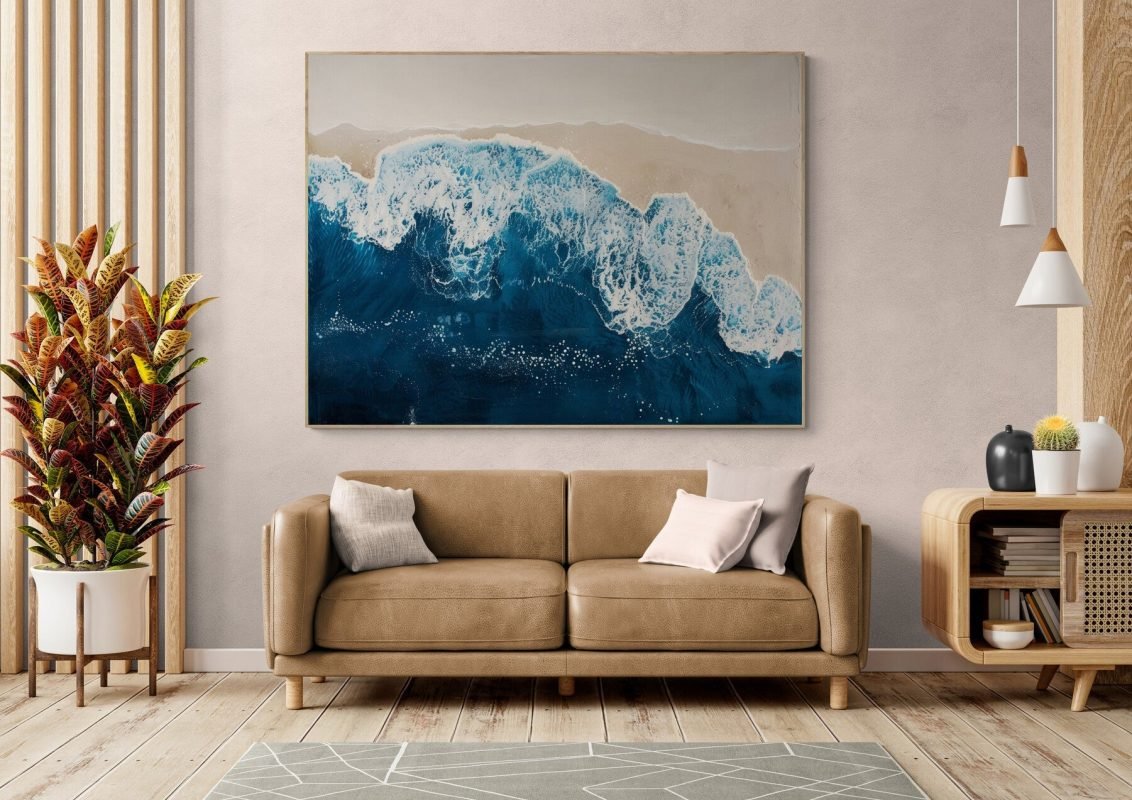
Are you looking to transform your space with a bold, creative touch? Abstract canvas art can be the perfect way to bring color, energy, and personality into your home or office.
But where should you place these unique pieces to make the biggest impact? Finding the right spot for your abstract canvas can completely change the mood and style of your room. You’ll discover simple yet powerful placement ideas that will inspire you to showcase your art like a pro.
Get ready to unlock the full potential of your abstract canvas and turn your walls into captivating focal points.
Choosing The Right Wall
Placing an abstract canvas on a wall can change the whole room’s feel. Picking the right wall helps the art stand out.
Think about the wall’s look, light, and space before hanging your canvas.
Focal Points To Consider
Look for walls that already draw attention. Walls near seating or dining areas are great spots.
Also, check if the wall is free from distractions like shelves or many decorations.
- Choose walls visible from main room areas
- Avoid walls with many competing items
- Pick walls that naturally attract the eye
Lighting And Space Impact
Good lighting makes abstract art pop. Natural light works well but avoid direct sunlight.
Space around the canvas helps it breathe. Avoid cramped walls or corners with little room.
- Use soft, indirect lighting to highlight the canvas
- Keep space around the canvas clear for focus
- Avoid placing art where shadows fall directly
Balancing Wall Size And Canvas
Match the canvas size to the wall size. Small canvases look lost on big walls.
Large canvases suit big, open walls but can overwhelm small rooms.
- Measure your wall before choosing canvas size
- Leave empty space around canvas for balance
- Use multiple small canvases for large walls
Single Canvas Placement
Placing a single abstract canvas can change a room’s look. The right spot makes the artwork stand out.
Choosing the best place for your canvas helps balance the room’s style and feel. It draws attention to the art piece.
Centering Techniques
Centering your canvas on a wall is a simple way to highlight it. It creates a strong visual point for viewers.
Use the wall’s width to find the middle. Measure the space and mark the center lightly before hanging.
- Measure the wall’s total width
- Mark the center point lightly
- Align the canvas center with the mark
- Check balance by stepping back
Height Guidelines
Hang the canvas at eye level for the best view. The center of the artwork should be about 57 to 60 inches from the floor.
This height works well for most people and rooms. Adjust slightly if furniture or room features affect the space.
- Measure 57-60 inches from the floor
- Mark this height on the wall
- Center the canvas vertically on this line
- Adjust for furniture height if needed
Using Negative Space
Negative space is the empty area around your canvas. It helps the artwork feel balanced and not crowded.
Leave enough space around the canvas to let it breathe. This space guides the viewer’s eye to the artwork.
- Keep at least 4-6 inches of space around the canvas
- Avoid placing objects too close to the edges
- Use empty wall space to highlight the art
- Let the background color complement the canvas
Gallery Wall Arrangements
Creating an eye-catching gallery wall takes some thought. Arranging abstract canvases can bring energy and style to any room.
Use different layouts and canvas sizes to keep your gallery wall interesting. Balance and flow help the eye move smoothly across the display.
Mixing Canvas Sizes
Using various canvas sizes adds depth and character to your gallery wall. Large canvases can act as focal points, while smaller ones fill gaps.
- Place one or two large canvases in the center or corners
- Use medium canvases to connect larger pieces
- Fill small spaces with smaller canvases or shapes
- Keep some white space around each piece to avoid clutter
Symmetrical Vs Asymmetrical Layouts
Symmetrical layouts balance canvases evenly on both sides. Asymmetrical layouts use varied spacing and sizes for a dynamic look.
| Layout Type | Description | Best For |
| Symmetrical | Evenly spaced, mirror-like arrangement | Formal rooms, classic style |
| Asymmetrical | Varied spacing and sizes, no mirror effect | Modern rooms, casual style |
Creating Visual Flow
Visual flow guides the eye across your gallery wall naturally. Use shapes, colors, and spacing to create movement and connection.
Tips for Visual Flow:
- Arrange canvases in a loose line or curve
- Group similar colors or shapes together
- Alternate horizontal and vertical pieces
- Use equal spacing between pieces
Layering And Overlapping
Layering and overlapping abstract canvases create a rich visual effect. This technique adds depth and interest to any wall space.
Using multiple canvases allows you to play with shapes, colors, and textures. You can build a dynamic look that changes with different angles.
Depth With Multiple Canvases
Placing several canvases at different distances from the wall gives a 3D effect. Overlapping edges help blend the pieces together.
- Use canvases of varying sizes
- Arrange canvases at different heights
- Overlap corners for a layered feel
- Mix vertical and horizontal pieces
Combining Textures And Frames
Mixing textures and frame styles adds contrast and interest. Smooth canvases look great next to rough or woven materials.
| Texture | Frame Style | Effect |
| Canvas | Thin Black | Modern and sleek |
| Rough Fabric | Wooden | Warm and natural |
| Glossy Paint | Metal | Bold and shiny |
| Matte Finish | No Frame | Minimalist and soft |
Dynamic Wall Stories
Tell a story by arranging canvases with overlapping themes. Use shapes and colors that connect across the pieces.
Try this simple sequence for a layered wall story:
- Start with a large base canvas
- Add smaller canvases overlapping the base
- Use repeating colors or shapes
- Include one canvas with text or pattern
- Balance the layout by spacing pieces evenly
Color Coordination
Choosing the right colors for your abstract canvas can brighten any room. Color coordination helps your artwork and space look connected.
Understanding how colors work together guides you in placing your canvas for the best effect.
Matching Wall And Canvas Colors
Matching the colors of your wall and canvas creates a calm and unified look. Choose shades that are close to each other for a smooth blend.
This approach works well in spaces where you want the art to feel part of the room, not stand out.
Using Contrasting Hues
Using colors that contrast with your wall draws attention to the canvas. Bright or dark hues on a light wall make the artwork pop.
- Choose colors opposite on the color wheel
- Use bold colors for a striking effect
- Keep surrounding colors simple to focus on the canvas
Harmonizing With Room Decor
Your canvas should fit with the room’s style and colors. Look at furniture, rugs, and curtains to find common tones or themes.
| Room Element | Suggested Color Coordination |
| Furniture | Pick canvas colors that repeat or complement furniture tones |
| Rugs | Use similar shades or patterns found in rugs for balance |
| Curtains | Match canvas accents with curtain colors for harmony |

Credit: buywallart.ca
Creative Placement Ideas
Abstract canvas art can transform a room. The way you place it matters. Let’s explore creative ideas for canvas placement.
From diagonal lines to unexpected corners, there are many ways to display your art. Each method adds a unique touch to your space.
Diagonal And Staggered Arrangements
Diagonal placements create movement. They draw the eye along a path. This adds dynamism to your space.
- Start with a focal point canvas.
- Align other pieces at angles.
- Mix sizes and shapes for variety.
Incorporating Shelves And Objects
Combine art with shelves. This adds depth and dimension. Art and objects together tell a story.
Artwork is the heart of the room, let it breathe.
Choose objects that complement the colors in your canvas. This enhances the visual appeal.
Unexpected Wall Corners
Utilize corners for a surprise element. This makes the space feel more expansive.
| Area | Effect |
| Living Room Corner | Cozy and Inviting |
| Hallway Nook | Intriguing and Unique |
| Bedroom Alcove | Private and Personal |
Experiment with different angles. This helps to maximize the impact of your art.
Practical Tips For Hanging
Decorating your space with abstract canvas art can transform a room. Learning to hang them properly ensures they are secure and visually appealing.
Consider these practical tips to make the process smooth and effective.
Tools And Hardware Choices
The right tools and hardware are crucial for securely hanging canvas art. Choose tools that suit your wall type and the weight of the canvas.
- Hammer and nails for lightweight canvases
- Wall anchors for heavier pieces
- Picture hooks for various wall surfaces
Measuring And Leveling
Accurate measurements ensure your art is perfectly placed. Use a tape measure and level for precision.
| Tool | Purpose |
| Tape Measure | Measure wall and canvas dimensions |
| Level | Ensure artwork is straight |
| Pencil | Mark positions on the wall |
Damage-free Solutions
If you’re worried about wall damage, consider alternative hanging solutions. These options keep walls intact while holding your art securely.

Credit: buywallart.ca

Credit: extralargewallart.com
Frequently Asked Questions
How To Choose The Best Wall For Abstract Canvas Placement?
Select a wall with ample space and minimal distractions. Ensure good lighting to highlight colors and textures. Avoid cluttered or overly busy areas to let the artwork stand out.
What Height Is Ideal For Hanging Abstract Canvas Art?
Hang the canvas at eye level, typically 57 to 60 inches from the floor. This height ensures comfortable viewing and enhances the artwork’s visual impact in any room.
Can Abstract Canvases Work In Small Spaces Effectively?
Yes, abstract canvases add depth and interest to small spaces. Choose smaller-sized pieces or diptychs to avoid overwhelming the room while enhancing its style.
How To Complement Abstract Canvas With Room Decor?
Match colors from the canvas with pillows or rugs for a cohesive look. Use neutral walls and simple furniture to let the artwork be the focal point.
Conclusion
Abstract canvas art can brighten any space with style. Place pieces where light hits to enhance colors. Try grouping several canvases for a bold statement. Balance large and small artworks for visual interest. Don’t hesitate to experiment with different wall heights.
Personal taste matters most in art placement decisions. Enjoy the process of creating a unique look. Your space will reflect creativity and personality. Keep exploring ideas to find what feels right. Art makes a room come alive and inspire daily.