Setting up your baby’s nursery is one of the most exciting parts of preparing for your little one’s arrival. But with so many options out there, choosing the right nursery furniture can feel overwhelming.
You want pieces that are safe, comfortable, and stylish — all while fitting your budget and space. This guide will help you make smart choices that suit your needs and create a cozy, welcoming space for your baby. Keep reading to discover expert tips and must-know advice that will make buying baby nursery furniture easier and more enjoyable for you.

Credit: nurtureand.com
Choosing The Right Crib
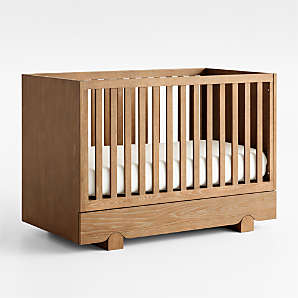
Choosing the right crib is important for your baby’s comfort and safety. There are many styles and features to think about. This guide will help you pick the best crib for your nursery.
Look at the types of cribs, safety rules, and the benefits of convertible cribs. This will help you make a smart choice for your child’s first bed.
Types Of Cribs
Cribs come in different shapes and sizes. Each type fits different needs and spaces. Here are common types you can find:
- Standard cribs: Fixed sides and simple design.
- Convertible cribs: Change into toddler beds or more.
- Mini cribs: Smaller size, good for tight spaces.
- Portable cribs: Easy to move and fold up.
Safety Standards To Consider
Safety is the top priority when picking a crib. Look for these safety features and rules:
| Safety Feature | What to Check |
| Slat spacing | Less than 2 3/8 inches apart |
| Sturdy construction | No loose or missing parts |
| Non-toxic finish | Paint and varnish safe for babies |
| Mattress fit | Mattress fits snugly without gaps |
Convertible Cribs Benefits
Convertible cribs grow with your child. They save money and space by changing form. Here are the main benefits:
- Use as a crib, toddler bed, or daybed.
- Lasts for several years as your child grows.
- Reduces the need to buy new beds often.
- Offers good value for long-term use.
Selecting A Comfortable Changing Table
Choosing the right changing table is important for both baby and parent comfort. A good table makes diaper changes easier and safer.
This guide covers key features, storage options, and space-saving designs to help you pick the best changing table.
Essential Features
Look for a changing table with a sturdy frame and a soft, easy-to-clean surface. Raised sides help keep your baby safe during changes.
- Sturdy construction to support your baby’s weight
- Comfortable padding for baby’s comfort
- Raised edges to prevent falls
- Easy-to-clean surfaces
- Height suitable for parent comfort
Storage Options
Good storage helps keep all diapering items close. This makes changing faster and more organized.
| Storage Type | Benefits |
|---|---|
| Open shelves | Easy access to diapers and wipes |
| Drawers | Hide clutter and keep items dust-free |
| Bins and baskets | Flexible and movable storage options |
| Hooks or racks | Hold towels and clothes for quick reach |
Space-saving Designs
Choose a design that fits your nursery space well. Small or multi-use tables work best in tight rooms.
Consider these space-saving ideas:
- Changing tables with fold-down tops for extra room
- Combo dresser and changing table units
- Wall-mounted changing stations
- Compact tables with built-in storage
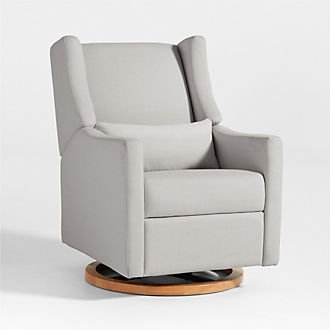
Picking A Cozy Glider Or Rocking Chair
Choosing the right glider or rocking chair is important for your baby nursery. It should be comfortable for both you and your baby.
This guide helps you find a chair that fits your needs and style. Focus on comfort, materials, and how long it will last.
Comfort And Support
Comfort is key for long hours spent in a glider or rocking chair. Look for good back and arm support to avoid strain.
Soft cushions and smooth rocking or gliding motion help relax both you and your baby during feedings or naps.
- Choose chairs with padded armrests
- Look for high backrests that support your neck
- Check if the seat has enough cushion for comfort
- Test the gliding or rocking motion for smoothness
Material Choices
The material affects the chair’s look, feel, and ease of cleaning. Pick materials that suit your lifestyle and nursery style.
Common choices include soft fabrics, leather, and wood. Each has benefits and care needs.
- Fabric: Soft and cozy but may need frequent cleaning
- Leather or faux leather: Easy to wipe clean and stylish
- Wood: Durable and classic but may need cushions for comfort
- Consider removable covers for easy washing
Durability Factors
Durability ensures the chair lasts through years of use. Look for solid frames and quality construction.
Check the weight limit and how stable the chair feels. Well-made chairs give better safety and comfort over time.
- Choose chairs with hardwood or metal frames
- Check if joints and screws are tight and secure
- Look for chairs with good warranty or return policy
- Read reviews on how the chair holds up after months
Credit: www.crateandbarrel.ca
Storage Solutions For Nursery
Organizing a nursery is important to keep the space neat and safe. Good storage helps parents find baby items quickly.
Choosing the right furniture can make storing clothes, toys, and essentials easier. This guide looks at smart storage choices.
Dressers Vs. Shelves
Dressers have drawers that keep clothes and small items hidden and tidy. They protect items from dust and look neat.
Shelves show items openly. They are good for books and toys but need more care to stay organized. Shelves also decorate the room.
- Dressers: Closed storage, protect from dust, easy to organize small clothes
- Shelves: Open storage, easy access, good for display and quick reach
Organizing Baby Essentials
Keep daily baby items in easy reach to save time. Use baskets or bins inside drawers to group things.
Sort essentials like diapers, wipes, and creams by type. Label containers to find items fast and avoid mess.
- Group items by use (diapers, creams, clothes)
- Use small containers or baskets inside drawers
- Label storage bins for easy finding
- Keep daily items near the changing table
Multi-functional Furniture
Choose furniture that serves more than one purpose. This saves space in a small nursery.
Examples include a changing table with drawers or a crib with built-in storage. These pieces help keep the room tidy.
- Changing tables with storage drawers
- Cribs with built-in shelves or drawers
- Storage ottomans that double as seats
- Bookshelves with toy bins
Materials And Finishes To Choose
Choosing the right materials and finishes for baby nursery furniture is very important. These choices affect safety, durability, and ease of cleaning.
Parents want furniture that looks good, is safe for babies, and can last for years. Understanding the types of materials and finishes helps make better choices.
Non-toxic Paints And Finishes
Non-toxic paints and finishes keep the nursery safe from harmful chemicals. Babies often touch and chew on furniture, so these finishes reduce health risks.
- Look for water-based paints with low or no VOCs (volatile organic compounds).
- Choose finishes labeled as safe for children’s furniture.
- Avoid finishes with strong odors or harsh chemicals.
- Check for certifications like GREENGUARD or ASTM safety standards.
Wood Types And Quality
Wood is a popular material for nursery furniture because it is strong and natural. The type and quality of wood affect how long the furniture will last.
| Wood Type | Durability | Appearance | Cost |
| Solid Hardwood (Oak, Maple) | High | Natural grain, warm color | High |
| Softwood (Pine, Cedar) | Medium | Light color, knots visible | Medium |
| Engineered Wood (Plywood, MDF) | Low to Medium | Smooth surface, can be painted | Low |
Easy-to-clean Surfaces
Nursery furniture should have surfaces that are easy to clean. Babies can make messes, so quick cleaning saves time and keeps the nursery fresh.
- Choose smooth surfaces without deep grooves.
- Look for finishes that resist stains and water.
- Test if the surface cleans well with mild soap and water.
- Avoid fabrics or materials that absorb liquids easily.

Credit: medcart.com.au
Budgeting For Nursery Furniture
Planning for a nursery can be exciting and challenging. It’s important to balance your budget with quality and safety in mind. Here are some tips to help you make smart choices.
Let’s explore how to prioritize essential pieces and where you might save or spend a bit more.
Balancing Quality And Cost
Quality is key when selecting nursery furniture. Focus on items that ensure safety and durability. Not everything needs to be brand new, but some pieces should be high-quality.
- Invest in a safe crib with a sturdy frame.
- Choose a mattress that fits snugly in the crib.
- Look for furniture made with non-toxic materials.
Prioritizing Essential Pieces
Some nursery items are must-haves, while others can be added later. Focus on the essentials first to stay within budget.
| Essential Item | Reason |
| Crib | Safe sleeping space |
| Changing Table | Convenient for diaper changes |
| Rocking Chair | Comfort for feeding |
Where To Save And Spend
Knowing where to allocate your budget can help you get the best value. Spend on items that require safety and quality, and save on decorative pieces.
Consider these tips:
- Spend more on a quality crib and mattress.
- Save on nursery decor and accessories.
- Consider second-hand dressers or shelves.
Safety Tips For Nursery Setup
Creating a safe nursery for your baby is important. You need to consider every piece of furniture and its placement.
This guide will help you set up a secure and accessible nursery environment.
Securing Furniture To Walls
Heavy furniture can tip over if not secured properly. Attach them to the walls to prevent accidents.
- Use wall anchors for dressers and bookshelves
- Check regularly to ensure mounts are secure
- Place heavy items on lower shelves to lower the center of gravity
Avoiding Small Parts And Hazards
Small parts can be choking hazards. Keep them out of your baby’s reach.
| Item | Action |
| Toys with small parts | Store in high shelves |
| Curtain cords | Use cord shorteners |
| Small decorations | Remove from nursery |
Proper Placement For Accessibility
Ensure that essential items are easy to reach. This helps during daily routines and emergencies.
Frequently Asked Questions
What Essential Furniture Do I Need For A Baby Nursery?
A crib, changing table, dresser, and rocking chair are essential. These items provide safety, storage, and comfort for baby care.
How Do I Choose Safe Nursery Furniture?
Look for non-toxic finishes, sturdy construction, and JPMA certification. Avoid sharp edges and ensure furniture meets safety standards.
What Materials Are Best For Baby Nursery Furniture?
Solid wood and non-toxic MDF are best. These materials are durable, safe, and easy to clean, ideal for baby rooms.
How Much Should I Budget For Nursery Furniture?
Expect to spend between $500 and $1500. Prices vary by quality, brand, and number of pieces needed for the nursery.
Conclusion
Choosing the right baby nursery furniture sets a strong foundation. Comfort, safety, and style all matter for your baby’s space. Think about pieces that grow with your child. Quality and ease of cleaning help parents too. Measure your room before buying anything.
Remember, simple choices can make a big difference. Create a cozy, safe place for your little one. Your baby deserves the best start every day. Happy nursery planning!