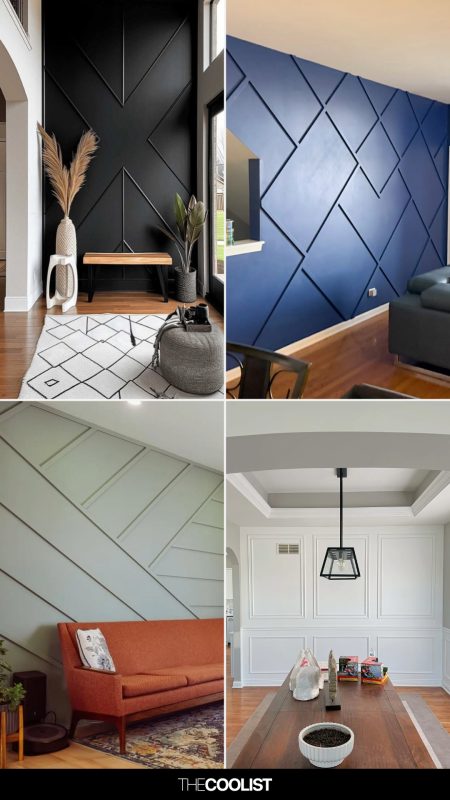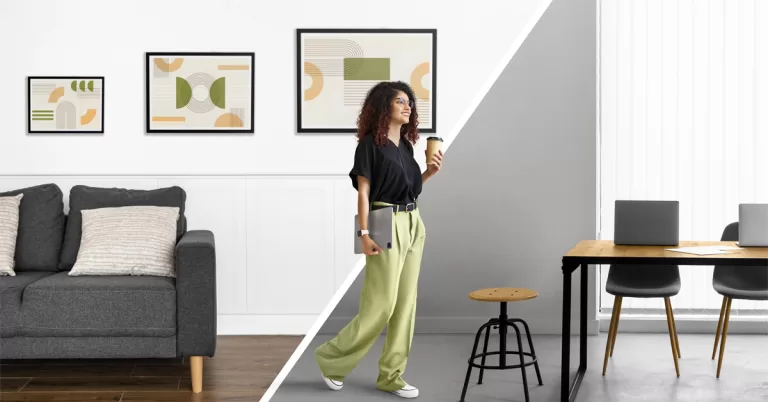
Are you looking to transform your space without a full makeover? Accent wall painting placement can be the simple trick you need.
Choosing the right wall to highlight can change the entire mood of your room, making it feel fresh and inviting. But where should you start? This guide will help you find the perfect spot to create a stunning focal point that catches the eye and reflects your style.
Keep reading to discover how to make your walls speak volumes with just a splash of color.
Choosing The Right Wall
Picking the right wall for an accent paint is key to changing a room’s look. The right wall draws the eye and adds style.
Think about the room’s layout and natural light. This helps you find a wall that stands out.
Focal Points In A Room
A focal point is where people look first in a room. It could be a fireplace, a big window, or a TV wall.
Painting the focal wall with an accent color makes the space more inviting and balanced.
- Fireplace walls create warmth and style
- Walls behind a TV add focus without distraction
- Walls facing the main entrance catch attention
Walls With Architectural Features
Choose walls with interesting shapes or details. These features include built-in shelves, arches, or molding.
Accent paint highlights these features and makes the room feel unique and cozy.
- Paint walls with shelves to showcase items
- Accent arches to add depth and style
- Use color on walls with molding to show detail
Avoiding Problematic Areas
Avoid walls with too many doors or windows. These can break up the paint and reduce the accent effect.
Also skip walls that get strong sunlight, as colors may fade fast or look different.
- Walls cluttered with doors or windows
- Walls with visible damage or stains
- Walls facing direct sunlight for long hours
Color Selection Tips
Choosing the right color for an accent wall changes the room’s look. The color should fit the style and mood you want.
This guide helps you pick colors that match your decor and create the effect you want.
Complementing Existing Decor
Look at your furniture, curtains, and rugs before picking a color. The accent wall should match or nicely contrast with these items.
- Choose colors that pick up tones in your furniture or art.
- Use neutral colors if your decor is colorful.
- Pick bright colors if your room has mostly neutral decor.
- Avoid colors that clash with major pieces in the room.
Using Bold Vs. Subtle Shades
Bold colors make the accent wall stand out and create energy. Subtle shades add warmth without overpowering the space.
| Effect | Color Choice | Room Type |
| Bold | Bright red, deep blue, dark green | Living room, dining room |
| Subtle | Soft beige, light gray, pastel blue | Bedroom, study |
Effects Of Warm And Cool Colors
Warm colors like red and orange make rooms feel cozy and inviting. Cool colors like blue and green give a calm and fresh feeling.
Warm Colors:red, orange, yellow – increase energy and warmth.
Cool Colors:blue, green, purple – create calm and space.
Popular Placement Ideas
Accent walls bring color and style to any room. Picking the right spot helps highlight your space.
This guide covers popular places to paint an accent wall for a fresh look.
Behind The Sofa Or Bed
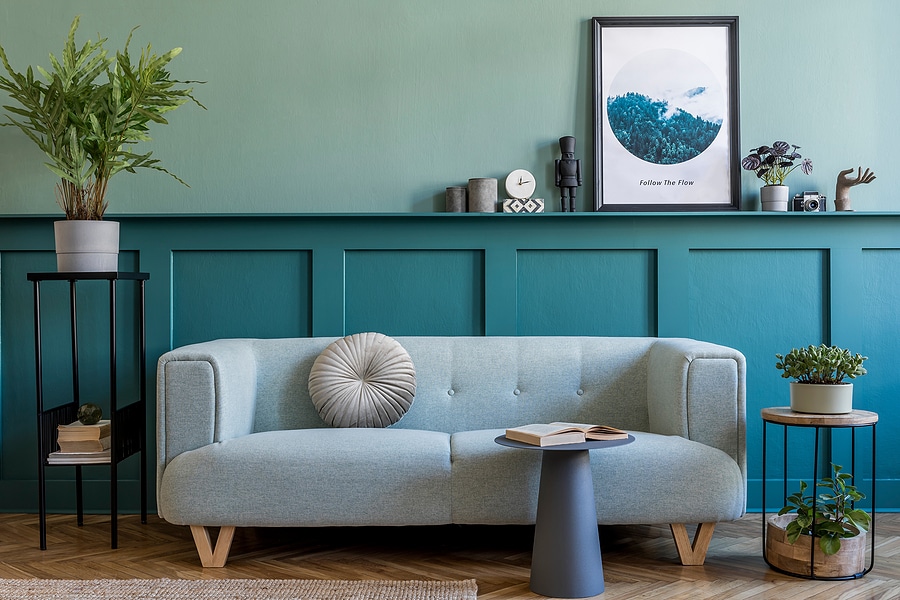
Painting the wall behind a sofa or bed makes the furniture stand out. It adds depth and a cozy feel to living rooms and bedrooms.
- Choose a dark or bold color to create contrast
- Use textured paint or patterns for more interest
- Keep surrounding walls neutral to avoid clutter
- Match accent colors with pillows or rugs
Entryway And Hallway Walls
Entryways and hallways are perfect for accent walls. They welcome guests and add character to narrow spaces.
Tips for Entryway Accent Walls:
- Pick warm colors like mustard or terracotta
- Use wallpaper with subtle patterns
- Highlight architectural details with paint
- Add a mirror or artwork to complete the look
Kitchen And Dining Areas
Accent walls in kitchens or dining rooms make the space more inviting. They can define separate areas or add a pop of color.
| Placement | Color Ideas | Effect |
| Behind dining table | Deep blue, charcoal | Creates cozy dining area |
| Kitchen backsplash wall | Bright red, yellow | Adds energy and warmth |
| Wall with open shelves | Soft green, light gray | Highlights decor and dishes |
Credit: www.wallapainting.com
Techniques To Enhance Impact
An accent wall draws attention in a room. Choosing the right placement helps it stand out more.
Using special techniques can make your accent wall even more eye-catching and stylish.
Using Patterns And Textures
Patterns add interest and break plain surfaces. Textures create depth and feel.
Try stripes, chevrons, or geometric shapes. Use textured paint or wallpapers with raised designs.
- Horizontal stripes make walls look wider
- Vertical stripes add height to the room
- Textured paint adds a natural, cozy feel
- Wallpaper with patterns gives a strong visual focus
Combining With Wall Art
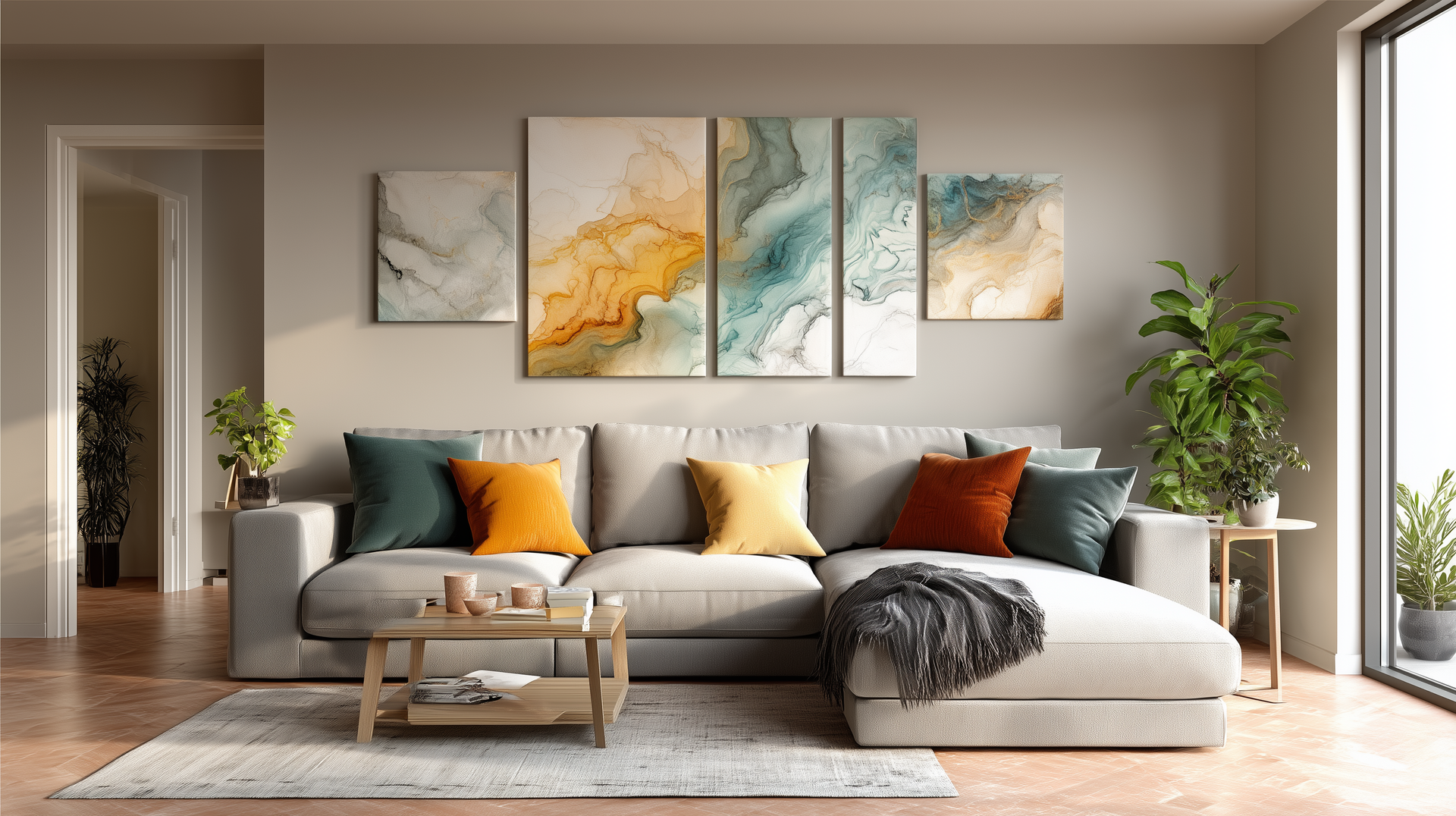
Wall art on an accent wall enhances style and personality. It adds layers to the look.
Choose art that matches your wall color and room theme. Large pieces work well on bold walls.
- Gallery walls create a curated and creative space
- Single large art draws eye to one spot
- Mirrors reflect light and add space feel
- Shelves with decor add texture and shape variety
Lighting To Highlight Accents
Good lighting makes an accent wall pop. It shows colors and textures clearly.
Use spotlights or wall washers to focus light on the accent wall. Soft lighting adds warmth.
- Track lighting can be aimed at art or patterns
- Wall sconces add style and gentle light
- LED strips highlight edges and shapes
- Natural light enhances true colors during the day
Common Mistakes To Avoid
Accent walls add style and personality to a room. But some mistakes can spoil the look.
Knowing what to avoid helps you create a balanced and attractive space.
Overpowering The Space
Using very bright or dark colors on an accent wall can take over the room. This makes the space feel smaller and less relaxing.
Choose colors that complement the room without overwhelming it. The accent wall should add interest, not distract.
- Avoid neon or very bold colors in small rooms
- Use softer shades to keep the room calm
- Balance strong colors with neutral walls
Ignoring Room Size And Lighting
Not thinking about room size and natural light can cause problems. Dark colors can make a small room feel cramped.
Rooms with little light need lighter colors to stay open and bright. Larger rooms can handle deeper tones better.
- Use light colors in small, dim rooms
- Pick richer colors for big, well-lit rooms
- Test colors in different lighting before painting
Neglecting Coordination With Furniture
Choosing an accent wall color that clashes with furniture can ruin the room’s look. Colors should work well with your existing pieces.
Consider the style and color of your furniture. Make sure the accent wall enhances the overall design.
- Match or complement furniture colors
- Avoid colors that clash with upholstery or wood tones
- Think about the room’s theme and style
Credit: nooshdecor.com
Maintenance And Longevity
An accent wall can change the look of a room. Keeping it fresh and new requires regular care. Proper maintenance ensures the paint lasts longer.
Understanding how to clean and touch up your painted wall helps maintain its beauty. Knowing when to repaint is also key to its longevity.
Cleaning Painted Surfaces
Dirt can make your accent wall look dull. Cleaning it regularly is important. Use soft cloths and gentle cleaners to avoid damage.
Avoid using harsh chemicals. They can strip the paint and ruin the finish. Dusting weekly and spot cleaning when needed keeps the wall looking fresh.
- Use a soft, damp cloth for dusting
- Apply mild soap for stains
- Dry the wall with a clean towel
Touch-up Tips
Small chips and scratches can happen over time. Touching up the paint can restore the wall’s appearance. Always have leftover paint for touch-ups.
Before applying new paint, clean the spot well. Use a small brush for precise application. This keeps the touch-up area neat and seamless.
- Keep extra paint for future use
- Use a small brush for accuracy
- Blend the edges carefully
When To Repaint
Even with good care, paint fades over time. Noticeable fading or peeling means it’s time to repaint. Fresh paint keeps the wall vibrant and new.
Repainting every few years can keep the wall in top condition. Choose a similar color or try something new for a fresh look.
- Repaint every 5-7 years
- Inspect for fading and peeling
- Choose quality paint for durability

Credit: www.designcafe.com
Frequently Asked Questions
What Is The Best Wall For Accent Painting?
The best wall for accent painting is usually the one facing the room’s main entrance. It draws immediate attention and sets the tone. Alternatively, choose a wall with architectural features or without doors and windows for a bold, uninterrupted look.
How Do I Choose The Right Color For An Accent Wall?
Pick a color that complements your room’s existing palette. Bold, contrasting shades create impact, while softer tones add subtle charm. Consider the room’s lighting and mood to ensure the accent wall enhances the overall ambiance.
Can Accent Walls Make Small Rooms Look Bigger?
Yes, accent walls can visually enlarge small rooms. Using lighter or cooler colors on the accent wall creates depth. Avoid dark or overly bright colors, as they may make the space feel cramped.
Where Should I Avoid Placing An Accent Wall?
Avoid placing an accent wall behind bulky furniture or in narrow corridors. This reduces visibility and impact. Also, steer clear of walls cluttered with doors or windows to maintain a clean, striking appearance.
Conclusion
Choosing the right wall for your accent paint makes a big difference. Focus on walls that catch the eye first. A well-placed accent wall adds style and warmth to any room. It brings color without overwhelming the space. Keep your room’s size and light in mind.
Simple steps create a fresh and inviting look. Experiment with colors that match your taste. Accent walls can change the whole feel of your home. Try it yourself and enjoy the new vibe.