
Imagine transforming your small apartment into a cozy, inviting space where every corner feels just right. The secret?
Ambient light design. With the right lighting, you can make your rooms look bigger, warmer, and more comfortable without major renovations. You’ll discover simple, practical tips to brighten up your home and create the perfect atmosphere. Ready to see your space in a whole new light?
Keep reading to unlock the power of ambient lighting for your small apartment.

Credit: www.alfanite.com
Benefits Of Ambient Lighting
Ambient lighting is soft light that fills a room evenly. It helps small apartments feel warm and inviting.
Good ambient lighting makes a space look bigger and improves mood. It is an easy way to change how you feel at home.
Creating A Cozy Atmosphere
Ambient lighting uses gentle light to make rooms feel comfortable. It lowers harsh shadows and adds warmth.
Soft lights create a relaxing place to rest after a busy day. You can use lamps or wall lights to spread light softly.
Enhancing Room Perception
Ambient lighting helps small rooms look larger. Even light spreads out and reduces dark corners.
When light fills all areas, rooms feel open and airy. This makes the apartment more pleasant to stay in.
Boosting Mood And Comfort
Soft ambient light can improve your mood and help you relax. It reduces eye strain and creates a calm space.
Comfortable lighting supports better sleep and less stress. It helps you enjoy your small apartment more.

Credit: www.reddit.com
Choosing The Right Light Sources
Lighting is key in small apartments. The right light sources make rooms feel bigger and cozy.
Choosing good lighting helps save energy and sets the right mood in your space.
Leds Vs. Incandescent Bulbs
LED bulbs use less power and last longer than incandescent bulbs. They stay cool and offer many colors.
Incandescent bulbs give warm light but use more energy. They also get hot and break faster.
- LEDs save money on electricity bills
- Incandescent bulbs are cheaper upfront
- LEDs have more color and brightness options
- Incandescent bulbs give a soft, warm glow
Smart Lighting Options
Smart lights let you control brightness and color with your phone or voice. They add convenience to small spaces.
You can set schedules or timers to save energy and create different moods easily.
- Adjust lights without moving
- Change colors for different times or activities
- Save energy with automatic off features
- Works well in small rooms with limited switches
Energy Efficiency Considerations
Choosing energy-efficient lights helps lower bills and reduces heat in small apartments.
Look for bulbs with good energy ratings and long life. Use dimmers and timers to control usage.
- LED bulbs use about 75% less energy than incandescent
- Smart controls reduce wasted lighting
- Energy Star rated bulbs ensure quality and efficiency
- Use task lighting to focus light where needed
Placement Strategies For Small Spaces
Ambient lighting can transform small apartments into cozy retreats. Strategic placement is key to making the most of limited space.
Focus on using light to enhance room features and create a welcoming atmosphere.
Maximizing Corners And Walls
Use corners and walls to install lights that expand the feel of a room. Wall sconces and corner lamps can highlight features and open up spaces.
- Install wall sconces to save floor space.
- Place corner lamps to add depth and light layers.
- Use adjustable fixtures for focused lighting.
Using Ceiling And Floor Fixtures
Ceiling and floor lights offer unique opportunities to enhance room height and create a spacious feel. They draw attention upward or downward, adding dimension.
| Fixture Type | Best Use |
| Pendant Lights | Above dining areas |
| Floor Lamps | Beside couches or chairs |
| Recessed Lights | Throughout ceilings |
Incorporating Reflective Surfaces
Reflective surfaces can double the impact of ambient lighting. Mirrors and glossy finishes bounce light around, making rooms feel brighter and larger.
Color Temperature And Effects
Ambient light sets the mood in small apartments. Choosing the right color temperature changes how rooms feel. Warm and cool tones give different effects.
Adjusting light throughout the day helps create comfort. You can also use color to highlight your decor and make your space unique.
Warm Vs. Cool Tones
Warm light has a yellow or orange glow. It feels cozy and inviting. Cool light looks blue or white. It feels fresh and bright.
- Warm tones suit living rooms and bedrooms
- Cool tones work well in kitchens and bathrooms
- Warm light can make small spaces feel snug
- Cool light can make spaces seem larger and cleaner
Adjustable Lighting For Different Times
Light needs change from morning to night. Adjustable lights help match these needs. You can use dimmers or smart bulbs for control.
| Time of Day | Recommended Color Temperature | Effect |
| Morning | 4000K – 5000K (Cool White) | Boosts energy and focus |
| Afternoon | 3500K – 4000K (Neutral White) | Maintains alertness and comfort |
| Evening | 2700K – 3000K (Warm White) | Promotes relaxation and calm |
Highlighting Decor With Color
Colored lighting can make your decor stand out. You can add mood and style by changing light color. LED strips and smart bulbs offer many options.
Use these tips to highlight your decor:
- Place warm light near wooden furniture to enhance texture
- Use cool light to brighten artwork with blue or green tones
- Try colored bulbs for special effects during gatherings
- Mix warm and cool lights to create depth in small rooms
Layering Light For Depth
Lighting in small apartments needs careful planning. Layering light helps create space and depth.
Using different types of lighting makes rooms feel larger and more inviting.
Combining Ambient, Task, And Accent
Ambient light provides overall brightness. Task light helps with activities like reading. Accent light highlights art or plants.
- Use ceiling lights for ambient lighting.
- Add desk lamps or under-cabinet lights for tasks.
- Place spotlights or LED strips for accent lighting.
Using Dimmer Switches
Dimmer switches let you adjust light levels easily. They help set the right mood and save energy.
Benefits of Dimmer Switches:
- Control brightness for different times of day
- Create cozy or bright environments
- Extend bulb life by using less power
Balancing Natural And Artificial Light
Natural light changes throughout the day. Balance it with artificial light for consistent brightness.
| Time of Day | Natural Light | Artificial Light |
| Morning | Bright, cool | Soft warm light |
| Afternoon | Strong, warm | Dimmed lights |
| Evening | Low, fading | Bright, warm lights |
Creative Lighting Ideas
Small apartments need smart lighting to feel bright and open. Good light can change how a room looks and feels.
Using ambient lights lets you add style and function without taking up space. Here are some creative ideas for small homes.
String Lights And Led Strips
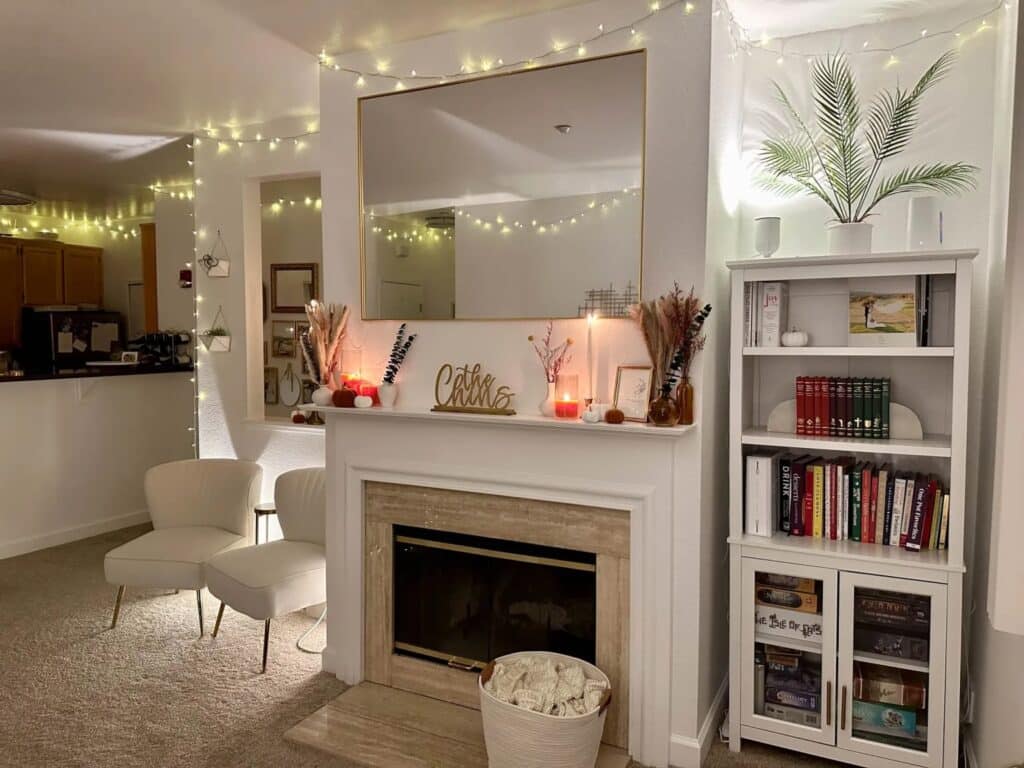
String lights and LED strips add soft, warm light. They are flexible and easy to place in small spaces.
- Wrap string lights around window frames or shelves for a cozy look.
- Use LED strips under cabinets or along baseboards to brighten dark corners.
- Choose warm white or color-changing LED strips to match your mood.
- Install dimmable LED strips to control light intensity.
- Place string lights behind furniture to create a glowing effect.
Hidden And Recessed Fixtures
Hidden lights keep your apartment looking neat while giving good light. Recessed fixtures fit into ceilings or walls.
| Type | Best Use | Effect |
| Ceiling Recessed Lights | Living room, kitchen | Bright, space-saving |
| Under Cabinet Lights | Kitchen counters | Task lighting |
| Wall Cove Lighting | Hallways, bedrooms | Soft, indirect light |
| Floor Recessed Lights | Entryways | Subtle guidance light |
Mirrors To Amplify Light
Mirrors reflect light and make rooms appear larger. They work well with ambient lighting to brighten small spaces.
Try these tips to use mirrors with lighting:
- Place a large mirror opposite a window to reflect daylight.
- Use mirrors near LED strips or string lights to increase brightness.
- Choose mirrors with decorative frames to add style and light.
- Hang multiple small mirrors to create a light-reflecting wall.
Common Mistakes To Avoid
Designing ambient light for small apartments can be tricky. Many people make mistakes that affect the atmosphere and functionality of their space.
Here are some common pitfalls to be aware of and how to avoid them.
Overlighting The Space
Too much light can overwhelm a small apartment. It may cause discomfort and make the space feel unnatural.
Use different light sources to create a balanced glow. Avoid using only bright ceiling lights.
- Use dimmers to control brightness
- Incorporate table and floor lamps
- Position lights to highlight specific areas
Ignoring Scale And Proportion
Lighting fixtures must match the size of the apartment. Large fixtures can dominate a small room.
Choose lights that fit well with your furniture and decor. This creates harmony in your space.
- Select small to medium-sized fixtures
- Match lights with furniture style
- Keep balance in mind when adding new lights
Neglecting Maintenance
Lighting fixtures need regular cleaning and maintenance. Dust and dirt can reduce light quality.
Ensure bulbs are replaced when needed. This keeps the apartment bright and welcoming.
- Clean fixtures monthly
- Check and replace dim bulbs
- Inspect wiring for safety
Credit: affordableinteriordesign.com
Frequently Asked Questions
What Is Ambient Light Design In Small Apartments?
Ambient light design focuses on soft, even lighting that fills a room. It enhances comfort and space perception in small apartments. Proper ambient lighting reduces shadows and creates a welcoming atmosphere without overwhelming limited space.
How To Choose Ambient Lighting For Small Apartments?
Select fixtures that provide diffused, warm light to avoid harshness. Use ceiling lights, wall sconces, or LED strips to spread light evenly. Consider dimmable options to adjust brightness based on time and mood.
Can Ambient Lighting Make A Small Apartment Look Bigger?
Yes, ambient lighting minimizes shadows and highlights room features. Well-placed ambient lights create an illusion of spaciousness. Soft, uniform light helps open up compact areas visually.
What Are The Best Light Sources For Ambient Lighting?
LED bulbs, recessed lights, and pendant lamps work well for ambient lighting. Choose warm white tones (2700K-3000K) for a cozy feel. Energy-efficient LEDs ensure long-lasting, cost-effective illumination.
Conclusion
Good ambient light can change your small apartment’s feel. It makes rooms look bigger and more welcoming. Use soft, warm lights to create a cozy mood. Place lamps where you need extra brightness. Mixing different light sources adds depth and style.
Simple choices bring comfort and beauty to your home. Try these tips to make your space shine bright and feel just right.
