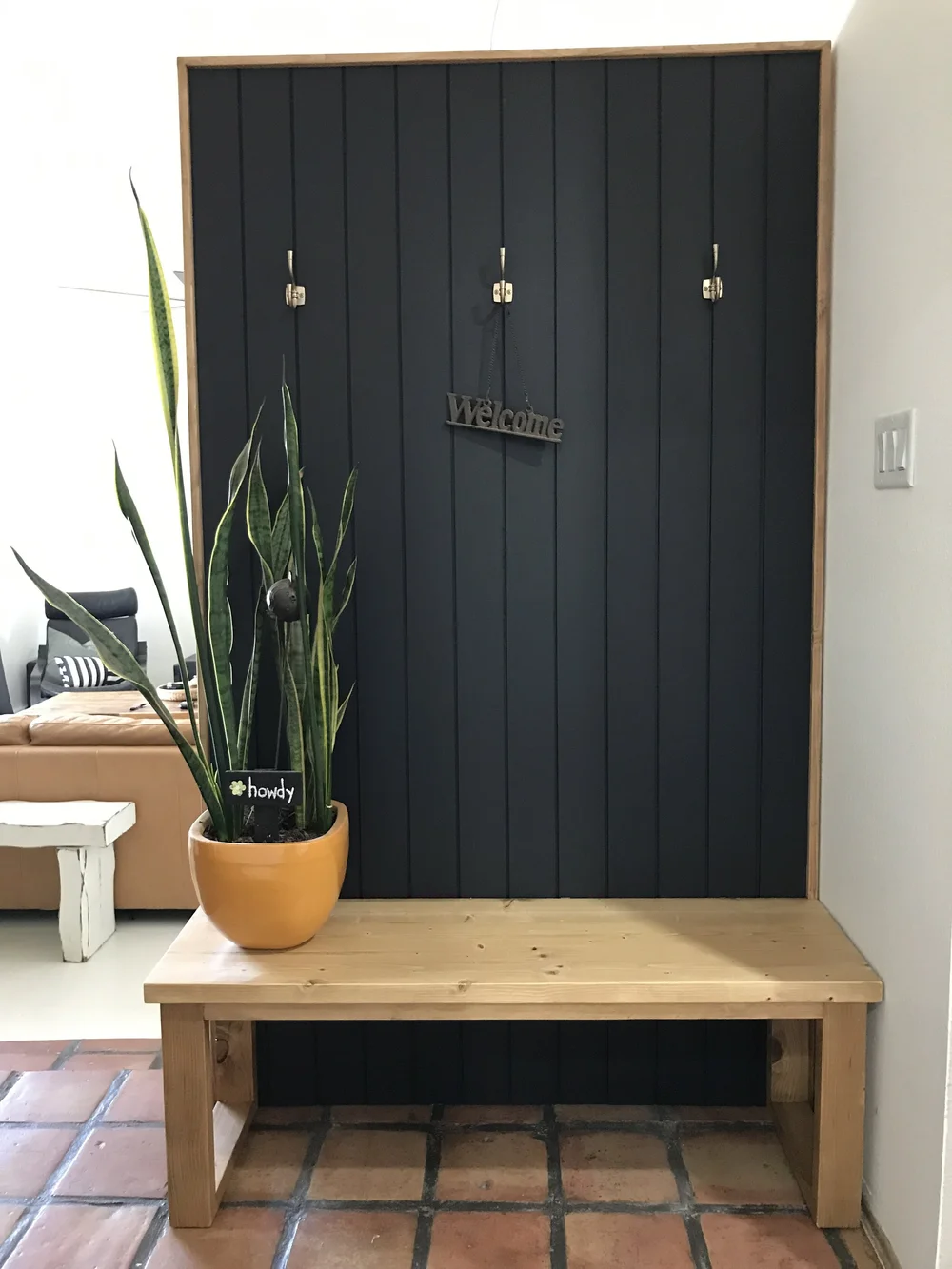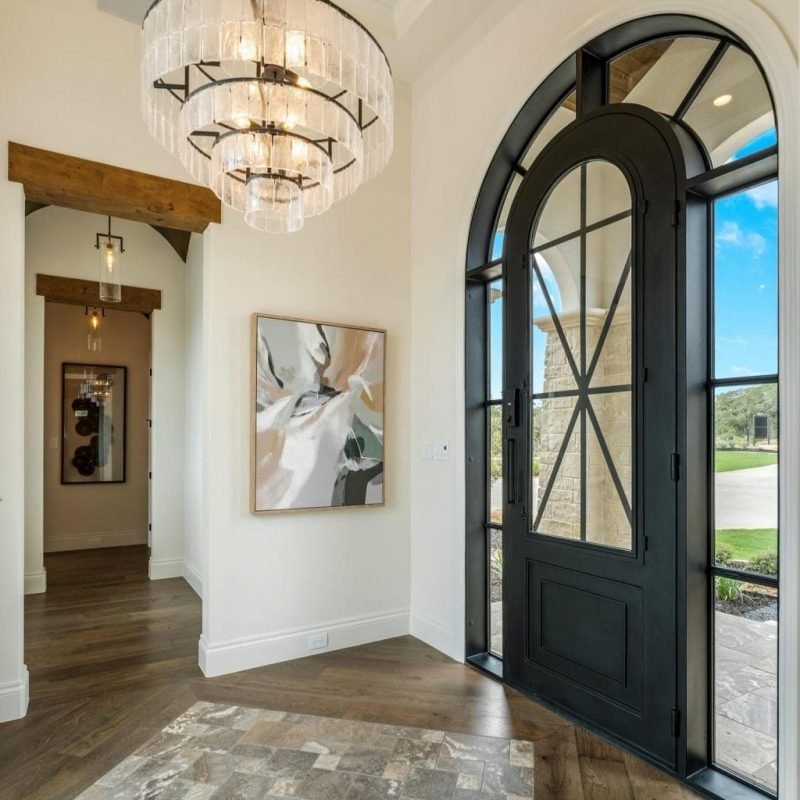
Your entryway is the first thing guests notice when they walk into your home. The right wall lamp can make a powerful impression, setting the tone for your entire space.
But where exactly should you place a contemporary entryway wall lamp to get the perfect balance of style and function? You might be surprised how small changes in placement can transform the look and feel of your entryway. Keep reading to discover smart, easy tips that will help you light up your entryway like a pro and create a welcoming atmosphere every time someone steps inside.
Credit: www.decorilla.com
Choosing The Right Wall Lamp Style
Choosing the right wall lamp can change the look of your entryway. The style you pick should match your space and taste.
Wall lamps add light and style. They can make your entryway feel warm and welcoming.
Modern Vs. Classic Designs
Modern wall lamps have simple shapes and clean lines. They often use metal and glass materials.
Classic designs have ornate details and soft shapes. They use traditional materials like brass and wood.
- Modern lamps fit well in minimalist spaces
- Classic lamps match vintage or traditional decor
- Choose a style that fits your home’s character
Materials And Finishes
Materials affect the look and feel of your wall lamp. Common choices include metal, glass, wood, and fabric.
Finishes like matte, shiny, or brushed change the lamp’s style and brightness. Pick finishes that blend with your entryway.
- Metal offers durability and modern style
- Glass adds elegance and soft light
- Wood brings warmth and natural feel
- Fabric shades soften the light and add texture
Complementing Your Entryway Decor
Match your wall lamp to the colors and style of your entryway. This makes the space look balanced and inviting.
Think about the size and shape of your entryway. Choose lamps that fit well without crowding the area.
- Use lamps that enhance your wall colors
- Pick sizes that fit your wall space
- Choose styles that match furniture and decor
- Consider lamp brightness for a welcoming feel

Credit: nehomemag.com
Ideal Height For Wall Lamp Installation
Choosing the right height for your entryway wall lamp is important. It helps the light spread evenly and looks good.
Placing the lamp too high or too low can make the area look awkward or dim. Let’s explore the best height options.
Standard Height Guidelines
The most common height for wall lamps is between 60 and 66 inches from the floor. This height works well for most entryways.
This range keeps the light at eye level for most adults. It also prevents glare and shadows on the walls.
- 60 to 66 inches from floor to lamp center
- Keep lamps at eye level for best light spread
- Avoid placing lamps too low or too high
Adjusting For Ceiling Height
Entryways with higher ceilings may need lamps placed higher than standard. This fills the space better with light.
For low ceilings, keep lamps closer to the standard height to avoid crowding the space.
- Ceilings over 9 feet: place lamps 66 to 72 inches high
- Ceilings under 8 feet: keep lamps near 60 inches high
- Adjust height to balance light and space size
Considerations For Different Entryway Sizes
Small entryways need lamps that do not take much space. Keep wall lamps lower to avoid overwhelming the area.
Large entryways allow for taller lamp placement or multiple lamps. Use height to fill the space and add style.
- Small spaces: place lamps around 60 inches high
- Large spaces: lamps can be 66 inches or higher
- Multiple lamps should be spaced evenly at similar heights
Placement Techniques For Balanced Lighting
Choosing the right place for entryway wall lamps helps create even light. Good placement avoids dark spots and glare.
Balanced lighting sets a welcoming mood. It also shows off your home’s style.
Symmetrical Vs. Asymmetrical Arrangements
Symmetrical placement means lamps appear in pairs. They mirror each other on both sides of a doorway or wall.
Asymmetrical placement places lamps unevenly. This style adds interest and suits modern designs.
- Symmetrical looks formal and balanced.
- Asymmetrical feels casual and creative.
- Choose based on room size and style.
- Both can light a space well.
Spacing Between Multiple Lamps
Keep lamps spaced evenly to avoid bright spots or shadows. The right gap depends on lamp size and light strength.
| Room Width | Recommended Space Between Lamps |
| Up to 6 feet | 24-30 inches |
| 6 to 10 feet | 30-36 inches |
| Over 10 feet | 36-42 inches |
Highlighting Architectural Features
Place wall lamps to light arches, moldings, or artwork. This draws attention to special details.
Tips for highlighting features:
- Mount lamps slightly above or below the feature.
- Use adjustable lamps to change light angle.
- Choose soft light to avoid harsh shadows.
Lighting Effects And Ambiance
Choosing the right wall lamp can change the mood in your entryway. Light affects how warm or cool the space feels.
Good lighting helps guests feel welcome and sets the tone for your home. Let’s explore some ways to use wall lamps well.
Warm Vs. Cool Light Choices
Warm light gives a cozy and inviting feel. Cool light looks bright and fresh. Your choice depends on the style you want.
- Warm light uses yellow or amber tones.
- Cool light uses white or blue tones.
- Warm light suits traditional or rustic entryways.
- Cool light fits modern or minimalist spaces.
- Mixing both can create balance and interest.
Dimmable Options For Flexibility
Dimmable wall lamps let you change light levels easily. You can make the space bright or soft as you like.
| Benefit | Use Case |
| Bright Light | Welcoming guests or finding keys |
| Dim Light | Calm mood or late-night entry |
| Adjustable | Fits different times of day |
Combining Wall Lamps With Other Light Sources
Use wall lamps with ceiling lights or table lamps to create layers of light. This adds depth and style to the space.
- Wall lamps highlight artwork or mirrors.
- Ceiling lights provide general brightness.
- Table lamps add warmth and softness.
- Use switches or dimmers for control.
Safety And Practical Considerations
Choosing the right wall lamp for your entryway is more than style. Safety and function matter a lot. Proper placement helps avoid accidents and enhances the room’s usability.
This guide covers key points on electrical needs, light effects, and care tips. Follow these to create a safe and practical lighting setup.
Electrical Requirements
Make sure your wall lamp fits the power supply safely. Use the right wiring and switches for your lamp’s voltage and wattage. Check local rules for electrical work.
- Turn off power before installation
- Use a voltage tester to check wires
- Secure all connections tightly
- Install a proper switch near the door
- Consider hiring a licensed electrician
Avoiding Glare And Shadows
Place lamps to prevent bright spots in your eyes. Avoid harsh shadows that hide steps or objects. Aim for soft, even light across the entryway.
| Placement Tip | Reason |
| Mount lamp 5-6 feet high | Reduces glare at eye level |
| Use frosted or shaded bulbs | Softens light and cuts glare |
| Position away from door swing | Prevents shadows on floor |
| Use multiple light sources | Eliminates dark corners |
Maintenance Tips
Keep your entryway lamp working well with regular care. Clean dust often and check bulbs to avoid failure. Proper upkeep extends lamp life and safety.
- Turn off power before cleaning
- Use a soft cloth to wipe the lamp
- Replace bulbs with correct wattage
- Inspect wiring yearly for damage
- Check mounting screws to keep lamp secure

Credit: nehomemag.com
Frequently Asked Questions
What Is The Ideal Height For Entryway Wall Lamps?
The ideal height for entryway wall lamps is between 60 to 66 inches from the floor. This height ensures balanced lighting and easy access for maintenance. It also complements most furniture and décor in contemporary entryways.
How Far Should Lamps Be Spaced On An Entryway Wall?
Entryway wall lamps should be spaced 24 to 36 inches apart. Proper spacing creates even lighting and prevents shadows. It also enhances the visual appeal of the entryway wall.
Can Entryway Wall Lamps Improve Small Space Lighting?
Yes, entryway wall lamps are perfect for small spaces. They save floor space and add ambient lighting. Wall lamps create a welcoming atmosphere without cluttering the entryway.
What Style Suits Contemporary Entryway Wall Lamp Placement?
Minimalist and geometric styles suit contemporary entryway wall lamp placement. These styles offer clean lines and modern appeal. They complement sleek furniture and neutral color palettes common in contemporary designs.
Conclusion
Choosing the right spot for your entryway wall lamp makes a big difference. It brightens the space and welcomes guests warmly. Keep the lamp at eye level for best lighting. Think about the size and style of your lamp too.
Small lamps fit narrow walls; bigger ones suit wider spaces. Proper placement adds style and function to your home. Experiment with different heights and positions. Your entryway can feel cozy and inviting with simple lighting choices. Light your way, and make a great first impression.