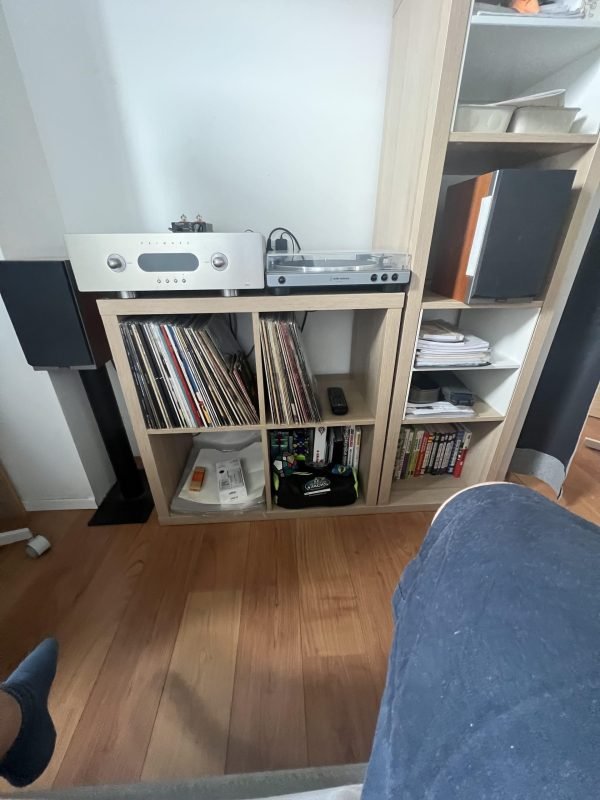
Are you ready to transform your bedroom into the ultimate music haven? Setting up a turntable in your personal space can bring your favorite vinyl records to life like never before.
Imagine the warm crackle of a needle on a record, filling your room with rich, authentic sound that digital music just can’t match. Whether you’re a seasoned collector or just starting out, your bedroom turntable setup can create a cozy, stylish spot where music becomes an experience.
Keep reading to discover simple tips and tricks that will help you build the perfect setup, so you can enjoy every beat, every note, and every groove right where you relax and unwind.

Credit: www.amazon.ca
Choosing The Right Turntable
Setting up a bedroom turntable is a great way to enjoy your vinyl records. Picking the right turntable can improve your listening experience.
There are many options available, so knowing what to look for helps you find the best fit for your space and needs.
Manual Vs Automatic Models
Manual turntables need you to place the needle on the record and lift it off when done. They give you full control over playback.
Automatic turntables start and stop the needle for you with a button press. They are easier to use, especially for beginners.
- Manual models offer more control
- Automatic models are user-friendly
- Manual turntables may last longer with care
- Automatic turntables reduce record wear
Key Features To Look For
Look for features that match your listening habits. Good sound quality and durability are important.
Check if the turntable has a built-in preamp, adjustable speed, and a quality tonearm.
- Built-in preamp for easy connection
- Adjustable speed settings (33 1/3, 45 RPM)
- Quality tonearm for better sound
- Sturdy build to reduce vibrations
- Replaceable cartridge for future upgrades
Budget Considerations
Turntables come in many price ranges. Decide how much you want to spend before choosing.
Higher-priced models usually offer better sound and durability. Entry-level models are good for casual listening.
- Entry-level: affordable, basic features
- Mid-range: better parts, improved sound
- High-end: premium build and audio quality
- Consider extra costs for speakers and accessories

Credit: www.reddit.com
Selecting Ideal Speakers
Choosing the right speakers is key for a great bedroom turntable setup. The right speakers bring out clear sound and rich tones from your records.
Consider your room size, listening habits, and budget before picking speakers. This guide helps you understand different speaker types and placements.
Bookshelf Vs Floorstanding Speakers
Bookshelf speakers are smaller and fit well on shelves or desks. They suit small rooms and deliver balanced sound. Floorstanding speakers are larger and stand on the floor. They offer deeper bass and louder volume, best for bigger spaces.
- Bookshelf speakers save space and are easy to move.
- Floorstanding speakers provide fuller sound and bass response.
- Bookshelf speakers may need a separate subwoofer for more bass.
- Floorstanding speakers often work well alone without extra bass devices.
Active Vs Passive Options
Active speakers have built-in amplifiers. You plug them directly into your turntable or receiver. Passive speakers need an external amplifier or receiver to power them. Both types offer good sound but differ in setup and flexibility.
| Speaker Type | Amplifier Needed | Ease of Setup | Flexibility |
|---|---|---|---|
| Active | No | Easy | Less flexible |
| Passive | Yes | More complex | More flexible |
Placement Tips For Best Sound
Speaker placement affects sound quality. Try these tips to get the best sound in your bedroom.
- Keep speakers at ear level when seated.
- Place bookshelf speakers on stands or shelves, not on the floor.
- Allow some space between speakers and walls for clearer sound.
- Angle speakers slightly toward your listening spot.
- Avoid placing speakers in corners to reduce bass distortion.
Optimizing Room Acoustics
Setting up a turntable in your bedroom needs good sound quality. Room acoustics affect how music sounds.
Small changes in your room can reduce noise and echo. This helps you enjoy clear, rich sound from your turntable.
Minimizing Echo And Noise
Echo and noise make music sound dull or unclear. You can reduce echo by adding soft materials in your room.
- Use thick curtains on windows to block outside noise.
- Place rugs or carpets on the floor to absorb sound.
- Add cushions or pillows on chairs and beds.
- Keep doors closed to prevent sound from escaping.
Using Acoustic Panels
Acoustic panels help control sound reflection and echo. You can buy or make simple panels to improve sound quality.
| Type of Panel | Material | Best Placement |
| Foam Panels | Open-cell foam | On walls near turntable |
| Fabric Wrapped Panels | Fiberglass core | Behind speakers or listening area |
| Wooden Diffusers | Wood | Opposite walls to scatter sound |
Furniture And Layout Impact
Furniture and room layout change how sound moves. Careful placement improves your turntable’s audio.
- Place the turntable away from corners to avoid bass buildup.
- Use bookshelves filled with books to act as natural sound absorbers.
- Arrange sofas and chairs to create a cozy listening spot.
- Keep the space around the turntable clear of clutter for better sound flow.
Setting Up The Turntable
Setting up your turntable correctly ensures the best sound quality. Follow these steps for a smooth and enjoyable listening experience.
By focusing on cartridge alignment, tracking force, anti-skate, and leveling, you create an optimal setup for your bedroom turntable.
Proper Cartridge Alignment
Cartridge alignment affects sound clarity and record wear. Proper alignment prevents distortions and skips.
- Place the protractor on the turntable platter.
- Align the cartridge with the protractor grids.
- Adjust until the stylus sits perfectly in the alignment points.
Adjusting Tracking Force And Anti-skate
Tracking force ensures the stylus tracks the record groove properly. Anti-skate keeps the tonearm balanced.
| Tracking Force | Recommended Value |
| Light | 1.5 grams |
| Medium | 2.0 grams |
| Heavy | 2.5 grams |
Adjust anti-skate to match the tracking force for balanced playback.
Leveling The Turntable
A level turntable provides even tracking and sound quality. Use a spirit level to check the surface.
Connecting Components
Setting up a bedroom turntable requires connecting several key parts. Proper connections ensure good sound quality and safe operation.
This guide covers phono preamps, wiring for a clean signal, and avoiding grounding issues.
Phono Preamps Explained
A phono preamp boosts the tiny signal from the turntable’s cartridge. It brings the sound to line level, which most speakers and receivers need.
Many turntables include built-in phono preamps. If yours does not, you will need an external one. Connect the turntable’s output to the phono preamp input, then connect the preamp output to your amplifier or speakers.
Wiring For Clean Signal
Use good quality cables to keep your sound clear and free of noise. RCA cables are common for turntables. Make sure cables are fully plugged in and not damaged.
- Keep cables away from power cords to reduce interference.
- Use short cables when possible to limit signal loss.
- Check connections regularly to avoid loose contacts.
Avoiding Grounding Issues
Ground loops cause humming and buzzing noises. Your turntable and amplifier should share a common ground to stop this problem.
| Grounding Tip | What to Do |
| Turntable Ground Wire | Connect to amplifier ground terminal |
| Check for Loose Connections | Tighten all ground wire screws |
| Use Ground Loop Isolator | Install if humming persists |
Maintaining Your Setup
Keeping your bedroom turntable setup in good shape helps it work better. Regular care extends the life of your records and equipment.
Simple maintenance tasks keep your music clear and your turntable running smoothly. This guide covers cleaning, checks, and fixing common issues.
Cleaning Records And Stylus
Clean records prevent sound distortion and protect the stylus. Use a soft brush to remove dust before playing each record.
Clean the stylus gently using a special stylus brush or a soft, fine brush. Move it from back to front to avoid damage.
- Use a carbon fiber brush for records
- Clean records in a circular motion
- Use a stylus brush only once per cleaning
- Avoid harsh chemicals on both stylus and records
Routine Equipment Checks
Check your turntable setup often to spot problems early. Look for loose parts, cable damage, and dust buildup.
Check the belt for signs of wear if your turntable uses one. Replace it if it looks stretched or cracked.
- Inspect tonearm and cartridge alignment
- Ensure cables are securely connected
- Clean dust from controls and knobs
- Test speed settings for accuracy
Troubleshooting Common Problems
If your turntable skips or has poor sound, check the stylus and records first. Dirt or damage can cause these issues.
Make sure the turntable is on a flat, stable surface to avoid vibrations. Check the settings and connections if sound is weak.
- Clean or replace a worn stylus
- Replace damaged or scratched records
- Adjust tracking force on tonearm
- Secure all cable connections
- Check for motor or belt issues
Enhancing The Listening Experience
A bedroom turntable setup can bring music to life. The right arrangement can greatly enhance your listening experience.
Explore how to choose vinyl, create a cozy space, and add stylish accessories to elevate your setup.
Choosing The Right Vinyl
Vinyl records come in different qualities. Picking the right one is crucial for sound clarity.
- Look for records in good condition
- Check the pressing quality
- Consider the genre you enjoy
Creating A Comfortable Listening Space
Comfort is key in a listening space. Arrange furniture for relaxation and sound optimization.
Adding Accessories For Style And Function
Accessories can add both style and functionality to your setup. Choose items that complement your space.
| Accessory | Function |
| Record Stand | Organizes vinyl |
| Speakers | Enhances sound |
| Decorative Lights | Sets mood |

Credit: www.amazon.ca
Frequently Asked Questions
How Do I Choose The Best Turntable For My Bedroom?
Choose a turntable with compact size and low noise levels for bedrooms. Look for built-in speakers or easy connectivity to small speakers. Prioritize models with adjustable speed and anti-vibration features for better sound quality in tight spaces.
Where Should I Place My Turntable In The Bedroom?
Place your turntable on a stable, vibration-free surface away from direct sunlight. Avoid placing it near speakers or electronics to reduce interference. A dedicated shelf or stand at ear level enhances sound and protects your records.
How Can I Reduce Noise From My Bedroom Turntable?
Use a rubber mat or isolation feet under your turntable to minimize vibrations. Keep volume moderate to avoid sound bleed. Position speakers with proper distance and angle to prevent echo and distortion in small rooms.
What Accessories Improve A Bedroom Turntable Setup?
Essential accessories include a good cartridge, cleaning brush, and record sleeves. Consider a headphone amplifier for private listening. A dust cover protects your turntable from bedroom dust and prolongs its lifespan.
Conclusion
Setting up a bedroom turntable brings music closer to you. It creates a cozy and personal listening space. Choose the right spot to avoid noise and vibrations. Keep cables neat for safety and better sound. Regular care helps your turntable last longer.
Enjoy the warm sound of vinyl anytime you want. A simple setup can make a big difference. Start small, then add upgrades as you learn. Your music experience will feel fresh and alive every day.