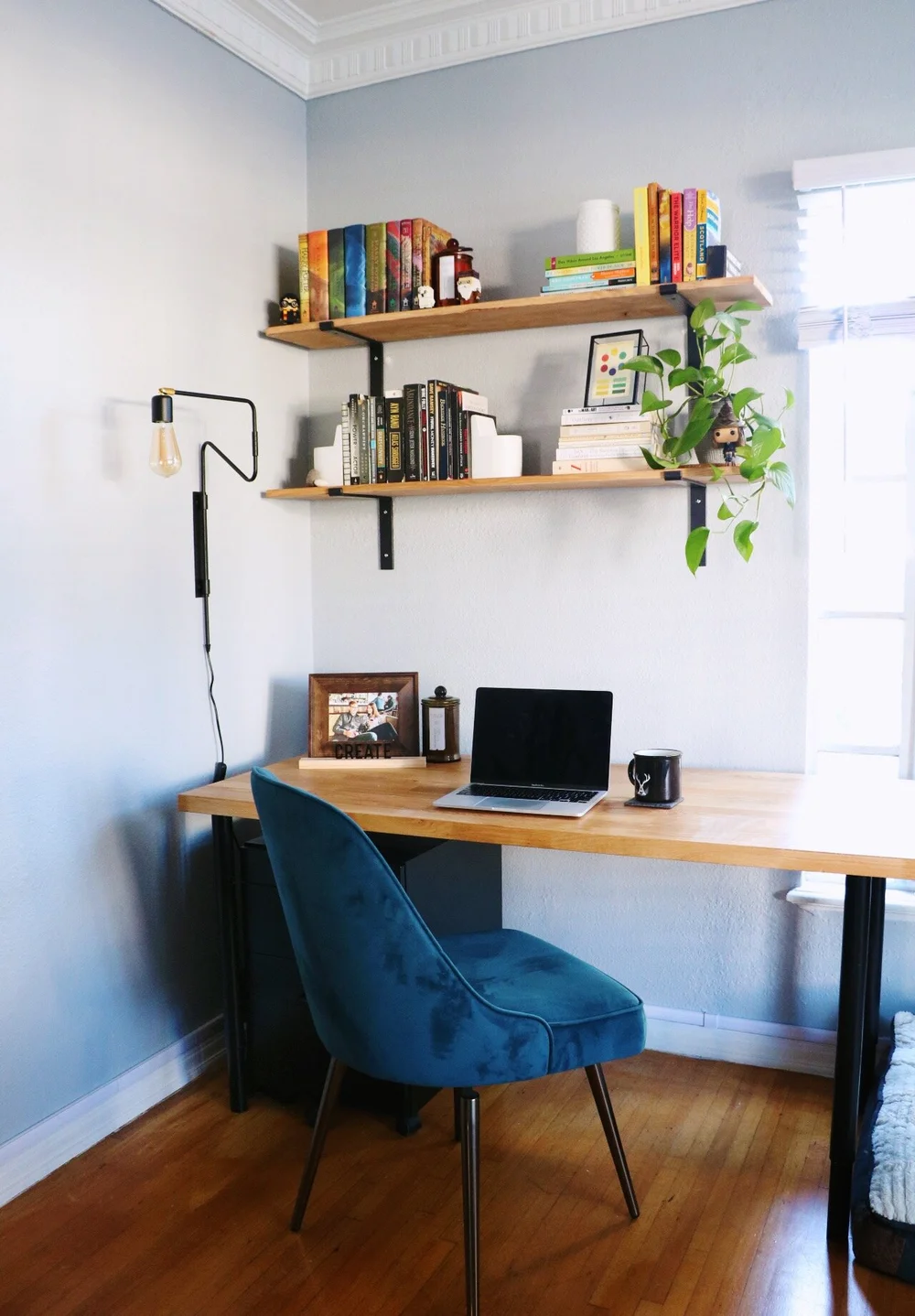
Are you tired of clutter taking over your desk? Imagine having extra space to keep your essentials within reach without sacrificing your work area.
DIY floating shelves for your desk offer a simple, stylish solution that can transform your workspace instantly. You’ll discover easy steps to create shelves that not only look great but also keep your desk organized and inspiring. Ready to upgrade your desk and boost your productivity?
Let’s dive in!

Credit: www.youtube.com
Benefits Of Floating Shelves
Floating shelves are a smart choice for desks. They save space and look neat. These shelves attach to the wall without visible brackets.
They hold books, gadgets, and decor. This keeps the desk clear and organized. Floating shelves fit any room style well.
Maximizing Desk Space
Floating shelves free up desk space by moving items off the surface. This gives more room for work and study.
Use shelves to store supplies, papers, or small tools. This keeps your desk tidy and clutter-free.
- Store books and notebooks
- Place office supplies in containers
- Keep electronics like speakers or chargers
Enhancing Room Aesthetics
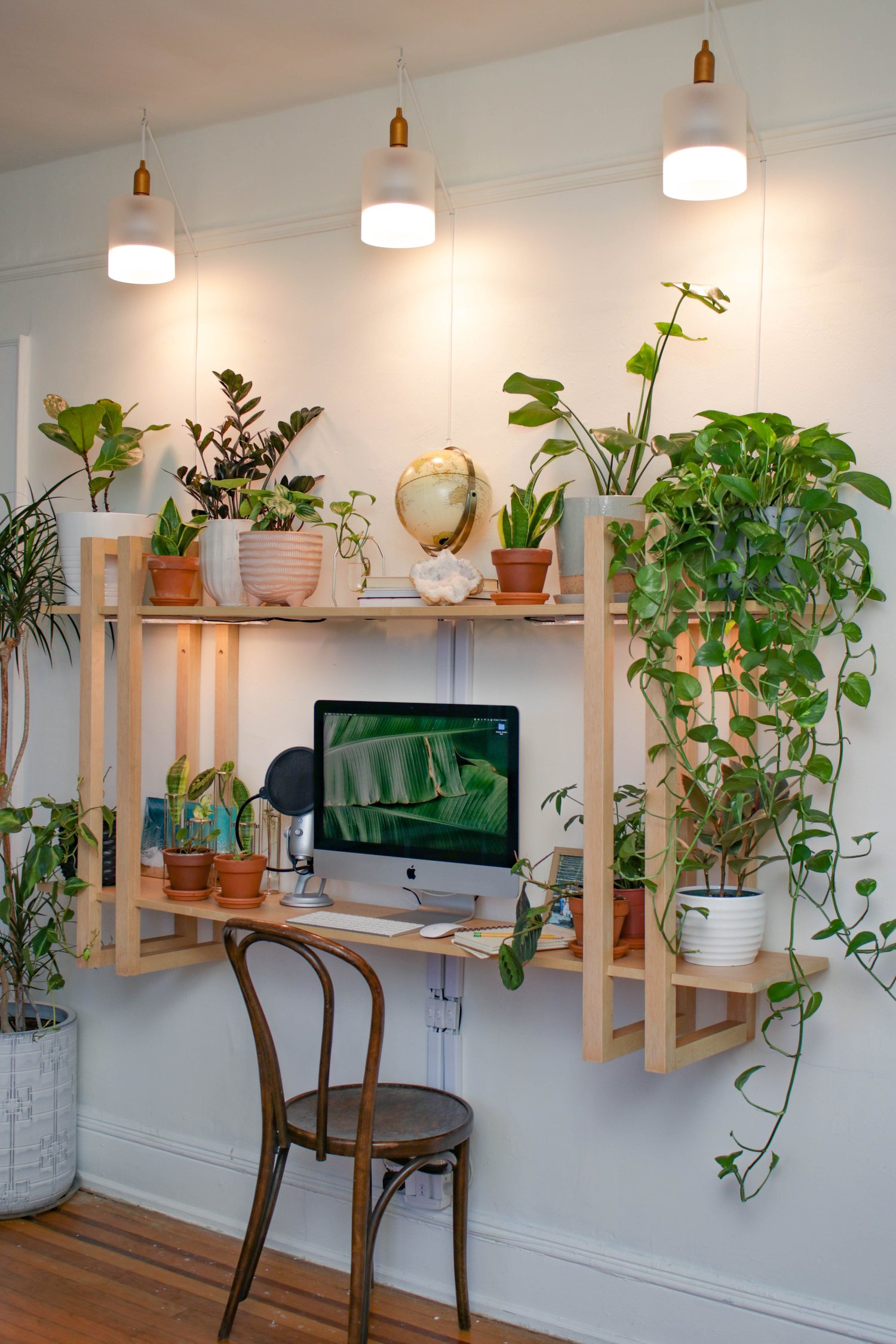
Floating shelves add a clean and modern look to any room. They create a sense of openness on the walls.
Decorate shelves with plants, photos, or art. This makes the desk area more inviting and personal.
- Use matching shelf colors
- Arrange items neatly
- Add small decorative pieces
Customizable Storage Options
Floating shelves come in many sizes and shapes. You can choose shelves that fit your needs and style.
You can stack shelves or space them apart. This helps store different items in an organized way.
- Select wood, metal, or glass shelves
- Choose shelf length and thickness
- Mix open shelves with small boxes
Choosing Materials
Picking the right materials is key for building floating shelves for your desk. The materials affect strength, look, and how long the shelves last.
Consider your workspace style and how much weight the shelves need to hold before choosing materials.
Wood Types For Durability
Wood is a popular choice for floating shelves because it looks natural and sturdy. Different woods offer different durability and styles.
- Oak: Very strong and holds weight well. Has a classic look.
- Maple: Hard and smooth. Good for painting or staining.
- Pine: Soft and affordable. Works well for light loads.
- Walnut: Dark and rich in color. Strong and stylish.
Metal And Acrylic Alternatives
Metal and acrylic can give a modern look to your floating shelves. They are strong but different from wood in feel and style.
| Material | Strength | Look | Weight |
| Steel | Very High | Industrial | Heavy |
| Aluminum | High | Sleek | Light |
| Acrylic | Medium | Clear and Modern | Light |
Tools And Hardware Needed
You need the right tools and hardware to build and install floating shelves safely and securely.
- Drill for making holes in walls and shelves
- Level to keep shelves straight
- Screws and wall anchors for strong mounting
- Stud finder to locate wall studs
- Measuring tape for accurate cuts and placement
Design Ideas For Desk Shelves
Floating shelves are a smart way to save space on your desk. They keep things organized and look nice. You can build them yourself with simple tools and materials.
There are many styles to choose from. Each style can match different room designs and personal tastes. Here are some ideas for floating shelves you can try.
Minimalist Floating Shelves
Minimalist shelves have clean lines and simple shapes. They avoid extra decorations and focus on function. These shelves make your desk look neat and modern.
Use light wood or white paint for a fresh look. Keep the shelf thin but strong enough for books or small plants. Mount them at eye level for easy reach.
- Use natural wood or white finish
- Keep shelves thin and simple
- Mount shelves at eye level
- Store only essential items
Industrial Style Shelving
Industrial shelves use metal pipes and wood planks. They have a rugged, raw look. This style fits well in lofts or creative workspaces.
Choose dark stained wood and black or gray metal. You can build shelves with pipe brackets for a strong hold. This style allows you to store heavier items like tools or books.
- Use metal pipes for brackets
- Pick dark wood planks
- Show off pipe joints and screws
- Store heavy items safely
Colorful And Creative Options
Colorful shelves add fun and personality to your desk. You can paint the wood in bright colors or use patterned wallpaper on the shelf surface. This style works well in kids’ rooms or creative offices.
Try mixing colors or shapes for a unique look. Use small shelves to hold art supplies or decorations. Bright colors can also help you find things quickly.
- Paint shelves in bright colors
- Use wallpaper or decals on shelves
- Mix shapes like squares and triangles
- Store art supplies and decorations
Step-by-step Installation
Installing floating shelves on your desk adds extra storage and style. Follow these steps to ensure a secure and neat setup.
Careful measuring and proper mounting are keys to success. Finish with attention to detail for the best look.
Measuring And Marking
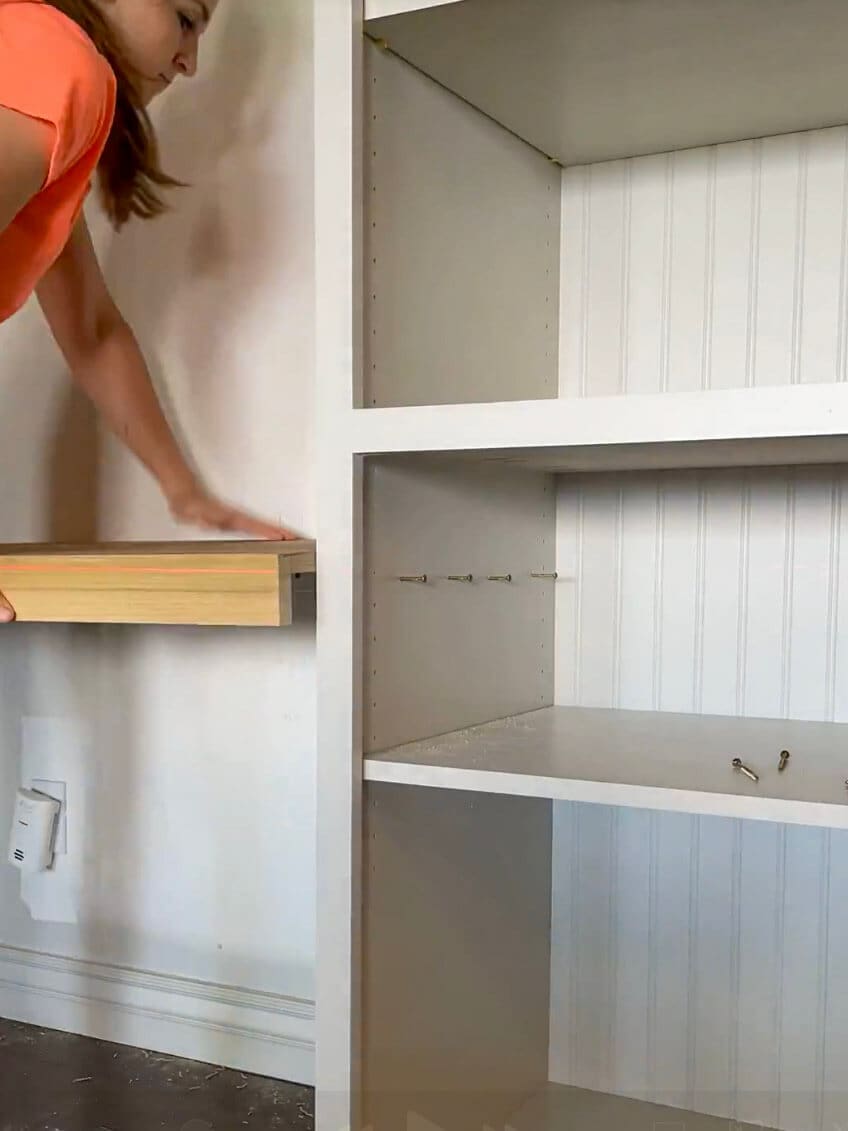
Measure the space on your desk wall where the shelves will go. Use a pencil to mark the spots for the brackets carefully.
- Use a tape measure to find the desired shelf height.
- Mark the shelf edges lightly with a pencil.
- Check that marks are level using a spirit level.
- Mark the bracket holes based on the bracket size.
Mounting Brackets Securely
Secure the brackets firmly to support the shelf weight. Use a drill and screws suitable for your wall type.
| Wall Type | Screw Type | Additional Hardware |
|---|---|---|
| Drywall | Drywall screws | Wall anchors |
| Wood | Wood screws | None |
| Concrete | Masonry screws | Plastic anchors |
Align brackets with your marks. Drill pilot holes, insert anchors if needed, and screw brackets tight.
Finishing Touches
Place the shelf on the mounted brackets. Check that it sits evenly and is stable.
- Use a level to confirm the shelf is straight.
- Tighten screws under the shelf if brackets have them.
- Wipe off pencil marks and dust.
- Optionally, add paint or stain to match your desk.
Maintenance And Upkeep
Floating shelves for your desk add style and storage to your workspace. Keeping them in good shape is simple. Regular care helps shelves last longer and look better.
Learn easy ways to clean, protect, and update your shelves. These tips keep your desk area neat and fresh.
Cleaning Tips
Dust and dirt can build up on floating shelves. Clean them often to avoid damage. Use soft cloths to avoid scratches.
- Wipe shelves with a dry microfiber cloth weekly.
- Use mild soap and water for sticky spots.
- Dry shelves completely after cleaning.
- Avoid harsh chemicals that can ruin the finish.
Preventing Wear And Tear
Protect your shelves by handling them gently. Heavy or sharp objects can cause damage. Place items carefully to keep shelves strong.
| Cause | How to Prevent |
| Scratches from sharp items | Use coasters or pads under objects |
| Weight stress | Distribute weight evenly on shelves |
| Water damage | Wipe spills immediately and avoid damp items |
| Sun fading | Keep shelves away from direct sunlight |
Updating Shelf Style
Changing your shelves’ look keeps your desk fresh. Small updates can make a big difference without a full rebuild.
Try these ideas:
- Paint shelves with new colors for a modern look
- Add decorative brackets or trim pieces
- Use contact paper to create patterns on shelf surfaces
- Switch shelf hooks or supports to match your room style
Credit: www.simplyhandmadestudios.com
Common Mistakes To Avoid
Floating shelves can make your desk area look tidy and stylish. But, some mistakes can lead to problems. Here are common mistakes to avoid with DIY floating shelves for your desk.
Paying attention to details can help you make the most of your shelves. Let’s explore some of these common errors.
Overloading Shelves
One big mistake is putting too much weight on your shelves. Floating shelves have weight limits. Exceeding these limits can cause them to fall.
Consider what you plan to place on the shelves. Choose light items like photos or small plants to keep them safe.
- Check the weight limit of your shelves
- Use shelves for light items
- Avoid heavy books or electronics
Ignoring Wall Type
Not all walls are the same. Different walls need different types of anchors. Using the wrong anchor can make shelves unsafe.
Identify your wall type before you start. This helps you pick the right tools and make your shelves sturdy.
- Check if your wall is drywall, plaster, or brick
- Use appropriate wall anchors
- Consult a hardware store if unsure
Improper Measurements
Measuring wrong is a common issue. Incorrect measurements can lead to uneven or unstable shelves. This can also make your desk area look messy.
Always double-check your measurements. This ensures your shelves fit well and look great.
- Measure the space accurately
- Use a level for straight lines
- Double-check your markings
Credit: crystelmontenegrohome.com
Frequently Asked Questions
What Materials Are Needed For Diy Floating Shelves?
You need wood planks, wall brackets, screws, anchors, a drill, and a level. Choose sturdy wood for durability. Quality brackets ensure shelves hold weight securely. Proper anchors match your wall type for safety and stability.
How Do I Install Floating Shelves On A Desk?
First, mark shelf positions on the wall. Drill holes and insert anchors. Attach brackets securely. Place shelves on brackets and check for level. Tighten screws to finish installation. This ensures a stable and neat floating shelf setup.
Can Floating Shelves Hold Heavy Desk Items?
Yes, if properly installed with strong brackets and anchors. Use thick wood planks for extra support. Avoid overloading shelves beyond their weight capacity to prevent damage. Proper installation guarantees safe storage for books, decor, and office supplies.
How To Maintain Diy Floating Shelves Long-term?
Keep shelves clean by dusting regularly with a soft cloth. Avoid placing overly heavy items. Check screws and brackets periodically for tightness. Refinish wood surfaces if they show wear to keep shelves looking fresh and durable.
Conclusion
DIY floating shelves for your desk add style and save space. They keep your workspace neat and items within reach. Building them yourself lets you choose size and design. It also feels rewarding to see your work on display. Simple tools and materials make this project easy and fun.
Try this project to improve your desk area today. Small changes can make a big difference in your room. Give your workspace a fresh, organized look with floating shelves.