
Imagine stepping into your home and instantly feeling calm, cozy, and completely at ease. That’s the power of the right ambient lighting.
If you want to transform your living space without major renovations, mastering ambient lighting is your secret weapon. You’ll discover simple yet effective tips to create the perfect mood in every room. Whether you’re relaxing after a long day or entertaining friends, the right lighting can change everything.
Ready to make your home feel more inviting and stylish? Let’s dive in.
Benefits Of Ambient Lighting
Ambient lighting fills a room with soft, even light. It creates a comfortable and inviting space.
This type of lighting helps you see clearly without harsh shadows or glare. It sets the base for other lighting layers.
Enhancing Mood And Atmosphere
Ambient lighting shapes how a room feels. It can make a space calm or lively depending on the light color and brightness.
- Soft warm tones create a cozy, relaxing mood.
- Cooler light can energize and refresh the space.
- Dimming options let you adjust the mood anytime.
Improving Space Perception
Good ambient lighting changes how large or small a room feels. It highlights the room’s shape and size.
| Effect | How Ambient Lighting Helps |
| Makes small rooms feel bigger | Even lighting reduces shadows and opens the space |
| Defines room shape | Light spread shows walls and corners clearly |
| Enhances color and texture | Soft lighting reveals true colors and details |
Supporting Daily Activities
Ambient lighting helps you do tasks without strain. It creates a bright, clear environment for daily life.
Here are some ways ambient lighting supports your routine:
- Provides enough light for moving safely around the room
- Reduces eye strain during reading or working
- Sets a neutral light base for task or accent lighting
Choosing The Right Fixtures
Lighting shapes the mood and feel of your home interior. Picking the right fixtures helps create a warm and inviting space. Each fixture type serves a different purpose and suits various rooms.
Consider your room’s style and function before choosing fixtures. The right light can highlight features and add comfort.
Ceiling Lights And Chandeliers
Ceiling lights and chandeliers offer general lighting for rooms. They often become a focal point in living and dining areas. Choose styles that match your decor and room size.
- Use chandeliers in large rooms for elegance and brightness.
- Flush or semi-flush ceiling lights work well in low ceilings.
- Pick dimmable fixtures to adjust light levels easily.
- Consider materials like glass, metal, or fabric for style variety.
- Match fixture size to room dimensions for balance.
Wall Sconces And Lamps
Wall sconces and lamps add soft, ambient light and help create cozy corners. They also save space and add decoration to walls.
| Fixture Type | Best Room | Purpose |
| Wall Sconces | Hallways, Bedrooms | Accent and task lighting |
| Table Lamps | Living Room, Bedroom | Reading and soft light |
| Floor Lamps | Living Room, Study | Fill dark corners and add height |
Recessed And Cove Lighting
Recessed and cove lighting create a clean, modern look. They offer indirect light that spreads softly across walls and ceilings.
Use these tips for installing recessed and cove lighting:
- Place recessed lights evenly for balanced illumination.
- Install dimmers to control brightness.
- Use cove lighting to highlight architectural features.
- Choose warm white bulbs for a cozy feel.
- Avoid glare by hiding light sources behind moldings.
Selecting Suitable Bulbs
Choosing the right bulbs affects the mood and look of your rooms. Bulbs can make spaces feel cozy or bright.
Understanding different types of light and bulbs helps you pick the best option for your home.
Warm Vs Cool Light
Warm light creates a soft, cozy feel with yellow tones. Cool light is bright and clear with a blue tint. Each suits different rooms.
- Warm light works well in bedrooms and living rooms.
- Cool light fits kitchens and workspaces.
- Neutral light blends both and suits general areas.
Led Vs Incandescent
LED bulbs use less energy and last longer than incandescent bulbs. Incandescent bulbs give a classic warm glow.
| Type | Energy Use | Life Span | Color Quality |
| LED | Low | Long (up to 25,000 hours) | Varies (warm to cool) |
| Incandescent | High | Short (about 1,000 hours) | Warm glow |
Dimmable Options
Dimmable bulbs let you control brightness. This adds comfort and saves energy.
Tips for using dimmable bulbs:
- Check if your bulb is dimmable before buying.
- Use compatible dimmer switches for best results.
- Adjust light for different activities and times of day.
Placement Strategies
Good placement of ambient lighting shapes the feel of your rooms. It helps spread light evenly and makes spaces feel cozy.
Planning where to put lights can highlight your home’s best parts. It also stops unwanted shadows and glare.
Balancing Light Distribution
Spread lights evenly across the room to avoid dark spots. Use multiple light sources placed at different heights and angles.
- Install ceiling lights in the center and corners
- Use wall sconces to add soft light on walls
- Place floor lamps in seating areas
- Include table lamps for task lighting
Highlighting Architectural Features
Use lighting to draw attention to unique features like arches, niches, or textured walls. Position lights so they shine along these elements.
| Feature | Best Light Type | Placement |
| Archways | Spotlights | Above or below the arch |
| Textured Walls | Wall washers | Along the wall surface |
| Niches | Recessed lights | Inside the niche |
Avoiding Shadows And Glare
Place lights so they do not create strong shadows or shine into eyes. Use diffusers or lampshades to soften light.
- Keep lights at eye level or higher
- Angle lights away from seating and work areas
- Use multiple light sources to reduce harsh shadows
- Choose bulbs with soft, warm color temperatures
Incorporating Smart Lighting
Smart lighting changes how you light your home. It offers control and flexibility.
Using smart bulbs and systems lets you set the mood and save energy.
Adjustable Brightness And Color
Smart lights let you change brightness and color with ease. This helps match lighting to your activity or time of day.
- Dim lights for a cozy evening
- Brighten lights for reading or work
- Change colors to suit your style or season
Automation And Scheduling
Set your lights to turn on or off automatically. This adds comfort and saves power.
| Feature | Benefit |
| Scheduling | Lights turn on/off at set times |
| Sunset/Sunrise Mode | Lights adjust with natural light |
| Motion Sensors | Lights activate when you enter a room |
Voice Control Integration
Use voice commands to control your lights hands-free. This adds ease and quick changes.
- Turn lights on or off by voice
- Change brightness without touching switches
- Set scenes or colors using simple commands
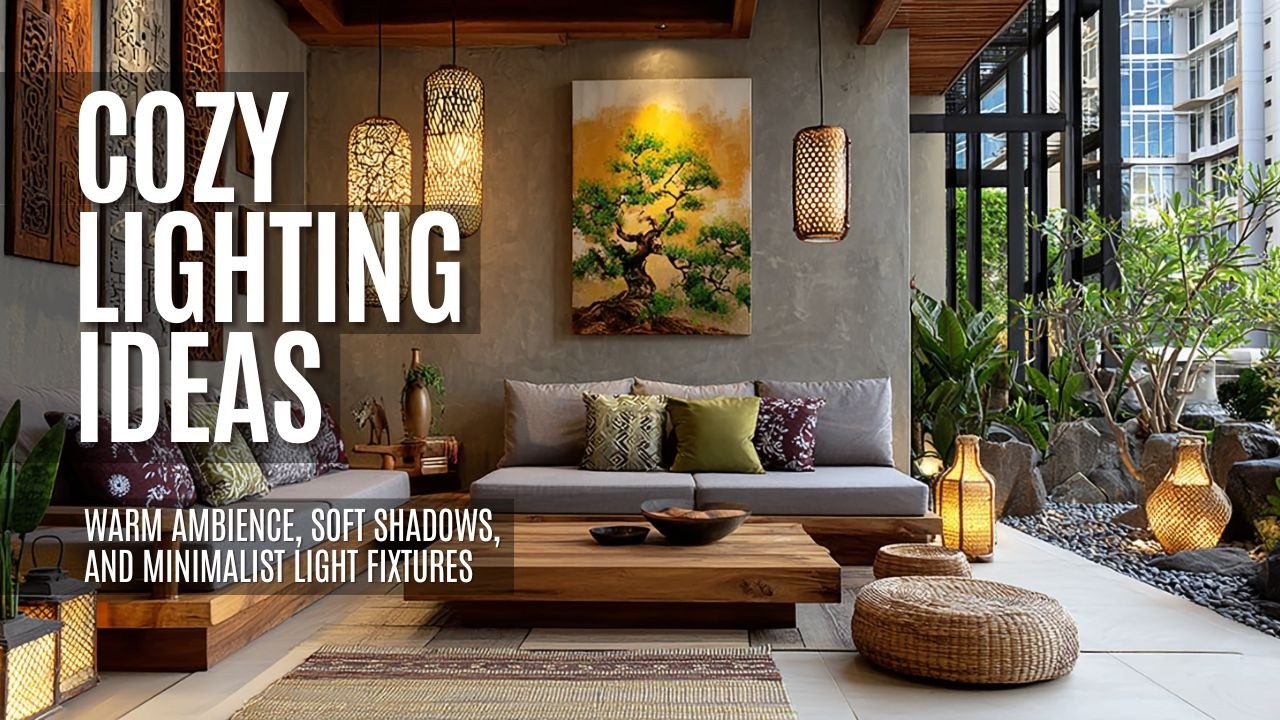
Credit: www.youtube.com
Combining Ambient With Other Lighting
Ambient lighting sets the mood in a room. It is the base layer of light. To enhance your home, combine it with other lighting types.
This mix creates a balanced and functional space. It allows you to tailor the ambiance to your needs.
Task Lighting Tips
Task lighting helps you focus on specific activities. It is bright and direct. Use it in areas where detail work is common.
- Place desk lamps in your study area.
- Install under-cabinet lights in the kitchen.
- Use adjustable floor lamps near reading chairs.
Accent Lighting Ideas
Accent lighting highlights specific features in a room. It draws attention to art, plants, or architectural details.
- Spotlights for artwork on walls
- LED strips for bookshelves
- Uplights for indoor plants
Layering For Depth
Layering lighting adds depth to your home. It involves using multiple light sources. This approach creates a welcoming and dynamic space.
Consider these layers:
- Ambient:Ceiling fixtures or chandeliers
- Task:Table and floor lamps
- Accent:Wall sconces or spotlights
Decorative Elements And Accessories
Ambient lighting creates a cozy atmosphere in your home. Using decorative elements and accessories enhances this effect.
Accessories like lampshades, mirrors, and textiles can improve lighting. These elements can make rooms feel bigger and brighter.
Using Lampshades And Diffusers
Lampshades and diffusers soften light in any room. They reduce harshness and create a warm glow.
Choose lampshades in light colors for more brightness. Diffusers can be added to LED lights for even distribution.
- Fabric lampshades give a soft touch
- Glass diffusers spread light evenly
- Metal shades add a modern look
Mirrors To Amplify Light
Mirrors reflect light and make spaces appear larger. Place them opposite windows to maximize natural light.
Decorative mirrors can be a stylish addition to any room. They serve both functional and aesthetic purposes.
- Large mirrors enhance room brightness
- Small mirrors work well in tight spaces
- Framed mirrors add character
Textiles And Reflective Surfaces
Textiles like curtains and rugs can influence light. Choose lighter fabrics to help light bounce around the room.
Reflective surfaces such as glass and metal can enhance lighting. They create a sleek and bright environment.
- Silk curtains add elegance and shine
- Glass tables reflect surrounding light
- Metallic finishes create a bright look
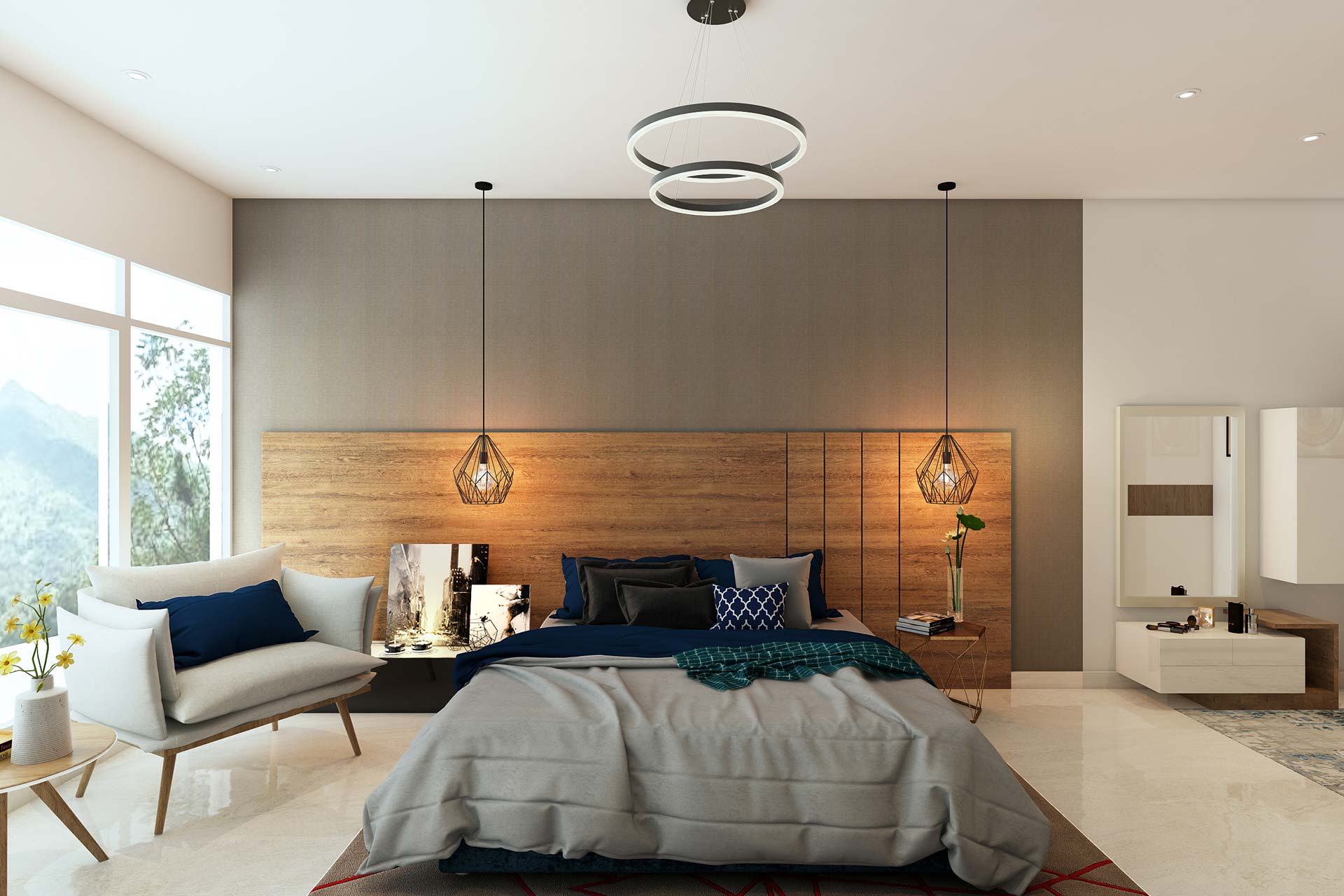
Credit: www.designcafe.com
Common Mistakes To Avoid
Ambient lighting sets the mood in your home. It creates a warm and welcoming space.
Many people make mistakes with ambient lighting. These errors reduce comfort and style.
Overlighting Or Underlighting
Too much light can make rooms feel harsh and cold. Too little light makes them dull and gloomy.
Balance your lighting to avoid glare or shadows. Use dimmers or multiple light sources.
- Overlighting causes eye strain and wastes energy.
- Underlighting makes tasks hard and lowers mood.
- Use softer bulbs for a cozy feel.
- Layer lights to control brightness better.
Ignoring Room Function
Each room has a purpose that affects lighting needs. Kitchen lighting should be bright for cooking.
Living rooms need softer light for relaxing. Bedrooms require calm, dim light for sleeping.
- Match lighting to room tasks.
- Use adjustable lights where needed.
- Think about natural light during the day.
- Choose fixtures that suit room use.
Neglecting Energy Efficiency
Energy-efficient lighting saves money and helps the environment. Old bulbs waste power and cost more.
LED bulbs last longer and use less energy. They come in many colors and brightness levels.
- Choose LED or CFL bulbs.
- Use timers or motion sensors.
- Turn off lights when not needed.
- Pick bulbs with proper brightness.

Credit: tj2lighting.com
Frequently Asked Questions
What Is Ambient Lighting In Home Interiors?
Ambient lighting provides overall illumination in a room. It creates a comfortable brightness level, enhancing the space’s mood and functionality. This type of lighting ensures even light distribution without harsh shadows, making your home interior inviting and cozy.
How To Choose Ambient Lighting For Living Rooms?
Select warm, soft lights to create a relaxing atmosphere in living rooms. Use dimmable fixtures to adjust brightness as needed. Consider ceiling lights, wall sconces, or floor lamps for balanced illumination that complements your furniture and décor style.
Can Ambient Lighting Improve Home Aesthetics?
Yes, ambient lighting enhances home aesthetics by highlighting architectural features and creating a warm ambiance. It adds depth and dimension to interiors. Proper lighting can transform dull spaces into visually appealing areas, boosting the overall look and feel of your home.
Which Bulbs Work Best For Ambient Lighting?
LED bulbs with warm white tones (2700K-3000K) work best for ambient lighting. They offer energy efficiency and long life. Choose bulbs with a high Color Rendering Index (CRI) for natural color appearance and a cozy atmosphere in your interiors.
Conclusion
Ambient lighting creates a warm and cozy home atmosphere. It helps set the right mood for any room. Choose soft, warm bulbs to make spaces feel inviting. Layer your lighting with lamps and ceiling lights for balance. Dimmer switches add control and flexibility to your setup.
Small changes can make a big difference in your home’s look. Try different ideas and see what fits your style best. Enjoy the calm and comfort good lighting brings every day.
