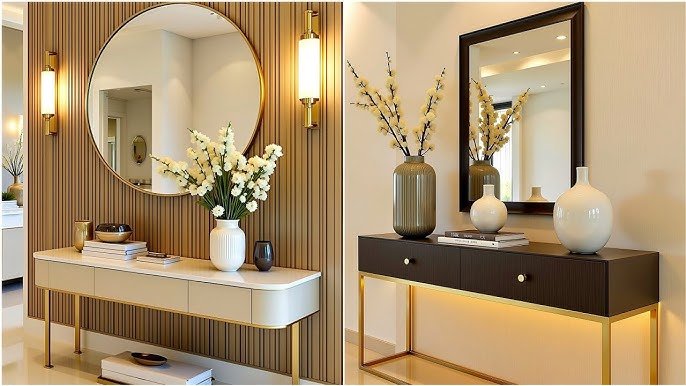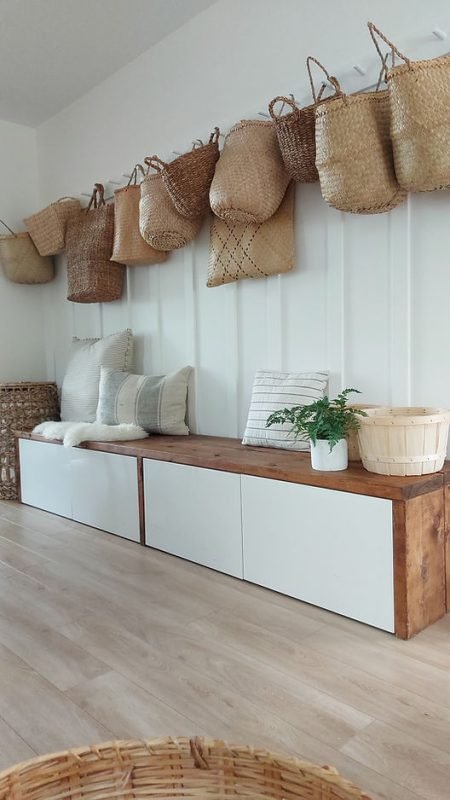
Looking to transform your hallway into a cozy, stylish space without spending a fortune? You’re in the right place.
DIY hallway seating furniture projects give you the power to create something unique that fits your style and needs perfectly. Imagine having a comfy spot to sit while putting on your shoes or a smart storage bench that keeps your hallway neat and tidy.
You’ll discover easy, budget-friendly ideas that anyone can tackle. Ready to add charm and function to your hallway? Let’s dive in!
Choosing The Right Spot
Adding seating to your hallway can make it more useful and welcoming. Picking the perfect spot is key to a comfy and safe setup.
This guide helps you find the best place for your DIY hallway seating project.
Measuring Your Hallway
Measure your hallway carefully to know how much space you have for seating. Note the width and length, and check for any doors or vents.
| Measurement | Details |
| Width | Measure from wall to wall |
| Length | Measure the full hallway length |
| Door Clearances | Allow space for doors to open |
| Obstacles | Note vents, switches, or heaters |
Considering Traffic Flow
Think about how people walk through your hallway. Seating should not block paths or make moving hard.
- Keep at least 36 inches wide for walking space
- Place seating where it does not block doors
- Leave room for turning or carrying items
- Avoid tight corners for seating spots
Lighting And Ambiance
Good lighting makes your seating area inviting and safe. Choose spots with natural light or add lamps for warmth.
- Use soft bulbs to avoid harsh light
- Place a lamp near seating for reading
- Consider wall sconces to save floor space
- Use light colors on walls to brighten space
Materials And Tools
Creating hallway seating furniture is a fun and rewarding project. Choosing the right materials and tools helps you build a sturdy and attractive piece.
This guide covers wood types, finishes, essential tools, and safety tips. These details make your DIY project easier and safer.
Wood Types And Finishes
Pick wood that fits your style and budget. Some woods are strong, while others look nice with a smooth finish.
Finishes protect the wood and make it last longer. They also change the color and shine of your furniture.
- Oak: Very strong and has a nice grain pattern.
- Pine: Softwood, easy to work with and affordable.
- Maple: Hard and smooth, good for painting or staining.
- Walnut: Dark and rich in color, great for elegant pieces.
- Varnish: Adds a clear, shiny layer to protect wood.
- Stain: Changes the wood color while showing the grain.
- Paint: Covers wood fully, allowing many color choices.
Essential Tools For Diy
Using the right tools helps you cut, join, and finish wood easily. Good tools save time and make your project look better.
- Measuring tape: For accurate measurements.
- Hand saw or circular saw: To cut wood pieces.
- Drill and drill bits: To make holes and drive screws.
- Hammer: For nails and assembling parts.
- Screwdrivers: To tighten screws.
- Clamps: To hold pieces together while gluing.
- Sandpaper or power sander: To smooth rough edges.
- Wood glue: For strong joints.
Safety Gear Tips
Safety gear protects you from injuries while working. Always use proper protection for eyes, ears, and hands.
- Safety glasses: Protect your eyes from dust and splinters.
- Ear protection: Use earplugs or earmuffs when using loud tools.
- Dust mask: Prevents breathing in sawdust.
- Gloves: Protect your hands from cuts and splinters.
- Proper clothing: Avoid loose clothes that can get caught in tools.
Simple Bench Designs
Creating hallway seating can add charm and function to your home. Simple bench designs fit well in many spaces. They provide a place to sit or store items.
Choose a bench style that matches your hallway’s look. This guide shows rustic, modern, and upcycled ideas to inspire your project.
Rustic Wooden Benches
Rustic benches bring warmth with natural wood and simple shapes. You can use reclaimed wood or rough-cut lumber. These benches often have a sturdy, handmade feel.
- Use pine or oak for a strong, natural look
- Keep the wood grain visible with a clear finish
- Add chunky legs for a classic rustic style
- Include storage under the seat for shoes or bags
Modern Minimalist Styles
Modern benches focus on clean lines and simple shapes. They often use metal frames with wooden tops. The style is sleek and fits small hallways well.
| Material | Design Feature | Benefit |
| Metal Frame | Thin legs | Lightweight look |
| Wooden Seat | Smooth finish | Comfort and style |
| Neutral Colors | Black, white, gray | Matches many decors |
Upcycled Furniture Ideas
Upcycling old furniture saves money and helps the environment. You can turn old chairs or crates into unique benches. Paint or stain them to refresh the look.
Try these upcycled bench ideas:
- Combine wooden crates with a cushioned top
- Use an old door as a bench seat with sturdy legs
- Attach a bench seat to a repurposed dresser base
:strip_icc()/bhg-entryway-storage_3Egl6p5UqBd9aHYB6vH_LN-70edc09f80ed4b4aaa86ea9f6d06fb0a.jpg)
Credit: www.bhg.com
Storage Seating Solutions
Hallways often lack space for seating and storage. DIY projects can add both with style.
Storage seating furniture helps keep hallways neat and offers a spot to sit.
Built-in Shoe Storage Benches
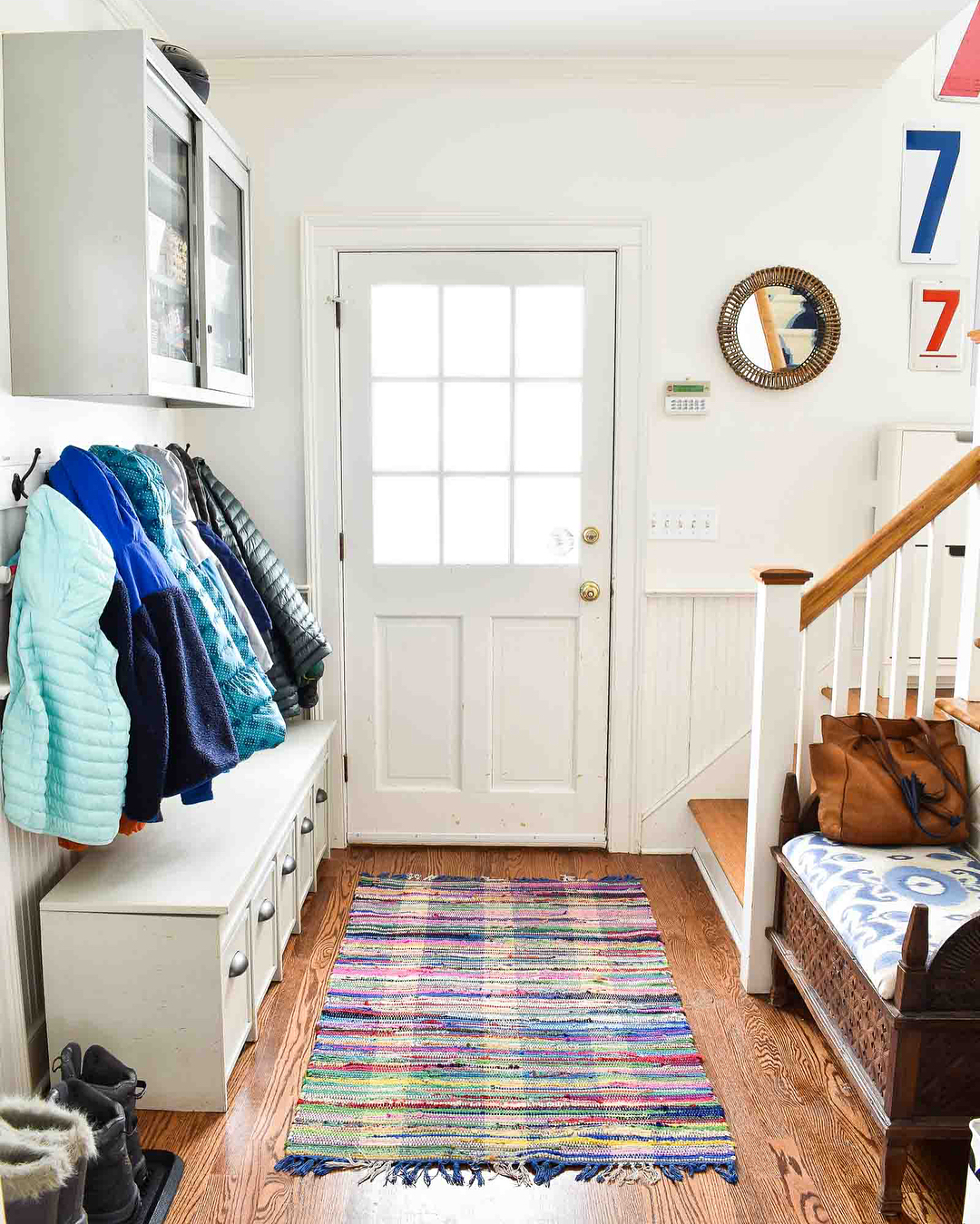
Built-in shoe storage benches combine seating and shoe racks. They fit well in small spaces.
You can make them with wood and paint to match your hallway decor.
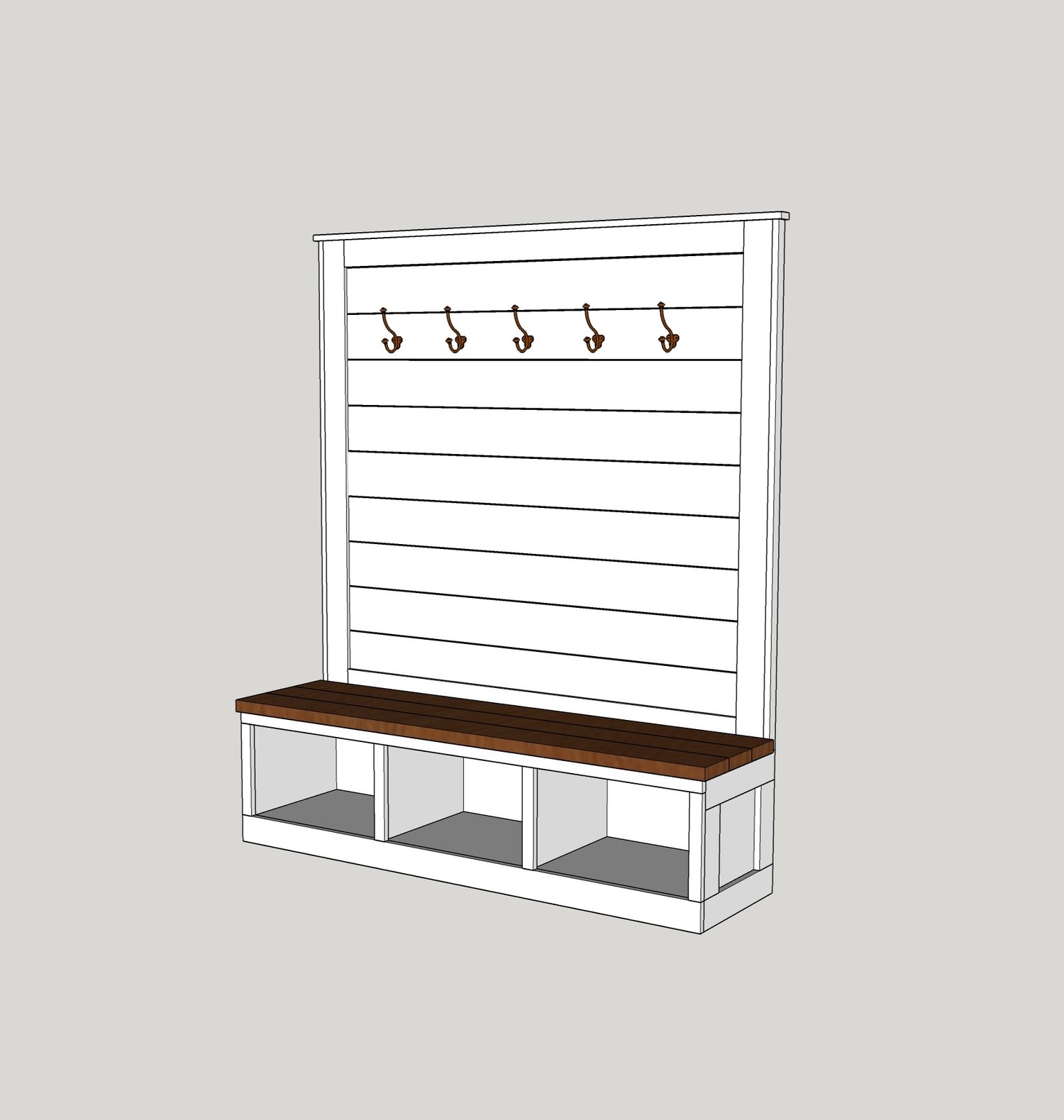
- Use open cubbies or drawers for shoe storage
- Add cushions on top for comfortable seating
- Include hooks nearby for coats and bags
Ottomans With Hidden Compartments
Ottomans with hidden compartments store items inside. They keep clutter out of sight.
These are easy to build with a simple box and a hinged lid or removable top.
- Store scarves, gloves, or hats inside
- Choose soft fabrics for a cozy seat
- Use different sizes to fit your hallway space
Shelving And Seating Combos
Shelving and seating combos offer space for storage and resting. They are versatile.
Build a bench with shelves or cubbies above or below for books and decor.
- Use shelves for baskets or storage bins
- Add seat cushions for comfort
- Paint or stain to match your hallway style
Cushions And Upholstery
Adding cushions and upholstery can make your hallway seating furniture more comfortable. These details also improve the look of your space.
Simple cushions can be made at home with the right fabric and tools. Upholstery can refresh old furniture or build a new cozy seat.
Choosing Fabrics
Pick fabrics that are strong and easy to clean. Hallways often see a lot of use, so durability is key.
Look for materials like cotton, linen, or synthetic blends. These fabrics resist stains and wear well over time.
- Choose fabrics with a tight weave for durability
- Pick colors and patterns that match your hallway style
- Consider water-resistant or stain-proof fabrics for easy care
- Test fabric samples for feel and strength before buying
Diy Cushion Making
Start by measuring your seating area to get the right cushion size. Cut foam or batting to fit your measurements.
Sew fabric covers with zippers or buttons to remove for washing. Use strong thread and double stitch the seams for durability.
- Measure the seat carefully for cushion size
- Choose foam thickness based on comfort needs
- Sew fabric covers with a removable closure
- Stuff cushions evenly for a neat look
Adding Comfort And Style
Layer cushions for extra comfort. Mix and match fabric textures to add style and interest.
Add small pillows or tufted details for a cozy feel. Choose colors that brighten your hallway space.
- Use soft fillings for plush seating
- Combine solid and patterned fabrics for style
- Add trims like piping or buttons for detail
- Keep cushions clean and fluffed for long use
Credit: www.theawesomeorange.com
Decorative Touches
Adding decorative touches to hallway seating can enhance its look. Simple changes can make a big impact.
Explore different techniques to personalize your hallway furniture with style and creativity.
Painting And Staining Techniques
Painting and staining can transform the appearance of your hallway seating. These techniques add color and character.
- Choose a color that complements your hallway.
- Use sandpaper to prepare the surface.
- Apply primer for better paint adherence.
- Consider a protective topcoat for durability.
Adding Hooks And Accessories
Hooks and accessories add functionality and style. They help keep your hallway organized.
Consider these accessory ideas:
- Decorative hooks for keys and bags
- Cushions for extra comfort
- Small baskets for storage
Incorporating Plants And Art
Plants and art bring life and personality to your space. They can make your hallway inviting.
| Element | Benefit |
| Plants | Enhance air quality |
| Art | Adds color and interest |
| Mirrors | Create the illusion of space |
Maintenance And Durability
Taking care of your hallway seating furniture is essential for long-lasting use. Learn how to maintain its beauty and durability.
Simple care routines can keep your furniture looking new. Read on for cleaning, protection, and repair tips.
Cleaning Tips
Regular cleaning prevents dirt buildup and extends your furniture’s life. Use the right methods to keep it clean.
- Dust surfaces weekly using a soft cloth.
- For stains, use a mild soap and water solution.
- Avoid harsh chemicals that can damage finishes.
Protecting Your Furniture
Protect your furniture from wear and tear. Simple actions can prevent damage and maintain its condition.
Consider using furniture pads to prevent scratches on floors. Place furniture away from direct sunlight to avoid fading.
Repairing Common Issues
Over time, furniture may need repairs. Address issues promptly to avoid further damage.
| Issue | Solution |
| Loose screws | Tighten with a screwdriver |
| Wobbly legs | Use wood glue to secure |
| Scratches | Apply matching wood polish |
Credit: www.extraspace.com
Frequently Asked Questions
What Materials Are Best For Diy Hallway Seating Furniture?
Wood and plywood are popular for DIY hallway seating. They are sturdy, easy to work with, and affordable. Upholstery fabric adds comfort and style. Choose moisture-resistant finishes for durability in high-traffic hallways. Combining wood and cushioned tops creates functional, attractive seating.
How Can I Maximize Storage In Hallway Seating Projects?
Incorporate built-in drawers or shelves under the seat. Use lift-up seats for hidden storage space. Choose narrow designs to fit tight hallways. Adding baskets or bins inside compartments keeps items organized. Storage seating helps reduce clutter and optimizes small spaces efficiently.
What Tools Do I Need For Hallway Seating Diy Projects?
Basic woodworking tools like saws, drills, and screwdrivers are essential. Sandpaper and clamps ensure smooth finishes and secure joints. Measuring tape and level help with precision. Paintbrushes or rollers are needed for painting or staining the furniture. Safety gear like gloves and goggles is recommended.
How Long Does It Take To Build Diy Hallway Seating?
Most simple projects take between 4 to 8 hours. Complex designs with storage or upholstery may take longer. Time depends on skill level, tools, and materials. Planning and preparation can reduce overall build time. Break the project into steps for easier completion.
Conclusion
Creating your own hallway seating adds charm and function. Simple materials and tools bring great results. Each project fits different spaces and styles. Enjoy a cozy spot for shoes or bags. Personalized seats make hallways feel warm and welcoming. Try a project soon and see the difference.
Small changes can brighten your home’s entrance. DIY seating saves money and shows your creativity. Start with easy steps and build confidence fast. Your hallway can be both useful and stylish.