Are you struggling to create a home office that feels both comfortable and productive? The way you arrange your furniture can make a huge difference in your focus, energy, and even your mood.
Imagine walking into a space that instantly sparks your creativity and helps you get more done with less stress. You’ll discover simple, smart home office furniture arrangement ideas that transform your workspace into a powerhouse of efficiency and comfort. Ready to unlock your best work-from-home setup?
Keep reading—you won’t want to miss these game-changing tips.

Credit: www.digsdigs.com
Choosing The Right Desk
Picking the right desk is key for a good home office. Your desk should fit your space and work style.
Consider size, shape, and health benefits when choosing a desk. The right desk helps you stay focused and comfortable.
Compact Desks For Small Spaces
Compact desks save space while giving you enough room to work. They fit well in tight spots like apartments or small rooms.
- Look for desks with built-in shelves to store supplies.
- Choose foldable or wall-mounted desks to free floor space.
- Pick light colors to make the area feel bigger.
L-shaped Desks For Corner Use
L-shaped desks fit nicely in corners. They give you more surface area without using much room.
| Feature | Benefit |
|---|---|
| Corner fit | Utilizes unused space |
| Large work surface | Allows multitasking |
| Multiple drawers | Extra storage options |
Standing Desks For Health
Standing desks let you work while standing. They reduce back pain and boost energy.
Try these tips for using a standing desk:
- Alternate sitting and standing every 30 minutes.
- Use an anti-fatigue mat for comfort.
- Keep the monitor at eye level.
- Wear comfortable shoes.

Credit: www.digsdigs.com
Optimal Chair Selection
Choosing the right chair is key for a comfortable home office. It helps maintain good posture and reduces fatigue.
A well-selected chair supports your back and fits your workspace style.
Ergonomic Features To Look For
An ergonomic chair protects your health during long work hours. Look for lumbar support to keep your lower back steady.
- Adjustable seat height to match desk level
- Backrest that supports the natural curve of your spine
- Armrests to reduce shoulder strain
- Swivel base for easy movement
- Breathable fabric to keep you cool
Adjustability And Comfort
| Feature | Benefit |
| Seat Height | Fits desk height and keeps feet flat on floor |
| Backrest Tilt | Allows small recline to reduce back pressure |
| Armrest Position | Supports arms to prevent shoulder pain |
| Seat Depth | Prevents pressure behind knees |
Test the chair before buying. Sit for a few minutes to check comfort and adjustability.
Styles That Match Your Space
Your chair should blend with your home office decor. Choose a style that fits your room’s look.
Consider these popular chair styles:
- Modern:Clean lines and neutral colors for a sleek look.
- Classic:Rich materials like leather with traditional shapes.
- Minimalist:Simple design with a focus on function.
- Colorful:Bright fabrics to add a pop of color.
Smart Storage Solutions
Organizing your home office boosts productivity and reduces stress. Smart storage solutions help keep your workspace tidy and efficient.
Using the right furniture and storage ideas can make your office more comfortable and functional. Let’s explore some smart storage options.
Vertical Shelving Units
Vertical shelving units use wall space to store books, files, and office tools. They keep your desk clear and create more room to work.
Choose shelves with adjustable heights to fit different items. Open shelves allow easy access, while closed cabinets hide clutter.
Under-desk Storage Options
Under-desk storage keeps essentials close but out of sight. It helps maintain a clean desktop and uses space that often goes unused.
- Rolling drawers for files and stationery
- Mounted trays for papers and documents
- Hooks for headphones or bags
- Compact filing cabinets on wheels
Multi-functional Furniture
Multi-functional furniture saves space by combining storage and work surfaces. It suits small offices and helps keep things organized.
| Furniture Type | Storage Features | Benefits |
| Desk with Built-in Shelves | Books, gadgets, small items | Easy access, saves floor space |
| Fold-Out Wall Desk | Hidden shelves and compartments | Compact, folds when not in use |
| Storage Ottoman | Files, office supplies | Extra seating, hidden storage |
Lighting For Productivity
Good lighting improves focus and reduces tiredness in your home office. Bright and proper light helps you work better and feel more alert.
Choosing the right lighting setup is key to creating a productive workspace. Let’s explore ways to use light effectively.
Natural Light Positioning
Place your desk near windows to use natural light. Natural light boosts mood and helps keep your energy up during work hours.
Avoid direct sunlight on your computer screen. It causes glare and makes it hard to see clearly.
Task Lighting Ideas
Use task lighting to focus light on your work area. A good desk lamp helps reduce shadows and eye strain.
- Adjustable desk lamps allow you to direct light where needed.
- LED bulbs offer bright, energy-efficient light for long hours.
- Choose lamps with warm white light to keep a calm work atmosphere.
Reducing Glare And Eye Strain
| Tip | How It Helps |
|---|---|
| Use matte screen protectors | Reduces reflections on your monitor |
| Position lights to the side | Prevents direct light in your eyes |
| Take regular breaks | Gives your eyes rest and lowers fatigue |
Space-saving Layouts
Arranging home office furniture well can save space. A small area can feel large with the right layout.
Good furniture placement helps keep work and rest areas separate. This balance improves focus and comfort.
Zoning Work And Relaxation Areas
Separate your workspace from your rest space to stay productive. Use furniture to mark these zones clearly.
A small shelf or screen can divide the room. This keeps work clutter away from relaxing spots.
- Place your desk near a window for natural light
- Use a comfy chair or small sofa for breaks
- Add rugs or plants to define each zone
Using Room Corners Effectively
Corners are great for desks and storage. They use space that is often empty and wasted.
Corner desks give you more surface area while taking less room. Shelves in corners keep supplies handy.
- Choose L-shaped desks for corner fit
- Install floating shelves above desks
- Use corner filing cabinets or drawers
Open Vs. Closed Layouts
Open layouts make rooms feel larger and bright. Closed layouts give more privacy and less noise.
Pick open layouts if you like natural light and space. Choose closed layouts to reduce distractions and separate work.
- Open layout: Desk in center or near windows
- Closed layout: Use partitions or room dividers
- Closed layout: Place desk away from main traffic

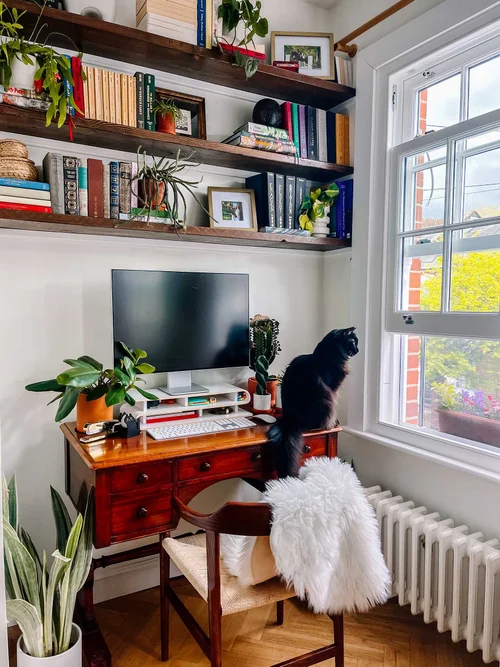
Credit: www.hgtv.com
Cable Management Tips
Organizing cables in your home office can be a challenge. Tidy cables make your workspace look clean and professional. Here are some useful tips to manage cables effectively.
Hiding And Organizing Cords
Cords can be an eyesore in any home office. Hiding them creates a neat and pleasing environment. Use simple solutions to keep cords out of sight.
- Run cords along the back of your desk.
- Use fabric sleeves to bundle cords together.
- Place a power strip under the desk to keep plugs hidden.
Using Cable Trays And Clips
Cable trays and clips are great for organizing cables. They prevent cords from tangling and keep them in place. These tools make managing cables easier and more efficient.
- Attach cable trays to the underside of your desk.
- Use clips to guide cables along the desk’s edge.
- Label cords with tags for easy identification.
Maintaining A Tidy Workspace
A clean workspace boosts productivity and focus. Regularly check and rearrange cables to keep your office neat. Simple habits help maintain an organized environment.
- Unplug unused devices to reduce cable clutter.
- Dust and clean around cables to keep the area tidy.
- Schedule routine checks to ensure cables are in order.
Incorporating Personal Touches
Creating a home office that feels personal boosts productivity. Personal touches make your space inviting and unique.
Simple changes can transform your workspace. Adding personal elements reflects your style and personality.
Adding Plants And Greenery
Plants bring life to your home office. They improve air quality and add color.
Choose easy-to-care-for plants. Place them where you can see and enjoy them.
- Snake plant requires low light
- Succulents need minimal water
- Spider plant purifies the air
Art And Inspirational Decor
Art boosts creativity in your workspace. Choose pieces that inspire and motivate you.
Display art that reflects your interests. Inspirational quotes can uplift your mood.
- Hang a favorite painting
- Use a motivational poster
- Display personal photos
Functional Accessories
Functional accessories keep your office organized. They can also add a personal touch.
Choose items that are both practical and stylish. They help you work efficiently and look good.
- A stylish desk organizer
- An ergonomic chair for comfort
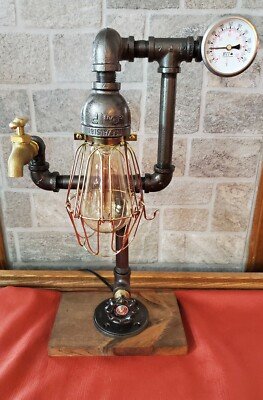
- A unique lamp for proper lighting
Frequently Asked Questions
How Do I Arrange Furniture In A Small Home Office?
Maximize space by using compact desks and vertical storage. Place the desk near natural light. Use multifunctional furniture to keep the area clutter-free and efficient.
What Is The Best Desk Position For Productivity?
Position your desk facing a window or away from distractions. This setup boosts focus and natural light exposure. Avoid placing the desk with your back to the door.
How Can I Create Ergonomic Home Office Furniture Layout?
Ensure your chair and desk height support good posture. Keep your monitor at eye level. Allow enough legroom and use adjustable furniture to reduce strain.
What Are Space-saving Furniture Ideas For Home Offices?
Opt for wall-mounted shelves and foldable desks. Use corner desks to utilize unused corners. Choose storage solutions that double as seating or work surfaces.
Conclusion
A well-arranged home office boosts focus and comfort. Choose furniture that fits your space and needs. Keep your desk clear and add good lighting. Place your chair where you can work without strain. Small changes create a big difference in your workday.
Try different layouts until you find what feels right. A neat space helps your mind stay calm and sharp. Start arranging today to enjoy a better home office tomorrow.