
Are you looking to bring charm and personality into your living room? Vintage art can do just that, turning your space into a warm, inviting haven.
But placing these pieces just anywhere won’t give you the impact you want. How you display your vintage art can completely change the feel of your room. You’ll discover simple, smart ways to arrange your vintage living room art so it catches the eye and tells your unique story.
Keep reading to transform your walls into a stunning focal point that truly reflects your style.
Choosing The Right Wall
Choosing the right wall is important for showing vintage living room art well. The wall should highlight the artwork and fit with the room’s style.
Look for a wall that can hold the art safely and makes it easy to see. The right wall helps the art become part of the room’s look.
Focal Points For Art
The wall you pick should be a natural focal point. This means it draws attention and makes the art stand out.
Good focal walls are often above a sofa, fireplace, or a big piece of furniture. These spots help the art get noticed quickly.
- Above the sofa for easy viewing
- Over the fireplace to add charm
- Near entryways to catch the eye
- Large walls with simple backgrounds
Balancing Wall Space
Balance means the art fits well on the wall without crowding or looking lost. It should match the wall size and room shape.
Use space around the art to keep the room feeling open. Too many pieces close together can feel busy and messy.
- Leave space around the art for breathing room
- Match art size to the wall’s width and height
- Group small pieces with enough gaps
- Avoid placing art too high or too low
Selecting Vintage Art Pieces
Choosing vintage art for your living room adds charm and character. It creates a warm, inviting space full of stories.
Focus on art that matches your taste and the room’s atmosphere. This guide helps you pick pieces that fit well.
Types Of Vintage Art
Vintage art comes in many forms. Popular types include paintings, prints, posters, and photographs.
- Oil paintings with rich textures and colors
- Black and white or sepia-toned photographs
- Graphic posters from past decades
- Hand-painted ceramics and tiles
- Antique maps and botanical prints
Mixing Styles And Eras
Combining different styles and time periods creates a unique look. It shows personality and creativity.
| Style | Era | Effect |
| Art Deco | 1920s–1930s | Bold shapes, luxury feel |
| Mid-Century Modern | 1940s–1960s | Clean lines, simple forms |
| Victorian | 1800s | Ornate details, rich colors |
| Pop Art | 1950s–1970s | Bright colors, playful themes |
Mixing eras works best when colors or themes connect. Balance large and small pieces for harmony.
Optimal Art Arrangement
Placing vintage art in your living room helps create a warm, inviting space. Good art arrangement makes the room feel balanced and stylish.
Choosing the right layout for your art is important. It can enhance your room’s look and highlight your favorite pieces.
Symmetrical Vs Asymmetrical Layouts
Symmetrical layouts have art arranged evenly on each side. They bring order and calm to the room.
Asymmetrical layouts mix different sizes and shapes. They create a more casual and creative feel.
- Symmetrical layouts suit traditional vintage styles
- Asymmetrical layouts add interest to modern vintage rooms
- Symmetry feels balanced and neat
- Asymmetry feels dynamic and personal
Gallery Wall Ideas
A gallery wall displays many vintage art pieces together. It makes a bold statement in your living room.
Arrange art by theme, size, or frame color. This keeps the wall looking organized and pleasing.
- Use matching frames for a unified look
- Mix different frame styles for an eclectic feel
- Start with a large piece in the center
- Fill spaces with smaller pieces around it
- Keep consistent spacing between frames
:strip_icc():focal(1599x2759:1601x2761)/bhg-yellow-sofa-gallery-wall_EKTZm6U74ENBEtvjj9LtZk-bec8069f20fc4862bd0345de97e11638.jpg)
Credit: www.bhg.com
Height And Spacing Tips
Placing vintage art in your living room needs careful thought. The right height and space make your display look balanced.
Good placement helps each piece stand out and complements your room’s style.
Eye-level Positioning
Hang art so the center is at eye level for most people. This is usually about 57 to 60 inches from the floor.
This position makes the art easy to view without straining your neck or eyes.
- Measure from the floor to the middle of your artwork
- Adjust for furniture height if art hangs above a sofa or table
- Keep consistent height if hanging multiple pieces
Spacing Between Pieces
Leave enough space between art pieces to avoid clutter. This helps each item get attention.
Spacing depends on the wall size and the number of artworks you display.
- Small collections: 2 to 4 inches apart
- Larger groups: 4 to 6 inches apart
- Keep spacing even for a neat look
- Adjust space if art varies in size
Complementing With Furniture
Placing vintage art in your living room can brighten the whole space. The furniture you choose helps highlight the art’s charm.
Matching art and furniture styles makes the room feel balanced and inviting. This guide shows how to do it well.
Matching Art With Vintage Furniture
Match the style of your art with the vintage furniture in the room. Similar styles create a unified look that feels natural.
Look for colors and shapes in the furniture that appear in the artwork. This helps the pieces connect without clashing.
- Choose art with colors that match upholstery or wood tones
- Pick frames that echo the wood or metal finish of furniture
- Use art themes that fit the furniture style, like floral for Victorian chairs
Creating Visual Flow
Visual flow guides the eye smoothly around the room. It makes the space look calm and connected.
Arrange art and furniture so they lead the eye naturally from one piece to another. Avoid placing items randomly.
- Place art at eye level above key furniture pieces
- Use symmetry to balance the room’s layout
- Group smaller art pieces near a vintage sofa or table
- Leave some empty space to avoid clutter
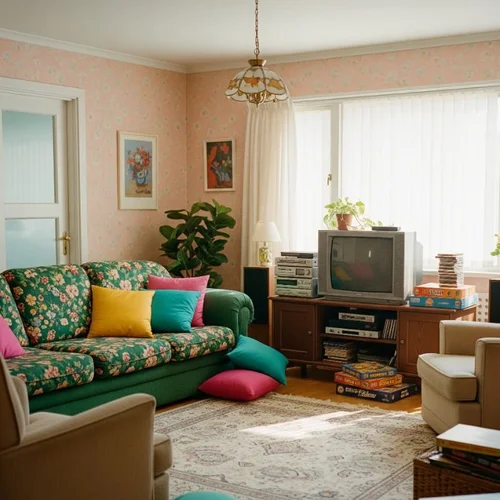
Credit: www.lorddecor.com
Lighting For Vintage Art
Lighting can change the way vintage art appears in a living room. Proper lighting highlights colors and details, bringing art to life.
Choosing the right lighting makes vintage pieces stand out. It can also protect delicate materials from damage.
Types Of Lighting
Different types of lighting can enhance the beauty of vintage art. Understanding the options helps in selecting the best for your space.
- Ambient Lighting: Provides general illumination, setting the room’s mood.
- Task Lighting: Focuses on specific areas, ideal for reading or detail work.
- Accent Lighting: Highlights specific art pieces, drawing attention to their beauty.
Highlighting Details
Highlighting details in vintage art requires careful lighting placement. This ensures the art is seen in its best light.
| Lighting Type | Best Use |
| Ambient | General room atmosphere |
| Task | Close-up work or reading |
| Accent | Focusing on art pieces |
Preserving Vintage Art
Vintage art adds character to any living room. Preserving it ensures its beauty lasts for years.
Proper care of vintage art involves protecting it from damage. Let’s explore how to do this.
Avoiding Sun Damage
Sunlight can fade and damage vintage art. Keep art away from direct sunlight to preserve its colors.
- Place art on walls that do not face windows
- Use curtains or blinds to block sunlight
- Consider UV-filtering glass for framed art
Proper Framing Techniques
Framing protects art and enhances its appearance. Use acid-free materials to prevent damage.
Ensure frames are sturdy and match the art style.
| Framing Material | Benefit |
| Wood | Durable and classic |
| Metal | Modern and sleek |
| Plastic | Lightweight and affordable |

Credit: www.julieannrachelle.com
Frequently Asked Questions
What Is The Best Height For Vintage Art Display?
The ideal height for vintage art is eye level, around 57-60 inches from the floor. This ensures comfortable viewing and enhances room aesthetics. Centering artwork at this height creates balance and highlights the vintage pieces effectively in your living room.
How To Arrange Multiple Vintage Art Pieces Together?
Group vintage artworks by theme, color, or size for cohesion. Use a gallery wall layout with even spacing between frames. Mixing frame styles can add charm but keep a consistent color palette to maintain harmony in your living room display.
Which Wall Is Ideal For Vintage Art Placement?
Choose a focal wall, such as above the sofa or fireplace, for vintage art. This draws attention and anchors the room’s design. Avoid cluttered or busy walls to let the vintage pieces stand out and enhance your living room’s vintage vibe.
Can Vintage Art Complement Modern Living Rooms?
Yes, vintage art adds character and contrast in modern spaces. Pairing vintage pieces with contemporary furniture creates a unique, eclectic look. Use neutral walls and minimalistic décor to highlight vintage art without overwhelming the room’s modern style.
Conclusion
Vintage living room art displays add charm and personality to any space. Place your art thoughtfully to balance style and comfort. Choose wall space that draws attention without crowding the room. Mix sizes and frames for a unique, timeless look.
Let your art tell stories and bring warmth inside. Small changes create big impacts. Enjoy the cozy, nostalgic feel your art brings. Your vintage collection deserves a spot that shines.
