Are you looking to transform your living room without a complete makeover? Wall paneling might be exactly what you need.
It adds texture, style, and a cozy feel to your space, making your living room truly inviting. Whether you prefer modern, rustic, or classic looks, the right wall paneling can change everything. Keep reading to discover inspiring ideas that will help you create a living room you’ll love spending time in.
Your perfect wall makeover starts here.
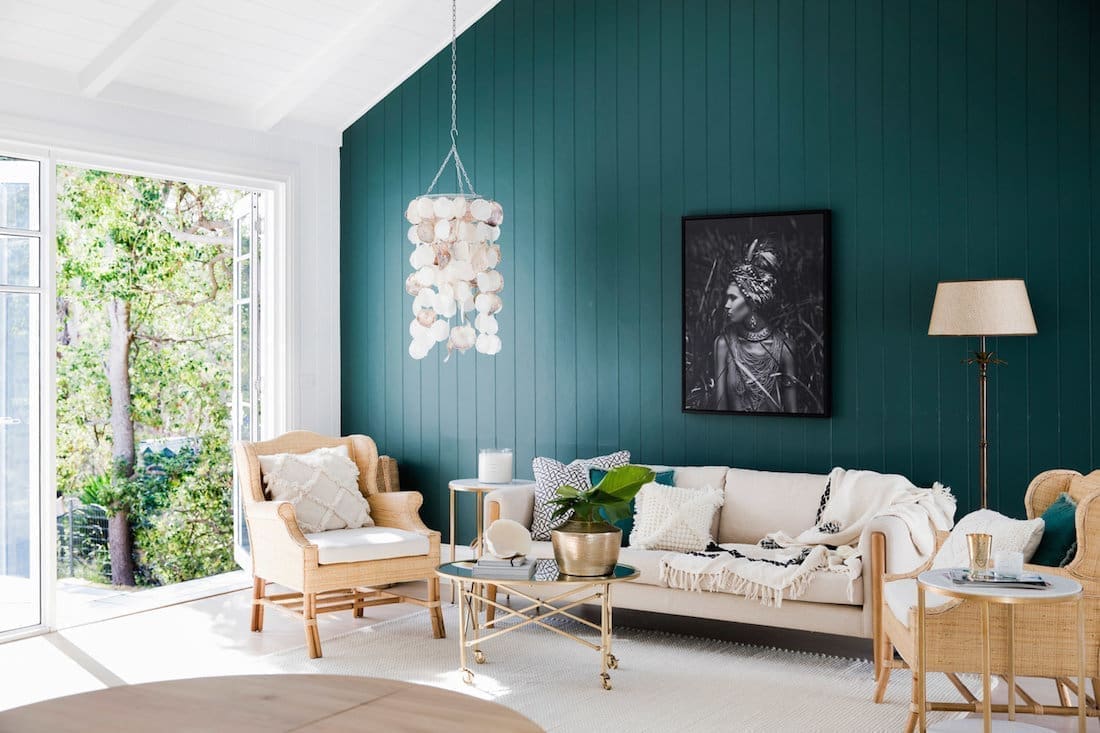
Classic Wood Panels
Classic wood panels add timeless beauty to living rooms. They bring natural charm and a cozy feel.
Wood paneling works well in many styles. It creates a warm, inviting space for family and guests.
Rich Tones For Warmth
Rich wood tones make a room feel warm and welcoming. Dark browns and deep reds add depth.
Warm tones match well with soft lighting. They create a cozy atmosphere for relaxing or chatting.
Textured Finishes
Textured wood panels add interest and style to walls. They show off the wood’s natural grain and knots.
Rough or smooth finishes change the room’s feel. Textured panels can be rustic or elegant.
Mixing Wood With Modern Decor
Classic wood panels work well with modern furniture. The mix creates a balanced and fresh look.
Combine wood with metal, glass, or bold colors. This blend keeps the space stylish and warm.
- Use wood panels behind a sleek sofa
- Add metal lamps for contrast
- Choose colorful cushions to brighten wood tones
Credit: stylecurator.com.au
Modern Minimalist Panels
Modern minimalist wall panels create a sleek and calming living room. They focus on simple shapes and subtle textures.
These panels bring style without crowding the space. They fit well with many decorating themes.
Clean Lines And Smooth Surfaces
Panels with clean lines and smooth surfaces add a neat look. They avoid extra details to keep the room peaceful.
- Flat panels with no carvings
- Seamless joins between panels
- Matte or satin finishes
- Simple geometric shapes
Neutral Colors For Calm
Using neutral colors helps the room feel calm and open. Soft tones work best in minimalist designs.
| Color | Effect |
| White | Brightens space, feels clean |
| Beige | Warm and inviting |
| Light Gray | Modern and subtle |
| Soft Taupe | Earthy and gentle |
Incorporating Hidden Storage
Hidden storage keeps the living room tidy. It hides items while staying part of the panel design.
Benefits of Hidden Storage in Wall Panels:
- Keeps clutter out of sight
- Maintains smooth wall surfaces
- Uses space efficiently
- Blends storage with decor
Bold Accent Walls
Bold accent walls add strong style to your living room. They create a focal point that draws attention and sets the mood.
Using wall paneling for accent walls offers texture and depth. It makes the space feel unique and inviting.
Vibrant Colors And Patterns
Bright colors and bold patterns bring life to any living room. Choose shades that match your personality and decor style.
- Deep blues and emerald greens create calm but strong accents.
- Rich reds and oranges add warmth and energy.
- Patterned panels with stripes or florals give visual interest.
- Mix and match colors for a playful look.
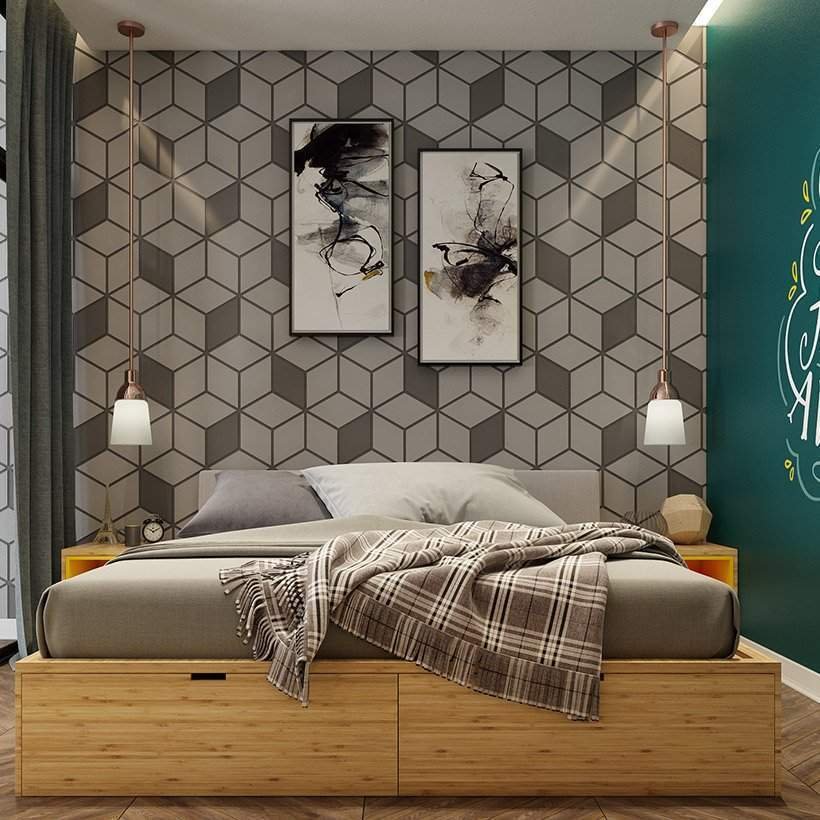
Geometric Panel Designs
Geometric shapes add a modern touch to wall panels. Triangles, hexagons, and diamonds create a stylish texture.
| Shape | Effect |
| Triangles | Sharp and dynamic look |
| Hexagons | Patterned and balanced design |
| Diamonds | Elegant and eye-catching |
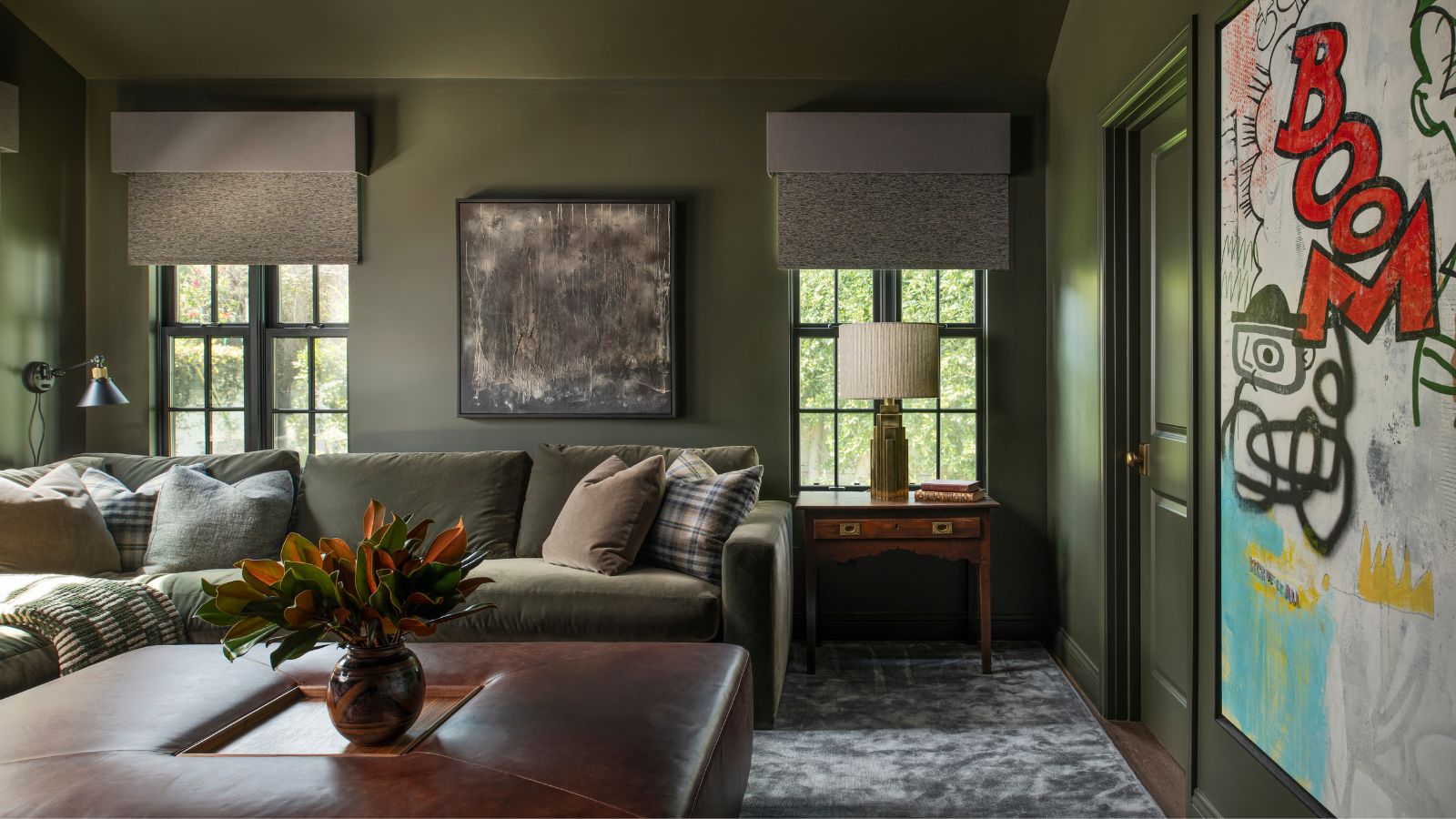
Combining Panels With Artwork
Panels and art together create a stunning wall display. Art adds personality while panels provide a rich background.
Tips for pairing panels with art:
- Use neutral panels to highlight colorful paintings.
- Match panel textures with frame styles.
- Place sculptures on floating shelves on paneled walls.
- Choose large artwork to cover bold panels for balance.
Credit: www.homesandgardens.com
3d Wall Panels
3D wall panels add a new look to living rooms. They create depth and style on flat walls.
These panels come in many shapes and patterns. They make your room feel warm and inviting.
Creating Depth And Texture
3D wall panels create depth by casting shadows on walls. The raised designs add texture you can see and touch.
- Wave patterns for a flowing look
- Geometric shapes for a modern style
- Natural forms like leaves or stones for a cozy feel
- Repeating patterns for a bold statement
Materials And Finishes
Materials affect the look and feel of 3D panels. Choose one that fits your room’s style and needs.
| Material | Finish | Benefits |
| MDF (Medium-Density Fiberboard) | Painted or laminated | Easy to paint, affordable |
| PVC (Polyvinyl Chloride) | Glossy or matte | Water-resistant, lightweight |
| Bamboo | Natural or stained | Eco-friendly, warm look |
| Gypsum | Textured or smooth | Fire-resistant, good sound insulation |
Lighting To Enhance Effects
Lighting makes 3D panels stand out. It highlights their shapes and adds shadows for more depth.
- Use spotlights angled to create shadow play.
- Install LED strips above or below panels for soft lighting.
- Try colored lights to change the mood.
- Combine natural light with artificial for balanced effects.
Eco-friendly Options
Choosing eco-friendly wall panels helps protect the environment. It also adds a natural look to your living room.
There are many materials that reduce waste and use less energy. These options support a greener home.
Recycled Materials
Recycled wall panels reuse old materials like wood, plastic, and metal. This lowers landfill waste and saves trees.
- Panels made from recycled wood fibers
- Plastic panels created from recycled bottles
- Metal sheets that use scrap metal
- Composite panels from mixed recycled materials
Sustainable Wood Choices
Sustainable wood comes from forests that are carefully managed. This means trees are replanted and wildlife is protected.
| Wood Type | Source | Benefits |
| Bamboo | Fast-growing grass | Renewable and strong |
| Cork | Bark of cork oak | Harvested without cutting tree |
| FSC Certified Pine | Managed forests | Supports forest health |
Natural Fiber Panels
Natural fibers like jute, hemp, and sisal create textured wall panels. They are biodegradable and use little energy to produce.
Examples of natural fiber panels include:
- Woven jute mats pressed into panels
- Hemp fiber boards with natural resin
- Sisal grass panels for a rustic feel
Mixing Materials
Wall paneling can change a living room’s look and feel. Mixing materials adds depth and style.
Combining different textures and colors creates a unique and inviting space. Choose materials that balance each other well.
Wood And Metal Combinations
Wood and metal together bring warmth and edge to your walls. Wood offers natural beauty, while metal adds a modern touch.
- Use reclaimed wood panels with black iron accents.
- Mix light wood with brushed steel strips for contrast.
- Combine dark wood slats with copper inlays for a rich look.
Glass And Mirror Inserts
Glass and mirrors reflect light and open up the room. They add brightness and a sense of space.
| Type | Effect | Best Use |
| Frosted Glass | Softens light | Accent panels |
| Mirrored Tiles | Creates depth | Feature walls |
| Clear Glass | Highlights textures behind | Layered designs |
Stone And Concrete Elements
Stone and concrete offer a strong, natural look. They bring an organic feel and solid texture to the walls.
Tips for Using Stone and Concrete
- Pair rough stone with smooth concrete for balance.
- Use light concrete to brighten dark rooms.
- Combine polished stone with matte concrete for contrast.
Diy Paneling Ideas
Wall paneling adds style and texture to your living room. You can create it yourself with easy methods and materials.
DIY paneling lets you refresh your space without spending much. Use simple tools and your creativity.
Affordable Materials
Choose materials that fit your budget but look good. Many options are easy to find and work with.
- Plywood sheets: inexpensive and smooth to paint
- Shiplap boards: add a rustic touch
- Medium-density fiberboard (MDF): perfect for smooth surfaces
- Beadboard panels: classic and simple
- Reclaimed wood: eco-friendly and unique
Simple Installation Tips
Installing paneling can be quick with these easy tips. You don’t need to be a professional.
- Measure your wall and cut panels to size.
- Prepare the wall by cleaning and smoothing the surface.
- Use a level to mark where panels will go.
- Attach panels with nails or adhesive.
- Fill gaps and nail holes with wood filler.
- Sand rough spots before painting or staining.
Customizing With Paint And Stencils
Paint and stencils let you add personality to your paneling. Choose colors and patterns that match your style.
| Technique | Effect |
| Solid color paint | Clean and modern look |
| Two-tone paint | Adds depth and interest |
| Stencil patterns | Creates unique designs |
| Distressing paint | Gives a vintage feel |
Lighting And Wall Panels
Wall panels add style and texture to living rooms. Good lighting makes panels stand out and look inviting.
Using the right light with wall panels can change the room’s feel. It can highlight details or create soft moods.
Integrated Led Strips
Integrated LED strips fit behind or inside wall panels. They give even, soft light along the walls.
These strips show off panel shapes and add a modern touch to your living room.
- Use warm white LEDs for cozy feeling
- Choose cool white for a bright, clean look
- Place strips along edges or behind panels
- Dimmable LEDs let you change brightness easily
Spotlights For Texture
Spotlights focus light on textured wall panels. This makes patterns and materials more visible.
Angle spotlights to create shadows that add depth to the wall design.
- Use adjustable spotlights for flexible lighting
- Highlight wood grain, stone, or fabric textures
- Combine with other lights for layered effects
Creating Mood With Light
Lighting changes how you feel in a room. Use wall panels with soft light to make a relaxing space.
Colored LEDs or dim lights help set different moods for day and night.
- Dim lights to calm the room in the evening
- Use warm tones for comfort and coziness
- Try color-changing LEDs for fun or special events
Credit: www.homesandgardens.com
Frequently Asked Questions
What Are Popular Wall Paneling Materials For Living Rooms?
Popular materials include wood, MDF, PVC, and fabric panels. Wood offers warmth and texture. MDF is cost-effective and versatile. PVC suits moisture-prone areas. Fabric panels add softness and sound absorption, enhancing living room comfort and style.
How Can Wall Paneling Enhance Living Room Aesthetics?
Wall paneling adds depth, texture, and character to living spaces. It highlights architectural features and creates focal points. Different patterns and finishes can complement various décor styles, making your living room more inviting and visually appealing.
Is Wall Paneling Suitable For Small Living Rooms?
Yes, wall paneling can visually expand small rooms. Light colors and vertical patterns create an illusion of height and space. Choose sleek, minimalist designs to avoid overwhelming the room, keeping it open and airy.
How Do I Maintain And Clean Living Room Wall Panels?
Maintenance depends on material. Dust wood or MDF panels regularly with a soft cloth. Use mild soap and water for PVC panels. Avoid harsh chemicals to preserve finishes. Regular cleaning keeps panels looking fresh and extends their lifespan.
Conclusion
Wall paneling brings warmth and style to your living room. It adds texture and depth to plain walls. Choose colors and patterns that match your taste. Wood, vinyl, or fabric panels each offer unique looks. Small changes can make a big difference in your space.
Try mixing styles for a fresh, modern feel. Paneling also protects walls from damage. Your living room can feel cozy and inviting. Start with one wall, then explore more options. Enjoy creating a space that reflects your personality.