Are you looking to add style and function to your space without clutter? Minimalist floating shelves might be exactly what you need.
But where you place them can make all the difference in how your room feels and flows. You’ll discover simple, smart tips to position your floating shelves perfectly. Whether you want to showcase your favorite items or keep things clean and open, these ideas will help you transform your walls effortlessly.
Keep reading to unlock the secrets of minimalist floating shelf placement that works for your home.
Choosing The Right Room
Minimalist floating shelves add style and function to any space. Choosing the right room helps you use them well.
Each room has unique needs. The shelf’s place should match the room’s purpose and look.
Living Room Elegance
In the living room, floating shelves hold books and decor. They keep the space open and neat.
Place shelves near seating or on empty walls. Use simple items to keep the look clean.
- Display small plants or art pieces
- Store favorite books or magazines
- Keep shelves low to avoid blocking views
Bedroom Serenity
Floating shelves in bedrooms hold personal items. They help keep nightstands clear and organized.
Place shelves above the bed or near the dresser. Use soft colors for calm and peace.
- Store alarm clocks or small lamps
- Display photos or keepsakes
- Use shelves for extra storage without crowding
Kitchen Functionality
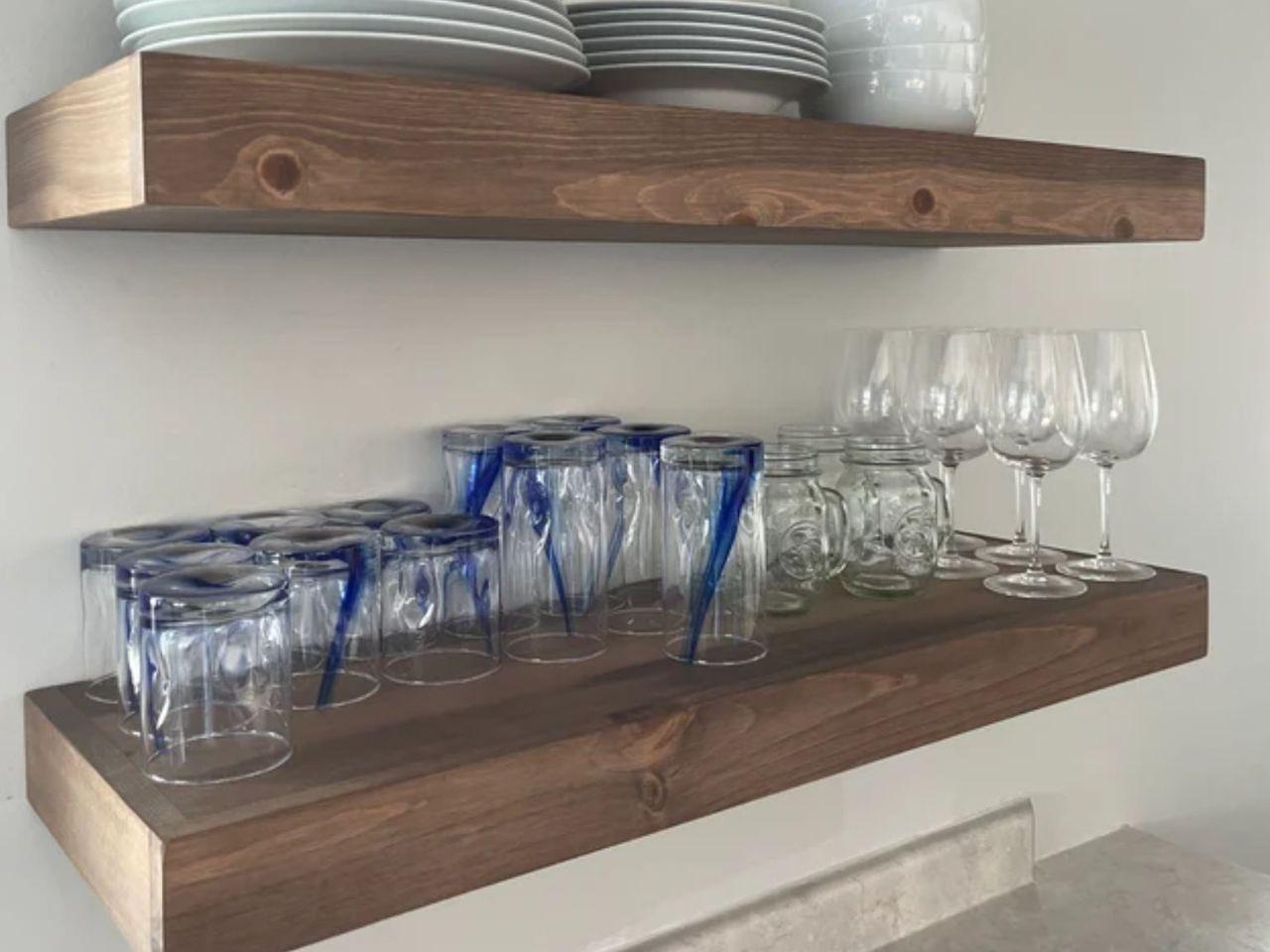
Floating shelves in kitchens hold spices and dishes. They keep things easy to reach and tidy.
Place shelves near the stove or prep area. Use sturdy materials that resist moisture.
- Store commonly used spices and utensils
- Display attractive dishware or mugs
- Keep shelves easy to clean and access
Bathroom Simplicity
In bathrooms, floating shelves hold toiletries and towels. They save space and reduce clutter.
Place shelves above sinks or near showers. Choose water-resistant materials for durability.
- Store soaps, lotions, and small plants
- Keep extra towels within easy reach
- Use simple designs to match bathroom style
Wall Selection Tips
Choosing the right wall is key for placing a minimalist floating shelf. The wall should fit your style and space needs.
Think about how the shelf will look and what it will hold. The right spot can make your room feel tidy and modern.
Empty Wall Spaces
Empty walls are perfect for floating shelves. They add style without cluttering the room.
Pick a wall that is visible but not crowded. This helps the shelf stand out as a design feature.
- Look for walls with no pictures or decorations
- Choose walls that get good light
- Make sure the wall is strong enough to hold the shelf
Above Furniture
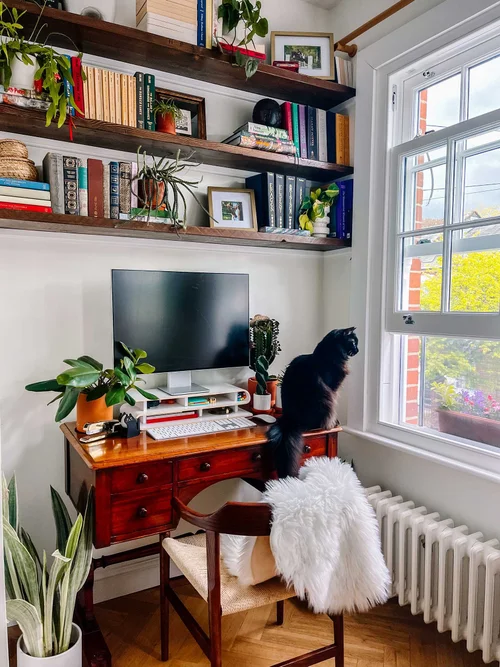
Placing a floating shelf above furniture saves space and adds interest. It works well over desks, sofas, or dressers.
Keep the shelf height where it is easy to reach and looks balanced with the furniture below.
- Leave enough space between shelf and furniture
- Align shelf edges with furniture for a neat look
- Use shelves to hold small items or decor
Corners And Nooks
Corners and small nooks are often unused. Floating shelves fit well in these spots to add storage or decoration.
Choose corner shelves designed to fit tight spaces. This keeps the look clean and uses space wisely.
- Measure the corner space carefully before choosing a shelf
- Use L-shaped or triangular shelves for corners
- Keep items on shelves simple and minimal
Height And Spacing
Choosing the right height and spacing for minimalist floating shelves is key. Proper placement helps balance the room and keeps things neat.
Good height and spacing make shelves easy to reach and visually pleasing. It also helps your items stand out without clutter.
Eye-level Placement
Place shelves near eye level for easy access and clear visibility. This height fits most people comfortably.
Eye-level shelves show off your favorite items better. Avoid placing shelves too high or too low to keep them useful.
Spacing Between Shelves
Leave enough space between shelves for your items to fit without crowding. Too little space looks messy and hard to use.
Keep a gap of 10 to 12 inches for most objects. Adjust spacing if you display taller or shorter items.
- Small decor: 8-10 inches apart
- Books or plants: 12-15 inches apart
- Artwork or larger items: 15+ inches apart
Balancing With Wall Art
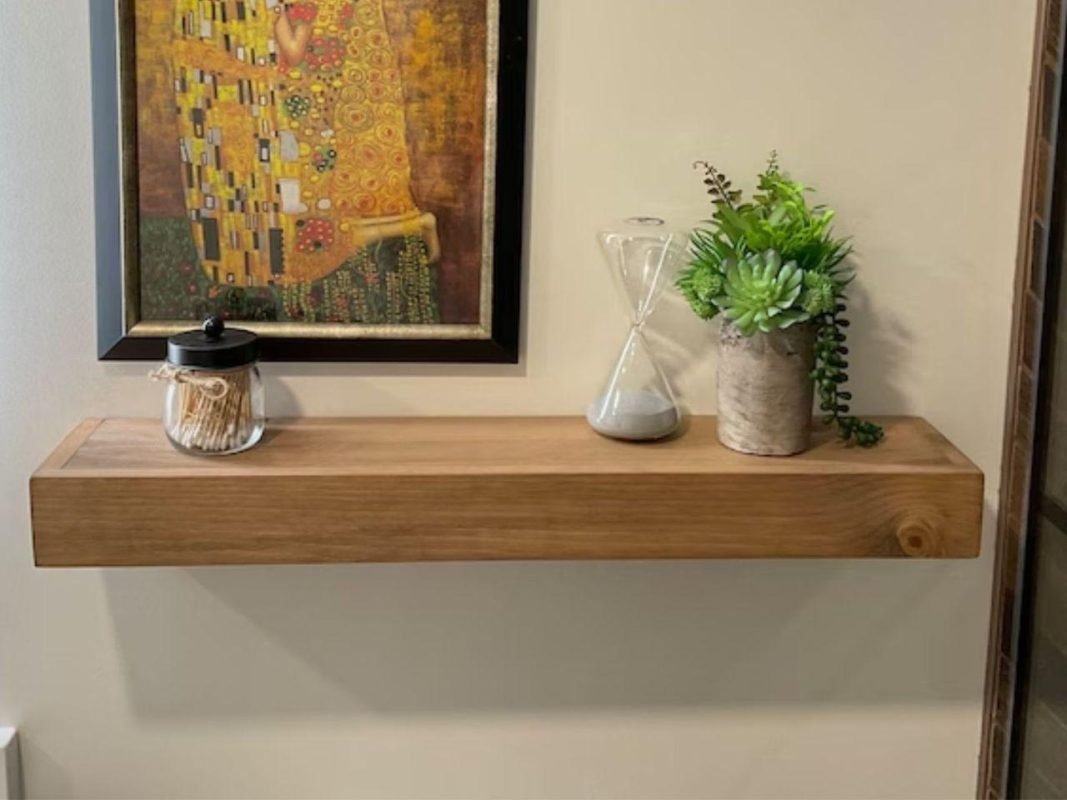
Balance shelves with nearby wall art to create a cohesive look. This avoids one side feeling heavier or empty.
Arrange shelves and art so they complement each other. Keep some space between them to avoid crowding the wall.
- Align shelf edges with art frames
- Use similar colors or themes
- Keep at least 3-4 inches between shelves and art

Credit: chill-house.co.uk
Styling Floating Shelves
Floating shelves add style and function to any room. They keep spaces neat and look simple.
Placing items on these shelves needs care. Good styling makes the shelves stand out.
Decorating With Plants
Plants bring life and color to floating shelves. Small pots or trailing vines work well.
Use different plant sizes and shapes. It creates a fresh and natural look on your shelves.
- Succulents and cacti need little care
- Trailing plants like pothos add flow
- Small ferns or moss add green texture
Showcasing Minimalist Art
Minimalist art fits well on floating shelves. Choose simple designs with few colors.
Place art pieces with space around them. This keeps the shelf feeling light and clean.
- Small framed prints work best
- Lean art against the wall
- Mix vertical and horizontal pieces
Books And Collectibles
Books add warmth and personality to shelves. Keep the number of books balanced with other items.
Display collectibles with care. Group small items and use odd numbers for interest.
- Stack some books horizontally
- Use bookends to keep books tidy
- Group collectibles in clusters
Practical Considerations
Choosing the right spot for a minimalist floating shelf needs some thought. You want it to look good and hold items safely.
Think about the shelf’s size, weight, and how you will use it every day. These details help you place it well.
Weight And Support
Floating shelves must hold the weight of your items without falling. Check the shelf’s weight limit before you hang it.
Find a strong wall spot, like a stud or brick. Drywall alone may not hold heavy shelves safely.
- Use a stud finder to locate wall studs
- Choose wall anchors for extra support
- Don’t overload the shelf beyond its limit
Material Choices
Pick materials that match your room style and hold up well. Wood, metal, and glass are common options.
Wood feels warm and natural. Metal looks modern and strong. Glass adds a light, airy touch but needs care.
- Wood: easy to paint or stain
- Metal: sturdy and long-lasting
- Glass: stylish but fragile
Maintenance Tips
Keep your floating shelf clean and safe with regular care. Dust and spills can damage the surface over time.
Use soft cloths and gentle cleaners. Avoid harsh chemicals that can ruin the shelf’s finish or material.
- Dust weekly with a dry cloth
- Wipe spills quickly to prevent stains
- Check screws and brackets for tightness
Credit: www.jthomashome.com

Credit: traditionalbeams.com
Frequently Asked Questions
What Is The Best Height For Minimalist Floating Shelves?
The ideal height is typically 4 to 6 feet from the floor. This height keeps shelves accessible and visually balanced. Adjust based on room usage and furniture placement to maintain a clean minimalist look.
How To Space Multiple Floating Shelves Evenly?
Measure the wall length and divide by the number of shelves plus gaps. Keep consistent gaps of 6 to 12 inches for a balanced, uncluttered appearance. Use a level for precise alignment.
Can Minimalist Floating Shelves Hold Heavy Items?
Yes, if properly anchored into wall studs. Use strong brackets or wall anchors rated for the shelf’s weight. Avoid overloading to maintain shelf stability and minimalist aesthetics.
Which Materials Suit Minimalist Floating Shelf Placement?
Wood, metal, and MDF are common minimalist choices. Choose light colors or natural finishes to enhance simplicity. Material choice impacts shelf durability and overall room style.
Conclusion
Minimalist floating shelves add style and function to any room. Place them thoughtfully to keep spaces open and neat. Balance items carefully to avoid clutter and maintain simplicity. Use the right height and spacing for easy access and good looks.
These shelves work well in living rooms, kitchens, or bedrooms. Small changes create a big impact on your home’s feel. Try different layouts until you find what suits your space best. Simple, clean shelf placement helps your room feel calm and organized.