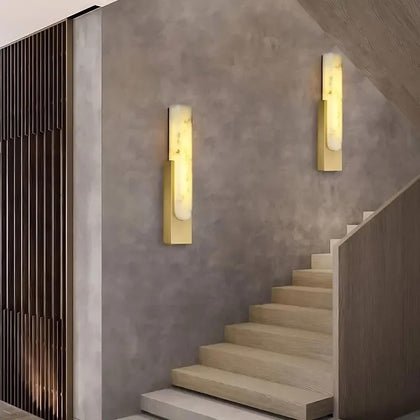
Your hallway is more than just a passage—it’s the first impression of your home. The right wall sconces can transform this space, adding both style and function.
But where exactly should you place contemporary hallway wall sconces to get the best look and lighting? You’ll discover easy tips to position your sconces perfectly. By the end, you’ll know how to create a welcoming and stylish hallway that lights up your home beautifully.
Keep reading to unlock the secrets of ideal wall sconce placement!
Choosing The Right Sconce Style
Hallway wall sconces add light and style to your space. Picking the right style helps set the mood.
Each sconce style fits different design tastes. Learn about popular looks to find your match.
Minimalist Designs
Minimalist sconces use simple shapes and clean lines. They avoid extra details for a sleek look.
These sconces work well in modern homes. They keep hallways feeling open and bright.
Art Deco Influences
Art Deco sconces show bold shapes and rich colors. They often use gold, chrome, or glass.
- Geometric patterns
- Glossy finishes
- Decorative details
- Symmetry in design
This style suits hallways that want a touch of glamour and history.
Industrial Looks
Industrial sconces use metal and raw materials. They look strong and a bit rough.
| Material | Common Finish |
|---|---|
| Iron | Matte Black |
| Steel | Brushed Nickel |
| Copper | Antique |
Use these sconces to add a bold, urban feel to your hallway walls.
Mid-century Modern Touches
Mid-century sconces mix wood and metal with smooth curves. They bring warmth and style.
- Warm wood tones
- Brass or bronze accents
- Simple but elegant shapes
- Soft, ambient light
This style fits hallways that want a retro yet cozy vibe.
Optimal Height For Wall Sconces
Choosing the right height for hallway wall sconces is important. Proper placement improves light quality and room style.
Wall sconces need to be at a height that lights the space well without causing glare.
Standard Height Guidelines
Most wall sconces are placed between 60 and 72 inches from the floor. This range fits most hallways and rooms.
Keeping sconces at this height helps balance light and style in the space.
- Minimum height: 60 inches (5 feet) from floor
- Maximum height: 72 inches (6 feet) from floor
- Common average height: 66 inches (5 feet 6 inches)
Adjusting For Ceiling Height
Tall ceilings need sconces placed higher to fill the space. Low ceilings need lower placement to avoid crowding.
Adjust height by adding or subtracting inches based on ceiling height.
- Ceilings over 9 feet: raise sconces 6–12 inches above standard
- Ceilings under 8 feet: lower sconces 6–12 inches below standard
- Use your room size to guide exact placement
Considerations For Eye Level
Place sconces near eye level to avoid direct glare. This makes lighting more comfortable.
Consider the average height of people using the hallway to set the right height.
- Average eye level is about 57 to 63 inches from floor
- Keep light bulbs out of direct sight to reduce glare
- Use diffusers or shades to soften the light
Spacing Between Sconces
Correct spacing between hallway wall sconces improves light balance and room feel. It helps avoid dark spots and overlit areas.
This guide explains how to space sconces in different hallway types for the best lighting effect.
Balancing Light Distribution
Even light distribution gives hallways a comfortable look. Place sconces evenly on both sides at the same height.
- Keep sconces at eye level, about 60 to 66 inches from the floor.
- Space sconces evenly to avoid shadows.
- Use dimmable bulbs for flexible lighting.
- Match the style of sconces to the hallway decor.
Spacing For Narrow Hallways
In narrow hallways, sconces should be spaced closer to avoid dark areas. Too much light can feel cramped.
| Hallway Width | Recommended Sconce Spacing |
| Less than 3 feet | 4 to 5 feet apart |
| 3 to 4 feet | 5 to 6 feet apart |
Wide Hallway Arrangements
Wide hallways allow for larger spacing between sconces. You can also add more sconces to brighten the space.
For wide hallways, consider these tips:
- Place sconces 6 to 8 feet apart for balanced lighting.
- Use groups of sconces to highlight architectural features.
- Adjust spacing if you have furniture or artwork on the walls.
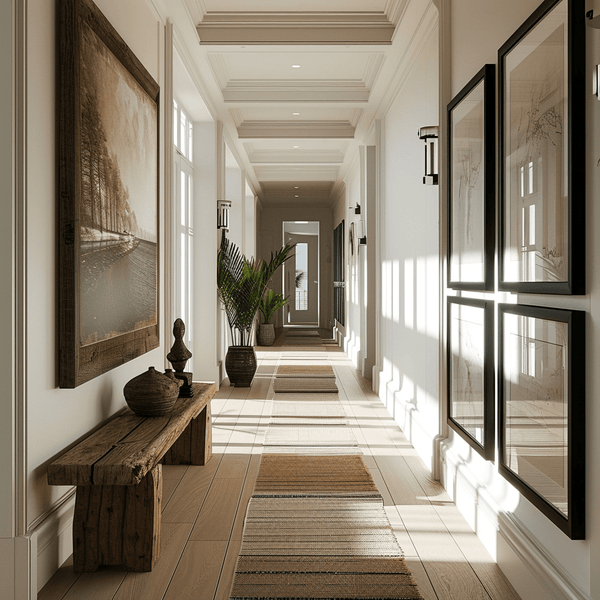
Credit: musaartgallery.com
Placement Relative To Hallway Features
Choosing the right place for a hallway wall sconce changes how the space feels. The sconce should match the hallway’s key features.
Good placement helps light the hallway well and makes it look stylish without crowding the walls.
Near Doorways And Entrances
Place sconces close to doorways to brighten entry points. They add safety and a warm welcome.
Keep sconces about 60 to 66 inches from the floor near doors. This height gives good light without blocking the path.
Highlighting Artwork Or Mirrors
Wall sconces can draw attention to pictures or mirrors. Position them so light shines evenly over the item.
- Place sconces on each side of the artwork or mirror.
- Keep sconces about two-thirds the height of the artwork.
- Use soft, warm light to avoid glare and shadows.
Avoiding Cluttered Walls
Do not add too many sconces close together. Crowded walls look busy and uncomfortable.
| Spacing Advice | Reason |
|---|---|
| At least 6 feet apart | Prevents wall clutter |
| Balance with furniture | Keeps hallway open |
| Avoid blocking artwork | Maintains focus on features |
Lighting Effects And Ambiance
Hallway wall sconces add style and light to a space. They create a warm and inviting atmosphere.
Choosing the right placement and lighting type helps set the mood. It makes your hallway feel cozy or bright.
Warm Vs Cool Light Choices
Warm light has a yellow tone. It feels cozy and soft, like sunset light.
Cool light is blue-white. It feels fresh and clean, like daylight.
- Warm light suits traditional and cozy styles
- Cool light fits modern and sleek designs
- Warm light helps hallways feel welcoming
- Cool light improves visibility in narrow spaces
Using Dimmers For Mood
Dimmers control how bright the sconces shine. You can change light levels easily.
Lower light makes the hallway calm and relaxing. Higher light makes it bright and clear.
- Use dimmers to match different times of day
- Soft light helps guests feel comfortable
- Bright light is good for cleaning or tasks
- Dimming saves energy and extends bulb life
Combining With Overhead Lighting
Wall sconces work well with ceiling lights. Together, they fill the hallway with balanced light.
Use sconces for soft side lighting. Use overhead lights for general brightness.
- Overhead lights brighten the entire space
- Sconces add style and reduce shadows
- Layered lighting improves safety and comfort
- Adjust each light type to fit your mood

Credit: cometlighting.co.uk
Installation Tips And Safety
Installing contemporary hallway wall sconces can enhance your home’s style and safety. Proper placement and installation are crucial for both function and aesthetics.
Before starting, consider the wiring, mounting, and compliance with electrical codes. Follow these guidelines to ensure a safe and effective installation.
Wiring Considerations
Make sure the power is off before handling wires. Use a voltage tester to confirm this. Follow the sconce’s manual for wiring instructions.
Connect wires correctly: black to black, white to white, and ground wires together. Use wire nuts to secure the connections.
- Check existing wiring conditions
- Use a voltage tester for safety
- Follow color codes for wire connections
Mounting Securely
Select a sturdy wall area to mount the sconce. Use a stud finder to locate studs for added support. If no studs are available, use wall anchors.
Ensure the mounting bracket is level before attaching the sconce. Tighten screws securely to prevent the fixture from falling.
- Locate studs or use wall anchors
- Level the mounting bracket
- Tighten screws securely
Compliance With Electrical Codes
Check local electrical codes before installation. These codes ensure safety and uniformity in electrical systems. Adhere to these regulations to avoid issues.
If unsure, consult a licensed electrician. Professional guidance helps in meeting code requirements and ensures a safe installation.
- Review local electrical codes
- Consult a licensed electrician
- Ensure compliance for safety

Credit: www.vault-light.com
Frequently Asked Questions
What Is The Ideal Height For Hallway Wall Sconces?
The ideal height for hallway wall sconces is usually 60 to 72 inches from the floor. This height provides balanced lighting and prevents glare, enhancing both function and style in contemporary hallways.
How Far Apart Should Hallway Wall Sconces Be Placed?
Hallway wall sconces should be spaced about 6 to 8 feet apart. This spacing ensures even light distribution and complements the hallway’s length and width effectively.
Can Wall Sconces Replace Ceiling Lights In Hallways?
Yes, wall sconces can replace ceiling lights in narrow hallways. They offer focused lighting and add stylish accents without taking up ceiling space.
What Style Of Wall Sconce Suits Contemporary Hallways?
Sleek, minimalist, and geometric designs suit contemporary hallways best. These styles complement modern decor and create a clean, sophisticated look.
Conclusion
Proper hallway wall sconce placement brightens your space well. It adds style and improves hallway safety too. Choose the right height and distance for balance. Soft, warm light creates a welcoming feel. Avoid harsh shadows by spacing sconces evenly. Small details make a big difference in design.
Experiment with placement until it fits your hallway best. This simple update refreshes your home’s look easily. Enjoy the perfect mix of function and style.