Are you looking to refresh your office space with a modern touch? The way you place your office bench can change everything—from boosting teamwork to improving comfort and productivity.
But finding the perfect spot isn’t always easy. You’ll discover simple and effective tips to arrange your office bench just right. By the end, you’ll have the know-how to create a workspace that feels inviting, efficient, and stylish. Ready to transform your office?
Let’s dive in!
Choosing The Right Bench
Choosing the right bench for your office is important. It affects comfort and style in the workspace.
Focus on key factors like material, size, and design. These help you pick a bench that fits well.
Material And Durability
Material affects how long the bench lasts and how it looks. Choose strong materials for daily use.
- Wood offers a classic look and good strength
- Metal is sturdy and easy to clean
- Plastic benches are lightweight but less durable
- Upholstered benches add comfort but need regular care
Size And Scale Considerations
Pick a bench size that fits your office space well. Too big or too small can cause problems.
| Office Size | Recommended Bench Length | Notes |
| Small (under 100 sq ft) | 3-4 feet | Leaves room for movement |
| Medium (100-250 sq ft) | 4-6 feet | Fits multiple people comfortably |
| Large (over 250 sq ft) | 6-8 feet or more | Allows for shared workspaces |
Style And Design Matching
The bench style should match your office decor. This creates a unified, pleasant look.
Consider these design points:
- Match colors with walls and furniture
- Choose modern or traditional shapes based on your theme
- Look for benches with clean lines for a minimalist look
- Add cushions or throws to soften the design
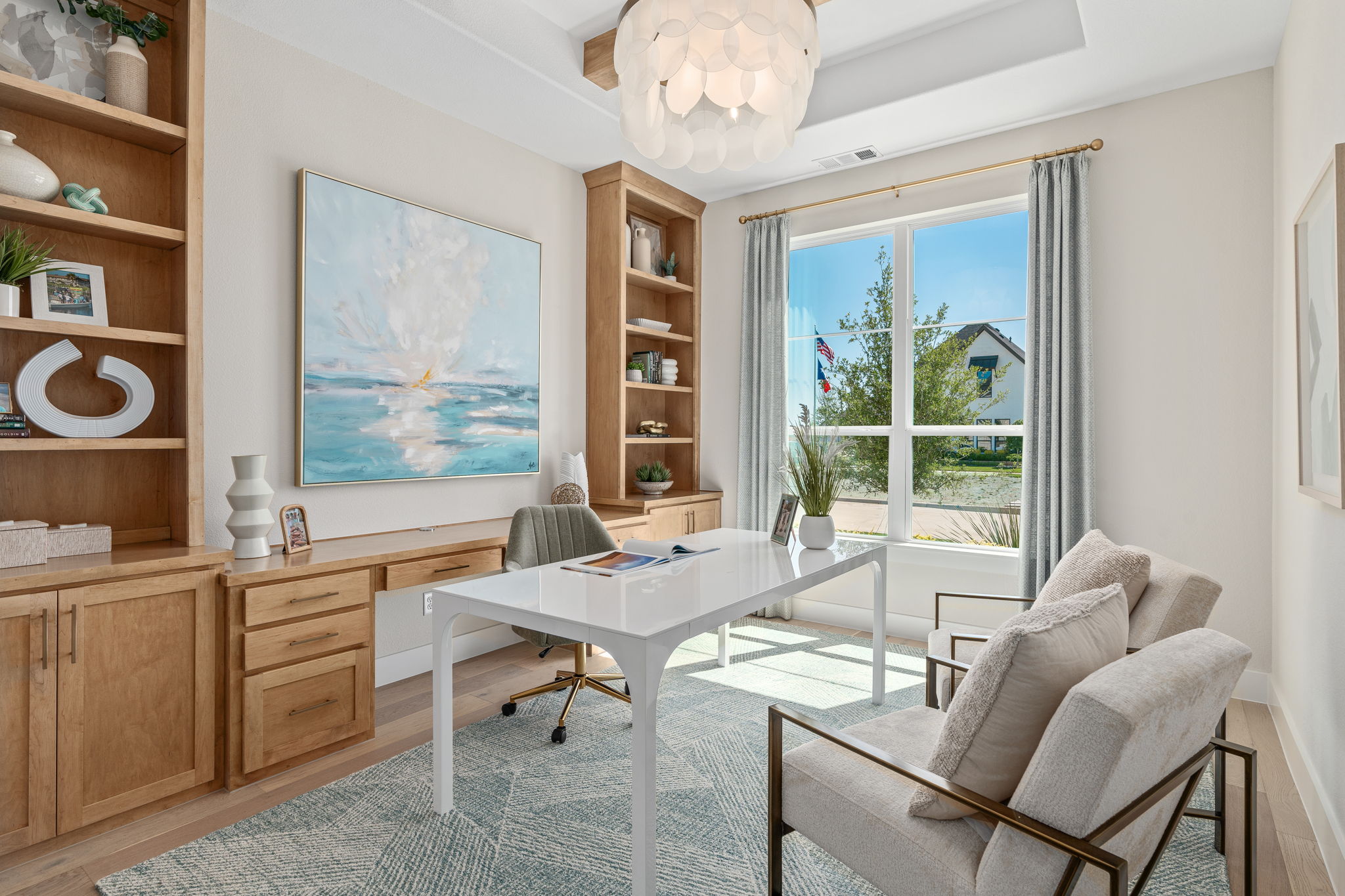
Credit: www.amlegendhomes.com
Optimal Bench Placement
Choosing the right place for office benches helps improve work flow and comfort. It supports team focus and space use.
Good bench placement makes the office feel open and easy to move around. It also helps workers connect and do tasks better.
Aligning With Workstations
Place benches near main workstations to keep tools and materials close. This reduces walking time and keeps workers organized.
Make sure benches do not block paths or cause clutter near desks. Keep spaces clear for easy movement and safety.
Creating Collaborative Zones
Benches in shared areas help team members talk and work together. Group benches to form natural meeting spots.
- Place benches where teams often meet
- Use round or square benches for group work
- Keep some benches flexible for quick rearrangement
- Add power outlets near benches for device use
Utilizing Corners And Walls
Use corners and wall space to place benches without blocking main areas. This saves room and creates quiet spots.
| Placement Area | Benefits |
| Corners | Maximize unused space, create private seating |
| Along Walls | Keep center open, easy access to benches |
| Near Windows | Natural light, pleasant environment |
Space-saving Strategies
Saving space is key for a neat and efficient office. Using benches smartly helps use every inch well. This guide shares tips to place benches for a tidy office.
Benches can do more than just seating. They can store items and change shape to fit your needs. Follow these ideas to get the most from your office bench.
Multi-functional Bench Designs
Benches with extra features save space and add value. They can serve many purposes at once. Choose benches that fit your office tasks and style.
- Benches with built-in desks allow work and seating in one spot.
- Foldable benches can be stored away when not needed.
- Benches with adjustable heights suit different tasks and users.
Incorporating Storage Solutions
Storage helps keep the office clean and organized. Benches with shelves or drawers make storage easy and hidden. Use this design to reduce clutter.
| Bench Type | Storage Feature | Best For |
|---|---|---|
| Lift-Top Bench | Hidden compartment under seat | Storing files and supplies |
| Shelf Bench | Open shelves below seating | Books and binders |
| Drawer Bench | Pull-out drawers | Small tools and stationery |
Flexible And Modular Layouts
Flexible benches fit changing office needs. Modular designs let you move and add pieces quickly. This keeps the space open and useful.
Try these ideas for modular bench setups:
- Use separate bench units that connect and disconnect.
- Choose benches on wheels for easy movement.
- Arrange benches in shapes that match the room size.
Enhancing Office Aesthetics
Placing office benches the right way can improve the look of your workspace. It creates a neat and inviting area for work and breaks.
Good bench placement adds style and comfort. It helps make the office more pleasant for everyone.
Color Coordination
Choose bench colors that match or complement your office palette. This keeps the space feeling balanced and calm.
Use colors to highlight or blend benches with walls and furniture. This makes the area look well planned.
- Match bench colors with office walls or flooring
- Use soft colors for a relaxed feel
- Bright colors can add energy to the space
- Neutral tones fit most styles and designs
Adding Textures And Fabrics
Mix different textures on benches to add depth and interest. Soft fabrics can make the bench more comfy.
Use fabric patterns or smooth surfaces to create contrast. This helps the bench stand out or fit in nicely.
- Try leather or faux leather for a sleek look
- Use cotton or linen for a soft touch
- Add cushions with patterns for style
- Mix smooth and rough textures for balance
Lighting And Accent Features
Place benches near natural light to brighten the area. Good lighting makes the space feel open and fresh.
Add small accent lights or lamps to highlight benches. This creates a cozy and stylish atmosphere.
- Use desk lamps or floor lamps near benches
- Install LED strips under benches for soft glow
- Keep benches away from harsh overhead lights
- Use natural light to enhance bench colors
Ergonomics And Comfort
Creating a comfortable office bench space helps improve focus and reduces fatigue. Ergonomics plays a key role in setting up your work area.
Simple changes in seating and furniture can make long work hours easier on your body.
Proper Seating Heights
Your chair and bench height should keep your feet flat on the floor. Your knees should be at a 90-degree angle. This position supports good blood flow and reduces strain.
- Adjust the bench so your elbows are level with the desk surface.
- Keep your wrists straight while typing or writing.
- Use a footrest if your feet do not reach the floor comfortably.
Supportive Cushioning
Cushions add comfort and reduce pressure points. Choose cushions that balance softness and support to avoid discomfort during long use.
| Cushion Type | Best For | Benefits |
|---|---|---|
| Memory Foam | Long sitting sessions | Conforms to body shape, reduces pressure |
| Gel Cushions | Heat relief | Keeps cool and improves comfort |
| Air Cushions | Adjustable firmness | Customizable support, light weight |
Adjustability Options
Adjustable benches and chairs help you find the best fit. Controls for height, tilt, and back support improve posture.
- Height adjustment lets you set the bench to your leg length.
- Tilt control helps maintain natural spine curves.
- Backrest support reduces pressure on your lower back.
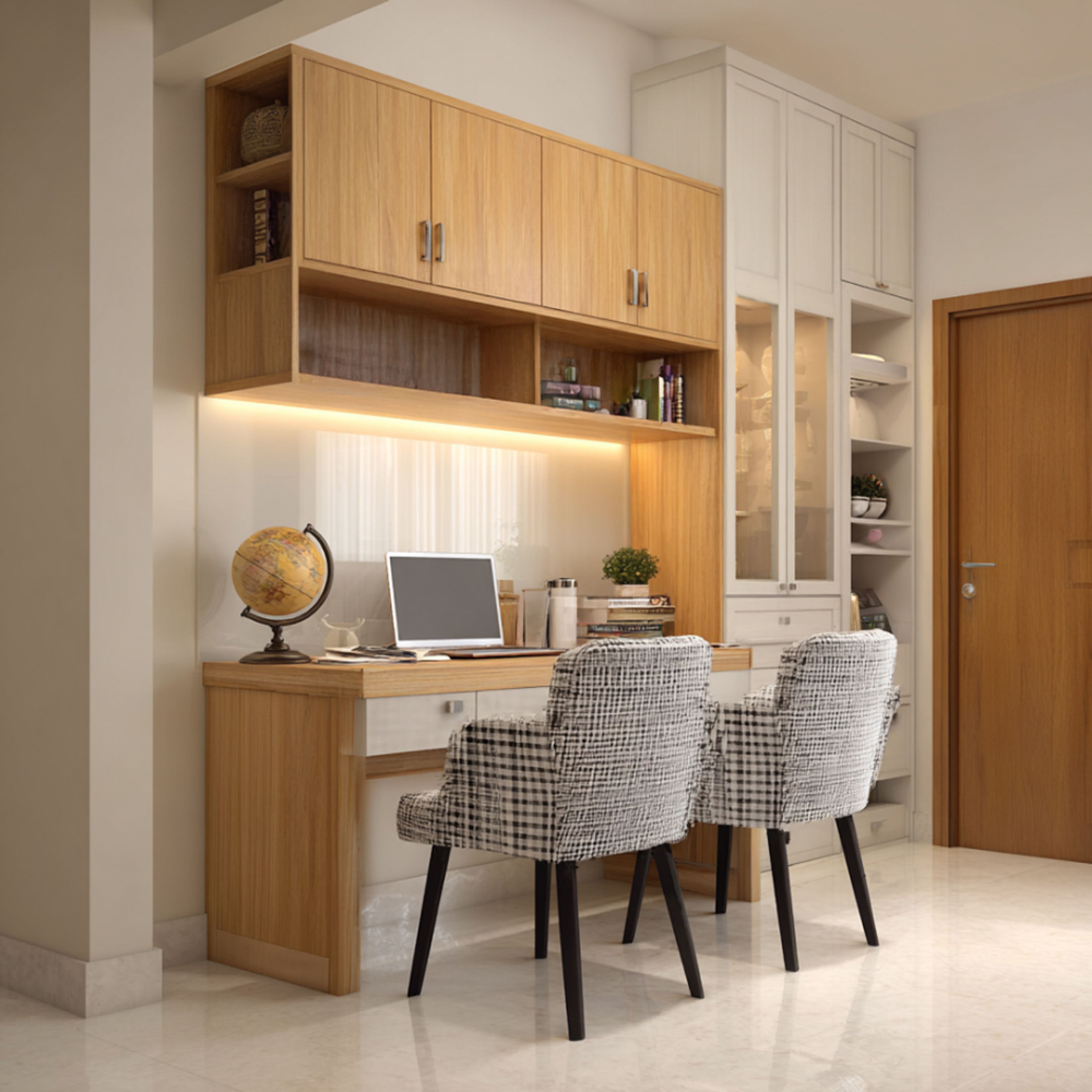
Credit: www.livspace.com
Maintenance And Longevity
Proper care of office benches increases their lifespan. Regular upkeep ensures they remain in top condition.
Understanding cleaning, material care, and regular inspections is key. This guide provides practical tips for each aspect.
Cleaning Tips
Cleaning is crucial for maintaining office benches. Dust and stains can damage materials over time.
- Use a soft cloth to wipe surfaces weekly.
- Apply a suitable cleaner for the bench material.
- Remove stains immediately to prevent damage.
Material Care
Different materials need different care. Knowing the type of material helps in applying the right method.
| Material | Care Instructions |
| Wood | Use a wood polish monthly. |
| Metal | Check for rust and treat with anti-rust spray. |
| Fabric | Vacuum regularly and clean spills promptly. |
Regular Inspections
Regular inspections help identify issues early. This prevents larger problems and extends bench life.
Regular maintenance ensures your office benches stay in great shape. Consistent care saves money in the long run.

Credit: insights.made-in-china.com
Frequently Asked Questions
How To Position Office Benches For Better Collaboration?
Place benches in clusters to encourage teamwork and communication. Align benches to face each other, promoting eye contact and interaction. Avoid isolating seats to foster a collaborative environment.
What Is The Ideal Spacing Between Office Benches?
Maintain at least 4 to 6 feet between benches to allow easy movement. Proper spacing prevents crowding and enhances comfort. It also supports social distancing and accessibility.
How To Choose Office Bench Placement For Natural Light?
Position benches near windows to maximize natural light exposure. Avoid glare by using blinds or screens strategically. Natural light boosts productivity and improves mood.
Can Office Bench Placement Improve Employee Productivity?
Yes, strategic bench placement reduces distractions and encourages focus. Grouping benches by team roles enhances workflow efficiency. A well-planned layout supports both collaboration and quiet work.
Conclusion
Placing office benches well improves teamwork and comfort. Choose spots with good light and space. Keep pathways clear for easy movement. Arrange benches to help people talk and focus. Small changes can make work feel better every day. Think about how the space works for your team.
A simple, neat layout helps everyone do their best. Try these tips to create a friendly, productive office.