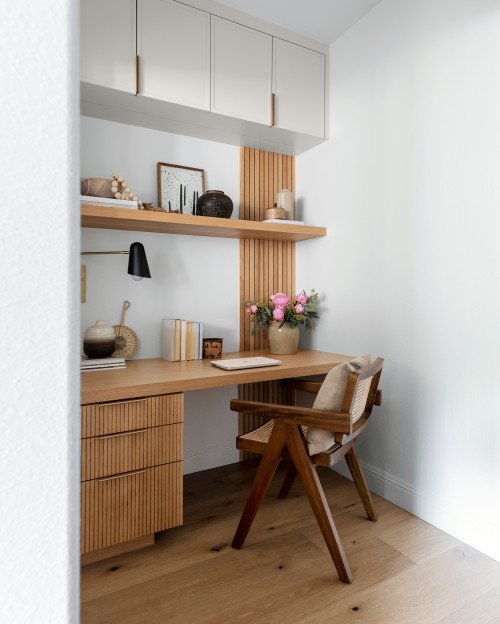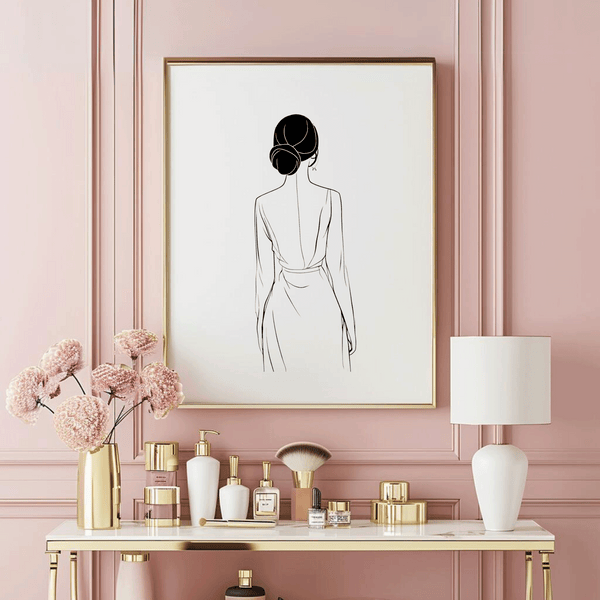
Your walls are more than just space—they’re a canvas waiting to bring your personality to life. When it comes to contemporary wall art placement, the right spot can transform a room instantly.
Imagine walking into your space and feeling that perfect balance of style and comfort, all thanks to how your art is arranged. You might be wondering how to make your pieces stand out without overwhelming your room. Keep reading, and you’ll discover simple, effective tips to place your contemporary art in ways that captivate and inspire every time you enter.

Credit: buywallart.ca
Choosing The Right Wall Art
Choosing the right wall art can change a room’s look and feel. It adds personality and style to your space.
Think about the room’s purpose and style before picking your art. This helps you find pieces that fit well.
Matching Art With Room Style
Art should match the room’s style to create harmony. A modern room needs different art than a rustic one.
- For modern rooms, choose abstract or geometric art.
- Rustic rooms look good with nature scenes or vintage prints.
- Minimalist spaces need simple, clean designs.
- Eclectic rooms allow for bold and colorful pieces.
Selecting Size And Scale
Size matters when placing wall art. Too small or too big can throw off the balance.
| Room Size | Recommended Art Size |
| Small (under 100 sq ft) | Up to 24 inches wide |
| Medium (100-300 sq ft) | 24 to 48 inches wide |
| Large (over 300 sq ft) | 48 inches wide and above |
Color Coordination Tips
Colors in your art should match or complement the room’s palette. This makes the space feel connected.
Try these tips for color coordination:
- Pick art with colors from your furniture or rugs.
- Use contrasting colors to make the art stand out.
- Neutral colors work well in busy rooms.
- Match the art frame color with other room accents.
Creative Placement Ideas
Choosing the right spot for your wall art adds style and personality to any room. Creative placement highlights the artwork and complements your space.
This guide shares ideas for placing contemporary wall art to enhance your home’s look.
Gallery Walls And Groupings
Group several pieces of art to create a gallery wall. It adds visual interest and tells a story through your selections.
- Mix different frame styles and sizes for variety.
- Keep equal spacing between each piece for balance.
- Arrange art by theme or color to unify the display.
- Use a large central piece surrounded by smaller works.
- Place the gallery at eye level for easy viewing.
Above Furniture Focal Points
Placing art above furniture like sofas or sideboards creates a natural focal point. It draws attention and anchors the room.
| Furniture Type | Recommended Art Size | Placement Tips |
| Sofa | 2/3 the sofa width | Center the art above the sofa, hang 6–12 inches from the top. |
| Sideboard | Same width or slightly smaller | Keep the bottom edge 4–6 inches above the furniture. |
| Bed Headboard | Equal or slightly smaller than headboard | Hang art 8–12 inches above the headboard center. |
Using Negative Space
Negative space means leaving empty areas around your art. This space helps the piece stand out and creates balance.
Tips for Using Negative Space
- Do not overcrowd the wall with many pieces.
- Leave at least 3–6 inches of blank wall around each artwork.
- Use plain backgrounds to highlight colorful art.
- Pair large art with ample space to create calmness.
Lighting To Enhance Art
Lighting plays a key role in showing off wall art. Good light brings out colors and details.
Choosing the right light type and placement helps art look its best in any room.
Natural Vs Artificial Lighting
Natural light changes during the day and can create beautiful effects on art. It is soft but can fade colors over time.
Artificial lighting stays constant and lets you control brightness. It works well in rooms without windows or at night.
- Natural light is free and bright but can harm sensitive art.
- Artificial light is adjustable and protects art from sun damage.
- Mix both types for balanced lighting throughout the day.
Spotlights And Picture Lights
Spotlights focus light on a single piece. They create drama and highlight details.
Picture lights attach above or near the art. They give even light without glare.
| Type | Best Use | Effect |
| Spotlight | Single pieces | Bright, focused light |
| Picture light | Frames and canvases | Soft, even light |
Avoiding Glare And Shadows
Glare and shadows can hide art details and make viewing hard. Proper light angle stops these issues.
- Place lights at a 30-degree angle to the art.
- Use diffusers or lampshades to soften harsh light.
- Check the room for reflective surfaces that cause glare.
- Adjust light height to avoid casting shadows on the art.

Credit: buywallart.ca
Mixing Art Styles And Mediums
Mixing different art styles and mediums can create a unique look in your space. It helps show your personality and adds interest to your walls.
Combining pieces that do not match exactly can balance a room and make the artwork stand out more.
Combining Abstract And Realism
Abstract art uses shapes and colors to express ideas. Realism shows things as they look in real life. Putting these styles together can create contrast that draws attention.
Try placing a bold abstract painting next to a detailed realistic piece. This mix keeps your wall lively and interesting.
Incorporating Textures And Materials
Using different textures and materials adds depth to your wall art. Materials like wood, metal, and fabric bring a tactile feel that paint alone cannot offer.
- Wood frames or panels add warmth
- Metal sculptures give a modern look
- Fabric art introduces softness
- Mixed media pieces combine several materials
Balancing Bold And Subtle Pieces
Balancing bold and subtle artworks keeps your wall from feeling too busy or too empty. Use bold pieces as focal points and place subtle pieces nearby for calm.
| Art Type | Best Placement |
| Bold Colors | Center or eye level |
| Soft Tones | Edges or corners |
| Large Scale | Wall center |
| Small Scale | Grouped or shelf |
Seasonal And Rotational Displays
Contemporary wall art can change the mood of a room. Rotating your artwork with the seasons keeps your space fresh and lively.
Using seasonal themes helps match your art to the time of year. This creates a more personal and inviting atmosphere.
Switching Art For Fresh Looks
Change your wall art every few months to keep your decor interesting. Choose pieces that fit the current season or your mood.
- Use bright colors and floral themes in spring.
- Show beach or nature scenes in summer.
- Pick warm tones and harvest images in fall.
- Display cool colors and snowy landscapes in winter.
- Store your art safely while not in use.
Storage Tips For Artwork
Proper storage protects your artwork from damage. Keep pieces in a dry, cool place away from direct sunlight.
| Storage Tip | Reason |
| Use acid-free paper or cloth | Prevents yellowing and damage |
| Store flat or upright with support | Avoids bending or warping |
| Keep away from moisture | Stops mold and mildew growth |
| Label stored pieces clearly | Makes finding art easier later |
Maintaining Artwork Quality
Keep your art looking its best with simple care. Clean frames gently and avoid harsh chemicals near artwork.
- Dust regularly with a soft cloth
- Control room humidity between 40-60%
- Use UV-protective glass if possible
- Handle art with clean hands or gloves

Credit: buywallart.ca
Diy Wall Art Placement Hacks
Decorating your walls with art can change the look of your room. You can do it yourself with some simple hacks. Let’s explore some easy ways to hang art.
From removable hooks to creative layouts, these ideas are easy to try. You won’t need special tools or skills.
Using Removable Hooks And Strips
Removable hooks and strips are perfect for hanging art. They are easy to use and won’t damage your walls. Follow these tips for best results.
- Clean the wall surface before attaching hooks.
- Choose hooks that match the weight of your art.
- Position hooks evenly for balanced art placement.
Temporary Layouts With Paper Templates
Before hanging your art, use paper templates to plan the layout. Cut paper in the same size as your art pieces. This helps you visualize the arrangement.
Use the following simple steps:
- Cut paper templates the size of your frames.
- Place them on the wall using tape.
- Adjust until you find the perfect layout.
Creative Hanging Alternatives
Think outside the box for hanging art. You can use shelves, wires, or even clips. These alternatives add a unique touch to your decor.
| Method | Description |
| Shelves | Place art on shelves for easy changes. |
| Wires | Hang art using wires for a gallery feel. |
| Clips | Use clips for a casual, modern look. |
Frequently Asked Questions
What Is The Best Height For Contemporary Wall Art Placement?
The ideal height for contemporary wall art is at eye level, around 57-60 inches from the floor. This height ensures comfortable viewing and enhances the room’s aesthetic appeal without straining the neck.
How To Arrange Multiple Contemporary Artworks On One Wall?
Group artworks with similar themes or colors for a cohesive look. Use consistent spacing, typically 2-3 inches apart, and align the center of the group at eye level for balance.
Can Contemporary Wall Art Complement Minimalist Decor?
Yes, contemporary wall art adds visual interest and personality to minimalist spaces. Choose simple, bold pieces with clean lines to maintain the room’s sleek and uncluttered feel.
What Wall Size Suits Large Contemporary Art Pieces?
Large contemporary art works best on spacious walls without furniture clutter. It creates a focal point and balances the room, especially in living rooms or entryways with ample empty space.
Conclusion
Contemporary wall art brings life to any room. Choose pieces that match your space and style. Play with colors, shapes, and sizes for balance. Place art at eye level for best viewing. Group smaller pieces to create one big statement.
Keep walls simple to let art stand out. Trust your taste and have fun decorating. Your walls tell a story—make it unique and fresh.