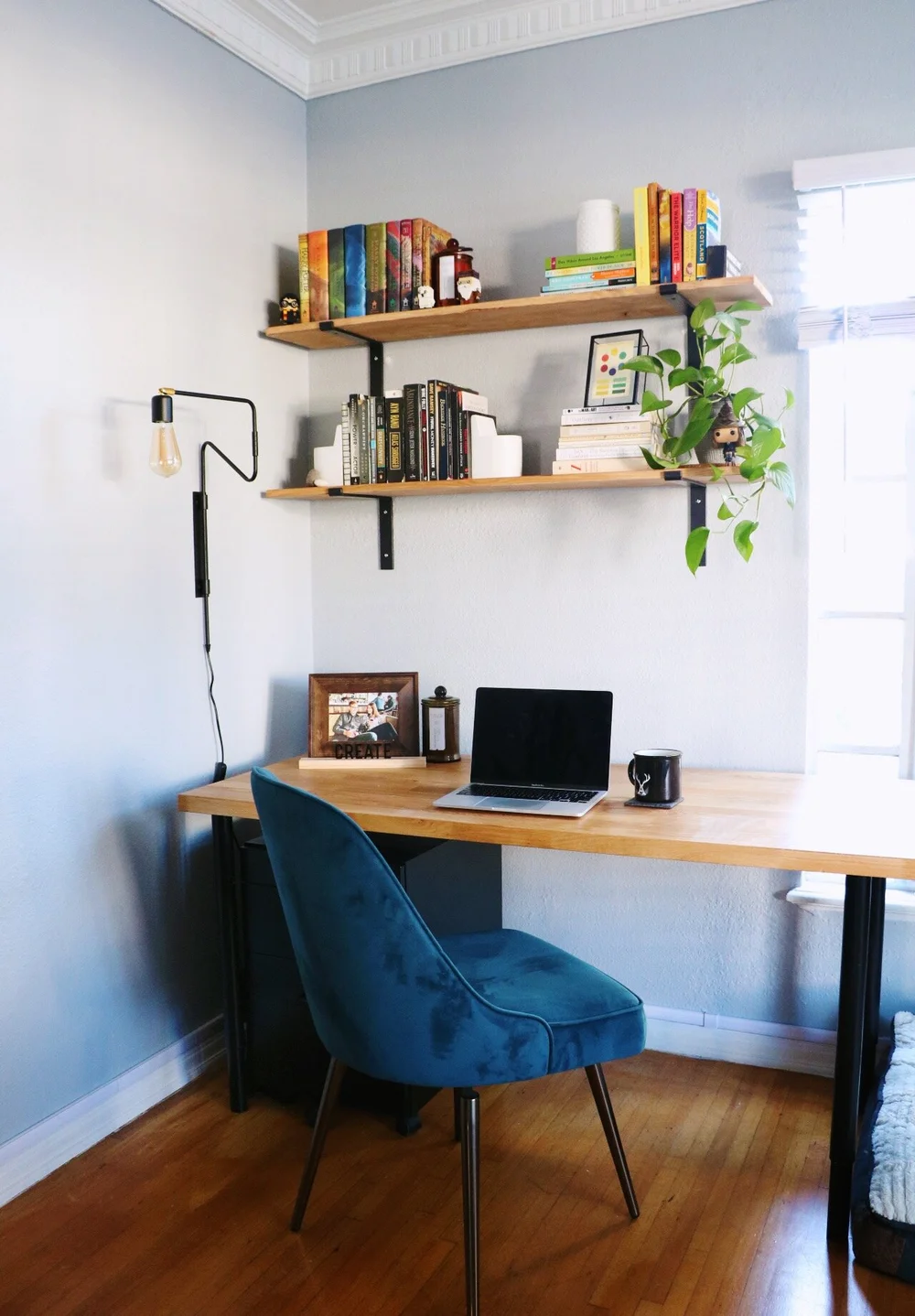
Are you looking to add style and extra storage to your home office without spending a fortune? DIY wall shelves are the perfect solution.
They not only help organize your workspace but also give your room a personal touch. Imagine having a neat, clutter-free desk and your favorite books or decor right within reach. You’ll discover easy and creative ways to build your own wall shelves that fit your space and style.
Keep reading to transform your home office into a place you love to work in every day.

Credit: www.create-enjoy.com
Benefits Of Diy Wall Shelves
DIY wall shelves are a smart choice for your home office. They help you keep things tidy and save space. Making your own shelves lets you add a personal touch to your room.
Building shelves yourself is simple and gives you control over size and style. You can match the shelves to your office décor easily. Let’s explore some key benefits of DIY wall shelves.
Maximizing Small Spaces
Wall shelves use vertical space that often goes unused. This frees up your desk and floor area for other needs. You can store books, files, and office supplies without clutter.
- Use narrow shelves to fit tight spots
- Arrange shelves at different heights
- Keep important items within easy reach
- Display decor to brighten your workspace
Customizing To Your Style
DIY shelves let you choose materials, colors, and shapes. This means your shelves can fit your style perfectly. You can create a modern, rustic, or classic look easily.
| Style | Material | Finish |
|---|---|---|
| Modern | Metal and glass | Matte or glossy |
| Rustic | Reclaimed wood | Natural or distressed |
| Classic | Solid wood | Stained or painted |
Cost-effective Storage
Building your own shelves saves money. Store-bought shelves can be expensive. DIY options use affordable materials and your time.
- Buy wood or boards from local stores
- Use leftover paint or stain
- Reuse brackets or supports
- Install shelves yourself without help
Credit: www.christeneholderhome.com
Choosing The Right Materials
Picking the right materials for DIY wall shelves is key for a sturdy and stylish look. Your choice will affect the shelf’s strength and match your office style.
Consider the weight you want the shelves to hold and the room’s decor. This guide covers popular materials for home office shelves.
Wood Types And Finishes
Wood is a classic choice for shelves. It gives warmth and can fit many styles, from modern to rustic. Different woods offer different looks and durability.
- Pine:Light and affordable. Easy to paint or stain.
- Oak:Strong and durable. Has a nice grain pattern.
- Maple:Hard and smooth. Great for a clean finish.
- Walnut:Dark and rich color. Adds elegance.
Finishes like varnish, paint, or stain protect wood and change its look. Choose a finish that fits your office colors and protects against scratches.
Metal And Industrial Options
Metal shelves add a modern and strong touch. They hold heavy items well and last a long time. You can find metal in many shapes and colors.
| Metal Type | Look | Strength | Best Use |
| Steel | Industrial, sleek | Very strong | Heavy books and tools |
| Aluminum | Light and shiny | Strong but lighter | Light office items |
| Iron | Rustic or vintage | Very strong | Decorative shelves |
Pair metal shelves with wood or glass for a stylish mix. Use brackets or frames to support metal shelves safely.
Reclaimed And Upcycled Materials
Reclaimed wood and upcycled items make shelves unique and eco-friendly. These materials have character and history in their look.
- Old barn wood adds rustic charm.
- Repurposed crates create box shelves.
- Used pallets can be turned into wide shelves.
- Metal scraps can become brackets or frames.
Check reclaimed materials for damage or pests before use. Sand and treat wood to keep it safe and smooth.
Essential Tools And Supplies
Building DIY wall shelves for your home office needs some key tools and supplies. These tools help you work safely and get the job done well.
This guide covers basic hand tools, power tools, and safety gear. Each group plays an important role in making your project easier.
Basic Hand Tools
Hand tools are the foundation for any DIY shelf project. They let you measure, mark, and assemble materials with control.
- Measuring tape: for accurate measurements
- Pencil: to mark cut lines and drill points
- Hammer: to drive nails or adjust parts
- Screwdriver: to tighten or loosen screws
- Level: to ensure shelves are straight
- Handsaw: to cut wood to size
Power Tools For Efficiency
Power tools speed up the work and make precise cuts and holes. They are useful for larger or thicker wood pieces.
| Tool | Use |
| Drill | Make holes and drive screws |
| Jigsaw | Cut curves and shapes in wood |
| Circular saw | Make straight cuts quickly |
| Orbital sander | Smooth surfaces before finishing |
Safety Gear To Use
Safety gear protects you from injuries while working. Always wear the right equipment before starting your project.
- Safety glasses: shield your eyes from dust and debris
- Work gloves: protect your hands from splinters and cuts
- Ear protection: reduce noise from power tools
- Dust mask: avoid breathing sawdust and particles
- Sturdy shoes: protect feet from falling objects
Credit: www.simplyhandmadestudios.com
Simple Shelf Designs To Try
DIY wall shelves are a great way to add storage and style to your home office. You can choose simple designs that suit your needs and skills.
These shelves help keep your workspace organized and look neat. Here are some easy shelf designs to try in your home office.
Floating Shelves
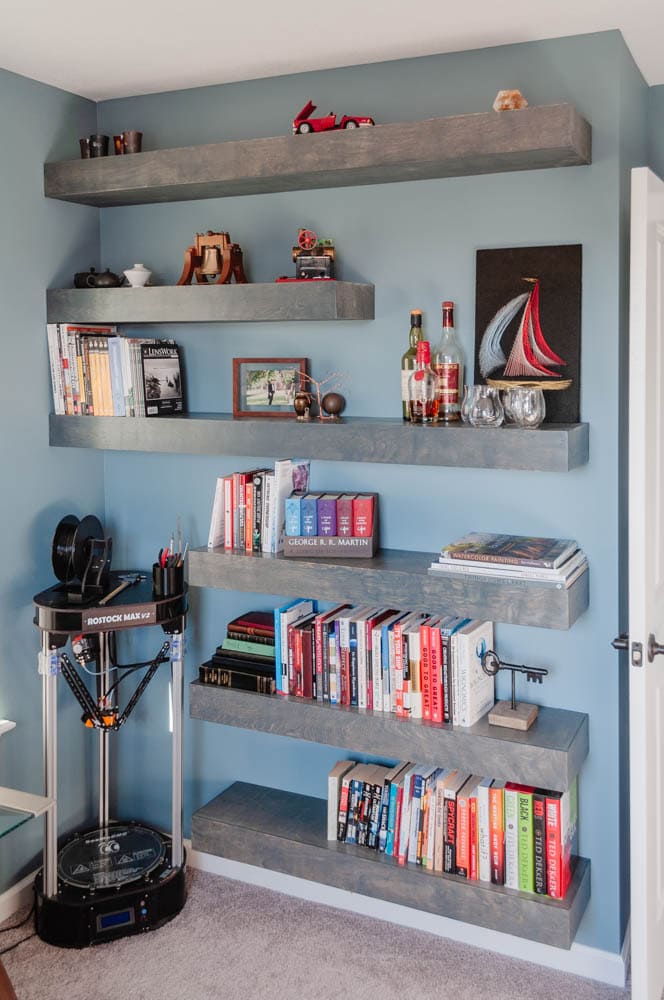
Floating shelves look like they are hanging without support. They attach directly to the wall with hidden brackets.
These shelves create a clean, modern look and save space. They are perfect for books, plants, or office supplies.
- Use sturdy wood or metal boards
- Install strong hidden brackets for support
- Keep shelf depth small to save space
Bracket Shelves
Bracket shelves use visible supports under the shelf. These brackets hold the shelf and add a decorative touch.
You can find many bracket styles like metal, wood, or vintage designs. They are easy to install and very sturdy.
- Choose brackets that match your office style
- Use screws to fix brackets firmly to the wall
- Place shelves at eye level for easy reach
Box And Cube Shelves
Box and cube shelves are square or rectangular storage units. They can stand alone or mount on the wall.
These shelves offer closed or open compartments. They help organize papers, books, and office tools neatly.
- Stack cubes for a custom storage wall
- Paint boxes to add color to your space
- Use boxes as desk organizers or wall shelves
Step-by-step Building Guide
Building DIY wall shelves for your home office is a great way to add storage and style. This guide walks you through each step clearly and simply.
Follow these instructions carefully to create sturdy shelves that fit your space perfectly.
Measuring And Planning
Start by measuring the wall space where you want to install the shelves. Write down the width, height, and depth you want for each shelf.
- Use a tape measure for accuracy
- Mark the shelf locations on the wall
- Decide on the number of shelves
- Choose the shelf material and thickness
- Check for wall studs before mounting
Cutting And Sanding
Cut your wood pieces according to your measurements. Use a saw suitable for the wood type you picked. Sand all edges and surfaces smooth.
| Tool | Purpose | Tips |
| Hand saw | Cut wood pieces | Cut slowly for straight lines |
| Orbital sander | Smooth surfaces | Use fine grit sandpaper |
| Sandpaper block | Finish edges | Sand in the wood grain direction |
Assembling And Mounting
Attach brackets or supports to the wall at the marked points. Secure the shelves on the brackets and check for levelness.
- Locate wall studs and drill pilot holes
- Fix brackets firmly with screws
- Place shelves on brackets
- Use a level to check alignment
- Tighten any loose screws
Decorating And Organizing Tips
Creating wall shelves in your home office can be both fun and practical. They help keep your space tidy and add a personal touch to your room.
With a few simple ideas, you can make your wall shelves look great and work well. Here are some tips to get you started.
Balancing Function And Style
Think about how your shelves will be used. Make sure they are strong enough to hold your items. Choose shelves that match your room’s style.
Place your items neatly. Books, files, and decorative pieces can be mixed. This keeps your shelves useful and attractive.
Using Baskets And Containers
Baskets and containers are great for organizing small items. They keep your shelves tidy and easy to manage. Choose different sizes for variety.
Label your baskets. This helps you find things faster. It also makes your shelves look neat and organized.
- Use small baskets for pens and clips
- Choose larger containers for paperwork
- Mix colors and textures for a fun look
Incorporating Plants And Art
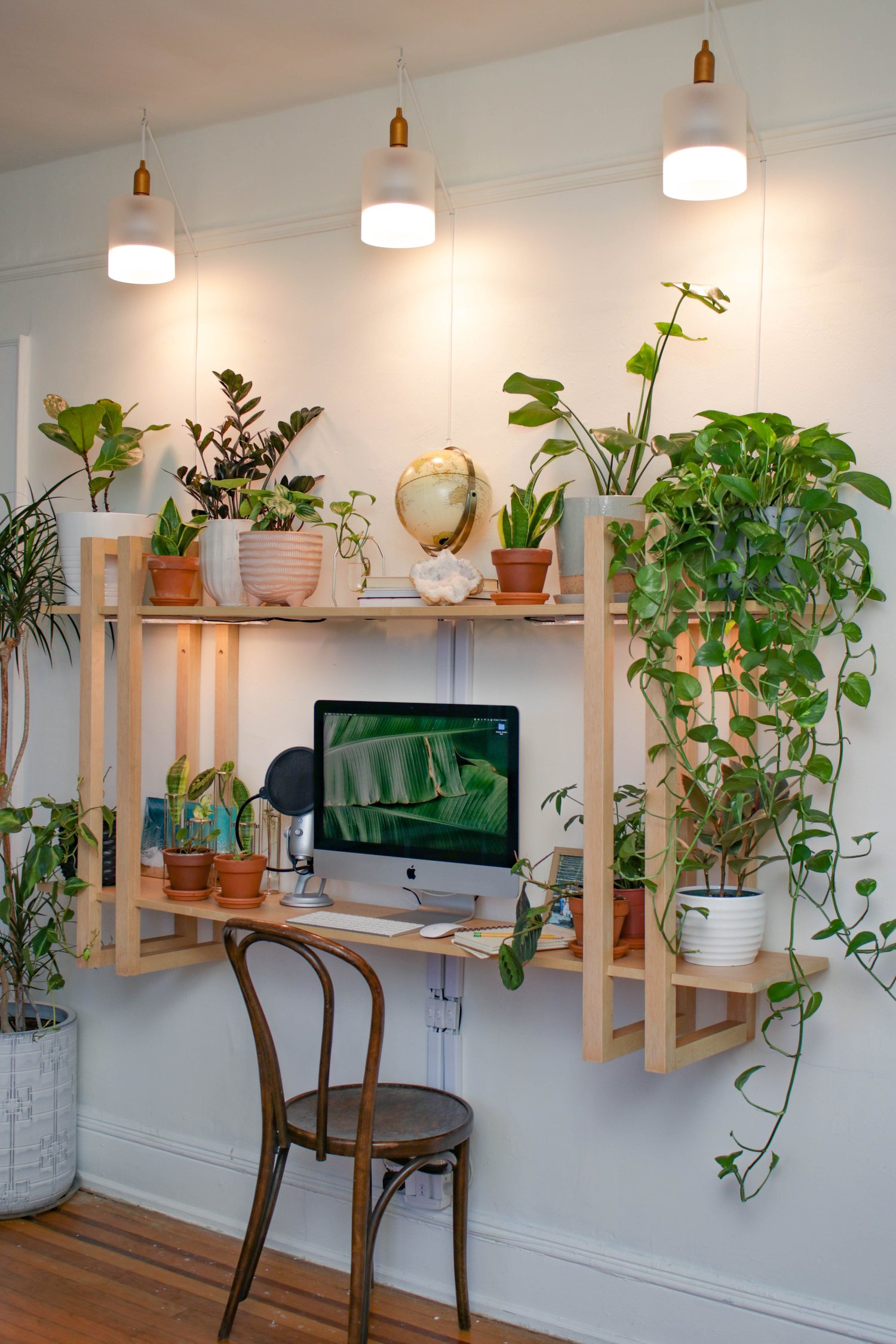
Plants add life to your office. Choose small plants that do not need much light. Place them on your shelves for a fresh feel.
Art pieces can make your shelves stand out. Pick pieces that inspire you. Change them from time to time for a new look.
| Plant Type | Care Level |
| Succulents | Low |
| Pothos | Medium |
| Snake Plant | Low |
Maintenance And Safety Tips
DIY wall shelves add style and storage to your home office. Keeping them safe and clean helps them last longer.
Follow simple steps to maintain your shelves and avoid accidents. Regular checks keep your workspace safe and organized.
Regular Cleaning
Dust and dirt can build up on shelves and damage the surface. Clean your shelves often to keep them looking good and working well.
- Use a soft cloth to wipe dust weekly
- Clean spills immediately to avoid stains
- Use mild soap and water for deeper cleaning
- Dry shelves completely after cleaning to prevent water damage
Checking Stability
Check your shelves regularly to make sure they are firmly attached to the wall and safe to use. Loose shelves can fall and cause damage or injury.
| Check Point | What to Look For | Action Needed |
| Brackets | Are screws tight and brackets secure? | Tighten or replace screws if loose |
| Wall Anchors | Are anchors holding firmly in the wall? | Replace weak or damaged anchors |
| Shelf Surface | Any cracks or warping? | Repair or replace damaged shelves |
Avoiding Overloading
Each shelf has a weight limit. Putting too much on shelves can cause them to break or fall. Keep your shelves safe by following weight rules.
- Know the shelf’s maximum weight capacity.
- Distribute weight evenly across the shelf.
- Place heavier items near the wall support.
- Avoid stacking heavy items on top of each other.
- Check shelves regularly for signs of strain.
Frequently Asked Questions
What Materials Are Best For Diy Wall Shelves?
Wood, metal brackets, and strong screws are ideal for DIY wall shelves. Choose sturdy wood like pine or oak. Metal brackets provide strong support. Use proper anchors for drywall to ensure shelves hold weight safely.
How Do I Install Wall Shelves In A Home Office?
Locate wall studs using a stud finder. Mark shelf bracket positions on the wall. Drill pilot holes and attach brackets with screws. Place shelves on brackets and secure them. Level shelves for stability and aesthetic appeal.
What Are Creative Designs For Home Office Wall Shelves?
Floating shelves, geometric shapes, and staggered arrangements add style. Use reclaimed wood for a rustic look. Mix materials like metal and wood for modern appeal. Incorporate shelves with built-in lighting for functionality and design.
How Can Diy Shelves Improve Home Office Organization?
Shelves maximize vertical space, reducing desk clutter. They keep books, supplies, and decor accessible. Custom shelves fit your storage needs perfectly. Organized shelves boost productivity and create an inspiring workspace.
Conclusion
DIY wall shelves bring style and function to any home office. They help keep your space neat and items within reach. Building your own shelves saves money and lets you choose designs you like. Simple tools and materials make the project easy to start.
Enjoy a workspace that feels personal and organized. Small changes can boost your work mood and focus. Try making your own shelves and see the difference. A tidy office supports better work every day.