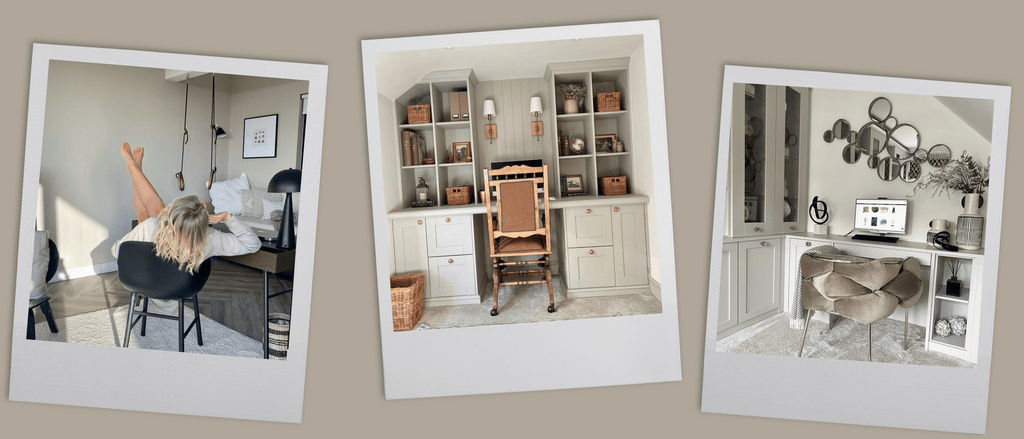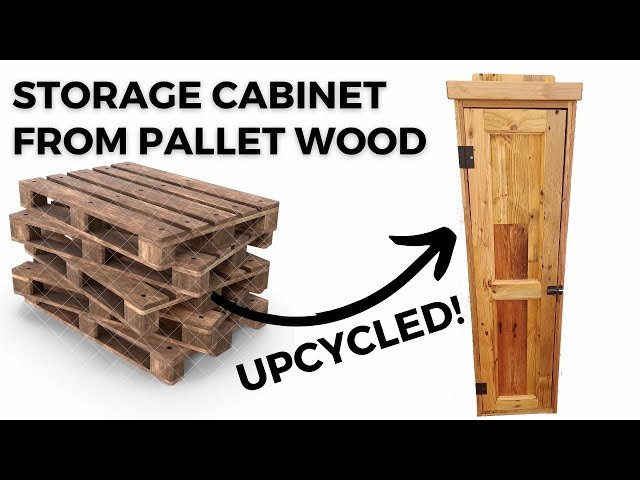
Are you tired of clutter taking over your space? Imagine having a stylish storage cabinet that fits perfectly in your home—one you built yourself.
DIY storage cabinet projects give you the power to create exactly what you need, save money, and add a personal touch to your decor. You’ll find simple ideas and step-by-step tips that anyone can follow, no matter your skill level.
Ready to transform your space and enjoy the satisfaction of building something with your own hands? Keep reading, and let’s get started!
Choosing The Right Materials
Building a DIY storage cabinet starts with picking the right materials. The materials affect how strong and long-lasting your cabinet will be.
Choosing good materials also makes your project easier and your cabinet look better. Focus on wood, hardware, and tools for best results.
Wood Types And Finishes
Wood is the main material for storage cabinets. Select wood that fits your budget and style. Softwoods like pine are easy to work with but less durable. Hardwoods like oak and maple last longer and look great.
- Pine: Affordable and easy to cut
- Oak: Strong and classic appearance
- Maple: Smooth grain, very durable
- Plywood: Stable and good for cabinet boxes
Finishes protect wood and add beauty. Use paint for color or stain to show wood grain. Always apply a sealant to protect from moisture and wear.
Hardware Options
Hardware holds your cabinet parts together and makes it usable. Choose quality hinges, handles, and screws for durability and smooth function.
| Hardware | Use | Material |
| Hinges | Door movement | Steel or brass |
| Handles | Open and close doors | Metal or plastic |
| Screws | Assembly | Stainless steel or coated |
| Drawer slides | Easy drawer motion | Steel |
Tools You’ll Need
Having the right tools makes building faster and safer. Here is a list of basic tools for your cabinet project.
- Measuring tape for precise cuts
- Power drill for holes and screws
- Wood saw for cutting boards
- Sandpaper or sander for smooth surfaces
- Clamps to hold pieces in place
- Screwdriver for hardware
Planning Your Storage Cabinet
Planning is key to building a useful storage cabinet. It helps you create a cabinet that fits your space and needs.
Good planning saves time and materials. It also makes sure your cabinet looks good and works well.
Measuring Your Space
Start by measuring the area where you want the cabinet. Write down the height, width, and depth carefully.
Check for any obstacles like doors or windows. Make sure the cabinet will fit without blocking anything.
- Use a tape measure for accuracy
- Measure twice to avoid mistakes
- Note any nearby fixtures or outlets
Designing For Functionality
Think about what you will store in your cabinet. Design shelves and compartments that fit your items well.
Include doors or drawers if you want to hide clutter. Make sure the cabinet is easy to use every day.
- Choose shelf heights for different items
- Plan for adjustable shelves if possible
- Consider handles and door types
Sketching Your Layout
Draw your cabinet design on paper or a computer. This helps you see how it will look and fit in your space.
Label all parts and sizes clearly. This makes building easier and reduces errors.
- Draw front, side, and top views
- Mark measurements on each part
- Note the materials you will use
Simple Cabinet Builds
Building your own storage cabinet can save money and add useful space. Simple designs work well for beginners. You only need basic tools and materials.
We will explore three easy cabinet projects. Each one fits different storage needs and skill levels.
Basic Box Cabinet
This project uses simple box construction. You build a rectangular frame with a back panel and doors. It fits small items and tools.
- Cut four side panels and a back panel
- Assemble the box with screws or nails
- Add hinges and a handle for the door
- Sand and paint or stain the cabinet
Open Shelving Units
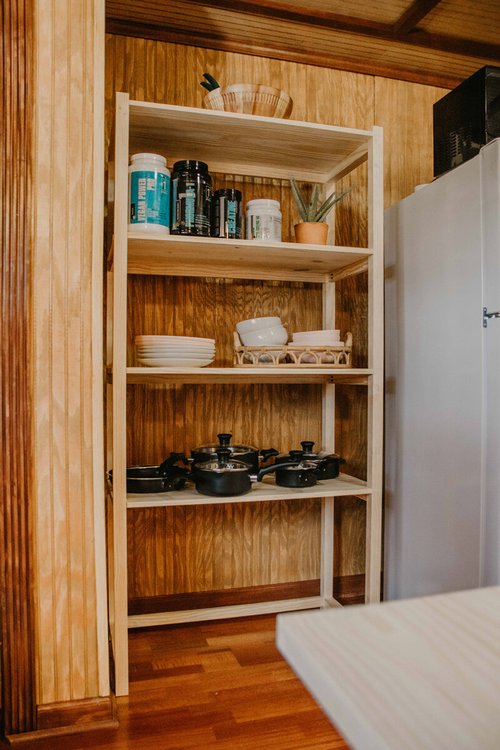
Open shelves are easy to build and use less material. They work great for books, baskets, or display items. You can make them any size.
| Material | Size | Use |
| Wood boards | 1 inch thick | Shelves and sides |
| Wood screws | 2 inches long | Assembly |
| Sandpaper | 120 grit | Smooth surfaces |
Modular Stackable Designs
Stackable cabinets let you adjust storage space. You can add or remove units as needed. These designs save floor space and stay organized.
- Build small cabinet boxes with open tops
- Add grooves or ledges for stacking
- Use clamps or brackets to hold units together
- Customize sizes to fit your room
Credit: www.woodbrew.tv
Adding Style To Cabinets
DIY storage cabinets can add both function and style to your space. Simple updates can change their look and make them stand out.
Try different techniques like painting, hardware changes, or glass to enhance your cabinets’ appearance.
Painting And Staining Tips
Choosing the right paint or stain helps your cabinets match your room’s style. Light colors can make small rooms feel bigger. Dark stains add warmth and depth.
- Sand the surface before painting for smooth results.
- Use primer to help paint stick better.
- Apply thin coats of paint or stain to avoid drips.
- Let each coat dry fully before adding the next.
- Seal stained wood with a clear finish for protection.
Decorative Hardware
Hardware like knobs and pulls can change the cabinet’s look quickly. Choose styles that match your room’s theme.
| Hardware Type | Style | Best For |
| Knobs | Simple and small | Minimalist or modern cabinets |
| Pulls | Long and sleek | Modern and traditional styles |
| Handles | Decorative and detailed | Classic or vintage cabinets |
Incorporating Glass And Mirrors
Adding glass or mirrors to cabinet doors can brighten rooms and add interest. Clear glass shows contents. Frosted glass offers privacy.
Here are ideas to use glass and mirrors in cabinets:
- Replace solid panels with glass inserts.
- Use mirrored backs inside cabinets for depth.
- Try stained or textured glass for a unique look.
Creative Storage Solutions
Building your own storage cabinet helps organize your space. You can add clever features to fit your needs.
Creative storage ideas make your cabinet both useful and unique. These ideas save space and hide clutter.
Hidden Compartments
Hidden compartments keep valuable items safe and out of sight. They add a secret layer to your storage.
You can build hidden spaces behind panels or inside false bottoms. These compartments blend with the cabinet.
- Use sliding panels to reveal hidden areas
- Create false drawers that open to secret spaces
- Install concealed shelves inside the cabinet walls
- Use magnetic locks for easy access
Pull-out Drawers And Trays
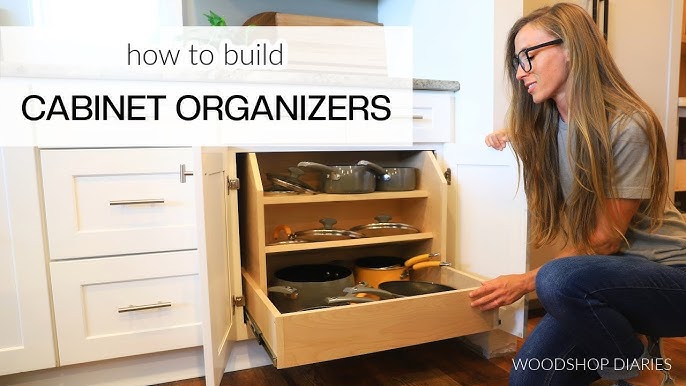
Pull-out drawers save space and improve access to stored items. Trays slide out smoothly for convenience.
These features help you reach things at the back without emptying the cabinet. They keep items organized and visible.
- Add shallow trays for small tools or supplies
- Use full-extension slides for deep drawers
- Include dividers to separate items inside trays
- Install soft-close mechanisms to avoid noise
Vertical Storage Ideas
Vertical storage uses the height of your cabinet well. It helps store tall or long items neatly.
Use hooks, shelves, and slots to keep things upright. This method saves floor space and improves order.
- Install tall shelves for books or bottles
- Add vertical slots for cutting boards or trays
- Use hooks on the inside cabinet doors
- Store brooms or umbrellas standing up

Credit: www.youtube.com
Cabinets For Different Rooms
Creating DIY storage cabinets is a practical way to organize your home. Each room can benefit from tailored solutions.
Whether it’s the kitchen or garage, custom cabinets fit your needs and style.
Kitchen And Pantry
Kitchen cabinets keep your cooking space organized. They store utensils, pots, and food items.
- Install spice racks for easy access
- Use pull-out shelves for pots and pans
- Add a lazy Susan for corner cabinets
Living Room And Office
Cabinets in the living room and office provide storage for books, electronics, and important documents.
| Room | Storage Idea |
| Living Room | Built-in shelves for books and decor |
| Office | Filing cabinets for documents |
Garage And Workshop
Garages and workshops need sturdy cabinets for tools and materials. Custom solutions maximize space.
Maintenance And Upkeep
Maintaining your DIY storage cabinet ensures it lasts longer. Regular upkeep keeps it looking fresh and functional.
Simple tasks can prevent major issues. Let’s explore cleaning, repairs, and style updates.
Cleaning Tips
Keep your storage cabinet clean to enhance its appearance. Dust and grime can accumulate quickly.
- Use a soft cloth for dusting weekly
- Wipe with a damp cloth for stubborn spots
- Avoid harsh chemicals that may damage surfaces
Repairing Minor Damage
Minor damage can occur over time. Simple repairs help maintain the cabinet’s integrity.
Apply wood filler to small scratches. Sand lightly once dry.
Tighten loose screws using a screwdriver. Replace any missing hardware.
Updating Styles Over Time
Styles change, but your cabinet can too. Updating its look keeps it trendy.
| Update Option | Description |
| Paint | Change color to match room decor |
| New Handles | Swap for modern designs |
| Wallpaper | Add patterns inside or outside |
Credit: www.youtube.com
Frequently Asked Questions
What Materials Are Best For Diy Storage Cabinets?
Plywood and MDF are popular for durability and affordability. Solid wood offers strength and a classic look. Choose materials based on budget, style, and project complexity for the best results.
How Much Does A Diy Storage Cabinet Cost?
Costs vary by size and materials. Basic projects can start around $50. More complex builds with premium wood may exceed $200. Plan your budget before starting to avoid surprises.
What Tools Do I Need For Cabinet Building?
Essential tools include a saw, drill, screwdriver, measuring tape, and clamps. Sandpaper and wood glue are helpful. Having the right tools ensures a smoother building process and better results.
How Long Does It Take To Build A Diy Cabinet?
Simple cabinets can take a few hours. More detailed projects might require several days. Time depends on skill level, design complexity, and drying or curing times for finishes.
Conclusion
DIY storage cabinet projects bring order and style to any space. They save money and allow personal touches. You can choose the size, color, and design that fits your needs. Building your own cabinet also gives a sense of pride and accomplishment.
Small or large, these projects help keep your home tidy. Start with simple steps and enjoy the process. Soon, you will have a useful and beautiful storage solution made by you.