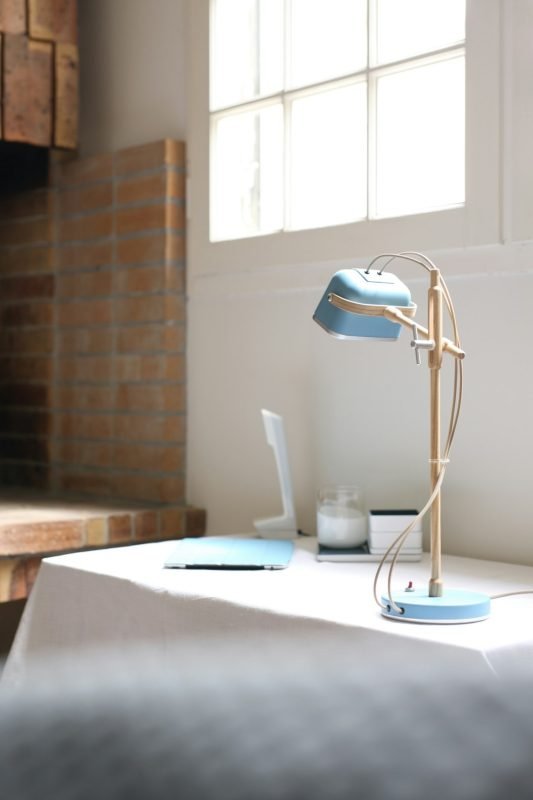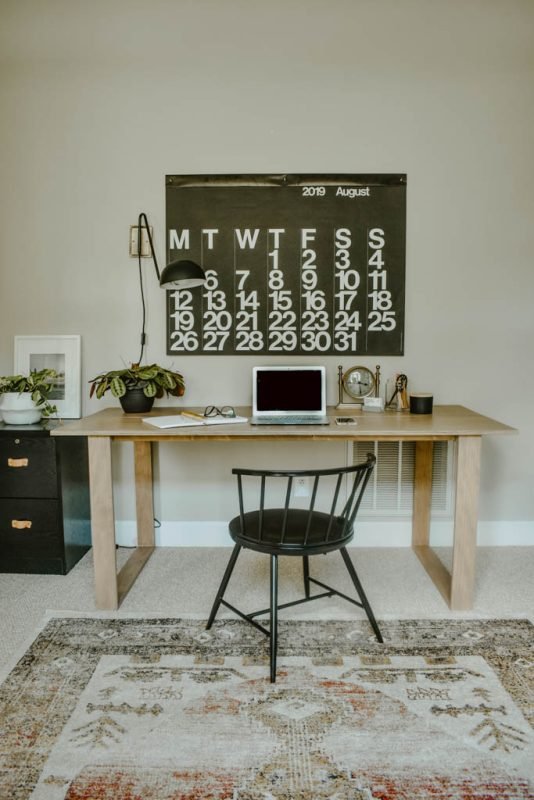
Looking to create the perfect workspace without spending a fortune? Your home office desk is the heart of your productivity, and building one yourself can be both fun and rewarding.
Imagine having a desk that fits your style, your space, and your needs perfectly. You’ll find simple DIY home office desk projects that anyone can tackle. Whether you want something sleek and modern or cozy and rustic, these ideas will inspire you to take control of your workspace.
Ready to transform your workday? Keep reading, and let’s make your ideal desk a reality.
Choosing The Right Materials
Building a home office desk requires selecting materials that match your style and needs. The right materials affect durability, look, and ease of care.
Consider how each material fits your workspace and budget before starting your project.
Wood Types And Finishes
Wood is a popular choice for desks because of its warmth and strength. Different types of wood offer various looks and durability levels.
- Oak: Hard and durable with a classic grain pattern.
- Pine: Softer wood, easy to work with, and lighter in color.
- Maple: Smooth finish and strong surface, good for writing.
- Walnut: Dark wood with rich color and natural patterns.
- Cherry: Ages beautifully, turning a deep reddish tone.
Finishes protect wood and enhance its appearance. Choose matte for a natural look or glossy for shine and easy cleaning.
Metal And Glass Options
Metal and glass create modern, sleek desks. Metal frames offer strong support and long-lasting use.
| Material | Benefits | Considerations |
| Steel | Very strong and durable | Can be heavy and cold to touch |
| Aluminum | Lightweight and rust-resistant | Less strong than steel |
| Tempered Glass | Easy to clean and stylish | Requires careful handling to avoid cracks |
Combining metal and glass can give your desk a stylish, airy feel. Keep in mind the weight and care needs.
Repurposed And Recycled Materials
Using repurposed wood or recycled materials helps reduce waste. It also adds a unique character to your desk.
- Old doors or wooden pallets can become desk surfaces.
- Recycled metal parts work well for legs and supports.
- Glass from old windows can be cleaned and reused.
- Check for damage and treat materials before use.
Choose recycled materials with care to ensure they are strong and safe for daily use.
Designing For Functionality
Creating a DIY home office desk means focusing on how the desk works for you. The design should help you work better and stay comfortable.
Think about your daily tasks and build a desk that fits your needs. This guide shows ways to improve your desk design for better use.
Ergonomic Considerations
Good ergonomics keep your body safe and reduce pain. Make sure your desk height fits your chair and body size.
Position your monitor at eye level and keep your arms at a 90-degree angle. Use a chair that supports your back well.
- Desk height: 28-30 inches for most people
- Monitor top at eye level
- Feet flat on the floor or footrest
- Chair with lumbar support
Storage Solutions
Storage helps keep your desk neat and your tools handy. Use shelves, drawers, or boxes to organize items.
Think about what you use daily and keep those items close. Less-used things can stay in higher or hidden storage.
- Drawers for papers and small tools
- Shelves for books and binders
- Boxes or baskets for cables and chargers
- Use vertical space to save desk area
Cable Management Tips
Messy cables distract you and can cause accidents. Use clips, ties, or tubes to keep cables organized.
Plan where your devices will go. Run cables behind the desk and group them to avoid tangles.
- Use cable clips to hold wires in place
- Bundle cables with ties or Velcro straps
- Hide cables inside cable trays or tubes
- Label cables to find devices easily
Popular Desk Styles
Choosing the right desk style helps create a comfortable home office. Each style fits different tastes and room designs.
Below are popular desk styles to inspire your DIY home office project.
Minimalist Designs
Minimalist desks focus on clean lines and simple shapes. They often use light colors and avoid extra decorations.
These desks help keep your workspace clear and calm. They fit well in small rooms and modern homes.
Rustic And Vintage Looks
Rustic desks use natural wood and classic designs. They create a warm, cozy feeling in the office.
- Raw wood surfaces
- Distressed finishes
- Antique hardware
- Simple but sturdy frames
Modern Industrial Themes
Industrial desks mix metal and wood for a tough look. They often have open shelves and metal legs.
| Feature | Description |
|---|---|
| Material | Metal frame with wooden top |
| Style | Exposed hardware and rough textures |
| Storage | Open shelves or metal drawers |
| Color | Dark wood and black or gray metal |

Credit: the256project.com
Step-by-step Build Guides
Building your own home office desk can save money and add a personal touch. These guides show simple ways to create desks that fit your space and style.
Follow the instructions carefully to make desks that are sturdy and functional. Each project uses common tools and materials you can find easily.
Simple Floating Desk
This desk saves floor space by mounting to the wall. It gives a clean, modern look and is easy to build with basic wood boards.
- Measure the wall space where you want the desk.
- Cut a wood board to the desired desk length and width.
- Attach sturdy brackets to the wall studs for support.
- Secure the wood board to the brackets using screws.
- Sand and paint or stain the desk surface as you like.
Adjustable Standing Desk
This desk lets you switch between sitting and standing. It uses a simple frame with adjustable height settings for comfort.
| Material | Quantity | Notes |
|---|---|---|
| Wooden desktop | 1 | Choose size to fit your space |
| Adjustable metal legs | 4 | Height range 28-45 inches |
| Screws | 20 | To fix desktop to legs |
| Sandpaper | 1 pack | For smoothing edges |
Attach the adjustable legs to the underside of the desktop with screws. Test the height settings and adjust for comfort. Sand edges for a smooth finish.
Corner Desk For Small Spaces
This desk fits in room corners to save space. It offers a roomy surface with shelves for storage and is easy to build with basic cuts.
- Measure the corner area to decide desk size.
- Cut two wood pieces: one for each side of the corner.
- Attach the two pieces at a right angle using brackets.
- Add shelves below the desk surface for storage.
- Secure the desk to the wall for stability.
- Finish by sanding and painting or staining the wood.
Decorating Your Workspace
Creating a welcoming workspace helps you stay focused and relaxed. Small changes can make your desk area feel fresh and inspiring.
Decorating your home office desk allows you to express your style and increase productivity. Use simple ideas to brighten your space.
Color Schemes And Paint Ideas
Choose colors that calm your mind or boost creativity. Light colors make a small space look bigger.
- Soft blues and greens for calmness
- Warm yellows and oranges for energy
- Neutral grays and whites for a clean look
- Accent walls with bold colors to add interest
Personalized Accessories
Add items that show your personality. These make your desk feel unique and comfortable.
| Accessory | Purpose |
| Photo frames | Keep loved ones close |
| Custom mouse pad | Add color and comfort |
| Decorative pen holder | Organize tools stylishly |
| Motivational quotes | Inspire daily work |
Lighting Enhancements
Good lighting reduces eye strain and improves mood. Use a mix of natural and artificial light.
- Place your desk near a window for daylight
- Use adjustable desk lamps for focused work
- Try soft LED lights to reduce glare
- Add string lights for a cozy feel
Budget-friendly Tips
Creating a home office desk on a budget is possible and fun. You can use simple tools and materials without spending much.
Learn how to source affordable items and upcycle household materials. These tips will help you create a functional and stylish workspace.
Diy Tools On A Budget
Tools can be expensive, but you can find budget-friendly options. Look for sales, and consider borrowing or renting tools.
- Check online marketplaces for second-hand tools
- Borrow tools from friends or family
- Visit local thrift stores for deals
Sourcing Affordable Materials
Getting materials at a low cost is key to keeping your project budget-friendly. Many places offer good deals if you know where to look.
| Material | Source |
| Wood | Reclaimed lumber yards |
| Screws | Bulk purchase stores |
| Paint | Discount hardware stores |
Upcycling Household Items
Upcycling is a great way to use what you already have. Transform old items into new pieces for your desk project.
Maintenance And Longevity
Building a DIY home office desk is rewarding. Keeping it in good shape is important. Proper maintenance extends its life.
Regular care ensures your desk looks new. It also helps it function well over time.
Cleaning And Care
Dust your desk weekly. Use a soft cloth to avoid scratches. Clean spills immediately to prevent stains.
- Use a mild cleaner for surfaces
- Avoid harsh chemicals
- Polish wooden parts monthly
Repairing Common Issues
Small repairs keep your desk sturdy. Tighten loose screws often. Fix scratches to maintain its appearance.
- Use wood filler for deep scratches
- Replace damaged parts promptly
- Check joints for stability
Seasonal Upkeep
Seasonal changes can affect your desk. Humidity might cause wood to swell. Keep your workspace well-ventilated.
In winter, dry air can dry out wood. Use a humidifier to maintain balance.
- Adjust your desk location if needed
- Use furniture wax for extra protection
- Inspect for any seasonal wear

Credit: www.houseonlongwoodlane.com

Credit: www.angi.com
Frequently Asked Questions
What Materials Are Best For Diy Home Office Desks?
Wood, plywood, metal, and MDF are common materials. Choose durable, affordable, and easy-to-work-with options. Consider your style and workspace needs when selecting materials for your DIY desk.
How Can I Maximize Space With A Diy Desk?
Use wall-mounted designs or foldable desks to save space. Incorporate shelves and drawers for extra storage. Customizing size to fit your room also helps maximize your workspace efficiently.
What Tools Do I Need For Building A Diy Desk?
Basic tools include a saw, drill, screwdriver, measuring tape, and sandpaper. Additional tools like clamps and a level improve accuracy. Having the right tools ensures a smooth building process.
How Do I Finish A Diy Desk For Durability?
Apply paint, stain, or sealant to protect the surface. Sand the desk first for a smooth finish. Proper finishing enhances durability and gives your desk a professional look.
Conclusion
Creating your own home office desk can be simple and fun. Choose materials that fit your style and needs. Take your time to measure and plan carefully. Small projects can bring big changes to your workspace. Personal touches make your desk unique and useful.
Enjoy the process and feel proud of your work. A custom desk helps you work better every day. Start your DIY project and make your office space yours.